Mengla Tea Region
Guide to Mengla tea region in Xishuangbanna, covering its tea production characteristics and place in the broader Yunnan tea landscape.
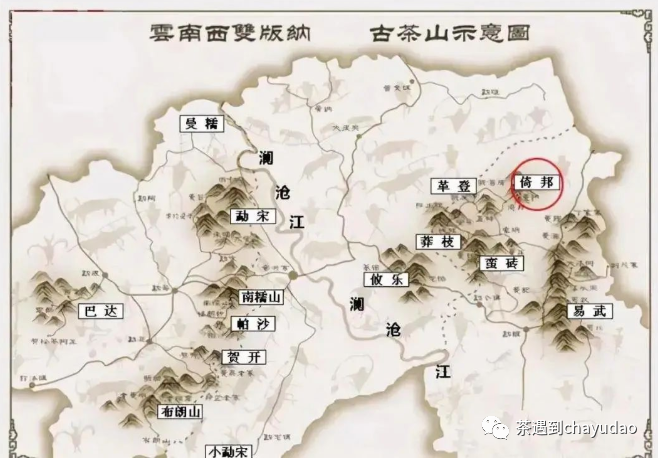
Mengla is home to the famous Six Ancient Tea Mountains (古六大茶山), which are historically significant for Pu-erh tea production. These mountains are known for their unique terroir and distinct tea characteristics.
Why the Six Ancient Tea Mountains matter
The 古六大茶山 (gǔ liù dà cháshān) aren’t just an arbitrary grouping. These six mountains are the historical core of Pu-erh production - the routes on the Tea Horse Road went through these valleys, the tribute tea for the imperial court came from these slopes, and the modern Pu-erh industry was built on blends based on these leaves. If you want to understand Pu-erh, you need to know these six.
In plain English: Mengla is where the original Pu-erh story starts. Softer, more aromatic, less aggressive than Menghai. Most of the “drinkable young” Pu-erh you’ll find comes from one of these six mountains.
The Six Ancient Tea Mountains in Mengla
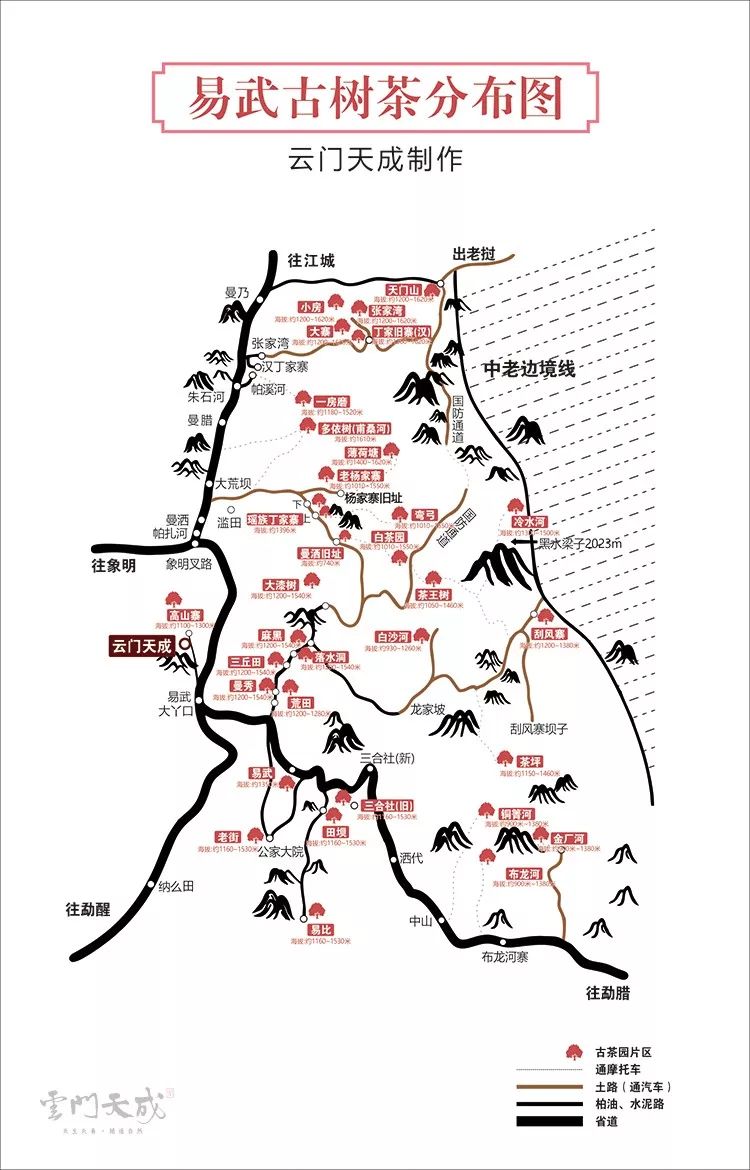
Yiwu (易武)
Yiwu is perhaps the most famous of the Six Ancient Tea Mountains, renowned for its soft, sweet, and fragrant teas. Yiwu teas are known for their elegant aroma, smooth and thick liquor, and a long-lasting sweet aftertaste (回甘). They are often described as having a gentle yet profound cha qi, making them highly sought after. Yiwu is the “soft” reference point - if you want the gentlest, sweetest, most drinkable Pu-erh, Yiwu is the answer.
Yibang (倚邦)
Yibang teas are characterized by their delicate and refined flavor profile. They often have a high aroma, a clear and bright liquor, and a refreshing sweetness. Yibang teas are known for their unique
bitterness that quickly dissipates, leaving a pleasant sweetness. They are often described as having a good balance and a comfortable mouthfeel.
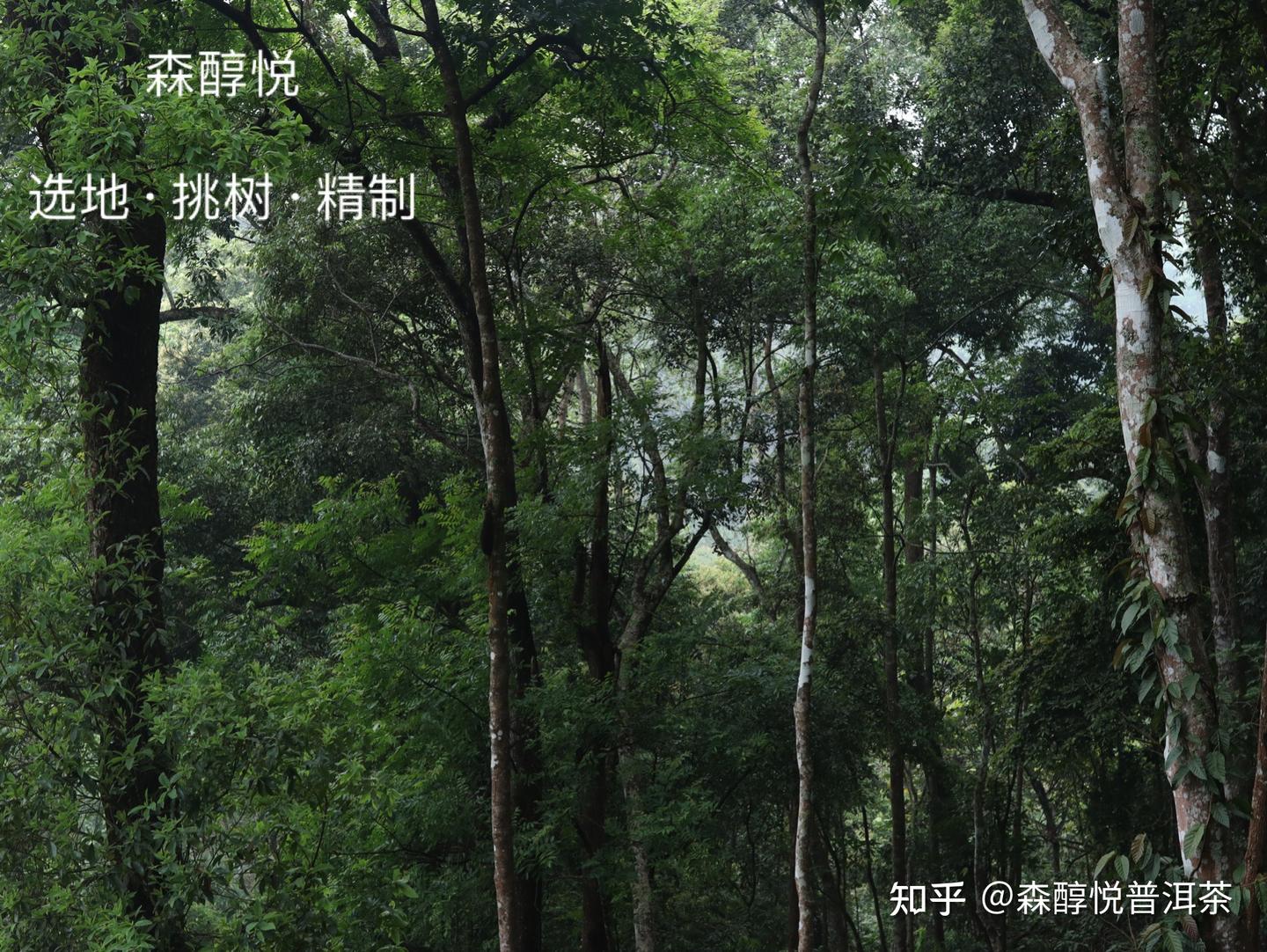
Manzhuan (蛮砖)
Manzhuan teas are known for their strong and robust character. They often exhibit a noticeable bitterness and astringency in their youth, which transforms into a rich and full-bodied liquor with a lingering sweetness as they age. Manzhuan teas are appreciated for their powerful cha qi and ability to age well. Closer in style to Menghai than to Yiwu.
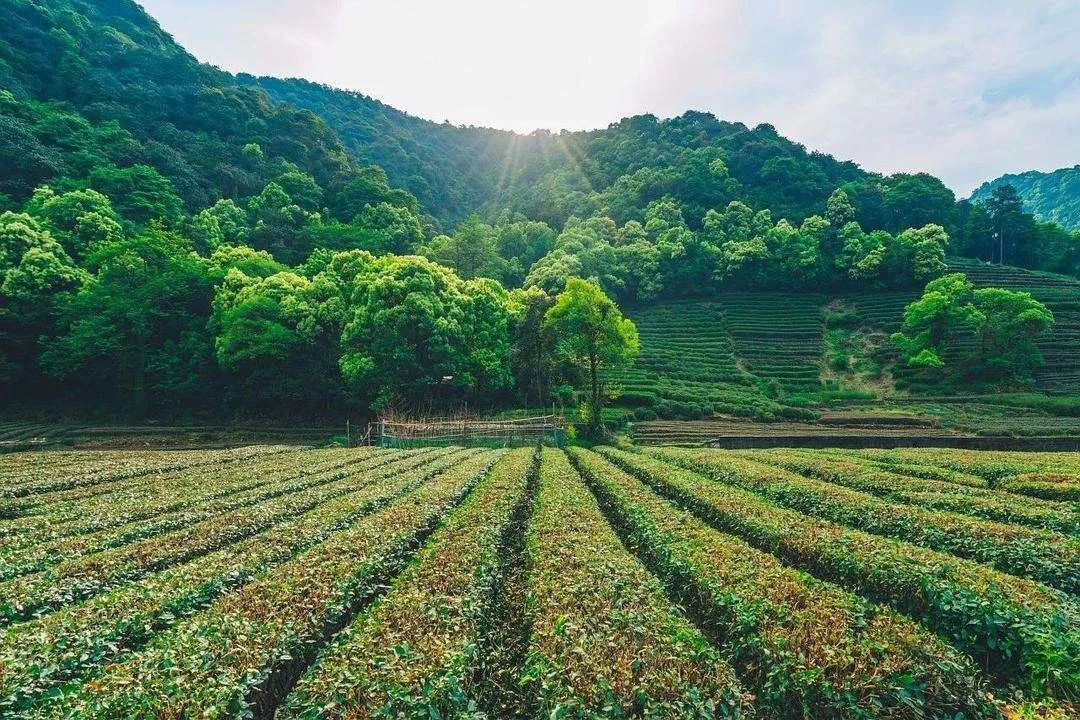
Gedeng (革登)
Gedeng teas are characterized by their unique floral and honey notes. They often have a delicate bitterness that quickly fades, followed by a refreshing sweetness and a smooth texture. Gedeng teas are known for their aromatic complexity and pleasant aftertaste. Smaller production than Yiwu or Yibang, so harder to find and often more expensive than you’d expect.
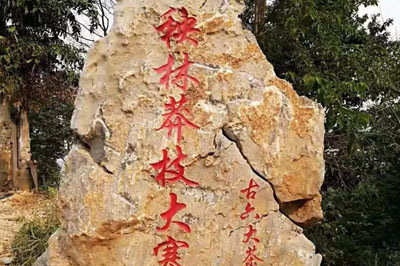
Mangzhi (莽枝)
Mangzhi teas are known for their distinct wild and untamed character. They often have a strong, sometimes pungent, aroma and a robust flavor profile with a noticeable bitterness. As they age, Mangzhi teas develop a deeper complexity and a more mellow taste, retaining their unique wild charm. The least famous of the six, which is part of why the price is friendlier.
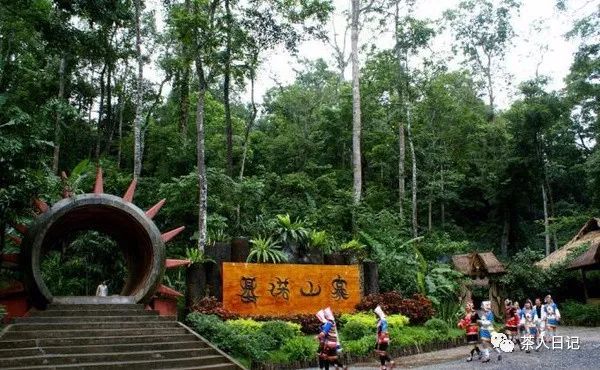
Youle (攸乐)
Youle teas are known for their strong and straightforward character. They often exhibit a prominent bitterness and astringency in their youth, which gradually softens with age, revealing a rich and earthy flavor. Youle teas are appreciated for their bold cha qi and their ability to develop complex notes over time. The closest mountain to Jinghong, historically the most accessible of the six.
How to brew Mengla
Lighter than Menghai: 7-8g in a 100ml gaiwan, boiling water, 8s first steep, +5s per infusion. The Six Mountains will go 10-12+ infusions easily. Yiwu in particular rewards slow steeping - the late infusions (8-15) often have the most interesting aromatics.
Images of Mengla Tea Mountains (Six Ancient Tea Mountains)
Yiwu (易武)
Yibang (倚邦)
Manzhuan (蛮砖)
Gedeng (革登)
Mangzhi (莽枝)
Youle (攸乐)
If you're reading this, you'd probably enjoy
Other tea mountains and regions in the Xishuangbanna family.
Menghai Tea Region Overview
8 minGuide to Menghai, one of the most famous Pu-erh tea regions in Xishuangbanna, home to legendary villages like Laobanzhang and known for producing some of the most prestigious and expensive teas.
Read guide →Menghai Tea Region Summary
4 minQuick overview of Menghai tea region characteristics and key production notes.
Read guide →Mengla Tea Region Summary
4 minQuick overview of Mengla tea region characteristics and production summary.
Read guide →Xishuangbanna Pu-erh Tea Region Overview
20 minComplete guide to Xishuangbanna, the historic birthplace of Pu-erh tea, covering its famous six ancient tea mountains, major villages like Laobanzhang and Mahei, and distinctive tea characteristics.
Read guide →Xishuangbanna Pu-erh Tea Overview (Detailed)
25 minIn-depth overview of Xishuangbanna tea region including detailed sub-region analysis, taste profiles, and production characteristics of this historic tea area.
Read guide →Xiaohusai (小户赛) - Complete Guide to Yunnan's Rising Tea Region
18 minComprehensive guide to Xiaohusai, the emerging Pu-erh tea region known as 'Sai Bingdao' for rivaling famous Bingdao tea. Covers history, village composition, tea enterprises, and quality characteristics.
Read guide →Ailao Mountain Tea Region (Complete Guide)
7 minComprehensive guide to Ailao Mountain tea region in Yunnan, covering its geographical features, tea characteristics, and significance in the broader Pu-erh tea landscape.
Read guide →