Menghai Tea Region Overview
Guide to Menghai, one of the most famous Pu-erh tea regions in Xishuangbanna, home to legendary villages like Laobanzhang and known for producing some of the most prestigious and expensive teas.
Menghai is one of the most renowned Pu-erh tea producing regions in Xishuangbanna, famous for its strong, bold, and complex teas. It is home to several iconic tea mountains.
Why Menghai dominates Pu-erh
Menghai isn’t just a tea region - it’s the heart of the Pu-erh industry. The Menghai Tea Factory (大益) has been pressing cakes here since 1940, and the entire town of Menghai exists because of tea. If you’ve ever had a classic sheng or shou Pu-erh cake, odds are it came through this valley.
What you get in the cup: bold, full-bodied, often aggressive young. This is not a region for shy flavors. Menghai is the loudest of the major Pu-erh regions, and that’s exactly why people love it.
Famous Tea Mountains and Villages in Menghai
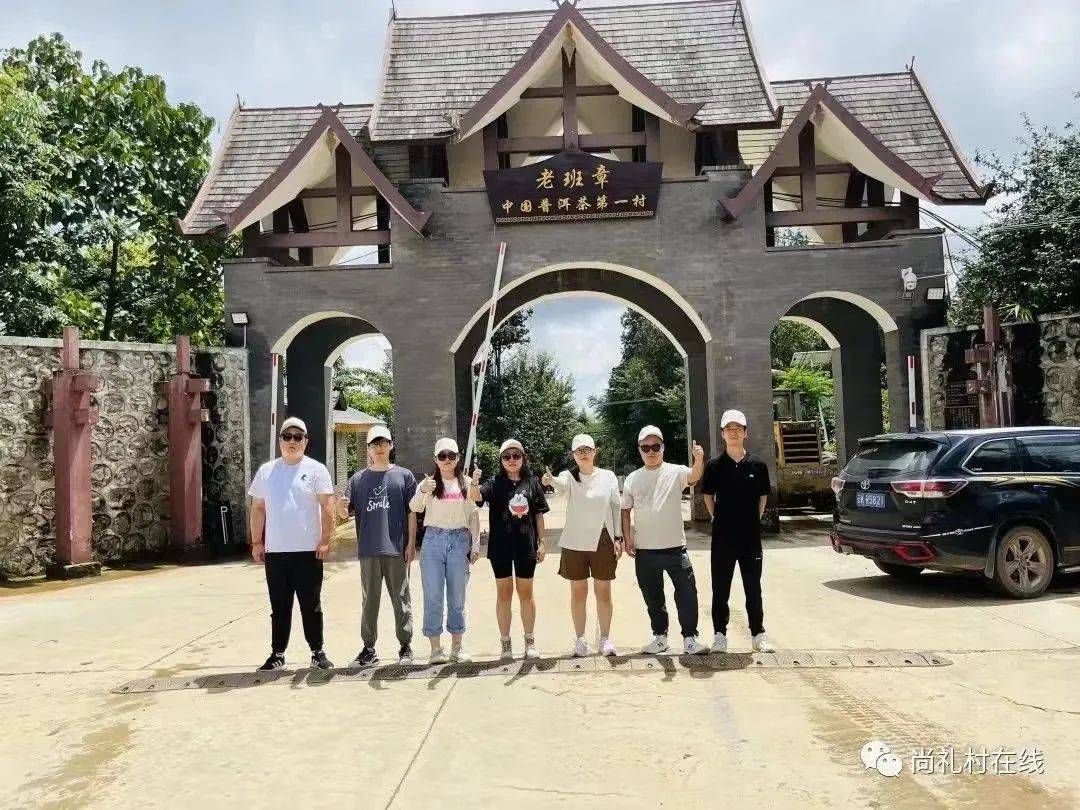
Lao Banzhang (老班章)
Lao Banzhang is often referred to as the “King of Pu-erh” due to its exceptional quality and high prices. Teas from Lao Banzhang are known for their intense bitterness that quickly transforms into a powerful, long-lasting sweetness (回甘), thick mouthfeel, strong cha qi (茶气 - tea energy), and rich aroma. 2025 spring leaf prices for the old village have hit 30,000+ CNY/kg - among the most expensive teas in China.
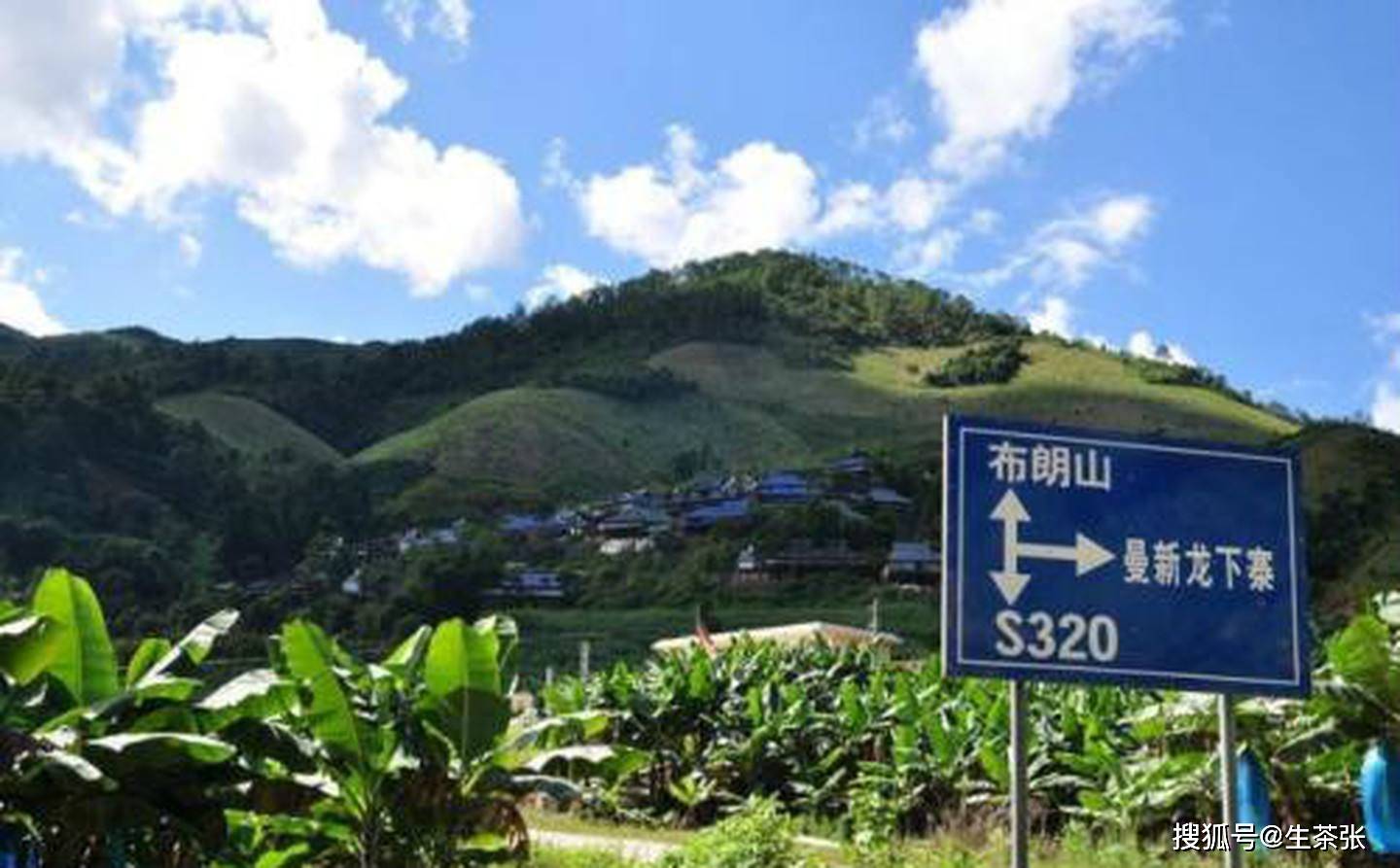
Bulangshan (布朗山)
Bulangshan is a large tea mountain range with a significant concentration of ancient tea trees. Teas from Bulangshan are characterized by their strong, sometimes aggressive, bitterness and astringency in their youth, which mellows with age into a deep, rich flavor with a prominent sweet aftertaste. They are known for their robust cha qi. The Blang people (布朗族) who farm here are the original tea cultivators of Yunnan.
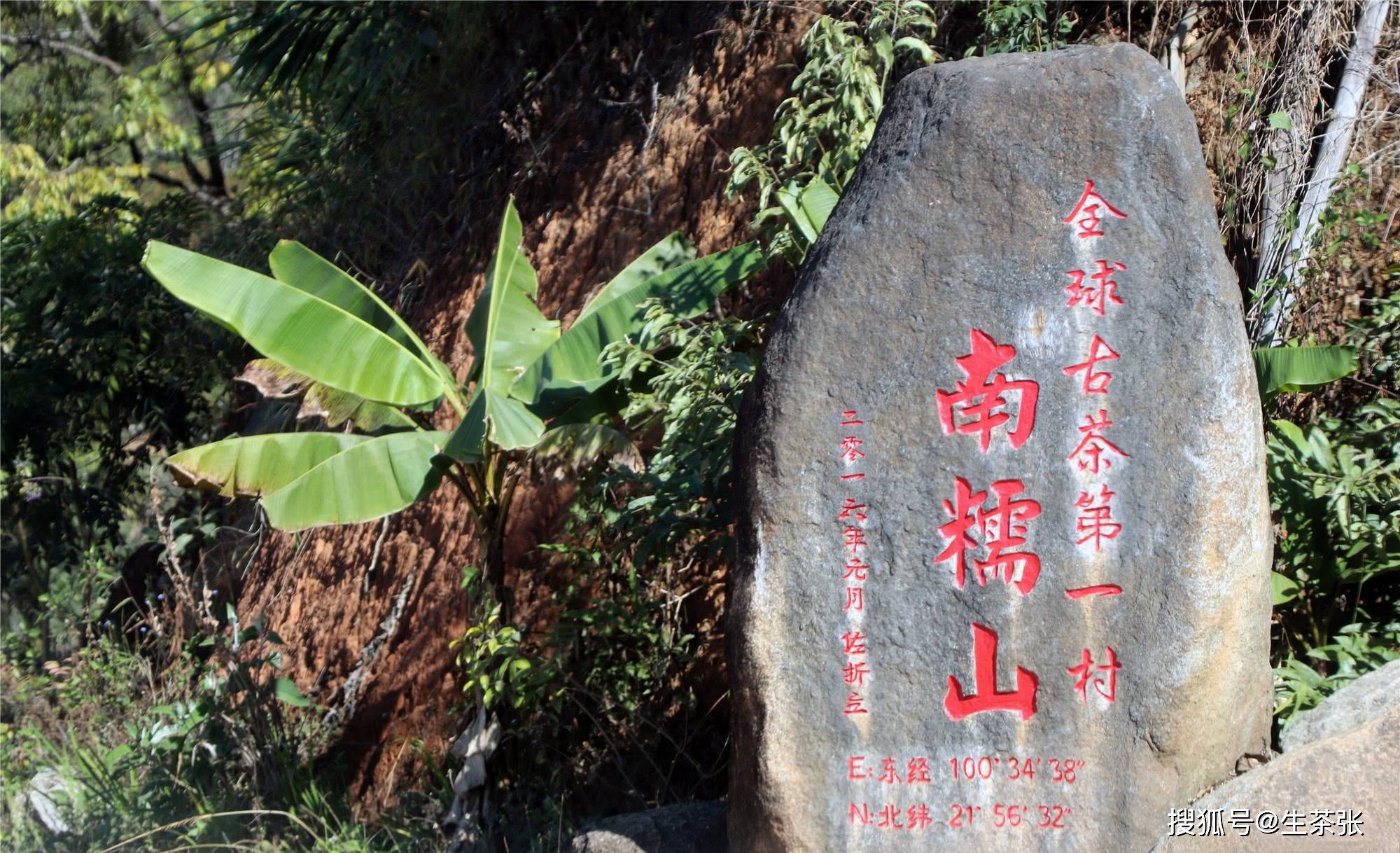
Nannuoshan (南糯山)
Nannuoshan is one of the oldest cultivated tea mountains, with a history spanning over a thousand years - the famous 800-year-old “King of Tea Trees” (茶王树) still grows here. Teas from Nannuoshan offer a balanced profile, often described as having a pleasant bitterness that quickly dissipates, followed by a refreshing sweetness. They tend to have a smooth texture, floral or fruity notes, and a gentle cha qi.
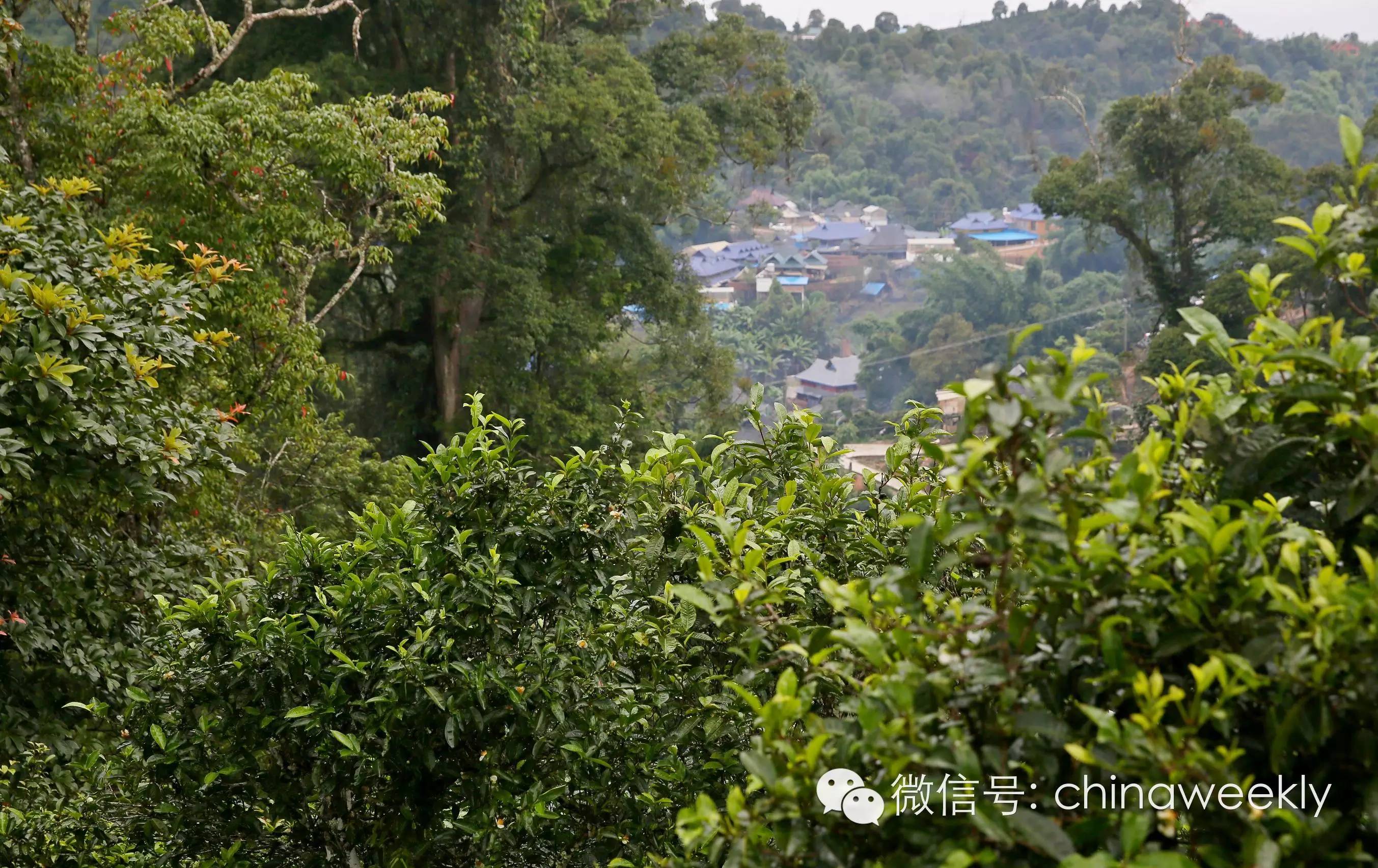
Hekai (贺开)
Hekai is another significant ancient tea mountain in Menghai. Its teas are known for their strong, lingering sweetness, thick and smooth liquor, and a distinct floral or honey aroma. They often exhibit a good balance of bitterness and sweetness, with a comfortable cha qi. Hekai is the “gentle Bulang” - a good entry point if Bulangshan is too much for you.
How to brew Menghai
Menghai wants a heavier hand than lighter regions. 8-9g in a 100ml gaiwan, boiling water, 10s first steep, +5-7s per infusion. The body holds up to longer steeps, and the later infusions (8-12) are often more interesting than the first. If you find Lao Banzhang or Bulangshan too bitter young, try 7g with 5-8s first steep instead of pushing the leaf harder.
Images of Menghai Tea Mountains
Lao Banzhang (老班章)
Bulangshan (布朗山)
Nannuoshan (南糯山)
Hekai (贺开)
If you're reading this, you'd probably enjoy
Other tea mountains and regions in the Xishuangbanna family.
Menghai Tea Region Summary
4 minQuick overview of Menghai tea region characteristics and key production notes.
Read guide →Mengla Tea Region
8 minGuide to Mengla tea region in Xishuangbanna, covering its tea production characteristics and place in the broader Yunnan tea landscape.
Read guide →Mengla Tea Region Summary
4 minQuick overview of Mengla tea region characteristics and production summary.
Read guide →Xishuangbanna Pu-erh Tea Region Overview
20 minComplete guide to Xishuangbanna, the historic birthplace of Pu-erh tea, covering its famous six ancient tea mountains, major villages like Laobanzhang and Mahei, and distinctive tea characteristics.
Read guide →Xishuangbanna Pu-erh Tea Overview (Detailed)
25 minIn-depth overview of Xishuangbanna tea region including detailed sub-region analysis, taste profiles, and production characteristics of this historic tea area.
Read guide →Xiaohusai (小户赛) - Complete Guide to Yunnan's Rising Tea Region
18 minComprehensive guide to Xiaohusai, the emerging Pu-erh tea region known as 'Sai Bingdao' for rivaling famous Bingdao tea. Covers history, village composition, tea enterprises, and quality characteristics.
Read guide →Ailao Mountain Tea Region (Complete Guide)
7 minComprehensive guide to Ailao Mountain tea region in Yunnan, covering its geographical features, tea characteristics, and significance in the broader Pu-erh tea landscape.
Read guide →