Ailao Mountain Tea Region (Complete Guide)
Comprehensive guide to Ailao Mountain tea region in Yunnan, covering its geographical features, tea characteristics, and significance in the broader Pu-erh tea landscape.
Ailao Mountain is a significant ecological barrier and a source of many ancient tea trees in Pu’er City, known for producing teas with a wild and natural character.
Where it sits
Ailao is the long north-south mountain range that runs along the western edge of Pu’er City, separating it from the drier central Yunnan plateau. Tea gardens climb up both flanks, with most of the old-growth trees in the 1,500–2,000 m band. The range catches monsoon moisture from the south, which is why the higher slopes stay wet and forested even in the dry season.
What the tea actually tastes like
Ailao Mountain teas are often characterized by their wild and untamed nature, reflecting the ancient and biodiverse forests where they originate. They typically have a strong and sometimes slightly bitter taste in their youth, which mellows beautifully with age, developing into a rich, earthy, and complex flavor. The liquor can be full-bodied with a robust cha qi, providing a powerful and grounding sensation. Ailao Mountain teas are known for their unique ‘mountain flavor’ (山味) and a deep, lingering sweetness that emerges after the initial bitterness. They are highly regarded for their natural vitality and their ability to offer a profound and authentic Pu-erh tea experience.
In plain English: it drinks like the forest smells. There’s a green, slightly mushroomy depth underneath the sweetness, and the finish lingers a long time.
How it ages
Young Ailao can be bracing - real bitterness, real astringency. If you’ve only had gentle, sweet Pu-erh, an Ailao sample will surprise you. That aggression is the point: it’s the fuel the tea burns as it ages. Five years in, the bitterness has rounded into something almost resinous, and a ten-year cake will have lost most of the edge. The mountain flavor (山味) gets more prominent with age rather than fading, which is unusual.
What to look for when you buy
- Ancient tree (古树) vs plantation (台地): Ailao’s reputation is built on old-growth material. Plantation Ailao is cheaper but doesn’t age nearly as well.
- Single-origin vs blend: Ailao gets blended into lots of generic “Pu-erh” cakes. If you want the real thing, ask the vendor which village the leaf came from.
- Storage: Look for dry-stored (干仓) cakes if you plan to drink them young. Wet-stored Ailao can taste musty and masks what makes the region special.
Who this region is for
Ailao rewards drinkers who already like Pu-erh and want to dig deeper. If you’re brand new to raw Pu-erh, start somewhere gentler - Jingmai or Fengqing - and come back to Ailao once your palate is calibrated for the bitter/astringent side of the spectrum.
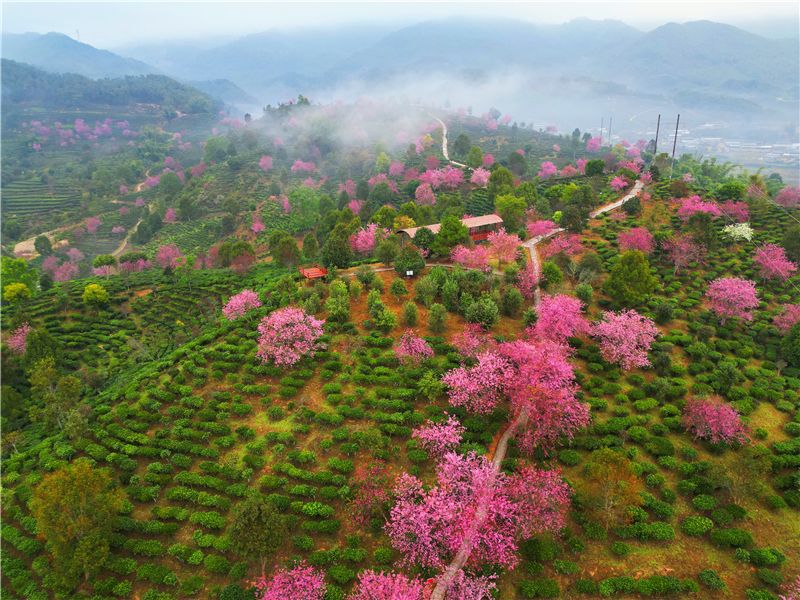
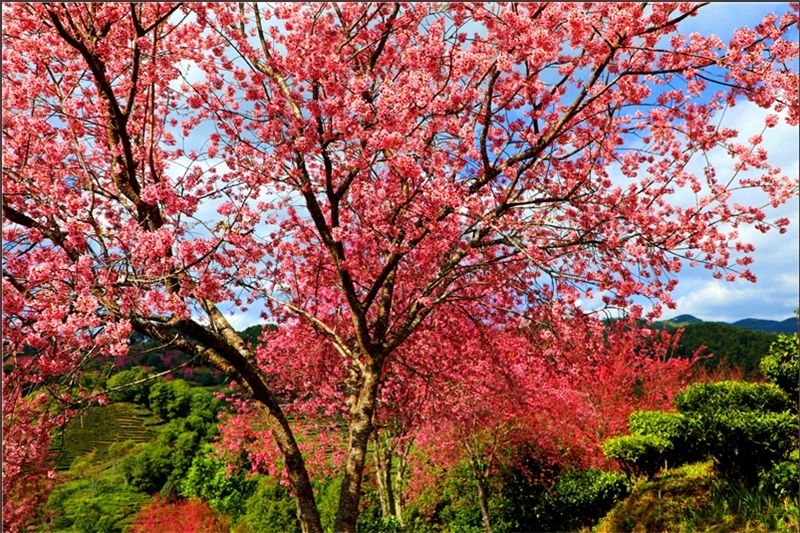
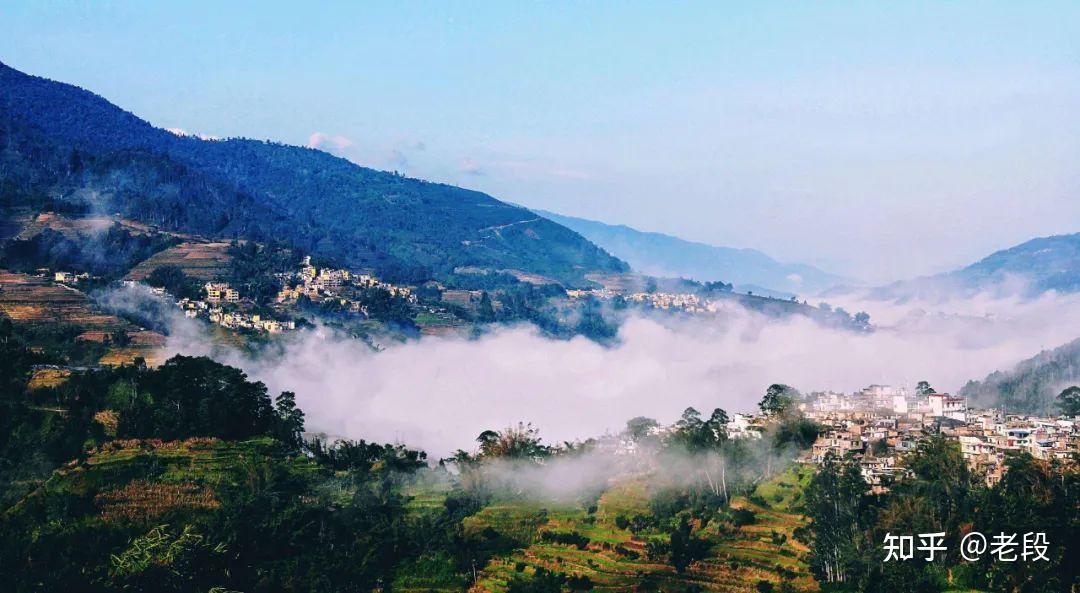
Images of Ailao Mountain Tea Gardens
If you're reading this, you'd probably enjoy
Other tea mountains and regions in the Pu'er City family.
Ailao Mountain Tea Region
5 minGuide to Ailao Mountain, a tea-producing region in Yunnan known for its high-altitude tea gardens and unique mountain terroir characteristics.
Read guide →Jingmai Mountain Tea Region
5 minGuide to Jingmai Mountain, a UNESCO World Heritage site in Pu'er City known for its ancient tea gardens, unique terroir, and culturally significant tea production heritage.
Read guide →Jingmai Mountain Tea Region Summary
3 minQuick reference guide to Jingmai Mountain tea characteristics and production notes.
Read guide →Kunlu Mountain Tea Region
3 minOverview of Kunlu Mountain tea region, its characteristics and place in the Yunnan tea production landscape.
Read guide →Kunlu Mountain Tea Region (Complete Guide)
7 minComprehensive guide to Kunlu Mountain tea region, covering its characteristics, production methods, and significance in Yunnan tea culture.
Read guide →Pu'er City Tea Region Overview
12 minComprehensive guide to Pu'er City, the namesake region of Pu-erh tea, covering major sub-regions including Jingmai Mountain, Wuliang Mountain, and their unique tea characteristics and cultural significance.
Read guide →Wuliang Mountain Tea Region
3 minGuide to Wuliang Mountain tea region characteristics and production overview.
Read guide →Wuliang Mountain Tea Region (Complete Guide)
7 minComprehensive guide to Wuliang Mountain tea region, covering its unique characteristics, production methods, and place in Yunnan tea culture.
Read guide →Xiaojinggu Tea Region
5 minGuide to Xiaojinggu tea region in Pu'er City, known for its unique terroir and tea production characteristics in the broader Yunnan tea landscape.
Read guide →Xiaojinggu Tea Region Overview
3 minQuick overview of Xiaojinggu tea region characteristics and production notes.
Read guide →Xiaohusai (小户赛) - Complete Guide to Yunnan's Rising Tea Region
18 minComprehensive guide to Xiaohusai, the emerging Pu-erh tea region known as 'Sai Bingdao' for rivaling famous Bingdao tea. Covers history, village composition, tea enterprises, and quality characteristics.
Read guide →Bangdong Tea Region Deep Dive
8 minComprehensive guide to Bangdong tea region in Lincang, known for its unique rocky terroir, Bangdong large-leaf varietal, and distinctive 'rock rhyme' mineral characteristics.
Read guide →Fengqing Tea Region
6 minGuide to Fengqing tea region in Lincang, famous for both black tea (Dianhong) and Pu-erh production, known for balanced and approachable tea characteristics.
Read guide →