合欢壶
Explore this classic Yixing pottery design and its significance in tea culture
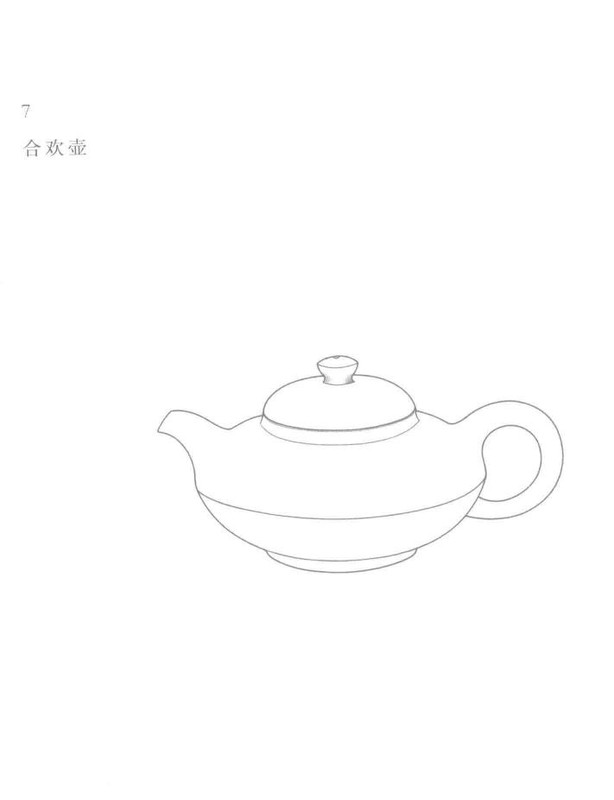
The Hehua Hu (合欢壶): A Teapot That Celebrates Unity and Joy
When you first encounter a Hehua Hu in a traditional tea shop, you might not immediately grasp the poetry embedded in its form. The name itself—合欢, meaning “shared joy” or “harmonious union”—hints at something deeper than mere function. This classic Yixing teapot design carries centuries of cultural meaning in its clay walls, representing not just a vessel for brewing tea, but a symbol of togetherness and celebration.
The Name Behind the Clay
The term “Hehua” (合欢) is rich with meaning in Chinese culture. It literally translates to “joined happiness” or “united joy,” and historically refers to the silk tree (Albizia julibrissin), whose leaves fold together at night as if in embrace. This botanical reference has made the Hehua concept a powerful symbol in Chinese art and literature, often associated with marital harmony, friendship, and the coming together of kindred spirits.
When a Yixing potter names their creation a Hehua Hu, they’re invoking this entire tradition. The teapot becomes more than a brewing tool—it transforms into a vessel that brings people together, much like the tea ceremony itself. There’s something profoundly appropriate about pouring tea from a pot named for unity, sharing those cups with friends or family, and creating moments of connection over steaming infusions.
Understanding Yixing’s Clay Legacy
Before diving into the Hehua Hu specifically, it’s worth understanding what makes any Yixing teapot special. The city of Yixing, located in Jiangsu Province, has been producing pottery for over a thousand years. The region’s unique zisha clay—literally “purple sand”—contains a distinctive mineral composition that makes it ideal for teaware.
Unlike glazed ceramics, Yixing pots are left unglazed, allowing the porous clay to breathe and interact with the tea. Over time, the pot absorbs the oils and essences from the tea leaves, developing what enthusiasts call a “patina” or “tea memory.” This seasoning process means that a well-used Yixing pot can eventually brew flavorful tea with hot water alone—though that takes years of dedicated use.
The Hehua Hu represents the classic tradition within this craft. While some Yixing designs push boundaries with elaborate shapes or modern interpretations, the Hehua Hu maintains a connection to traditional forms that have proven their worth over generations.
Visual Character and Design Elements
The Hehua Hu typically presents a balanced, harmonious silhouette that reflects its name. While individual potters bring their own interpretations, the design generally emphasizes smooth curves and gentle proportions that suggest completeness and unity. The body often features a rounded or slightly compressed spherical shape, creating a sense of fullness without heaviness.
The spout and handle work in visual harmony, positioned to create balance when viewed from any angle. This isn’t accidental—the principle of “joined happiness” extends to the pot’s very structure, where each element complements the others. The spout might curve gracefully outward, while the handle arches in a corresponding gesture, as if the two are in conversation.
Many Hehua Hu designs incorporate subtle decorative elements that reference the silk tree or other symbols of unity. You might find delicate leaf patterns, gentle texturing that suggests natural forms, or calligraphic inscriptions that reinforce the theme of togetherness. However, these embellishments never overwhelm the essential form—the decoration serves the design rather than dominating it.
The lid typically fits snugly, with a knob that’s comfortable to grasp and proportional to the pot’s overall size. When you lift a well-made Hehua Hu, you’ll notice how the weight distributes evenly, how the handle sits naturally in your palm, and how the whole piece feels integrated rather than assembled from parts.
The Clay Itself: Color and Texture
Yixing pots come in various clay types, each with distinct characteristics. The Hehua Hu might be crafted from zhuni (vermillion clay), zisha (purple clay), duanni (yellow clay), or blended clays, depending on the potter’s vision and the intended use.
Zhuni clay fires to warm reddish-orange tones and has a fine, smooth texture. It’s prized for its density and the way it enhances delicate teas. Zisha, the most famous Yixing clay, ranges from deep purple to reddish-brown, with a slightly coarser texture that works beautifully with oxidized teas. Duanni produces lighter, golden-beige pots with excellent heat retention.
The unglazed surface of a Hehua Hu has a matte finish that invites touch. Run your fingers across a new pot, and you’ll feel the clay’s natural texture—not rough, but with a subtle grain that speaks to its earthen origins. As the pot seasons with use, this surface develops a gentle sheen, a visual record of all the tea ceremonies it has witnessed.
Historical Context and Traditional Roots
While the exact origins of the Hehua Hu design are difficult to pinpoint—as with many traditional Yixing forms—it emerges from a long lineage of Chinese teapot making that flourished during the Ming and Qing dynasties. This was the golden age of Yixing pottery, when master craftsmen elevated teapot making to an art form.
During these periods, literati culture deeply influenced pottery design. Scholars, poets, and artists collaborated with potters, bringing philosophical and aesthetic concepts into the clay. The Hehua Hu’s emphasis on harmony and unity reflects Confucian ideals of social cohesion and the Daoist appreciation for natural balance.
Tea drinking itself had evolved from the powdered tea ceremonies of earlier dynasties to the loose-leaf brewing methods that made Yixing pots essential. The teapot became a personal item, often commissioned by individuals and used exclusively for specific tea types. This intimate relationship between pot, tea, and drinker created a culture where the vessel’s symbolic meaning mattered as much as its practical function.
The Hehua Hu would have been particularly appropriate for social tea gatherings—moments when friends came together to share tea, conversation, and perhaps poetry or calligraphy. The pot’s name and form reinforced the ceremony’s purpose: creating harmony and shared joy among participants.
Tea Pairing: Finding the Right Match
One of the most important decisions when using a Hehua Hu is choosing which tea to dedicate it to. Remember, Yixing pots season over time, absorbing the character of the tea brewed in them. Most enthusiasts use one pot exclusively for one type of tea—or at least one category.
The Hehua Hu’s balanced form and moderate wall thickness make it versatile, but certain teas particularly shine when brewed in this style of pot.
Oolong Teas: The Hehua Hu excels with oolongs, especially traditional varieties like Tieguanyin, Dancong, or Taiwanese high-mountain oolongs. The pot’s shape allows these semi-oxidized teas to open fully, while the clay’s porosity helps manage the complex aromatics. The rounded body provides good heat retention for the multiple infusions that oolongs demand, and the clay softens any harsh edges while preserving the tea’s floral and fruity notes.
Aged White Teas: If you’re working with aged white teas like aged Bai Mudan or Shou Mei, a Hehua Hu can be an excellent choice. These teas benefit from the gentle heat retention and the way Yixing clay rounds out their flavors, bringing forward their honeyed sweetness and herbal complexity.
Ripe Pu-erh: For those who love shou (ripe) pu-erh, a Hehua Hu in darker clay can be ideal. The pot’s form allows the tea to breathe while the clay helps smooth the earthy, woody notes that characterize these fermented teas. The symbolism works here too—pu-erh is often shared among friends, making the “united joy” theme particularly apt.
Black Teas: Chinese black teas (hongcha) like Dianhong or Keemun also pair beautifully with the Hehua Hu. The pot’s design supports the full-bodied character of these teas while the clay adds a subtle smoothness to the cup.
Brewing Techniques and Practical Advice
Using a Hehua Hu effectively requires understanding both the pot and your tea. Here’s how to get the most from this classic design.
Seasoning Your New Pot: Before first use, rinse your Hehua Hu with hot water to remove any dust from storage. Then, fill it with boiling water and let it sit for a few minutes. Discard this water and repeat. Some enthusiasts boil their new pots gently with tea leaves, but this isn’t necessary—regular use will season the pot naturally over time.
Water Temperature: Match your water temperature to your tea type. Oolongs and black teas generally want water just off the boil (195-205°F), while aged whites might prefer slightly cooler water (185-195°F). The Hehua Hu’s clay will retain heat well, so you don’t need to worry about rapid cooling.
Leaf Ratio: Yixing pots are typically small, ranging from 100ml to 250ml. Use approximately one-third to one-half of the pot’s volume in dry leaves for most oolongs and pu-erhs. This seems like a lot, but remember you’re doing multiple short infusions, not a single long steep.
Infusion Timing: Start with very short infusions—10 to 20 seconds for the first brew. Gradually increase the time with each subsequent infusion. A good oolong might give you 6-8 infusions, while a quality pu-erh could go for 10 or more. The Hehua Hu’s spout should pour cleanly, allowing you to control the timing precisely.
Warming the Pot: Always warm your Hehua Hu with hot water before adding tea leaves. This prevents thermal shock to the clay and ensures your first infusion brews at the proper temperature. Pour the warming water over the outside of the pot as well—this is traditional and helps maintain temperature.
Pouring Technique: Fill the pot to just below the rim, place the lid, and let the tea steep. When pouring, aim for a smooth, steady stream. A well-made Hehua Hu should pour without dripping. Pour out every drop—don’t leave tea sitting in the pot between infusions, as this can lead to bitterness.
Post-Brewing Care: After your tea session, remove the leaves and rinse the pot with hot water. Never use soap, which can be absorbed by the porous clay and taint future brews. Leave the lid off and let the pot air dry completely before storing. Some enthusiasts wipe their pots with a tea-soaked cloth to enhance the patina, but this is optional.
Building a Relationship with Your Pot
One of the most rewarding aspects of using a Hehua Hu—or any Yixing pot—is watching it evolve over time. With each tea session, the pot develops character. The clay darkens slightly, developing a subtle luster. The interior builds up a tea stain that’s actually desirable, as it contributes to the seasoning.
This transformation creates a unique bond between you and your teapot. Your Hehua Hu becomes a record of all the tea you’ve shared, all the quiet mornings or lively gatherings where it served as the centerpiece. In this way, the pot truly lives up to its name—it becomes a vessel not just for tea, but for memories of shared joy.
Some tea enthusiasts keep journals noting when they acquired their pots and tracking their development. Others simply enjoy the meditative practice of brewing tea, letting the relationship develop naturally without documentation. There’s no wrong approach—the key is regular, mindful use.
The Hehua Hu in Modern Tea Culture
While the Hehua Hu is a traditional design, it remains relevant in contemporary tea culture. Modern potters continue to create interpretations of this classic form, sometimes adding subtle innovations while respecting the essential character that makes it a Hehua Hu.
For today’s tea enthusiast, this pot offers a tangible connection to centuries of tea tradition. In our fast-paced world, the ritual of brewing tea in a Yixing pot—warming the vessel, measuring the leaves, timing the infusions—provides a moment of mindfulness and presence.
The symbolism of “united joy” resonates perhaps even more strongly now. In an age of digital connection but physical isolation, gathering friends around tea brewed in a Hehua Hu becomes an act of intentional community. The pot reminds us that some of life’s best moments happen when we slow down, share something beautiful, and simply enjoy each other’s company.
Choosing Your Hehua Hu
If you’re considering adding a Hehua Hu to your tea collection, take your time with the selection. Hold different pots, feel their weight and balance. Look at the craftsmanship—clean lines, smooth joints where the handle and spout meet the body, a lid that fits snugly without wobbling.
Consider the clay type based on the tea you plan to brew. Think about size—a smaller pot (120-150ml) works well for solo sessions or very precious teas, while a larger pot (180-250ml) better serves small groups.
Most importantly, choose a pot that speaks to you aesthetically. You’ll be using this vessel regularly, and it should bring you joy each time you lift it. The Hehua Hu’s name promises shared happiness—make sure your particular pot delivers on that promise from the moment you first hold it.
Conclusion: More Than a Teapot
The Hehua Hu represents something essential about tea culture: the understanding that the vessels we use matter, that beauty and function can coexist, and that objects can carry meaning beyond their practical purpose. This classic Yixing design has endured because it embodies principles that transcend any particular era—harmony, balance, and the joy of sharing.
Whether you’re a seasoned tea enthusiast or just beginning to explore the world of Yixing pottery, the Hehua Hu offers an accessible entry point to a rich tradition. It asks nothing more than regular use and basic care, yet it rewards that attention with years of excellent tea and the quiet satisfaction of watching your pot develop its own unique character.
In the end, the Hehua Hu does exactly what its name suggests: it brings people together in shared enjoyment. And really, isn’t that what the best tea ceremonies have always been about?