水平壶
Explore this classic Yixing pottery design and its significance in tea culture
The Shuiping Hu: Mastering Balance in Your Tea Ritual
When you first encounter a Shuiping Hu (水平壶) sitting on a tea table, you might not immediately recognize you’re looking at one of Yixing’s most ingeniously practical designs. Its name translates literally to “water level pot,” and this seemingly simple descriptor hints at a design philosophy that has captivated tea enthusiasts for generations: the pursuit of perfect balance in every pour.
A Pot That Knows Its Place
The Shuiping Hu represents something special in the world of Yixing teaware—a design born not from imperial decree or artistic whimsy, but from the practical needs of everyday tea drinkers who wanted their brewing sessions to flow smoothly. Unlike some of its more flamboyant cousins in the Yixing family, the Shuiping Hu doesn’t announce itself with dramatic curves or elaborate decorations. Instead, it embodies a quiet confidence, the kind that comes from knowing exactly what it does well.
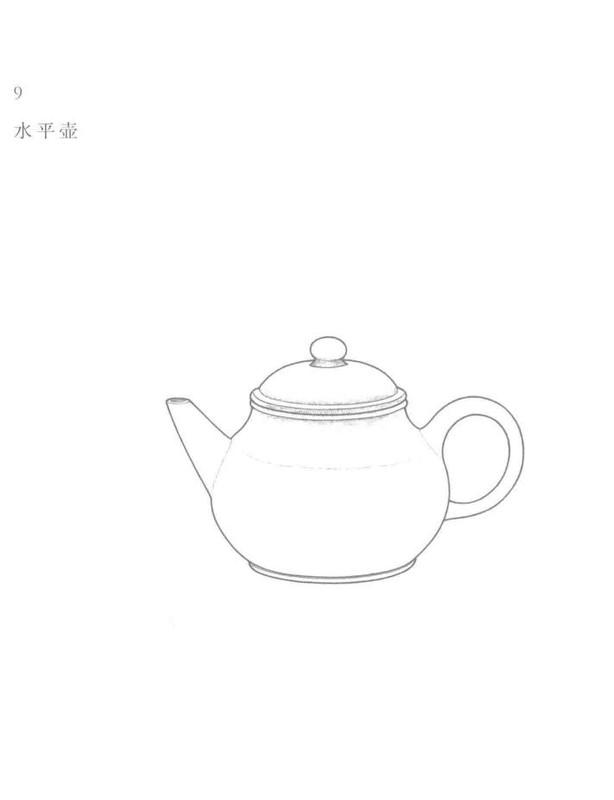
The defining characteristic of this teapot lies in its proportions and the relationship between its spout, handle, and lid. When you fill a Shuiping Hu with water and place it on a flat surface, you’ll notice something remarkable: the spout opening, the rim of the pot, and the top of the handle all align on the same horizontal plane. This isn’t just aesthetic precision—it’s functional genius that affects how the pot pours, how it feels in your hand, and how it sits on your tea table.
The Beauty of Restraint
Walk into any serious tea shop, and you’ll find Yixing pots that look like miniature sculptures—dragons coiling around handles, bamboo shoots forming spouts, surfaces carved with intricate poetry. The Shuiping Hu takes a different path. Its beauty emerges from proportion, from the gentle curve of its body, from the way light plays across its unadorned surface.
The body typically presents a rounded, slightly compressed form—imagine a sphere that’s been gently pressed from top and bottom. This shape isn’t arbitrary; it maximizes the pot’s internal volume while keeping the exterior compact and manageable. The spout extends in a smooth, confident arc, neither too aggressive nor too timid. It’s positioned to pour with authority while maintaining that crucial horizontal alignment with the pot’s other elements.
The handle curves in a way that feels natural when you lift the pot, distributing weight evenly across your fingers. Many Shuiping Hu designs feature a handle that mirrors the spout’s curve, creating a visual harmony that’s deeply satisfying even if you can’t quite articulate why. The lid sits flush with the pot’s rim, often with a simple button or bridge-style knob that’s easy to grip when the pot is hot.
What makes this design truly special is how all these elements work together. There’s no single feature that dominates—instead, everything exists in careful balance, each component supporting the others. It’s the kind of design that grows on you, revealing new subtleties the longer you live with it.
Roots in Tradition
The Shuiping Hu emerged during an era when Yixing pottery was transitioning from purely utilitarian ware to objects that balanced function with aesthetic consideration. While we can’t pinpoint an exact moment of creation, this design philosophy reflects the broader evolution of Chinese tea culture—a movement toward mindfulness, toward appreciating the tools of tea preparation as extensions of the tea experience itself.
Traditional Yixing craftsmen didn’t work from blueprints or standardized measurements. They developed an intuitive understanding of proportion and balance through years of practice, learning to judge by eye and feel when a pot achieved that perfect equilibrium. The Shuiping Hu represents the crystallization of this accumulated wisdom into a recognizable form that other potters could interpret and refine.
This wasn’t a pot designed for emperors or wealthy merchants showing off their collections. It was—and remains—a working pot, the kind that serious tea drinkers reach for when they want reliability and performance over showmanship. That practical heritage is part of its enduring appeal. When you use a Shuiping Hu, you’re connecting with generations of tea drinkers who valued the same qualities: a pot that pours cleanly, heats evenly, and feels right in the hand.
Finding Your Tea Match
One of the joys of Yixing pottery is how different pot styles seem to have natural affinities with certain teas. The Shuiping Hu, with its balanced proportions and moderate size, proves remarkably versatile, but it truly shines with certain categories of tea.
Oolong teas find a natural home in the Shuiping Hu. The pot’s rounded body provides excellent heat retention, which oolongs need to fully open and express their complex flavor profiles. Whether you’re brewing a roasted Wuyi yancha or a greener Taiwanese high-mountain oolong, the Shuiping Hu’s shape encourages even heat distribution, helping the leaves unfurl uniformly. The moderate size—most Shuiping Hu hold between 150-250ml—is perfect for the multiple short infusions that oolong brewing demands.
Aged white teas also pair beautifully with this pot style. These teas benefit from the Yixing clay’s ability to soften water and mellow harsh edges, while the pot’s efficient heat retention helps coax out the deep, complex flavors that develop during aging. The clean pour of a well-made Shuiping Hu means you can control your infusion times precisely, which matters when you’re working with expensive aged material.
Raw puer (sheng puer) is another excellent match, particularly for daily drinking sessions. The pot’s balanced design makes it comfortable for the extended brewing sessions that puer enthusiasts often enjoy, and the clay’s seasoning over time can help tame some of the astringency in younger raw puers while enhancing the complexity of more aged examples.
That said, the Shuiping Hu’s versatility means you shouldn’t feel constrained by these suggestions. Some tea drinkers dedicate their Shuiping Hu to black teas, appreciating how the pot’s heat retention brings out rich, malty notes. Others use them for green teas, though you’ll want to be more careful with water temperature to avoid cooking delicate leaves.
Brewing with Balance
Using a Shuiping Hu effectively means understanding and working with its design strengths. Here’s how to get the most from this classic pot:
Seasoning Your Pot: Before first use, give your Shuiping Hu a thorough rinse with hot water to remove any dust from storage. Then brew several pots of the tea you plan to dedicate it to, discarding these initial infusions. This begins the seasoning process, allowing the clay to absorb the tea’s character. Over time, your pot will develop a patina that enhances the tea’s flavor.
Water Temperature: The Shuiping Hu’s excellent heat retention means it maintains temperature well throughout your brewing session. For oolongs and black teas, use water just off the boil (around 95-100°C). For green teas or delicate oolongs, let your water cool to 80-85°C before brewing. The pot will hold this temperature effectively, giving you consistent results across multiple infusions.
Leaf Ratio: The rounded body of the Shuiping Hu means leaves have room to expand fully. Start with a leaf-to-water ratio of about 1:15 (for example, 6 grams of tea for a 90ml pot). Adjust based on the tea’s character and your taste preferences. The pot’s shape allows for good water circulation, so even tightly rolled oolongs will unfurl properly.
The Pour: This is where the Shuiping Hu’s design really shines. That horizontal alignment of spout, rim, and handle means the pot pours smoothly at a natural angle. You don’t need to tip it dramatically or struggle to get the last drops out. Hold the pot with your thumb on the lid knob (to keep it secure) and your fingers wrapped around the handle. Pour with confidence—a well-made Shuiping Hu should deliver a clean stream that cuts off crisply when you return the pot to vertical.
Between Infusions: After pouring, remove the lid to let the leaves breathe and cool slightly between infusions. This prevents over-steeping and gives you better control over flavor development. The Shuiping Hu’s wide opening makes this easy, and also allows you to observe the leaves as they unfurl—a small pleasure that deepens your connection to the tea.
Cleaning and Care: After your session, empty the leaves and rinse the pot with hot water only—never use soap, which the porous clay will absorb. Let the pot air dry completely with the lid off before storing. The clay will gradually darken and develop a lustrous patina with use, a visible record of all the tea sessions you’ve shared together.
Living with a Shuiping Hu
What makes the Shuiping Hu special isn’t any single dramatic feature—it’s the cumulative effect of many small design decisions, all working in harmony. This is a pot that rewards regular use, revealing its qualities gradually rather than all at once.
You’ll notice how comfortably it sits in your hand during long brewing sessions, how the weight feels balanced even when full. You’ll appreciate the clean pour that doesn’t dribble or splash, making your tea table a more peaceful place. You’ll observe how the pot seems to enhance certain notes in your tea while softening others, developing its own character as it seasons.
The Shuiping Hu teaches patience and attention. It’s not flashy enough to impress guests who don’t know tea, but fellow enthusiasts will recognize it as the choice of someone who values substance over style, who understands that the best tools often have the quietest presence.
In a world that often celebrates the extreme and the novel, the Shuiping Hu stands as a reminder that sometimes the most satisfying designs are those that simply do their job exceptionally well, without fanfare or pretension. It’s a pot that knows what it is and doesn’t try to be anything else—a quality that, in both teaware and life, deserves appreciation.
Whether you’re just beginning your journey into Yixing pottery or you’re a seasoned collector, the Shuiping Hu offers something valuable: a chance to experience tea through a vessel that embodies balance, proportion, and practical wisdom. It won’t be the most dramatic pot in your collection, but it might just become the one you reach for most often—and that, ultimately, is the highest compliment any teapot can receive.