瓢瓜壶
Explore this classic Yixing pottery design and its significance in tea culture
The Piaogua Hu: A Gourd-Shaped Treasure of Yixing Tradition
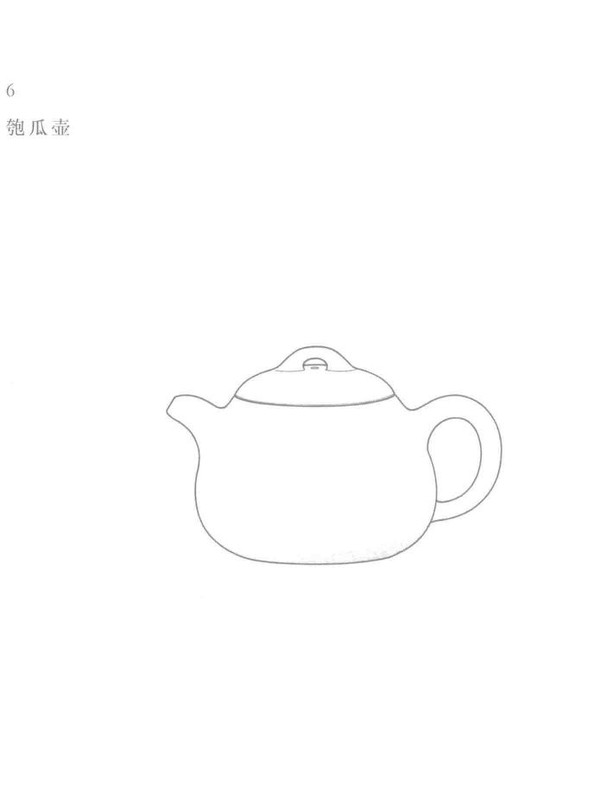
When you first encounter a 瓢瓜壶 (piáo guā hú), you might mistake it for a piece of fruit that wandered onto the tea table. This delightful Yixing teapot, whose name translates roughly to “gourd ladle pot” or “calabash pot,” captures the organic curves and natural charm of a ripening gourd. It’s one of those designs that makes you smile before you’ve even brewed your first cup—a reminder that the best tea vessels blend function with a touch of whimsy.
In the world of Yixing pottery, where dragons coil around handles and bamboo segments inspire entire collections, the Piaogua Hu stands out for its approachable elegance. It doesn’t demand reverence so much as invite companionship. This is a pot that feels equally at home in a formal gongfu tea ceremony or on a quiet Sunday morning when you’re brewing tea in your pajamas.
A Shape Rooted in Nature and Symbolism
The gourd has occupied a special place in Chinese culture for millennia. Long before anyone thought to shape purple clay into its likeness, gourds served as practical containers—for water, wine, medicine, and yes, even tea. Taoist immortals carried them on their wanderings, and the gourd became associated with longevity, prosperity, and protection from evil spirits. When you pour tea from a Piaogua Hu, you’re participating in a symbolic tradition that stretches back through countless generations.
The pot’s body mimics the natural bulbous form of a bottle gourd, with a rounded lower section that swells gently before tapering toward the shoulder. Some versions emphasize the gourd’s characteristic waist, creating an hourglass silhouette that’s both feminine and sturdy. The spout typically curves outward like a vine tendril, while the handle arches gracefully to mirror the body’s organic lines. It’s a design that looks effortless—which, of course, means it requires considerable skill to execute properly.
What makes the Piaogua Hu particularly appealing is its sense of movement. Unlike geometric designs that sit with static dignity, this pot seems to have grown into its shape. The surface might feature subtle ridges that suggest the gourd’s natural segments, or it might be perfectly smooth, allowing the clay’s texture to speak for itself. Some potters add a small stem or leaf detail at the lid, completing the botanical illusion.
The Clay Speaks: Yixing’s Purple Sand Legacy
Every Piaogua Hu begins with Yixing’s famous zisha clay—literally “purple sand,” though the color spectrum ranges from deep chocolate to warm honey to dusty rose. This clay, found only in the region around Yixing in Jiangsu Province, possesses qualities that have made it the gold standard for teapots since the Ming Dynasty.
The magic lies in the clay’s porosity. Unlike glazed ceramics that create an impermeable barrier, Yixing clay breathes. It absorbs tiny amounts of tea with each brewing, gradually developing a patina that tea lovers call “tea memory.” Over months and years of use, your Piaogua Hu becomes seasoned, subtly enhancing the flavor of your tea in ways that are difficult to quantify but impossible to deny.
The traditional crafting process involves no potter’s wheel. Instead, artisans use a technique called “da shen tong” (打身筒), literally “beating the body cylinder.” They roll clay into slabs, cut precise shapes, and join them together with slip, smoothing and refining until the pot emerges. For a form as organic as the Piaogua Hu, this requires an intimate understanding of how clay moves and settles. The potter must anticipate how the curves will interact, ensuring that the spout pours cleanly, the lid fits snugly, and the overall proportions feel balanced in the hand.
A Design for the Ages
While we can’t pinpoint the exact moment the first Piaogua Hu was created, the design belongs to Yixing’s classical repertoire—those time-tested forms that have survived because they simply work. The gourd motif appears throughout Chinese decorative arts, so it’s natural that Yixing potters would eventually translate it into teapot form.
What’s remarkable is how the design has remained relevant across centuries. In an era when some Yixing pots feature LED lights or abstract modern shapes, the Piaogua Hu continues to appeal to traditionalists and newcomers alike. It represents a sweet spot in teapot design: distinctive enough to be interesting, but not so elaborate that it overshadows the tea itself.
The pot’s enduring popularity also speaks to its versatility. A well-made Piaogua Hu works for daily brewing or special occasions. It looks beautiful on a display shelf but truly comes alive when put to use. This isn’t a museum piece—it’s a working pot that happens to be lovely.
Finding the Perfect Tea Match
One of the joys of Yixing pottery is matching pots to teas, and the Piaogua Hu offers delightful flexibility. The key consideration is the clay body and capacity. Most Piaogua Hu pots fall into the small to medium range—typically 150 to 250 milliliters—making them ideal for solo sessions or intimate gatherings.
Oolong teas are perhaps the most natural pairing. The pot’s rounded body provides ample room for rolled oolong leaves to unfurl, while the clay’s heat retention supports the multiple infusions that oolongs demand. A roasted Wuyi yancha (rock oolong) develops gorgeous depth in a well-seasoned Piaogua Hu, with the pot’s tea memory adding layers of complexity to the mineral-rich brew. Lighter oolongs like Tieguanyin also shine, their floral notes preserved by the clay’s gentle interaction.
Aged white teas find a welcoming home in the Piaogua Hu as well. The pot’s shape allows the leaves to expand fully, while the porous clay helps mellow any rough edges in the tea’s character. If you’re working with a white tea that’s been aging for five or ten years, the Piaogua Hu will help coax out its honeyed sweetness and subtle earthiness.
Raw puerh (sheng puerh) is another excellent match, particularly if you’re brewing younger vintages that benefit from a bit of softening. The clay’s breathability helps tame astringency while preserving the tea’s essential character. As your pot seasons with puerh, it develops a patina that enhances future brewings—though purists often dedicate separate pots to different tea categories.
Red teas (what the West calls black tea) work beautifully too, especially Yunnan dianhong or Fujian’s Zhengshan Xiaozhong. The Piaogua Hu’s heat retention brings out these teas’ natural sweetness and malty notes without emphasizing bitterness.
What about green tea? Here, opinions divide. Some tea lovers reserve their Yixing pots exclusively for oxidized teas, arguing that green tea’s delicate character gets lost in the clay’s embrace. Others find that a well-chosen Piaogua Hu—particularly one made from lighter-colored clay—can actually enhance certain green teas. If you’re curious, experiment with a robust green like Taiping Houkui rather than a delicate Longjing.
Brewing with Your Piaogua Hu: Practical Wisdom
Bringing a Piaogua Hu into your tea practice is the beginning of a relationship. The pot will change with use, and your brewing technique will evolve as you learn its quirks and capabilities.
Initial preparation matters. When your pot arrives, rinse it thoroughly with hot water to remove any dust from shipping. Then brew several pots of inexpensive tea—the same type you plan to use regularly—and discard the liquor. This “opens” the clay, preparing it to absorb tea oils and develop its patina. Some people boil their new pots gently with tea leaves, but a simple rinse and several brewing sessions work just as well.
Temperature control is crucial. Yixing clay retains heat beautifully, which is wonderful for oolongs and puerh but can scorch delicate teas. Preheat your Piaogua Hu by filling it with hot water before brewing. This ensures even heat distribution and prevents thermal shock. For teas that prefer cooler water, let your kettle cool slightly before pouring, or use the preheating water to lower the temperature.
Leaf quantity requires adjustment. The Piaogua Hu’s rounded body means leaves have room to expand, so you might use slightly less tea than you would in a gaiwan of similar capacity. Start with your usual ratio, then adjust based on results. The pot’s shape also affects infusion time—the broad body allows water to circulate freely, potentially extracting flavor more quickly than in a taller, narrower vessel.
Pouring technique reveals the pot’s personality. A well-made Piaogua Hu should pour cleanly without dribbling, with the stream cutting off sharply when you return the pot to vertical. The curved spout creates a graceful arc. Pour with confidence—hesitant pouring often leads to drips. If your pot does dribble slightly, don’t despair; this sometimes improves as the clay seasons and the spout’s interior develops a tea coating.
Cleaning should be minimal. After each session, empty the leaves and rinse the pot thoroughly with hot water. Never use soap, which the porous clay will absorb and impart to future brews. Let the pot air dry completely with the lid off before storing. The interior will gradually darken with use—this is the tea patina developing, not dirt. Embrace it.
Dedication is traditional but optional. Many serious tea drinkers dedicate each Yixing pot to a single tea type or even a specific tea. This allows the pot’s tea memory to develop in a focused direction, theoretically enhancing that particular tea’s character. Others use their pots more flexibly, switching between similar teas. There’s no wrong approach—it depends on your collection size and brewing habits.
Living with Your Piaogua Hu
Beyond the technical aspects, owning a Piaogua Hu means welcoming a beautiful object into your daily life. The pot’s organic form makes it a pleasure to handle. The way it fits in your palm, the smooth curve of the handle against your fingers, the satisfying weight as you pour—these tactile experiences become part of your tea ritual.
Watch how the clay changes over time. The surface develops a subtle sheen, a gentle luster that comes from tea oils and the natural oils from your hands. Some areas darken more than others, creating a map of use that’s unique to your brewing habits. This patina, called “bao jiang” (包浆), is prized by collectors and users alike. It’s proof of a pot well-loved and frequently used.
The Piaogua Hu also serves as a conversation starter. Guests inevitably comment on its charming shape, which opens the door to discussions about Yixing pottery, Chinese tea culture, and the pleasures of mindful brewing. It’s a pot that invites questions and stories.
Choosing Your Piaogua Hu
If you’re considering adding a Piaogua Hu to your collection, a few guidelines can help. First, handle the pot if possible. It should feel balanced and comfortable. The lid should fit snugly without being difficult to remove. When you pour water through it, the stream should be smooth and controlled.
Examine the craftsmanship. Seams should be nearly invisible, and the surface should feel refined without being overly polished. The spout, handle, and body should align visually—imagine a line running through all three elements. The lid’s knob (often shaped like a small gourd stem) should be proportional and comfortable to grasp.
Consider the clay color and texture. Darker clays generally suit more oxidized teas, while lighter clays work well across a broader range. The clay should have a natural, matte appearance rather than looking artificially shiny, which might indicate chemical treatment or excessive polishing.
Price varies enormously in the Yixing market, from affordable factory-made pots to artist pieces commanding thousands of dollars. For your first Piaogua Hu, a mid-range pot from a reputable dealer offers the best balance of quality and value. You want genuine Yixing clay and decent craftsmanship, but you don’t need a famous artist’s signature to brew excellent tea.
The Gourd’s Gift
Ultimately, the Piaogua Hu represents something essential about tea culture: the marriage of beauty and utility, tradition and personal expression. This isn’t a pot that demands you approach tea with solemn reverence. Instead, it invites you to find joy in the everyday ritual of brewing and drinking.
Each time you fill your Piaogua Hu with leaves and hot water, you’re participating in a practice that connects you to centuries of tea lovers. The gourd shape links you to ancient symbols of abundance and longevity. The Yixing clay ties you to a specific place and its unique geological gifts. And the tea itself—well, that’s the point of it all, isn’t it?
A Piaogua Hu won’t automatically make you a better tea brewer, but it might make you a more mindful one. Its presence on your tea table serves as a gentle reminder to slow down, pay attention, and appreciate the small pleasures that make life richer. In our hurried world, that’s a gift worth treasuring—one gourd-shaped pot at a time.