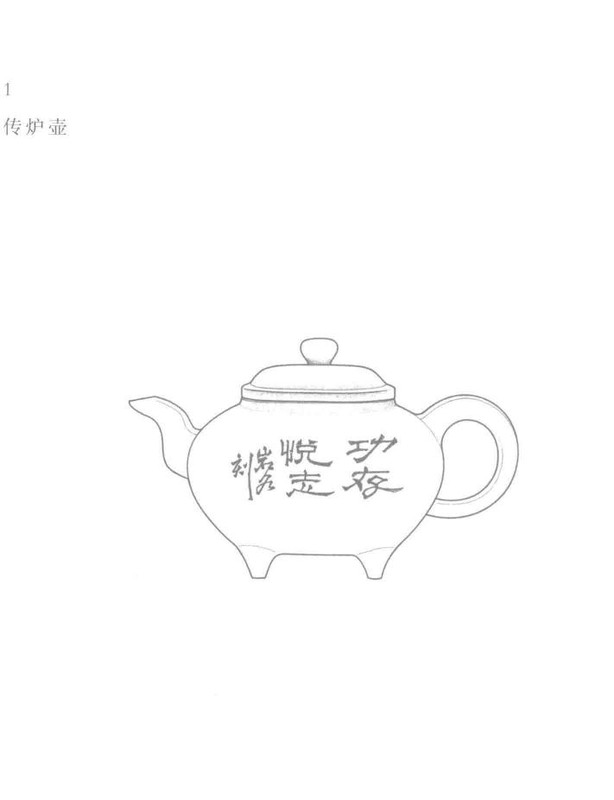
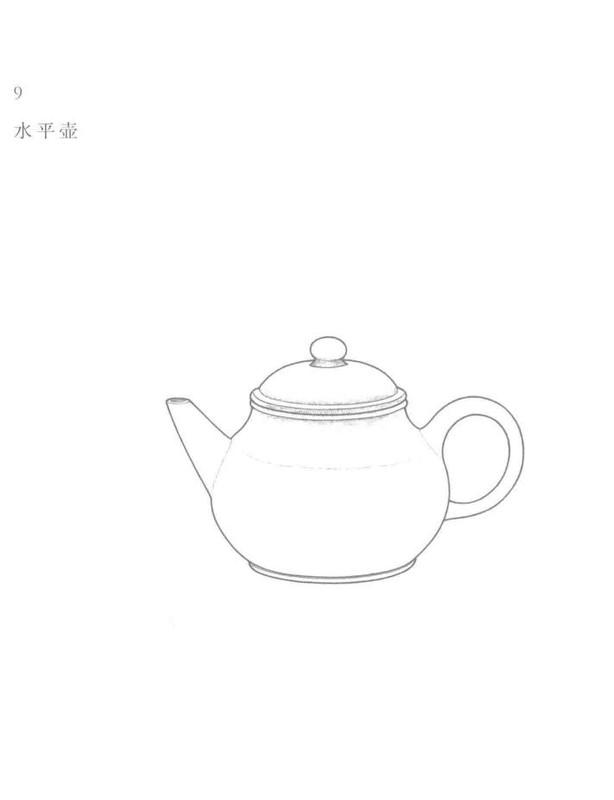
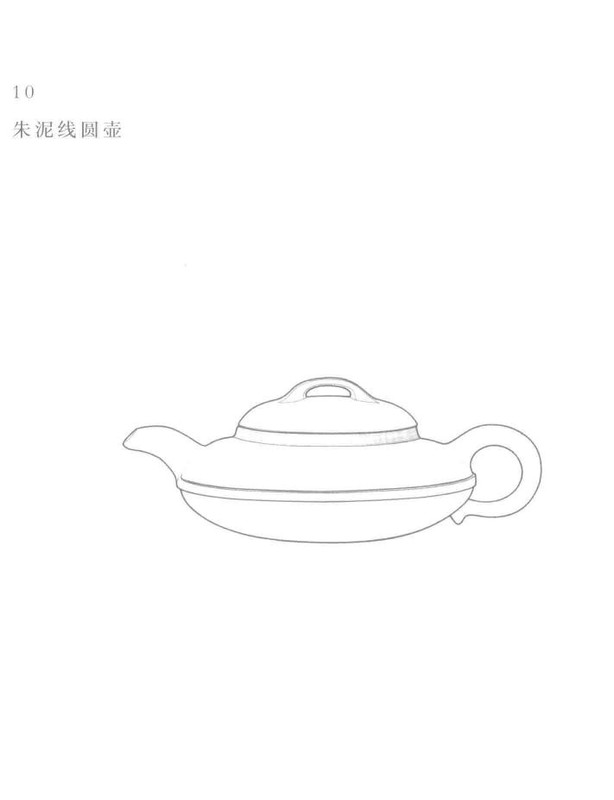
无法确定
Explore this classic Yixing pottery design and its significance in tea culture
The Timeless Art of Classic Yixing: A Journey Through Clay and Tea
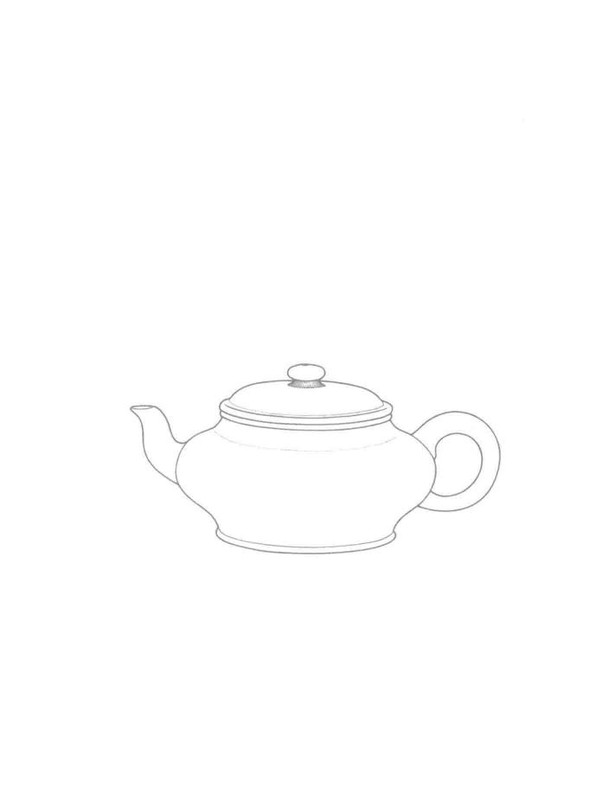
There’s something almost magical about holding a traditional Yixing teapot in your hands. The weight feels just right, the clay seems to breathe, and you can sense the centuries of tea culture embedded in its very form. While we may not know the specific Chinese name of this particular classic design, what we do know is far more important: this represents the heart and soul of Yixing pottery—a tradition that has elevated tea drinking from a simple beverage ritual to an art form.
The Soul of Purple Clay
Yixing teapots aren’t just vessels for brewing tea; they’re living companions that grow and evolve with every infusion. Made from the famous zisha (purple clay) of the Yixing region in Jiangsu Province, these teapots embody a philosophy that’s uniquely Chinese: the belief that the right tool, crafted with intention and used with care, can transform an everyday act into something transcendent.
The classic Yixing design we’re exploring today represents the foundational aesthetic that has inspired countless variations over the centuries. It’s the template from which innovation springs, yet it remains timelessly relevant. Think of it as the little black dress of the tea world—elegant, versatile, and never out of style.
A Clay Unlike Any Other
What makes Yixing pottery so special begins deep in the earth. The purple clay found in the hills around Yixing is a rare geological gift, a combination of minerals that creates a material with unique properties. When fired, this clay becomes porous at a microscopic level, allowing it to breathe while still holding water perfectly. This isn’t just poetic language—it’s actual science that tea drinkers have understood intuitively for generations.
The clay’s natural colors range from deep purple to warm brown, from sandy beige to rich red, depending on the specific mineral composition and firing temperature. A classic Yixing teapot often showcases these natural hues without glaze or decoration, letting the beauty of the material speak for itself. The surface develops a subtle sheen over time, polished by countless hands and enriched by the oils from tea leaves—a patina that cannot be rushed or faked.
The Architecture of Simplicity
Classic Yixing design follows principles that seem simple at first glance but reveal profound sophistication upon closer examination. The body is typically round or slightly flattened, a shape that allows tea leaves to tumble and unfurl freely during brewing. This isn’t arbitrary—the form follows function in the most elegant way possible.
The spout curves gracefully from the body, positioned to pour with precision and control. A well-made Yixing spout will deliver a steady stream that can be stopped cleanly without dripping—a detail that seems minor until you’ve experienced the frustration of a poorly designed alternative. The handle balances the weight of the filled pot perfectly, allowing you to pour with confidence and grace.
The lid fits snugly but not too tightly, with a small hole that allows air to escape as you pour. This seemingly simple feature prevents the vacuum effect that can make some teapots gurgle and sputter. When you lift a classic Yixing by its lid, the pot should remain attached—a traditional test of proper fit that craftspeople have used for centuries.
Traditional Craftsmanship: Where Hands Meet Clay
The creation of a traditional Yixing teapot is a meditation in itself. Unlike wheel-thrown pottery, Yixing teapots are typically constructed using the “da shen tong” (beating method), where slabs of clay are shaped and joined by hand. This technique allows for precise control over wall thickness and form, creating pots that are both strong and surprisingly light.
A master craftsperson can spend days on a single teapot, carefully shaping each element, ensuring perfect proportions, and refining every detail. The spout must align with the handle and lid opening—a trinity of points that should form a straight line when viewed from above. The interior is smoothed to prevent tea leaves from catching, while the exterior might be left with subtle tool marks that speak to its handmade origins.
This traditional craftsmanship isn’t about perfection in the modern sense. Small variations, slight asymmetries, and the marks of human hands are not flaws but signatures of authenticity. They remind us that we’re holding something made by a person, not a machine—an object infused with human intention and skill.
A Living History
While we may not know the exact era of this particular classic design, we can place it within the broader context of Yixing’s rich history. The tradition of making teapots from Yixing clay dates back to the Song Dynasty (960-1279 CE), but it truly flourished during the Ming Dynasty (1368-1644 CE) when tea drinking culture reached new heights of refinement.
The classic forms we recognize today were largely established during the Ming and Qing dynasties, when master potters like Shi Dabin and Chen Mingyuan created designs so perfect they’ve been copied and reinterpreted ever since. These weren’t just craftspeople—they were artists and philosophers who understood that a teapot could embody principles of harmony, balance, and natural beauty.
Traditional Yixing designs reflect Daoist and Buddhist influences, emphasizing simplicity, naturalness, and the beauty of unadorned materials. There’s a concept in Chinese aesthetics called “ziran” (自然), which means “self-so” or “natural”—the idea that the best art doesn’t force or contrive but allows the inherent qualities of materials and forms to express themselves. A classic Yixing teapot is ziran made tangible.
The Perfect Tea Companions
One of the most fascinating aspects of Yixing teapots is their ability to develop a relationship with specific types of tea. The porous clay absorbs trace amounts of tea oils with each brewing, gradually building up a seasoning that enhances future infusions. This is why serious tea enthusiasts dedicate individual Yixing pots to specific tea types—you wouldn’t want your delicate white tea tasting like yesterday’s robust pu-erh.
Classic Yixing designs work beautifully with a wide range of teas, but they truly shine with certain varieties:
Oolong Teas: The moderate porosity and heat retention of Yixing clay make these pots ideal for oolong, especially darker varieties like Da Hong Pao or Shui Xian. The clay helps maintain the optimal temperature for multiple infusions while softening any harsh edges in the flavor.
Pu-erh Teas: Both raw (sheng) and ripe (shou) pu-erh benefit from Yixing’s unique properties. The clay seems to mellow the earthiness of aged pu-erh while highlighting its complexity. Many collectors keep separate pots for raw and ripe pu-erh, as their flavor profiles are quite distinct.
Black Teas: Chinese black teas (called “red tea” in China) like Keemun or Dian Hong develop wonderful depth when brewed in Yixing. The clay’s heat retention helps extract the full body of these teas without bringing out excessive astringency.
Aged White Teas: While young white teas might be too delicate for Yixing, aged white teas (five years or older) develop a complexity that pairs beautifully with the clay’s character.
Brewing Wisdom: Getting the Most from Your Yixing
Using a classic Yixing teapot isn’t complicated, but there are some time-honored practices that will help you get the best results:
Seasoning Your Pot: Before first use, rinse your new Yixing pot with hot water several times. Some people like to simmer it gently with tea leaves, but simply brewing tea in it regularly will season it naturally over time. Patience is key—the pot will develop its character gradually.
Temperature Matters: Yixing clay retains heat well, so preheat your pot with hot water before brewing. This ensures your tea stays at the optimal temperature throughout the infusion. Pour out the preheating water just before adding your tea leaves.
The Right Ratio: A general guideline is to fill your pot about one-third full with dry tea leaves, but this varies by tea type. Tightly rolled oolongs need less space than fluffy white teas. Experiment to find what works for your taste.
Multiple Infusions: One of the joys of using a Yixing pot is exploring how tea evolves over multiple short infusions. Start with 30-60 seconds for the first brew, gradually increasing the time with each subsequent infusion. You might get 5-10 infusions from quality tea.
Cleaning and Care: After brewing, simply rinse your pot with hot water—no soap ever! The oils you’re trying to preserve would be stripped away by detergent. Let the pot air dry completely with the lid off before storing. Some people like to give their pots a “rest day” between uses, though this isn’t strictly necessary.
Building the Patina: Over months and years, your pot will develop a beautiful sheen called “bao jiang” (包浆). This patina is prized by collectors and represents the pot’s history of use. Some people gently brush their pots with leftover tea or tea-soaked cloths to enhance this effect, but regular use alone will create it naturally.
The Ritual and the Reward
Using a classic Yixing teapot transforms tea drinking from a casual habit into a mindful ritual. There’s something about the weight of the pot, the warmth of the clay, and the knowledge of its history that encourages you to slow down and pay attention. You’re not just making tea—you’re participating in a tradition that spans centuries and connects you to countless tea lovers who came before.
The beauty of a classic design is that it never demands attention but always rewards it. Unlike flashy or ornate pieces, a traditional Yixing pot reveals its qualities gradually. The more you use it, the more you appreciate the thoughtfulness of its proportions, the precision of its pour, and the way it seems to understand exactly what your tea needs.
A Companion for Life
Perhaps the most remarkable thing about a classic Yixing teapot is its potential for longevity—not just physical durability, but its ability to remain relevant and cherished across decades of use. While trends in tea ware come and go, these traditional designs endure because they’re rooted in something deeper than fashion: they’re expressions of fundamental truths about tea, clay, and the human desire to elevate everyday moments.
Your Yixing pot will outlive you if properly cared for, potentially becoming an heirloom that carries your tea memories into future generations. Each time you brew tea, you’re adding another layer to its story, another whisper to its accumulated wisdom. This isn’t just a teapot—it’s a companion on your tea journey, a teacher of patience and attention, and a daily reminder that beauty and function can be inseparable.
In a world that often prioritizes speed and convenience, choosing to brew tea in a traditional Yixing pot is a quiet act of resistance. It’s a declaration that some things are worth doing slowly, that craftsmanship matters, and that the tools we use shape not just our tea but our experience of being alive. That’s the true magic of classic Yixing design—it doesn’t just hold tea; it holds possibility, tradition, and the promise of countless perfect cups yet to come.