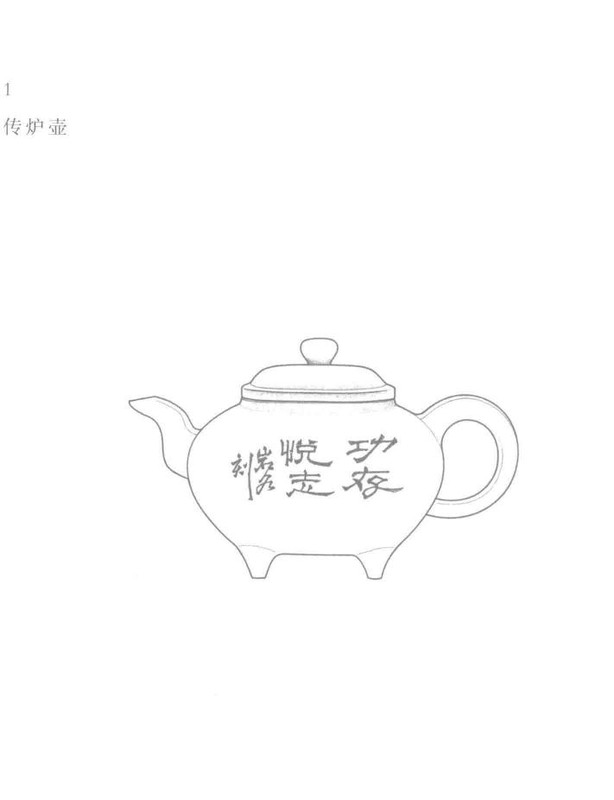
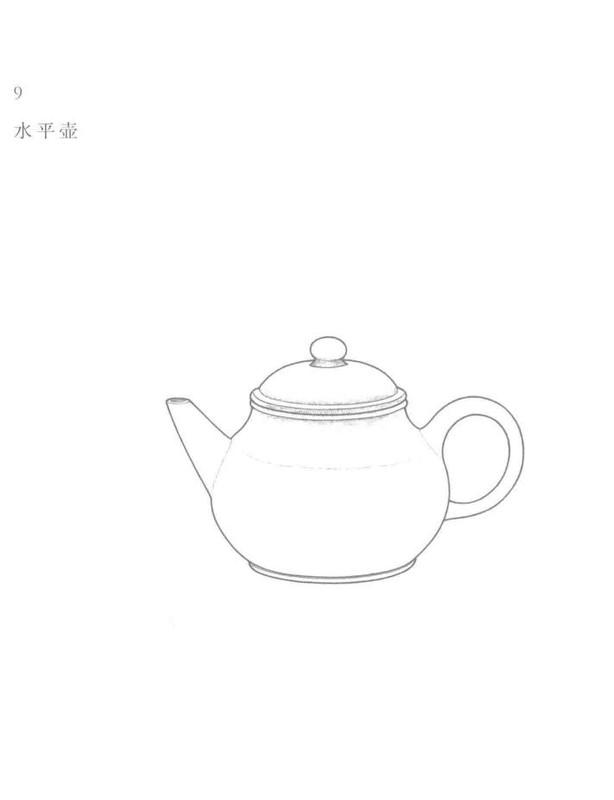
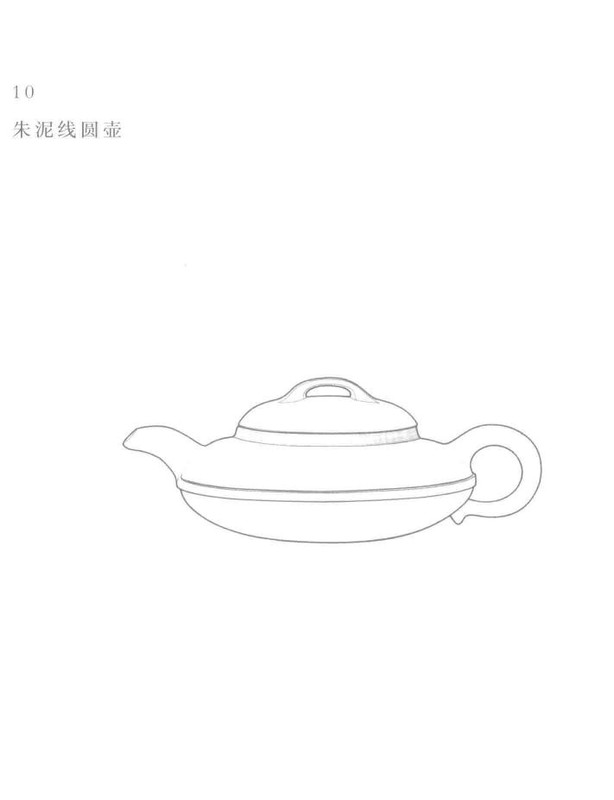
虚扁壶
Explore this classic Yixing pottery design and its significance in tea culture
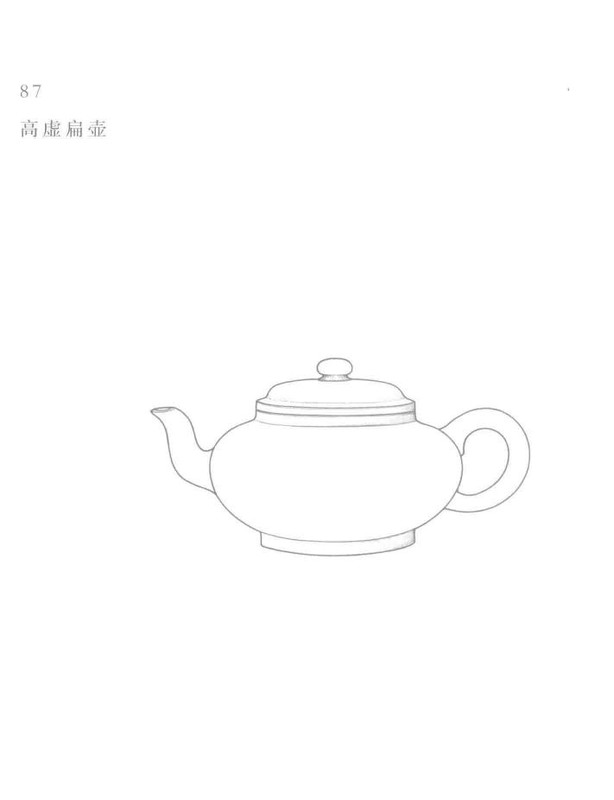
The Xu Bian Hu (虚扁壶): A Timeless Expression of Yixing Elegance
There’s something profoundly satisfying about holding a teapot that feels like it was designed by someone who truly understood the quiet ritual of brewing tea. The Xu Bian Hu—literally translated as the “Hollow Flat Pot”—is one of those designs that makes you pause and appreciate the thoughtfulness behind every curve and angle. This classic Yixing teapot has been gracing tea tables for generations, and once you understand its subtle brilliance, you’ll see why it continues to captivate tea enthusiasts today.
A Name That Tells a Story
The Chinese name 虚扁壶 (Xū Biǎn Hú) offers us immediate insight into this teapot’s character. “Xu” (虚) suggests emptiness or void—not in a negative sense, but in the philosophical way that speaks to space, potential, and the Daoist appreciation for what isn’t there as much as what is. “Bian” (扁) means flat or compressed, while “Hu” (壶) simply means pot or vessel.
Together, these characters paint a picture of a teapot that embraces a flattened, horizontal form—a design that prioritizes width over height, creating a sense of grounded stability. This isn’t a teapot that reaches skyward with ambition; instead, it sits comfortably on your tea table like a contented cat, perfectly at ease with itself.
The Visual Poetry of Flatness
When you first encounter a Xu Bian Hu, its most striking feature is its deliberately compressed profile. Imagine taking a traditional round teapot and gently pressing down on it from above—that’s the essential gesture that defines this design. The body sits low and wide, with a generous diameter that contrasts beautifully with its modest height.
This flattened form creates fascinating visual dynamics. The shoulder of the pot—that transition zone where the body begins to curve inward toward the lid—becomes more pronounced and deliberate. There’s often a subtle tension in this curve, a gentle resistance that suggests the pot is holding its shape with quiet determination rather than simply collapsing under imaginary pressure.
The spout typically emerges from this compressed body with elegant purpose. In many Xu Bian Hu designs, the spout maintains a relatively short length, keeping the overall composition balanced and preventing the pot from appearing front-heavy. The curve of the spout often echoes the gentle arc of the body, creating visual harmony that’s deeply satisfying to observe.
The handle, too, must work harder in this design. With a flatter body, the handle needs to provide adequate clearance for your fingers while maintaining proportional balance with the rest of the pot. Master craftsmen solve this challenge with handles that rise with confident grace, often featuring a subtle S-curve that’s both functional and beautiful.
The lid of a Xu Bian Hu deserves special attention. Because the opening sits atop a flattened form, the lid often features a low-profile design that doesn’t disrupt the horizontal emphasis of the piece. Some versions include a small, elegant knob that you can grip between thumb and forefinger; others feature a bridge-style handle that spans the lid opening like a miniature architectural element.
Roots in Tradition
The Xu Bian Hu belongs to the rich lineage of classical Yixing designs that emerged from centuries of ceramic innovation in China’s Jiangsu Province. While we can’t pinpoint an exact moment of origin for this particular form, it represents the kind of design thinking that flourished during periods when Chinese tea culture reached sophisticated heights.
Yixing teapots as we know them today began their ascent to prominence during the Ming Dynasty (1368-1644), when tea drinking evolved from the whisked powdered tea of earlier eras to the steeped whole-leaf method we’re familiar with today. This shift demanded new vessels—pots that could handle higher temperatures, retain heat effectively, and enhance rather than interfere with tea’s delicate flavors.
The flattened form of the Xu Bian Hu likely emerged from both aesthetic and practical considerations. From a visual standpoint, Chinese artistic traditions have long appreciated horizontal compositions that suggest stability, harmony with the earth, and philosophical groundedness. A flat teapot embodies these values in three-dimensional form.
Practically speaking, a wider, flatter pot offers certain advantages. The increased surface area of the body allows tea leaves more room to unfurl and move during steeping. The lower profile can also make the pot easier to handle and less prone to tipping—important considerations when you’re working with precious tea and boiling water.
The Magic of Yixing Clay
No discussion of any Yixing teapot would be complete without acknowledging the remarkable clay that makes these vessels so special. The Xu Bian Hu, like all authentic Yixing teapots, is crafted from zisha (紫砂)—literally “purple sand”—a unique clay found only in the Yixing region.
What makes this clay extraordinary is its porous nature. Unlike glazed ceramics that create an impermeable barrier between tea and pot, Yixing clay allows for subtle interaction. Over time and many brewing sessions, the pot absorbs trace amounts of tea oils and compounds, gradually developing what tea enthusiasts call a “seasoning.” This seasoning can actually enhance the flavor of tea brewed in the pot, adding depth and smoothness that’s difficult to achieve with other vessels.
The flattened form of the Xu Bian Hu means there’s more clay surface area in contact with your tea, potentially intensifying this seasoning effect. The wider body also retains heat differently than taller pots, creating a specific thermal environment that can influence how your tea develops during steeping.
Perfect Tea Pairings
So which teas sing in a Xu Bian Hu? The answer depends partly on the specific clay used and the pot’s capacity, but we can make some educated recommendations based on the design’s characteristics.
Oolong teas are often magnificent companions for this pot style. The wider body gives rolled oolong leaves—whether it’s a tightly balled Tieguanyin or a twisted Wuyi rock tea—plenty of room to expand and release their complex flavors. The heat retention of the flattened form helps maintain the consistent temperature that oolongs appreciate, while the clay’s porosity can soften any rough edges and enhance the tea’s natural sweetness.
Aged white teas also pair beautifully with the Xu Bian Hu. These teas benefit from the gentle, even heat distribution that the pot’s shape provides. The wider surface area allows the subtle, nuanced flavors of aged white tea to develop fully, while the clay adds a smoothness that complements the tea’s mellow character.
Ripe pu-erh (shou pu-erh) finds a welcoming home in this pot as well. The earthy, rich qualities of ripe pu-erh harmonize wonderfully with Yixing clay, and the Xu Bian Hu’s form allows the tea to breathe and evolve through multiple infusions. The pot’s ability to maintain steady heat helps extract the deep, complex flavors that make ripe pu-erh so satisfying.
Raw pu-erh (sheng pu-erh), particularly aged varieties, can also work well, though you’ll want to consider the specific clay type. The interaction between the tea’s astringency and the clay’s character can create beautiful results when properly matched.
Brewing Wisdom for Your Xu Bian Hu
If you’re fortunate enough to own or are considering acquiring a Xu Bian Hu, here’s some practical guidance to help you get the most from this classic design.
Seasoning your pot: Before first use, give your new Xu Bian Hu a proper introduction to its purpose. Rinse it thoroughly with hot water, then brew several pots of the tea you plan to dedicate it to (yes, ideally you’ll use your Yixing pot for one type of tea only). Discard these first brews—they’re for the pot, not for you. This process begins the seasoning journey and removes any clay dust or manufacturing residue.
Water temperature: The Xu Bian Hu’s heat retention characteristics mean you can be slightly more flexible with water temperature than you might be with other vessels. For oolongs, start with water just off the boil (around 95°C/203°F). For aged whites, you can go full boiling. For pu-erh, boiling water is generally ideal.
Leaf quantity: The wider body of the Xu Bian Hu means you might use slightly more leaf than you would in a taller pot of the same capacity. Start with your usual ratio and adjust based on results. The extra space allows leaves to expand fully, so don’t be afraid to be generous.
Steeping times: Begin with short infusions—10 to 15 seconds for the first steep—and gradually increase with each subsequent brewing. The pot’s shape and clay will influence extraction, so pay attention and adjust to your taste. Many teas will give you six, eight, or even more delicious infusions.
Pouring technique: The Xu Bian Hu’s flattened form and typically shorter spout mean you’ll want to pour with confidence. Tip the pot decisively to ensure a clean pour without drips. The wider body means the pot’s center of gravity is lower, making it quite stable during pouring.
Cleaning and care: After each session, rinse your pot thoroughly with hot water—no soap, ever. The clay is porous and will absorb soap, ruining your tea. Let the pot air dry completely with the lid off before storing. Over time, you’ll notice the exterior developing a subtle sheen—this patina is a badge of honor among tea enthusiasts, evidence of countless satisfying brewing sessions.
Why This Design Endures
In a world of constantly changing trends and innovations, the Xu Bian Hu remains relevant because it solves fundamental problems with elegant simplicity. Its flattened form isn’t a gimmick—it’s a thoughtful response to the needs of tea brewing, wrapped in aesthetics that have pleased the eye for generations.
There’s also something deeply human about this pot’s proportions. It doesn’t tower or dominate; it sits companionably on your tea table, inviting interaction. The wide body feels substantial in your hands without being heavy. The low profile creates an intimate brewing experience, bringing you closer to the tea itself.
For modern tea enthusiasts, the Xu Bian Hu offers a direct connection to centuries of tea culture. When you brew tea in this pot, you’re participating in a tradition that values patience, attention, and the quiet pleasure of doing something well. In our hurried age, that’s no small gift.
Finding Your Xu Bian Hu
If this classic design speaks to you, take your time finding the right pot. Authentic Yixing teapots vary widely in quality and price. Look for pots made by reputable artisans, with smooth, even clay texture and precise craftsmanship. The lid should fit snugly, the spout should pour cleanly, and the overall form should feel balanced in your hand.
Don’t be afraid to start with a more affordable pot while you’re learning. Even a modestly priced Xu Bian Hu from a skilled craftsman can provide years of brewing pleasure and help you understand whether this style suits your tea practice.
The Xu Bian Hu isn’t the flashiest teapot design, nor is it the most elaborate. But in its quiet, grounded way, it represents something essential about the tea experience: the beauty of simplicity, the value of tradition, and the deep satisfaction that comes from using a tool that’s been refined over generations to do one thing exceptionally well.
Pour yourself a cup, and discover why this flat little pot has been winning hearts for centuries.