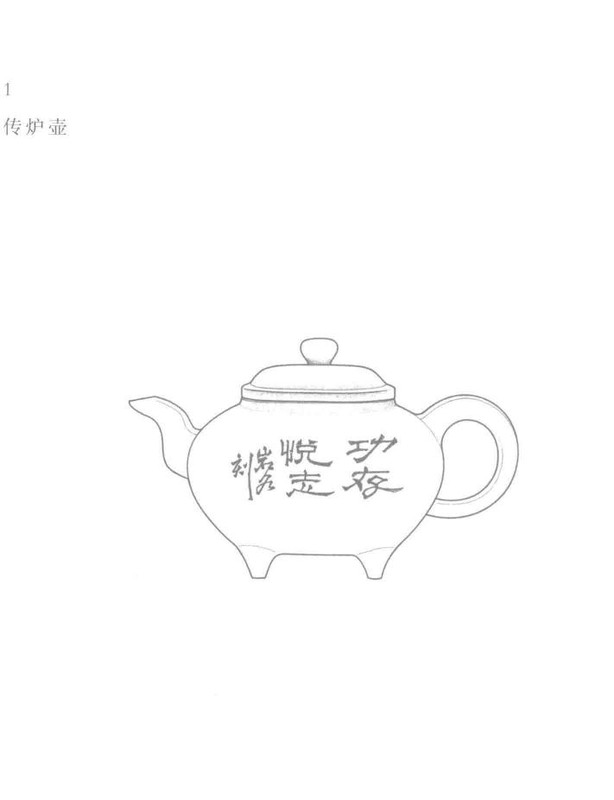
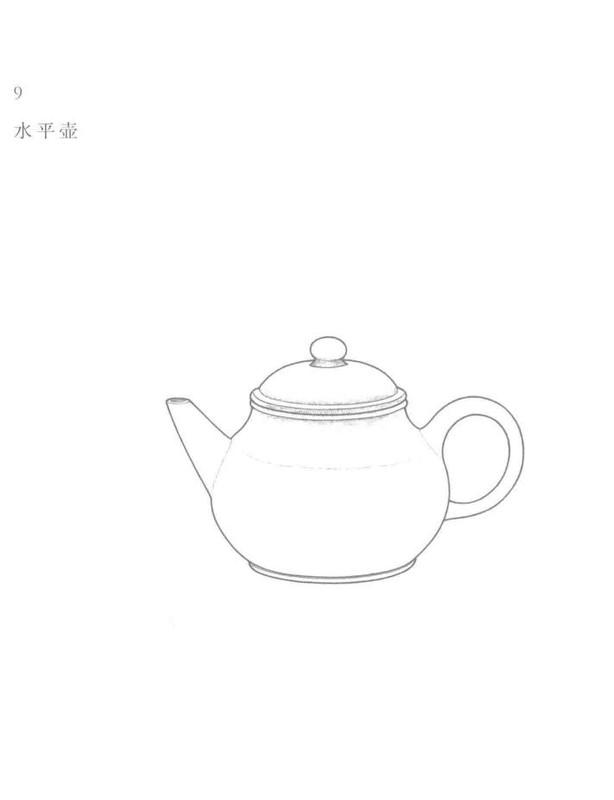
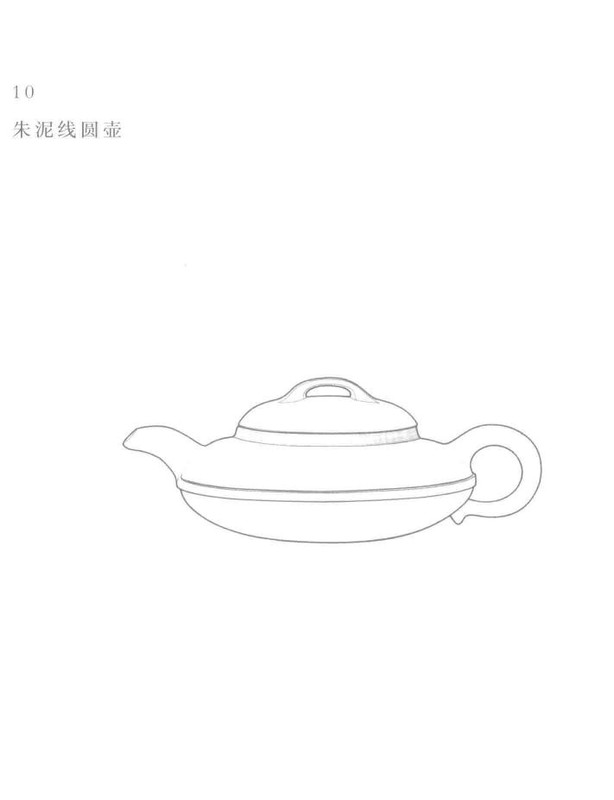
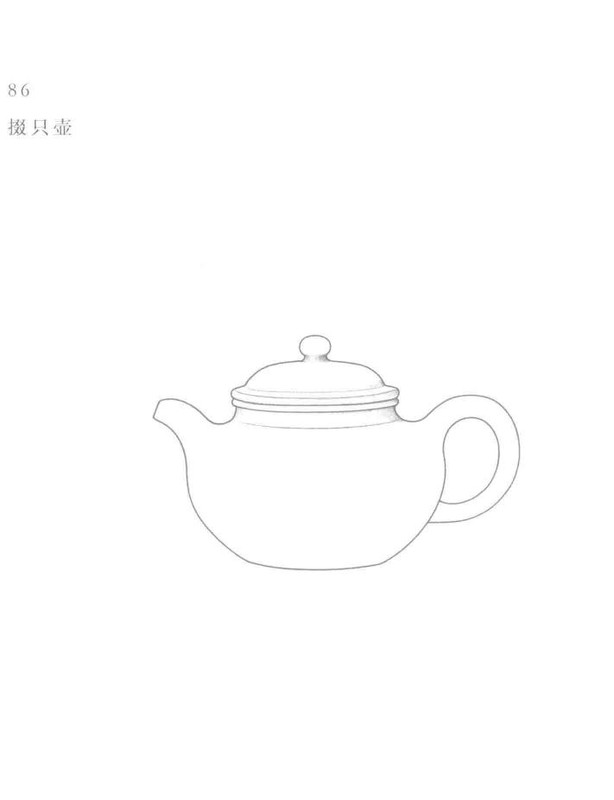
却求滤
Explore this classic Yixing pottery design and its significance in tea culture
The却求滤 (Què Qiú Lǜ): A Journey into Yixing’s Timeless Craft
When you hold a Yixing teapot in your hands, you’re not just touching clay—you’re connecting with centuries of Chinese tea culture. The 却求滤 (Què Qiú Lǜ) represents one of those beautiful intersections where artistry meets function, where ancient wisdom shapes modern ritual. Though its name might be unfamiliar to many Western tea enthusiasts, this classic design embodies everything that makes Yixing pottery so revered among serious tea drinkers.
Understanding the Name: 却求滤
The Chinese name 却求滤 carries layers of meaning that reveal the philosophy behind this teapot design. Breaking down the characters: 却 (què) suggests “yet” or “however,” 求 (qiú) means “to seek” or “to pursue,” and 滤 (lǜ) refers to “filtering” or “straining.” Together, they hint at a paradox—the pursuit of filtration, or perhaps the seeking of clarity through refinement. It’s a name that speaks to the very essence of tea brewing: the quest for purity and the perfect infusion.
This poetic naming convention isn’t unusual in Chinese pottery traditions. Craftsmen often chose names that reflected not just the physical form of their creations, but the spiritual journey of tea preparation itself. The 却求滤 invites us to consider how we filter not just tea leaves, but our thoughts and experiences through the meditative act of brewing.
The Visual Language of Classic Yixing
What makes a Yixing teapot instantly recognizable? It’s the warm, earthy tones of the clay, the smooth curves that fit naturally in your palm, and that distinctive unglazed surface that seems to breathe. The 却求滤 exemplifies these traditional characteristics while maintaining its own subtle personality.
Classic Yixing designs like this one typically feature clean, balanced proportions. The body might be round or slightly compressed, creating a stable base that sits confidently on your tea table. The spout curves gracefully outward, designed for a smooth, controlled pour that doesn’t drip or splash. The handle—whether it’s a side handle or an overhead loop—balances the weight perfectly, making the pot feel like an extension of your hand rather than a tool you’re wielding.
The surface texture of authentic Yixing clay is one of its most captivating features. Unlike glazed porcelain that reflects light sharply, Yixing’s unglazed surface has a matte quality that seems to absorb and soften light. Run your fingers across it, and you’ll feel a slight graininess—evidence of the clay’s mineral-rich composition. This isn’t a flaw; it’s a feature that allows the pot to “breathe” and interact with your tea in ways that glazed pottery simply cannot.
The lid of a 却求滤 fits snugly into the body, often with a satisfying click when you set it in place. This precision fit isn’t just for show—it helps maintain the proper temperature and prevents heat from escaping during steeping. Many traditional designs include a small hole in the lid for air circulation, a detail that demonstrates the deep understanding Yixing craftsmen had of fluid dynamics long before modern science explained the principles.
Roots in Traditional Chinese Tea Culture
Yixing pottery emerged from the Jiangsu province town of the same name, where unique purple clay deposits created possibilities that potters elsewhere could only dream of. While we don’t have specific dates for when the 却求滤 design first appeared, it belongs to a tradition that stretches back to the Song Dynasty (960-1279 CE), when tea culture began shifting from powdered tea ceremonies to the leaf-steeping methods we recognize today.
The Ming Dynasty (1368-1644 CE) marked the golden age of Yixing teapot development. As loose-leaf tea brewing became the dominant method, potters refined their craft to create vessels specifically designed for this purpose. The teapots became smaller, more personal—a shift from communal tea drinking to individual contemplation. This era established many of the classic forms that continue to influence designs like the 却求滤.
What made Yixing pottery revolutionary wasn’t just its beauty, but its functionality. The porous nature of the unglazed clay meant that with each brewing, the pot absorbed tiny amounts of tea oils and flavors. Over time, a well-used Yixing pot becomes “seasoned,” developing a patina that enhances future brews. This concept of a pot that improves with age resonated deeply with Chinese philosophical traditions that valued patience, dedication, and the accumulation of wisdom over time.
Traditional craftsmen would spend years perfecting their technique, learning to read the clay, understanding how different firing temperatures affected the final product, and developing an intuitive sense for proportion and balance. The 却求滤, as a classic design, represents the distillation of this accumulated knowledge—a form that has proven itself worthy of preservation through generations.
The Perfect Tea Pairings
One of the most important decisions you’ll make with any Yixing pot is which tea to dedicate it to. Because the clay absorbs flavors, serious collectors typically use each pot for only one type of tea, or at least one category. So what teas sing in a 却求滤?
Oolong Teas: The classic Yixing form excels with traditional oolongs, particularly those from the Wuyi mountains or Taiwanese high-mountain varieties. The pot’s heat retention helps these semi-oxidized teas open fully, releasing their complex flavor profiles. A good Tie Guan Yin or Da Hong Pao will reveal new dimensions when brewed in a seasoned Yixing pot, with the clay softening any harsh edges while amplifying the tea’s natural sweetness and floral notes.
Aged Pu-erh: If you’re a pu-erh enthusiast, a 却求滤 could become your most treasured brewing vessel. The earthy, fermented character of aged pu-erh harmonizes beautifully with Yixing clay’s mineral qualities. The pot’s ability to maintain consistent heat throughout multiple infusions makes it ideal for coaxing out the subtle evolution of flavors that aged pu-erh offers from steep to steep.
Black Teas: Chinese black teas (or red teas, as they’re called in China) like Keemun or Dian Hong also pair wonderfully with traditional Yixing designs. The pot’s heat retention brings out the malty sweetness and smooth body that characterize quality black teas, while the clay’s natural filtration helps clarify the brew.
What to Avoid: Generally, you’ll want to skip delicate green teas and white teas in a Yixing pot. These teas require lower temperatures and shorter steeping times, and the heat-retaining properties that make Yixing perfect for oolongs and pu-erh can actually damage the subtle flavors of greens and whites. Save those for your gaiwan or glass teapot.
Brewing Wisdom: Getting the Most from Your Pot
Owning a 却求滤 is just the beginning—learning to use it properly transforms it from a beautiful object into a true brewing partner. Here’s how to develop that relationship.
Seasoning Your New Pot: Before your first brew, your pot needs preparation. Rinse it thoroughly with hot water to remove any dust from storage. Then, fill it with water and let it sit overnight. The next day, boil the pot gently in water for about 30 minutes (make sure it’s fully submerged and won’t knock against the sides). This opens the clay’s pores and prepares it to absorb tea flavors. Some enthusiasts add tea leaves to this initial boiling, giving the pot its first taste of what’s to come.
The First Hundred Brews: Your pot will change noticeably over its first hundred uses. The clay will darken slightly, developing a subtle sheen as tea oils build up on the surface. Don’t rush this process—each brewing session is adding another layer to your pot’s character. Some people say you can taste the difference after just twenty or thirty brews, as the pot begins to “remember” your tea.
Temperature and Timing: Preheat your pot by filling it with hot water before adding tea leaves. This ensures consistent temperature throughout the brewing process. For oolongs, use water just off the boil (around 195-205°F). For pu-erh, you can go hotter, even boiling. The first infusion should be quick—just 10-15 seconds—to rinse the leaves and awaken them. Subsequent infusions can gradually increase in time, starting around 20-30 seconds and extending as the leaves give up their flavor.
The Gongfu Approach: Traditional Yixing pots are designed for gongfu-style brewing, which means multiple short infusions rather than one long steep. Fill your pot about one-third full with dry leaves (yes, that seems like a lot!). You might get 6-10 infusions from quality tea, each one revealing different aspects of the leaf’s character. This method isn’t just about extracting maximum flavor—it’s about the journey, the ritual, the meditation of repeated preparation.
Care and Maintenance: After each session, empty your pot completely and rinse it with hot water—no soap, ever. The clay is porous, and soap will be absorbed, ruining future brews. Let the pot air dry completely with the lid off before storing it. Some enthusiasts gently wipe the exterior with a soft tea-soaked cloth after brewing, gradually building up that prized patina.
The Patience Practice: Perhaps the most important advice is this: don’t rush. A Yixing pot rewards patience and consistency. Brew the same tea in it regularly. Pay attention to how the flavors evolve. Notice how the pot feels in your hand as its surface changes. This isn’t just about making tea—it’s about cultivating a practice, developing sensitivity, and creating a personal ritual that grounds you in the present moment.
Why It Matters Today
In our fast-paced world of instant everything, the 却求滤 represents something countercultural: the value of slowness, the beauty of imperfection, the wisdom of tradition. Using a traditional Yixing pot isn’t the most convenient way to make tea—you could just drop a bag in a mug and be done in two minutes. But convenience isn’t the point.
When you brew tea in a 却求滤, you’re participating in a ritual that connects you to centuries of tea drinkers who found meaning in these same movements. You’re working with a material that responds to your care, that changes and improves with use, that becomes uniquely yours. In a world of disposable goods, here’s something designed to last generations, to be passed down, to accumulate stories.
The classic design of the 却求滤 has endured because it works—not just functionally, but spiritually. It creates space for mindfulness in your day. It demands your attention and rewards it with better tea. It teaches patience through the slow development of its patina. It connects you to craft, to tradition, to the simple pleasure of doing something well.
For the tea enthusiast, a pot like this becomes more than a brewing vessel. It becomes a teacher, a companion, a daily reminder that some things are worth taking time for. In the pursuit of the perfect cup, we filter more than just tea leaves—we filter out the noise, the rush, the constant demands of modern life, finding clarity in the simple act of preparation.
That, perhaps, is the deepest meaning of 却求滤—the seeking of filtration, the pursuit of clarity, one mindful brew at a time.