mo 滤
Explore this classic Yixing pottery design and its significance in tea culture
The Mo Lü (滤): A Timeless Gateway to Traditional Chinese Tea Culture
There’s something profoundly satisfying about holding a piece of history in your hands while brewing your afternoon tea. The Mo Lü, whose name translates roughly to “filter” or “strain,” represents one of those beautiful intersections where function meets artistry in the world of Yixing pottery. While this classic design may not carry the fame of some of its more flamboyant cousins, it embodies everything that makes Yixing teaware so cherished among tea enthusiasts worldwide.
Understanding the Mo Lü’s Place in Tea History
The Mo Lü belongs to that special category of Yixing designs that have persisted through generations not because of flashy innovation, but because they simply work. Traditional Yixing pottery from the region surrounding Lake Tai in Jiangsu Province has been the gold standard for Chinese tea brewing for centuries, and the Mo Lü design carries forward this legacy with quiet confidence.
What makes this particular style noteworthy is right there in its name. The character 滤 (lü) speaks to the pot’s fundamental purpose: to filter and refine the tea-drinking experience. This isn’t just poetic language—it reflects a design philosophy where every curve, every angle, and every proportion serves the ultimate goal of extracting the perfect cup of tea.
Unlike some Yixing designs that emerged during specific dynastic periods or were created by individual master craftsmen whose names we know, the Mo Lü represents something more organic. It’s a design that evolved through the collective wisdom of countless potters, each one making small refinements based on how tea actually behaves when hot water meets leaves in a clay vessel.
The Visual Language of the Mo Lü
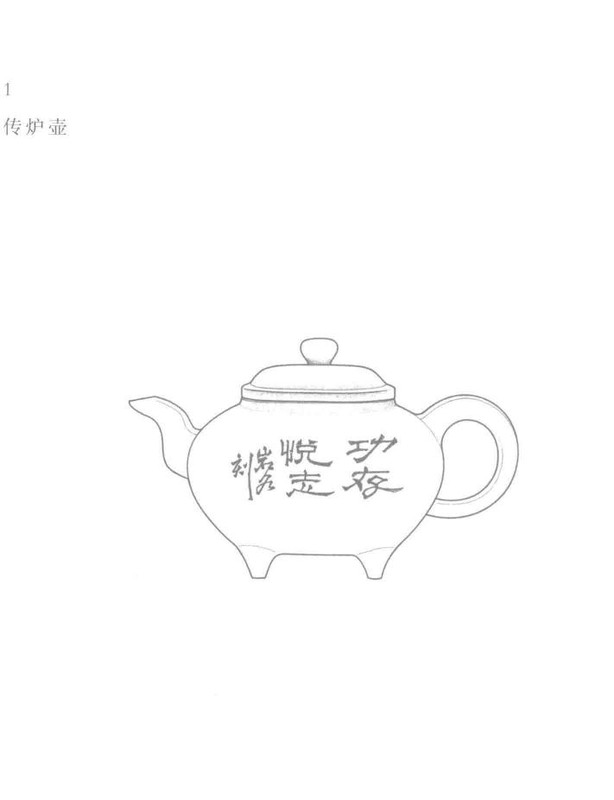
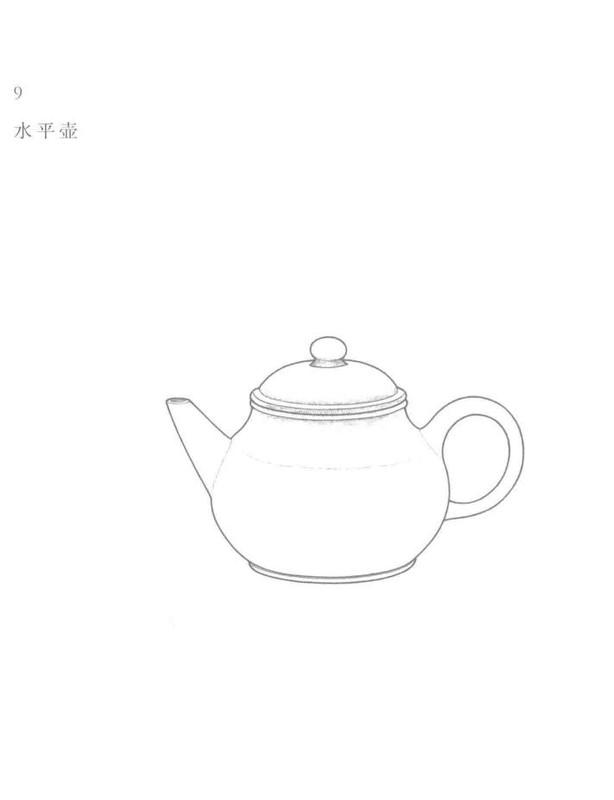
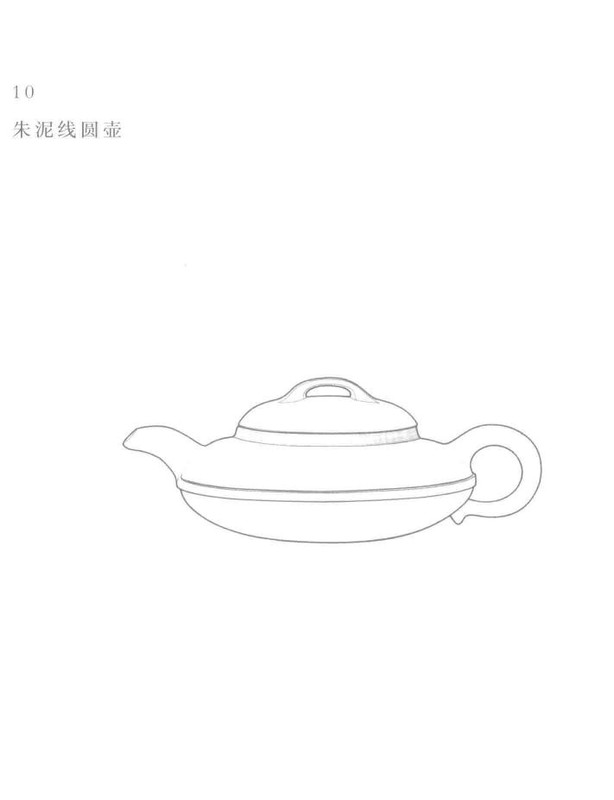
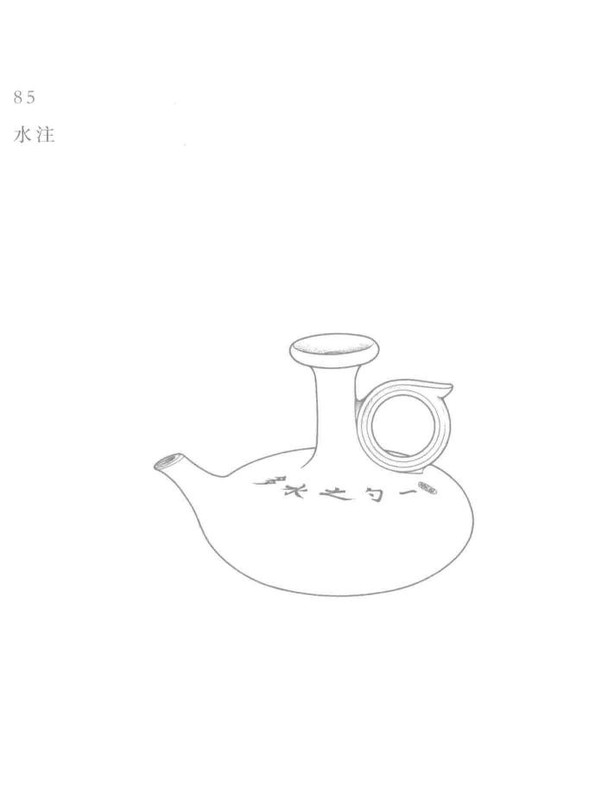
When you first encounter a Mo Lü teapot, you might be struck by its understated elegance. This isn’t a pot that shouts for attention with elaborate decorations or unusual proportions. Instead, it speaks in the quieter language of classical Chinese aesthetics—balance, proportion, and restraint.
The body typically presents a harmonious rounded form, neither too squat nor too elongated. This shape isn’t arbitrary; it creates an ideal environment for tea leaves to unfurl and circulate during steeping. The walls curve gently, allowing heat to distribute evenly while providing enough space for the leaves to express their full character without becoming cramped or compressed.
The spout deserves special attention. In keeping with the “filter” concept embedded in its name, the Mo Lü often features a carefully designed pouring mechanism that ensures a clean, controlled stream. The best examples achieve that perfect arc of liquid that tea lovers dream about—no drips, no sputtering, just a smooth flow that stops cleanly when you return the pot to upright position.
The handle, too, reflects thoughtful design. It’s positioned to provide comfortable balance when the pot is full, allowing you to pour with confidence and control. Many Mo Lü pots feature a handle that curves gracefully away from the body, giving your fingers plenty of room while maintaining the pot’s overall sense of proportion.
The lid is where you’ll often find subtle variations between different potters’ interpretations of the Mo Lü design. Some feature a simple domed top, while others incorporate a small knob or button that’s easy to grip. What they share is a precise fit—that satisfying moment when the lid settles into place with barely a whisper of clay on clay, creating a seal that helps regulate temperature and aroma during brewing.
The Magic of Yixing Clay
To truly appreciate the Mo Lü, you need to understand what makes Yixing clay special. This isn’t just any pottery material—it’s a unique type of clay known as zisha (purple sand) that has properties perfectly suited to tea brewing.
The clay is naturally porous at a microscopic level, which means it breathes. This porosity allows the pot to absorb tiny amounts of tea oils and flavors over time, gradually seasoning itself with each brewing session. This is why serious tea enthusiasts dedicate individual Yixing pots to specific types of tea—a pot used exclusively for aged pu-erh will develop a completely different character than one used for oolong.
The thermal properties are equally important. Yixing clay heats evenly and retains warmth beautifully, creating stable brewing conditions that help coax out the best qualities in your tea. Unlike porcelain or glass, which can feel almost clinical in their neutrality, a well-made Yixing pot becomes a partner in the brewing process, contributing its own subtle influence to the final cup.
The Mo Lü design takes full advantage of these material properties. Its proportions and wall thickness are calibrated to work with the clay’s natural characteristics, creating a brewing environment that’s neither too hot nor too cool, neither too fast nor too slow.
Pairing Tea with Your Mo Lü
One of the most common questions new Yixing owners ask is: “What tea should I brew in this pot?” For the Mo Lü, the answer is wonderfully flexible, though some teas will truly shine.
Oolong teas are perhaps the most natural match. The Mo Lü’s balanced proportions and even heat distribution make it ideal for the multiple infusions that oolong demands. Whether you’re working with a lightly oxidized Tie Guan Yin or a more heavily roasted Wuyi rock tea, the pot provides the stable environment these complex teas need to reveal their layers of flavor. The way the leaves unfurl in the generous body of a Mo Lü is almost meditative to watch during those brief moments when you lift the lid between infusions.
Aged pu-erh also finds a welcoming home in the Mo Lü. These teas, with their earthy depth and smooth body, benefit from the pot’s ability to maintain consistent temperature throughout multiple steepings. The clay’s porosity helps soften any rough edges in younger sheng pu-erh while allowing aged shou pu-erh to express its full, rich character.
Black teas, particularly Chinese varieties like Keemun or Dian Hong, work beautifully as well. The Mo Lü’s design helps these teas develop their characteristic malty sweetness without becoming astringent or bitter. The pot’s heat retention means your second and third infusions will be just as satisfying as the first.
What about green tea? Here’s where you might want to pause. While it’s certainly possible to brew green tea in a Mo Lü, the pot’s heat retention properties can be a bit too enthusiastic for delicate green teas that prefer cooler water and shorter steeping times. If you do choose to dedicate a Mo Lü to green tea, consider using it for heartier varieties like Dragonwell or Mao Feng rather than the most delicate spring pickings.
Brewing Wisdom: Getting the Most from Your Mo Lü
Owning a Mo Lü is just the beginning—learning to brew with it is where the real journey starts. Here’s what years of tea enthusiasts have learned about getting the best results from this classic design.
Seasoning your pot is the essential first step. When you first acquire a Mo Lü, it needs to be prepared for its life of tea service. Start by rinsing it thoroughly with hot water to remove any dust from storage. Then, fill it with boiling water and let it sit until cool. Repeat this several times. Some people like to do an initial brewing session with inexpensive tea of the type they plan to use regularly, discarding those first few infusions. This helps the pot begin developing its seasoning.
Temperature matters, but not in the way you might think. Yes, different teas require different water temperatures, but with a Yixing pot, you also need to consider the pot’s own temperature. Before brewing, warm your Mo Lü by filling it with hot water and letting it sit for a minute. This preheating ensures that when you add your tea and brewing water, the temperature stays stable rather than dropping suddenly.
Leaf quantity in a Mo Lü typically follows the general Yixing guideline of filling the pot about one-quarter to one-third full with dry leaves. The exact amount depends on the tea type and your personal preference, but the Mo Lü’s design gives leaves plenty of room to expand, so don’t be shy about using a generous amount.
Infusion timing is where the Mo Lü really shows its versatility. For oolong and pu-erh, start with very short infusions—sometimes just 10-15 seconds for the first steep. The pot’s efficient heat transfer means flavors extract quickly. Gradually increase the time with each subsequent infusion, and you’ll be amazed at how many excellent cups a single portion of quality tea can yield.
The pour is an art in itself. The Mo Lü’s spout design rewards a confident, steady pour. Don’t be tentative—tip the pot decisively and let the tea flow in a smooth arc. Many brewers like to pour in a circular motion among multiple cups to ensure even distribution of flavor, a technique called “gong dao bei” or fair cup pouring.
Caring for Your Mo Lü
A well-maintained Mo Lü can last for generations, literally. The care routine is simple but important.
After each brewing session, empty the leaves and rinse the pot thoroughly with hot water—no soap, ever. The clay’s porosity means it would absorb soap residue, which would then taint future brews. Let the pot air dry completely with the lid off before storing. This prevents any musty odors from developing.
Over time, you’ll notice your Mo Lü developing a patina, a subtle sheen that comes from the accumulated tea oils. This is a good thing—it’s the visible sign of a pot that’s being used and loved. Some enthusiasts gently wipe the exterior with a soft cloth during brewing sessions, which helps develop an even, beautiful finish.
Never put your Mo Lü in the dishwasher or microwave. The thermal shock could crack it, and the detergents would ruin its seasoning. Similarly, avoid sudden temperature changes—don’t pour boiling water into a cold pot or rinse a hot pot with cold water.
Why the Mo Lü Matters Today
In an age of precision temperature kettles and automated tea makers, you might wonder why anyone would choose a traditional clay pot like the Mo Lü. The answer lies in what it brings to the tea experience beyond mere function.
Brewing tea with a Mo Lü slows you down in the best possible way. It demands attention and rewards presence. You can’t just press a button and walk away—you need to be there, feeling the warmth of the pot, watching the color of the tea as it pours, adjusting your timing based on what you observe.
This isn’t inefficiency; it’s engagement. It’s the difference between consuming tea and experiencing it. The Mo Lü, with its centuries of refined design, becomes a tool for mindfulness, a bridge between our hectic modern lives and the contemplative tea traditions of ancient China.
Moreover, each Mo Lü develops its own character over time. The pot you use today will be subtly different a year from now, seasoned by hundreds of brewing sessions, carrying the memory of countless cups of tea. It becomes uniquely yours in a way that mass-produced teaware never can.
Finding Your Mo Lü
If this classic design speaks to you, take your time finding the right pot. Quality varies enormously in the Yixing market, and a genuine, well-made Mo Lü is an investment worth making carefully.
Look for pots made from authentic Yixing clay—the real material has a distinctive texture and weight that experienced hands can recognize. The craftsmanship should be evident in the details: a spout that aligns perfectly with the handle, a lid that fits precisely without wobbling, and a finish that feels natural rather than artificially glossy.
Don’t be afraid to start with a moderately priced pot while you learn. Even a mid-range Mo Lü from a skilled potter will serve you beautifully and help you understand what you value in a teapot before you invest in a more expensive piece.
The Last Word
The Mo Lü represents something increasingly rare in our world: a design that has remained essentially unchanged because it achieved near-perfection long ago. It doesn’t need updating or reimagining. It simply needs to be used, appreciated, and passed on to the next generation of tea lovers.
Whether you’re just beginning your journey into Chinese tea culture or you’re a seasoned enthusiast looking to deepen your practice, the Mo Lü offers a way to connect with centuries of tea wisdom. It’s not just a tool for making tea—it’s an invitation to slow down, pay attention, and find meaning in the simple, profound act of brewing and sharing a cup of tea.
In the end, that’s what the best teaware does: it disappears into the experience, becoming not an object you use but a partner in the ritual, helping you create moments of peace, connection, and genuine pleasure, one perfect cup at a time.