天鹅烟缸
Explore this classic Yixing pottery design and its significance in tea culture
The Swan Ashtray: A Curious Case of Yixing Misidentification
When a Smoking Accessory Masquerades as Tea Culture
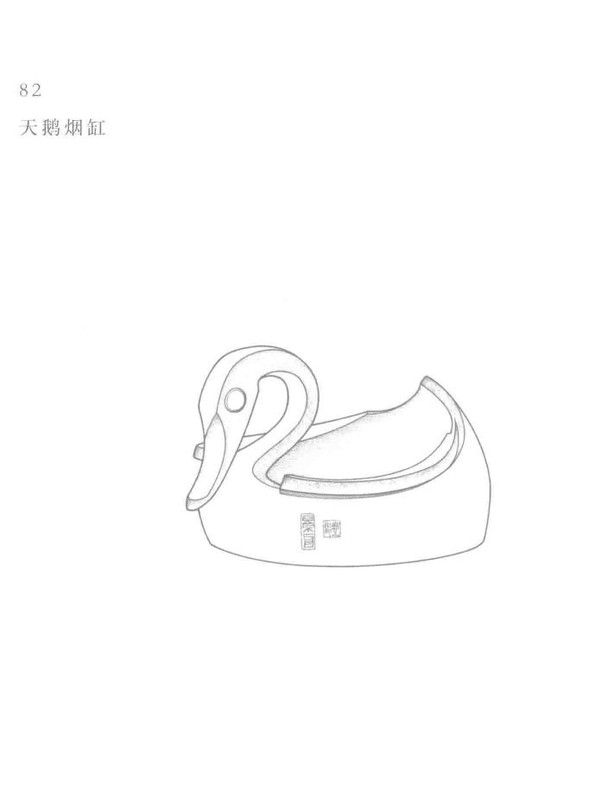
The Chinese name “天鹅烟缸” (tiān’é yāngāng) translates directly to “swan ashtray,” and here’s where we need to pause and address the elephant—or rather, the swan—in the room. Despite being cataloged as a “classic Yixing teapot design,” this piece is actually a decorative ashtray, not a vessel for brewing tea at all.
This mix-up offers us a fascinating glimpse into how objects can be misclassified across cultures and contexts, and it’s worth exploring why such confusion might occur—and what we can learn from it about authentic Yixing pottery.
Understanding the Real Identity
The swan ashtray represents a category of Chinese decorative ceramics that emerged during the mid-20th century, when ornamental smoking accessories became popular household items. These pieces were often crafted with the same attention to detail and artistic sensibility as traditional tea wares, which may explain the occasional confusion.
Authentic Yixing teapots are made from zisha clay (purple clay) mined from the Yixing region in Jiangsu Province. They’re prized for their porous nature, which allows them to absorb tea oils over time and develop a seasoned patina. An ashtray, by contrast, serves an entirely different function and wouldn’t possess the specific clay properties that make Yixing teapots so revered among tea enthusiasts.
The Swan Motif in Chinese Decorative Arts
While this particular piece isn’t a teapot, the swan imagery itself carries rich symbolism in Chinese culture. Swans represent grace, beauty, and fidelity—they mate for life, making them symbols of enduring love and partnership. In decorative arts, swan motifs often appeared on various household items throughout the 20th century, from vases to ashtrays to figurines.
The craftsmanship involved in creating a swan-shaped ashtray would have required skill similar to that used in pottery-making. Artisans would have sculpted the clay to capture the elegant curve of the swan’s neck, the texture of feathers, and the overall poise of this majestic bird.
What This Teaches Us About Authentic Yixing Teapots
This case of mistaken identity actually provides an excellent opportunity to discuss what genuine Yixing teapots look like and why they’re so special to tea culture.
Authentic Yixing Characteristics:
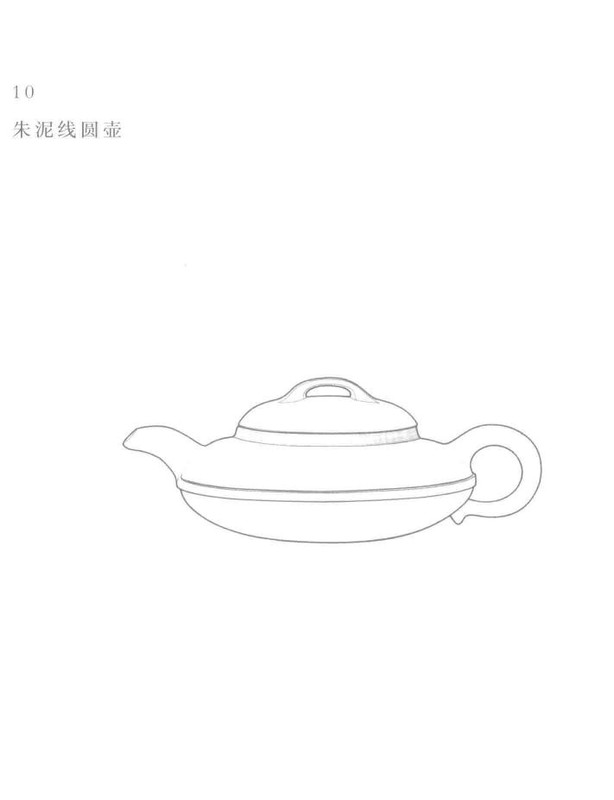
Real Yixing teapots are typically understated in their elegance. While some feature decorative elements, the focus is always on functionality and the quality of the clay. The zisha clay comes in various natural colors—purple, red, green, and yellow—depending on the mineral content and firing temperature.
The clay’s unique property is its porosity. Unlike glazed ceramics, Yixing pots are left unglazed on the interior, allowing the clay to breathe and interact with the tea. Over years of use, the pot develops a patina called “tea scale” that tea enthusiasts prize highly. Some collectors dedicate individual pots to specific tea types, believing the seasoned clay enhances the flavor profile.
Design Philosophy:
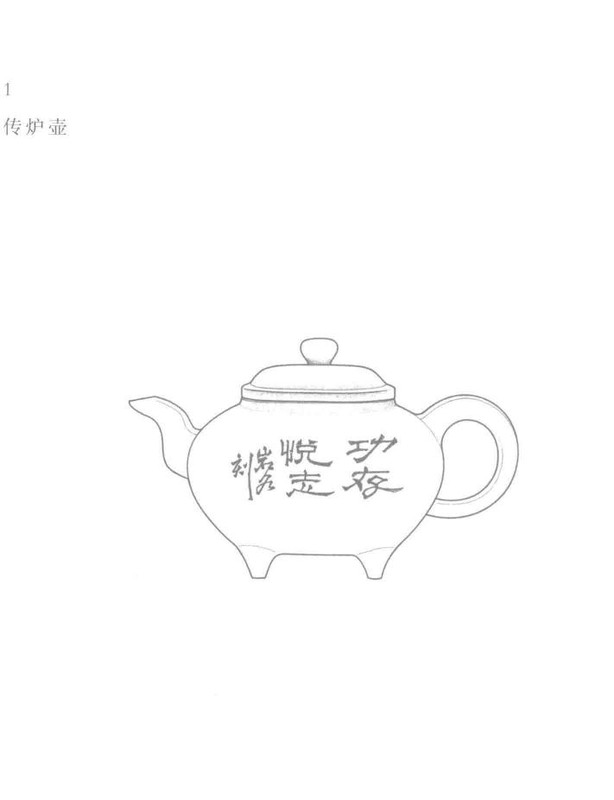
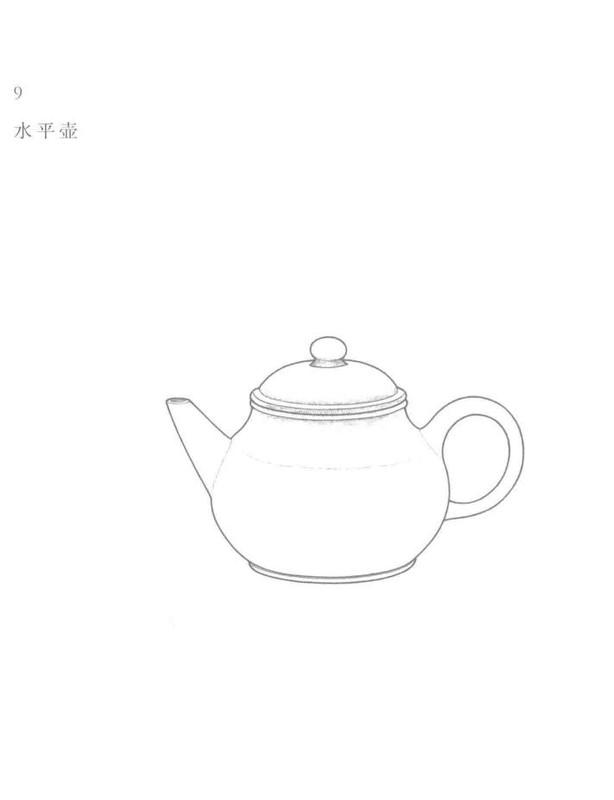
Traditional Yixing teapots follow several classic shapes: the round “xishi” pot named after the famous beauty Xi Shi, the angular “fanggu” (square drum), the elegant “shuiping” (water level), and many others. Each design has been refined over centuries to optimize the brewing experience—from the angle of the spout for smooth pouring to the fit of the lid for proper heat retention.
The Importance of Proper Identification
For tea enthusiasts building their collection, correctly identifying pieces is crucial. An authentic Yixing teapot represents an investment not just in money but in the brewing journey ahead. These pots improve with use, developing character and enhancing tea flavor over time.
Purchasing what you believe is a Yixing teapot only to discover it’s actually an ashtray (or made from the wrong type of clay, or mass-produced rather than handcrafted) would be disappointing. Here are some tips for identifying genuine Yixing ware:
Clay Quality: Authentic zisha clay has a distinctive grainy texture. When you run your finger across the surface, it should feel slightly rough, not smooth like porcelain. The clay should also have a matte finish rather than a glossy one.
Weight and Sound: Yixing pots have a particular heft to them—not too heavy, not too light. When you tap the pot gently with the lid on, it should produce a clear, resonant sound. A dull thud might indicate lower-quality clay or poor craftsmanship.
Maker’s Marks: Reputable Yixing artisans sign their work, typically on the bottom of the pot or inside the lid. These marks, or “chops,” can help authenticate a piece and trace its maker.
Price Point: While not foolproof, price can be an indicator. Genuine handmade Yixing teapots from skilled artisans start at several hundred dollars and can reach thousands. If a price seems too good to be true, it probably is.
The Value of Mistakes in Learning
Discovering that the “swan ashtray” isn’t actually a teapot shouldn’t diminish our appreciation for Chinese ceramic arts. Instead, it highlights the breadth and diversity of pottery traditions in China, where skilled artisans applied their craft to everything from sacred tea vessels to everyday household items.
This confusion also reminds us to approach tea culture with curiosity and a willingness to learn. Even experienced collectors sometimes encounter pieces that challenge their assumptions or require deeper investigation.
Building Your Yixing Collection Wisely
For those genuinely interested in acquiring Yixing teapots, here’s some practical advice:
Start with Research: Before making any purchase, educate yourself about Yixing pottery. Read books, visit museums with Chinese ceramic collections, and join online communities where experienced collectors share knowledge.
Buy from Reputable Sources: Purchase from established dealers who specialize in Yixing ware and can provide authentication. Avoid random online marketplaces where provenance is unclear.
Begin Modestly: Your first Yixing pot doesn’t need to be an expensive masterpiece. A well-made pot from a skilled but less famous artisan can serve you beautifully while you develop your palate and understanding.
Handle Before Buying: If possible, examine pots in person. Feel the clay, check the fit of the lid, test the pour. These tactile experiences teach you more than photographs ever could.
The Real Magic of Yixing Teapots
While the swan ashtray won’t brew your tea, authentic Yixing teapots offer something truly special to the tea experience. The unglazed clay interacts with tea in ways that other materials cannot, softening harsh notes and enhancing desirable flavors.
Different clay types suit different teas. Darker, more porous clays work beautifully with aged pu-erh and black teas, while lighter, denser clays complement oolongs and aged white teas. Green teas and delicate whites are typically better suited to porcelain or glass, as Yixing clay can sometimes overwhelm their subtle flavors.
The ritual of using a Yixing pot adds depth to tea practice. Each brewing session contributes to the pot’s development. Over time, you’ll notice how the pot changes—the clay darkens, develops a subtle sheen, and seems to “know” your tea. This relationship between brewer, pot, and tea is what makes Yixing ware so cherished.
Conclusion: Appreciating Authenticity
The case of the swan ashtray reminds us that in tea culture, as in life, things aren’t always what they seem at first glance. While this particular piece won’t enhance your brewing practice, the journey of discovering its true nature offers valuable lessons about authenticity, craftsmanship, and the importance of careful observation.
For tea enthusiasts, the pursuit of knowledge is as rewarding as the perfect cup. Whether you’re examining a potential Yixing purchase or simply deepening your understanding of tea traditions, approach each discovery with openness and curiosity.
And if you do happen to own a swan ashtray? Appreciate it for what it is—a piece of decorative ceramic art that reflects a different aspect of Chinese craftsmanship. Just don’t try to brew tea in it.
The real Yixing teapots are out there, waiting to become part of your tea journey. With patience, research, and perhaps a bit of guidance from experienced collectors, you’ll find the perfect pot to begin your own brewing story—one that will develop and deepen with every infusion.