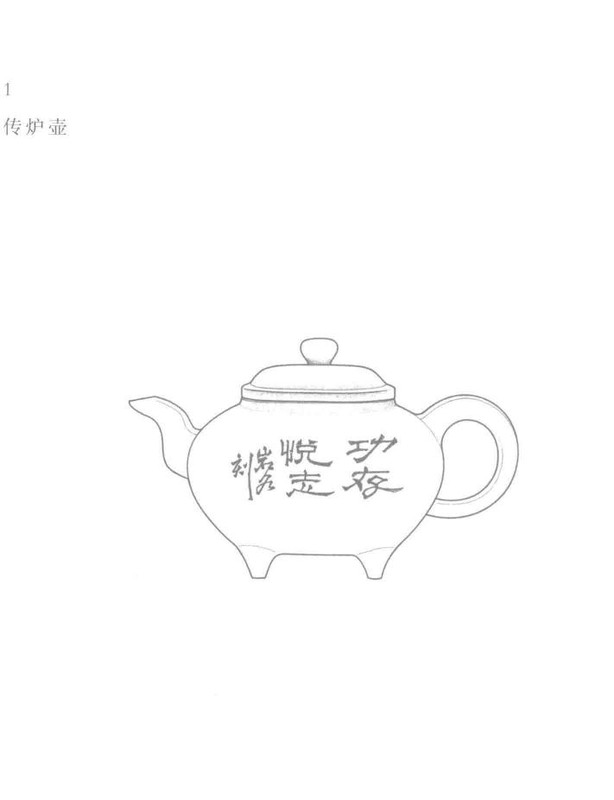
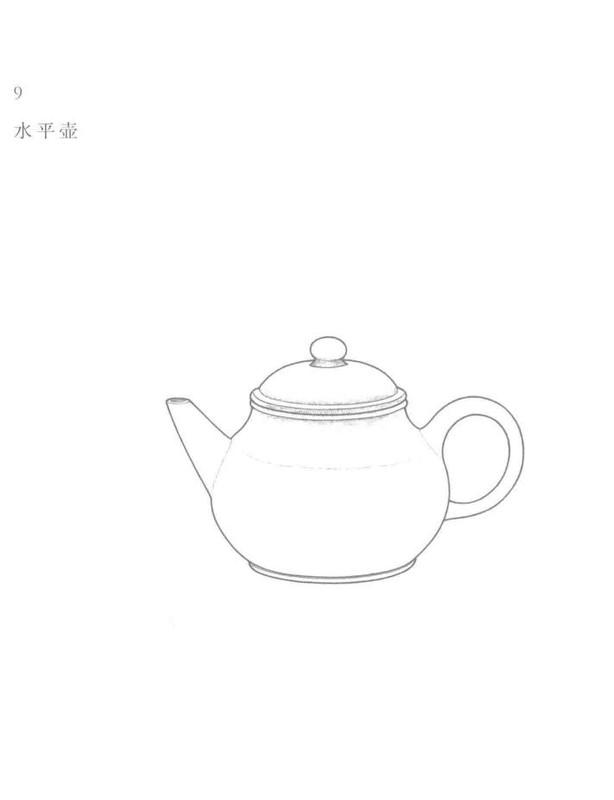
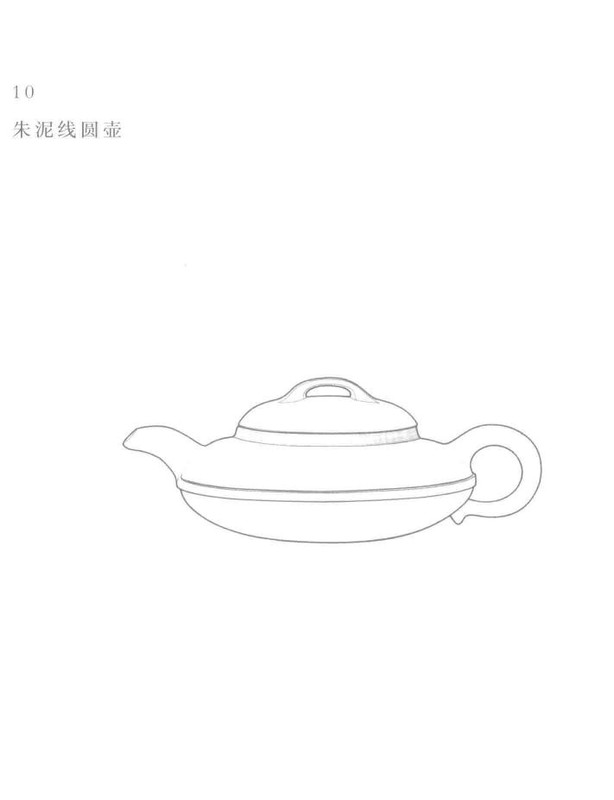
木瓜壶
Explore this classic Yixing pottery design and its significance in tea culture
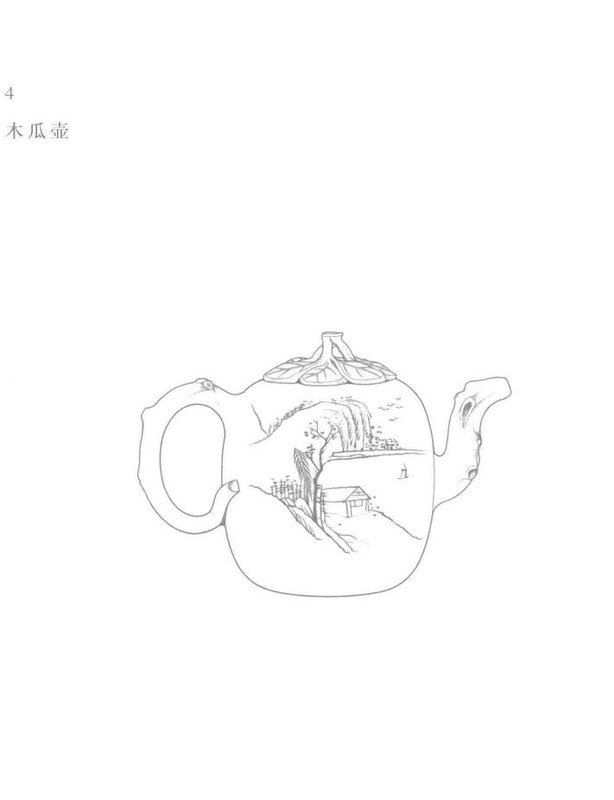
The Mugua Hu: Yixing’s Elegant Papaya-Shaped Teapot
When you first encounter a Mugua Hu (木瓜壶) sitting on a tea table, you might do a double take. This isn’t your typical round-bellied teapot. Instead, its body curves and segments in a way that immediately brings to mind the tropical fruit it’s named after—the papaya, or “mugua” in Chinese. It’s one of those designs that makes you smile, a playful yet sophisticated piece that bridges the natural world and the tea master’s art.
The Mugua Hu represents something special in the world of Yixing pottery: a design that takes inspiration directly from nature while maintaining all the functional excellence these teapots are famous for. Let’s explore what makes this papaya-shaped vessel such a treasured piece among tea enthusiasts.
A Shape Born from Nature’s Curves
The defining feature of the Mugua Hu is right there in its name. The body mimics the distinctive ribbed form of a papaya, with vertical segments that create a gentle, rhythmic pattern from base to shoulder. These aren’t just decorative lines—they’re carefully sculpted ridges that give the pot its character and visual movement.
When you hold a well-crafted Mugua Hu, you’ll notice how the segments create subtle valleys and peaks that catch the light differently throughout the day. In morning sun, the shadows between ribs deepen, emphasizing the pot’s dimensional quality. By afternoon, the clay’s natural sheen highlights the curves themselves. It’s a pot that changes personality with the light, never looking quite the same twice.
The spout typically emerges cleanly from the body, often with a slight upward curve that ensures a controlled pour. Traditional examples feature a comfortable handle that balances the pot’s weight perfectly—crucial when you’re pouring multiple infusions during a long tea session. The lid usually follows the body’s contours, sometimes with its own subtle ribbing that echoes the main form, creating visual harmony from every angle.
What’s particularly clever about this design is how those papaya-like segments aren’t just aesthetic. They actually increase the surface area of the pot slightly, which can influence how the tea brews and how quickly the pot cools between infusions. It’s this marriage of beauty and function that exemplifies the best of Yixing craftsmanship.
Roots in Traditional Chinese Aesthetics
The Mugua Hu belongs to a rich tradition of “fruit and vegetable” shaped teapots in Yixing pottery. Chinese artisans have long drawn inspiration from the natural world, creating teapots shaped like pumpkins, lotus pods, bamboo segments, and various fruits. This wasn’t mere whimsy—it reflected deep cultural values about harmony between human creation and natural forms.
In traditional Chinese culture, the papaya held symbolic significance. It was associated with longevity and health, making it an auspicious form for a teapot. When you served tea from a Mugua Hu, you weren’t just offering refreshment; you were extending wishes for your guest’s wellbeing. These layers of meaning made certain shapes particularly popular among scholars and tea connoisseurs.
The exact origins of the Mugua Hu design are difficult to pinpoint—as with many classical Yixing forms, it evolved over generations of potters, each adding their own refinements. What we know is that by the time Yixing pottery had reached its golden age during the Ming and Qing dynasties, fruit-shaped pots like the Mugua Hu were well-established in the repertoire of master craftsmen.
These pots were often commissioned by wealthy tea enthusiasts or created as demonstration pieces to showcase a potter’s skill. Shaping those clean, even segments requires considerable expertise. The clay must be worked while maintaining consistent wall thickness, and the segments must be symmetrical without looking mechanical. It’s the kind of challenge that separates competent potters from true masters.
The Clay That Makes It Special
Like all authentic Yixing teapots, the Mugua Hu is crafted from the region’s distinctive zisha clay—literally “purple sand.” This isn’t a single type of clay but rather a family of clays found in the Yixing region of Jiangsu Province, each with unique mineral compositions that affect color, texture, and brewing properties.
The most common clay types you’ll find in Mugua Hu teapots include:
Zini (purple clay): The classic choice, ranging from deep purple-brown to reddish-brown. This clay has excellent heat retention and develops a beautiful patina over time. Its slightly coarser texture makes it particularly good for aged teas.
Zhuni (vermillion clay): A finer, denser clay that fires to warm red and orange tones. Zhuni Mugua Hu pots are prized for their tight grain and high-pitched ring when tapped. They’re especially beloved for oolong teas.
Duanni (yellow clay): Firing to soft yellows and light browns, this clay is less common but creates stunning Mugua Hu pots with a gentler, more mellow character.
What makes zisha clay special isn’t just its appearance—it’s the microscopic structure. The clay is porous enough to “breathe,” allowing air exchange during brewing while still holding water. Over time, the clay absorbs trace amounts of tea oils, building up what tea lovers call “tea memory.” A well-seasoned Mugua Hu can actually enhance the flavor of tea brewed in it, adding subtle depth and smoothness.
The ribbed design of the Mugua Hu shows off the clay beautifully. Those segments create natural variations in how the clay fires, sometimes producing subtle color gradations that make each pot unique. A skilled potter knows how to orient the pot in the kiln to achieve the most pleasing effects.
Perfect Tea Pairings
One of the joys of owning a Mugua Hu is discovering which teas it brings to life. While Yixing teapots are famously versatile, certain characteristics of the Mugua Hu make it particularly well-suited to specific tea types.
Oolong Teas: This is where the Mugua Hu truly shines. The pot’s moderate size (most Mugua Hu range from 150-250ml) is perfect for gongfu-style oolong brewing. The clay’s heat retention helps maintain the consistent temperatures that bring out oolong’s complex aromatics. Try it with:
- Traditional Tieguanyin for its floral notes
- Dancong oolongs to highlight their fruit and honey characteristics
- Aged oolongs, where the clay’s seasoning adds depth
Aged Raw Puer: The slightly increased surface area from those ribs can help mellow the intensity of young sheng puer while allowing aged versions to open up beautifully. The clay’s breathability prevents the tea from becoming stuffy or flat.
Red Teas (Black Teas): Chinese red teas like Dianhong or Keemun work wonderfully in a Mugua Hu. The pot’s shape and clay type can soften any astringency while preserving the tea’s natural sweetness and malty notes.
Aged White Teas: For those who’ve discovered the magic of aged white tea, a well-seasoned Mugua Hu can be revelatory. The clay adds body without overwhelming the tea’s delicate complexity.
The key is matching your pot’s clay type to your tea. Denser clays like zhuni work better for lighter, more aromatic teas, while coarser zini clays excel with robust, aged teas. Many serious collectors keep multiple Mugua Hu pots, each dedicated to a specific tea category.
Brewing with Your Mugua Hu
Getting the most from your Mugua Hu starts before you even add tea leaves. Here’s how to approach brewing with this distinctive pot:
Seasoning Your New Pot: Before first use, give your Mugua Hu a proper introduction to tea. Rinse it with hot water, then brew several pots of the tea type you plan to dedicate it to, discarding the liquor. This begins building that beneficial tea memory in the clay.
Water Temperature: The Mugua Hu’s good heat retention means you can use slightly lower water temperatures than you might with porcelain. For oolongs, try starting at 90-95°C (194-203°F) rather than full boiling. The pot will maintain heat well through multiple infusions.
Leaf Ratio: The ribbed interior actually provides slightly more surface area for leaves to unfurl. You might find you can use marginally less leaf than in a smooth-walled pot—experiment to find your sweet spot, but start with about 5-7 grams for a 200ml pot.
Pouring Technique: The Mugua Hu’s spout is designed for control. Pour with confidence but not aggression—a steady, moderate pour prevents splashing and aerates the tea just enough. The pot should empty cleanly without dribbling if it’s well-made.
Between Infusions: Don’t leave wet leaves sitting in the pot for extended periods between sessions. After your last infusion, empty the leaves, rinse with hot water, and let the pot air dry completely with the lid off. Those segments will dry faster than a smooth pot, which is actually an advantage.
Building Patina: Over weeks and months, you’ll notice your Mugua Hu developing a subtle sheen, especially along the ridges where your hands naturally grip. This patina is prized—it’s evidence of the pot’s journey with you. Some tea lovers gently wipe their pots with a soft cloth after each use to encourage even patina development.
Caring for Your Mugua Hu
Yixing teapots are remarkably durable, but they do require some specific care:
Never use soap or detergent—it will be absorbed by the porous clay and taint future brews. Hot water and a soft brush are all you need for cleaning. Pay special attention to the grooves between segments where tea residue might accumulate.
Avoid thermal shock. Don’t pour boiling water into a cold pot or rinse a hot pot with cold water. Let temperatures change gradually.
Store your pot with the lid off to allow air circulation. This prevents any musty odors from developing in the clay.
If you’re not using your Mugua Hu regularly, give it a hot water rinse every few weeks to keep the clay fresh and prevent any stale smells from setting in.
Choosing Your Mugua Hu
If you’re considering adding a Mugua Hu to your tea collection, here’s what to look for:
Symmetry: Those segments should be evenly spaced and consistently sized. Run your finger around the pot—the ridges should feel regular and intentional.
Fit: The lid should sit snugly without wobbling, but not so tight that it’s difficult to remove. There should be a small hole in the lid for air release.
Pour: Fill the pot with water and test the pour. It should be smooth and controlled, stopping cleanly when you return the pot upright.
Sound: Gently tap the pot with your finger (with the lid off). A clear, resonant ring indicates well-fired, quality clay. A dull thud might suggest issues with the clay body.
Feel: The clay should feel pleasant to touch—neither too rough nor artificially smooth. Those segments should have a natural, organic quality.
Authentic Yixing pottery varies widely in price depending on the potter’s reputation, clay quality, and craftsmanship. A decent Mugua Hu from a competent artisan might start around $100-200, while pieces from recognized masters can command thousands. For most tea enthusiasts, a mid-range pot from a skilled craftsperson offers excellent value and performance.
The Joy of Daily Use
What makes the Mugua Hu special isn’t just its history or craftsmanship—it’s how it fits into your daily tea practice. There’s something deeply satisfying about wrapping your hands around those curved segments, feeling the pot warm as you pour hot water over it to preheat. The way it sits on your tea table, catching your eye with its distinctive silhouette.
Over time, your Mugua Hu becomes a partner in your tea journey. You learn its quirks—how it pours best at a certain angle, how many seconds to wait between infusions for optimal flavor. You watch it change, developing character and patina, becoming uniquely yours.
This is the magic of Yixing pottery: these aren’t just vessels for brewing tea, they’re living objects that grow with you. The Mugua Hu, with its playful papaya shape and serious brewing credentials, embodies this perfectly. It’s a reminder that the best tea tools balance beauty, function, and joy in equal measure.
Whether you’re a longtime Yixing collector or just beginning to explore these remarkable teapots, the Mugua Hu offers something special—a connection to centuries of tea culture wrapped in a form that never fails to delight. Pour yourself a cup, and discover what this elegant papaya-shaped pot can bring to your tea table.