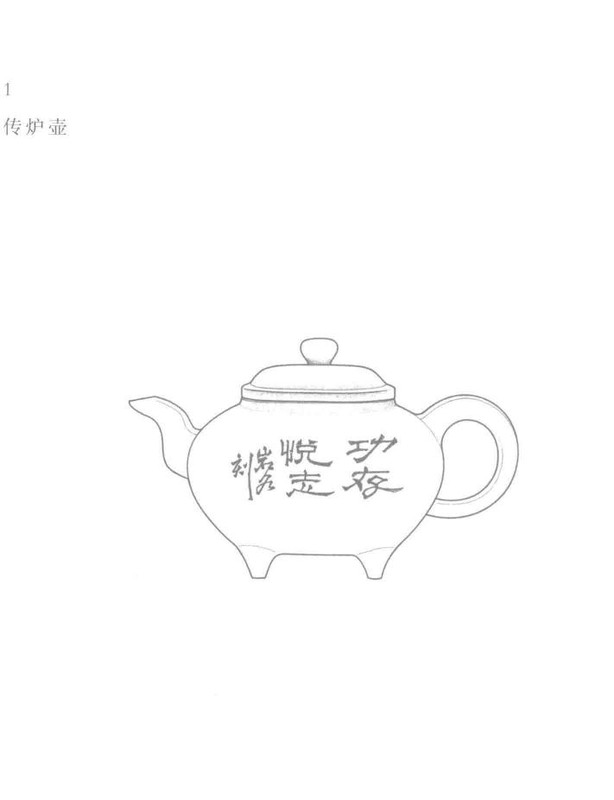
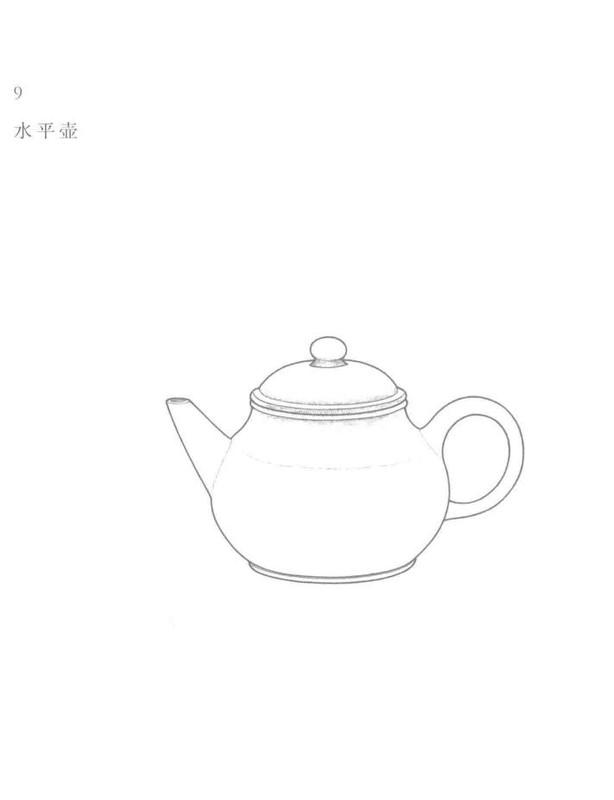
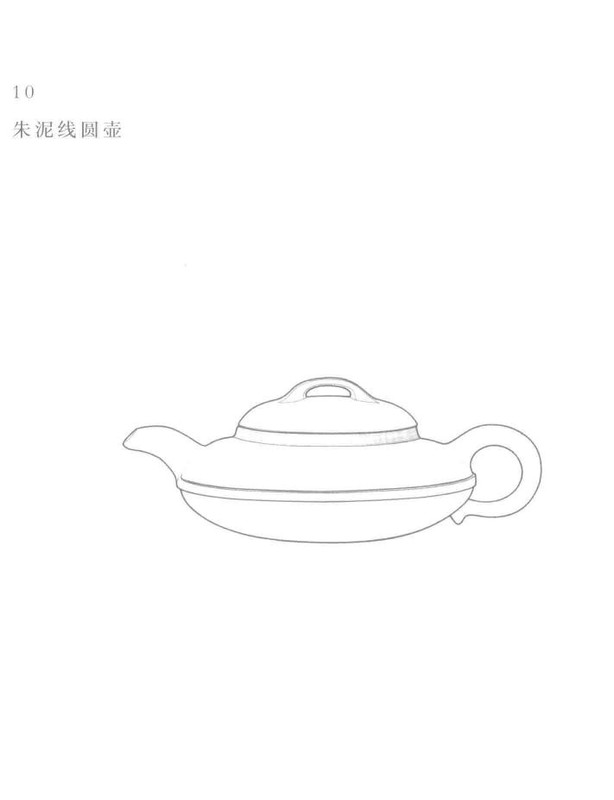
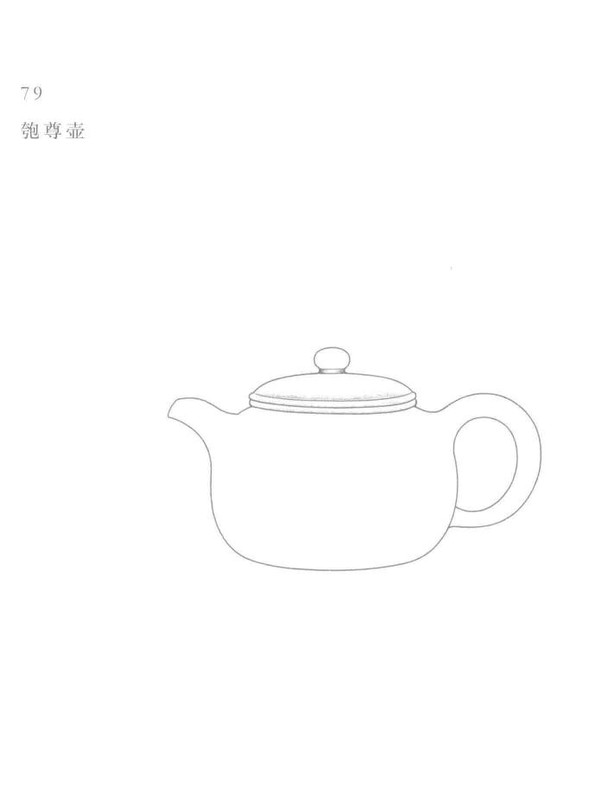
鲍卓壶
Explore this classic Yixing pottery design and its significance in tea culture
The Bao Zhuo Hu: A Timeless Classic in Yixing Pottery
When you hold a well-crafted Yixing teapot in your hands, you’re not just touching clay—you’re connecting with centuries of tea culture, artisan tradition, and the quiet philosophy that a perfect cup of tea begins long before water meets leaf. Among the pantheon of classic Yixing designs, the Bao Zhuo Hu (鲍卓壶) stands as a testament to the enduring appeal of traditional craftsmanship, a design that has weathered the passage of time without losing its relevance to modern tea enthusiasts.
Understanding the Bao Zhuo Hu
The name “Bao Zhuo Hu” carries with it the weight of history, though like many traditional Yixing designs, its exact origins remain pleasantly mysterious. The character “壶” (hu) simply means “pot” or “teapot,” while “鲍卓” (Bao Zhuo) likely references either a historical figure, a master potter, or perhaps a poetic description that has been passed down through generations of craftspeople. This ambiguity is part of the charm—Yixing pottery has always been as much about oral tradition and apprenticeship as it is about written records.
What we do know is that the Bao Zhuo Hu belongs to the classical repertoire of Yixing designs, those forms that have proven themselves worthy of replication and refinement over decades, if not centuries. When a design achieves “classic” status in the Yixing tradition, it means that countless potters have found it worthy of their time and skill, that tea drinkers have consistently chosen it for their brewing rituals, and that its proportions and functionality have stood the test of practical use.
The Visual Language of Traditional Form
The beauty of the Bao Zhuo Hu lies in its adherence to traditional Yixing aesthetics—a philosophy that values harmony, balance, and understated elegance over flashy innovation. While I cannot describe the specific visual details of this particular pot without seeing it, classic Yixing designs typically share certain characteristics that make them instantly recognizable to those familiar with the tradition.
Traditional Yixing teapots are studies in proportion. The relationship between the body, spout, handle, and lid is never arbitrary; each element must work in concert with the others. The spout should pour cleanly without dribbling, the handle should balance the weight of the filled pot comfortably in the hand, and the lid should fit snugly enough to create a slight vacuum when you cover the air hole with your finger and tip the pot—a sign of quality craftsmanship.
The surface of a classic Yixing pot is typically left unglazed, allowing the natural beauty of the purple clay (zisha) to speak for itself. This raw, earthy quality is central to the Yixing aesthetic. The clay might range from deep purple to reddish-brown to pale beige, depending on the specific clay body used and the firing temperature. Over time and with repeated use, the pot develops a patina—a subtle sheen that comes from the tea oils absorbed into the porous clay, creating a living relationship between vessel and beverage.
The Historical Context of Yixing Tradition
To understand the Bao Zhuo Hu is to understand something of Yixing pottery’s place in Chinese tea culture. The city of Yixing, located in Jiangsu Province, has been producing pottery for over two thousand years, but it was during the Ming Dynasty (1368-1644) that Yixing teapots truly came into their own. This was the era when loose-leaf tea brewing became popular, replacing the earlier methods of whisking powdered tea. Suddenly, there was a need for small, personal teapots—and Yixing’s unique purple clay proved ideal for the task.
The traditional designs that emerged during this golden age of Yixing pottery were not created in isolation. They reflected the aesthetic values of the literati—the educated elite who elevated tea drinking from mere refreshment to an art form. These scholars and artists valued simplicity, naturalness, and the kind of beauty that reveals itself slowly rather than shouting for attention. A classic Yixing pot should be like a good poem: seemingly simple on the surface, but revealing layers of meaning and craftsmanship upon closer examination.
The Bao Zhuo Hu, as a classic design, carries this heritage forward. Even if we cannot pinpoint its exact year of origin, we can understand it as part of an unbroken chain of tradition, where each generation of potters learns from the previous one, preserving techniques and proportions that have proven their worth through practical use.
The Science Behind the Clay
What makes Yixing pottery special isn’t just tradition—it’s geology. The purple clay (zisha) found in the Yixing region has unique properties that make it ideal for tea brewing. The clay is naturally porous, with a double-pore structure that allows it to breathe while still holding water. This means that a Yixing pot can absorb some of the tea’s oils and flavors over time, gradually seasoning itself to enhance future brews.
The clay is also rich in iron and other minerals, which some tea enthusiasts believe can subtly improve the taste of tea by softening the water and reducing any harsh notes. Whether this is scientifically measurable or simply part of the ritual and romance of tea drinking is perhaps beside the point—what matters is that generations of tea lovers have found that tea tastes better from a well-seasoned Yixing pot.
The traditional firing process for Yixing pottery is another crucial element. The pots are typically fired at relatively low temperatures (around 1100-1200°C), which preserves the clay’s porosity while making it strong enough for daily use. This is a delicate balance—fire it too hot, and the clay becomes too dense and loses its breathability; fire it too cool, and the pot will be fragile and prone to cracking.
Pairing Tea with the Bao Zhuo Hu
One of the most important principles in using Yixing teapots is the concept of “one pot, one tea” (一壶一茶). Because the clay absorbs tea oils and flavors, serious tea enthusiasts dedicate each Yixing pot to a single type of tea. This allows the pot to season properly and develop a patina that enhances that particular tea’s characteristics.
For a classic design like the Bao Zhuo Hu, the traditional pairing would typically be with oolong teas or aged pu-erh. These are teas that benefit from the clay’s ability to mellow harsh notes and enhance complexity. The slightly porous nature of Yixing clay can help soften the astringency in a young pu-erh or bring out the floral notes in a high-mountain oolong.
Oolong teas are perhaps the most popular choice for Yixing pots among contemporary tea enthusiasts. Whether you prefer the roasted, nutty character of a traditional Wuyi rock oolong or the lighter, more floral notes of a Taiwanese high-mountain oolong, a well-seasoned Yixing pot can enhance the tea’s natural complexity. The clay seems to have a particular affinity for the mid-range flavors that make oolongs so fascinating—neither fully oxidized like black tea nor as delicate as green tea, oolongs occupy a middle ground that the Yixing clay complements beautifully.
Aged pu-erh is another excellent match. The earthy, complex flavors of a well-aged pu-erh can be enhanced by the mineral qualities of the clay, and the pot’s heat retention helps maintain the higher brewing temperatures that pu-erh often requires. Over time, as your pot seasons with repeated pu-erh brewing, it will develop a deep, rich patina that becomes part of the tea-drinking experience itself.
Black teas (what the Chinese call “red tea” or hongcha) can also work well, particularly if you enjoy Chinese black teas like Keemun or Dian Hong. The clay’s ability to smooth out any rough edges in the tea while preserving its body and sweetness makes it a good choice for these fuller-bodied teas.
What you should generally avoid in a Yixing pot are delicate green teas and white teas. These teas are prized for their subtle, fresh flavors, which can be overwhelmed by the seasoning in a Yixing pot. They also typically require lower brewing temperatures, and Yixing clay’s excellent heat retention can make it difficult to keep the water cool enough for optimal brewing.
Practical Brewing Advice
Using a Yixing pot is both simpler and more involved than using a standard teapot. The basic mechanics are straightforward, but getting the most out of your pot requires attention to detail and a willingness to develop a relationship with it over time.
Seasoning Your New Pot
Before you brew your first pot of tea, you’ll want to season your new Bao Zhuo Hu. This process removes any clay dust or kiln residue and begins the process of building up the tea patina that will enhance future brews.
Start by rinsing the pot thoroughly with hot water, inside and out. Then, place the pot (with the lid off) in a large pot of water and bring it to a gentle simmer for about 30 minutes. This opens up the clay’s pores and removes any impurities. After this initial cleaning, brew several pots of the tea you plan to dedicate to this pot, discarding the tea each time. This begins the seasoning process and helps you get a feel for how the pot handles.
The Brewing Process
Yixing pots are designed for gongfu-style brewing—multiple short infusions rather than a single long steep. This method allows you to experience how a tea evolves over successive brewings, and it’s where Yixing pots truly shine.
Preheat your pot by filling it with hot water and letting it sit for a minute. This is crucial—the clay will absorb heat, and if you don’t preheat, your first infusion will be cooler than intended. Discard the preheating water, add your tea leaves (typically filling the pot about one-third full for rolled oolongs, or half full for strip-style teas), and pour in your brewing water.
For the first infusion, you might steep for just 20-30 seconds, then pour out completely. Subsequent infusions can gradually increase in time—30 seconds, 45 seconds, a minute, and so on. A good tea can yield anywhere from 5 to 10 infusions, each revealing different aspects of the tea’s character.
Caring for Your Pot
After each tea session, rinse your pot thoroughly with hot water—never use soap, which can be absorbed by the clay and ruin your tea. Let the pot air dry completely before putting the lid back on. Some enthusiasts like to leave the lid off permanently to allow maximum air circulation.
Between uses, you can gently wipe the exterior of the pot with a soft tea cloth. Over time, you’ll notice the pot developing a sheen—this is the patina building up, and it’s a sign that you’re caring for your pot properly. Some people become quite obsessed with developing a beautiful patina, treating their pots with the same care a musician might give to a fine instrument.
Never put your Yixing pot in the dishwasher, and avoid sudden temperature changes that could crack the clay. With proper care, a good Yixing pot can last for generations, improving with age and use.
The Philosophy of Tea and Clay
Using a traditional Yixing pot like the Bao Zhuo Hu is about more than just making tea—it’s about participating in a ritual that connects you to centuries of tea culture. There’s something meditative about the process: the careful preheating, the attention to timing, the way you must be fully present to pour out each infusion at just the right moment.
In our fast-paced modern world, the deliberate slowness of gongfu tea brewing can feel almost radical. You can’t rush it, you can’t multitask through it, and you can’t automate it. You have to be there, paying attention, developing a feel for how the tea is evolving and when to pour.
The pot itself becomes a partner in this process. As it seasons over months and years of use, it becomes uniquely yours—no two Yixing pots, even from the same mold, will develop the same patina or brew tea in quite the same way. This individuality is part of the appeal. In an age of mass production and standardization, a Yixing pot is a reminder that some things are meant to be personal, unique, and irreplaceable.
Conclusion: A Classic for Good Reason
The Bao Zhuo Hu represents the best of Yixing’s traditional pottery heritage—a design that has endured because it works, because it’s beautiful in its simplicity, and because it enhances the tea-drinking experience in ways that more modern vessels cannot quite replicate. Whether you’re a seasoned tea enthusiast or just beginning to explore the world of gongfu brewing, a classic Yixing pot like this offers an entry point into a rich tradition that rewards patience, attention, and care.
As you develop your relationship with your pot—watching it darken and develop its patina, learning its quirks and characteristics, discovering how it brings out different notes in your favorite teas—you’re participating in something larger than yourself. You’re joining a lineage of tea lovers stretching back centuries, all of whom understood that the vessel matters as much as the leaf, and that the ritual of preparation is inseparable from the pleasure of drinking.
In the end, that’s what makes a classic design like the Bao Zhuo Hu so special. It’s not just a tool for making tea—it’s an invitation to slow down, pay attention, and find beauty in the everyday ritual of brewing a perfect cup.