霸 于
Explore this classic Yixing pottery design and its significance in tea culture
The Ba Yu (霸于): A Testament to Yixing’s Timeless Mastery
When you hold a piece of Yixing pottery in your hands, you’re not just touching clay—you’re connecting with centuries of tradition, artistry, and the profound Chinese philosophy that tea is more than a beverage. It’s a meditation, a conversation, a bridge between earth and spirit. Among the classical designs that have emerged from the legendary kilns of Yixing, the Ba Yu (霸于) stands as a compelling example of how simplicity and tradition can create something truly extraordinary.
Understanding the Name: Power and Presence
The Chinese characters 霸于 carry a weight that’s difficult to fully capture in English translation. “Ba” (霸) suggests dominance, authority, or a commanding presence—not in an aggressive sense, but rather the quiet confidence of something that knows its worth. “Yu” (于) is a preposition that can mean “in,” “at,” or “from,” but in this context, it adds a sense of place and belonging. Together, Ba Yu evokes a teapot that commands respect through its very existence, a design that asserts its place in the lineage of Yixing craftsmanship without needing embellishment or fanfare.
This isn’t a pot that shouts for attention. Instead, it draws you in with the magnetic pull of authenticity, inviting you to discover its qualities through use rather than mere observation.
The Visual Language of Tradition
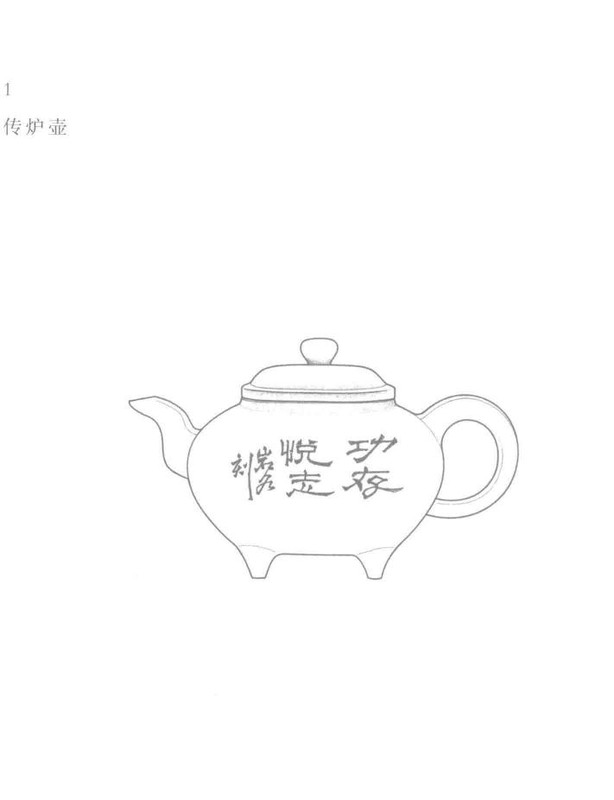
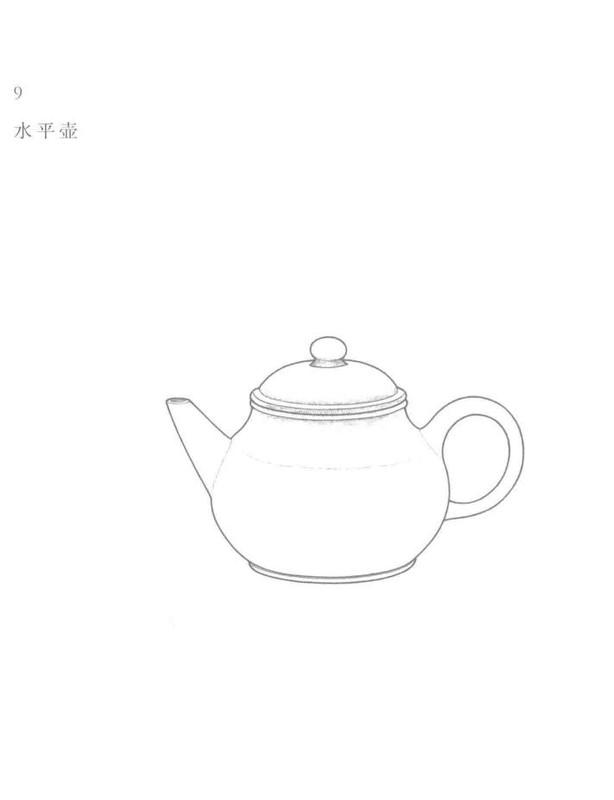
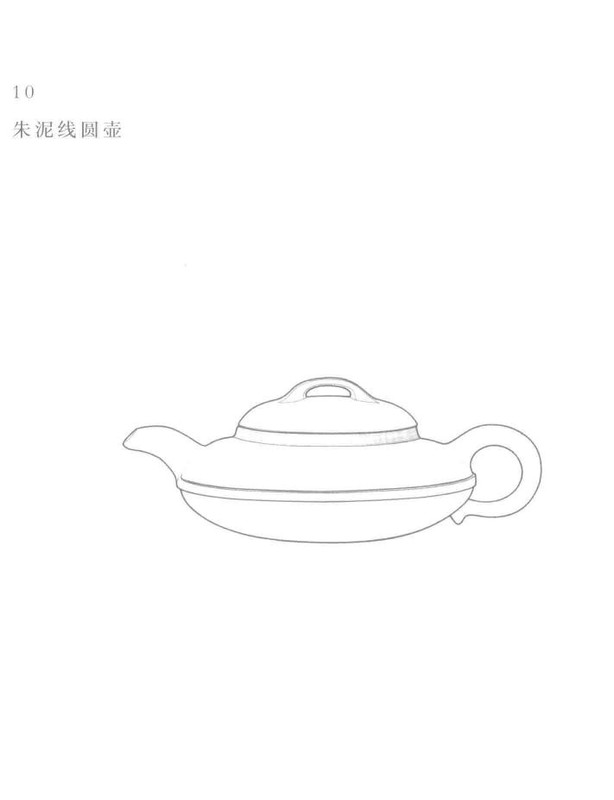
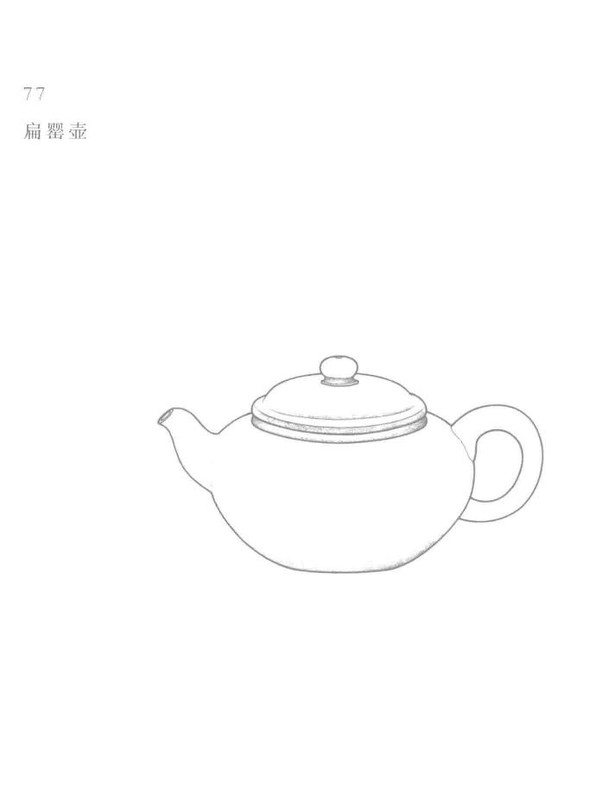
The Ba Yu exemplifies what makes classical Yixing designs so enduring: a commitment to form that serves function, where every curve and angle exists for a reason beyond aesthetics alone. While specific visual details can vary between individual potters’ interpretations, the Ba Yu typically maintains the proportional harmony that defines traditional Yixing work.
The body of a Ba Yu teapot often presents a balanced silhouette—neither too squat nor too elongated—that speaks to the golden mean principles Chinese artisans have honored for millennia. The clay itself, that distinctive Zisha (purple sand) that Yixing is famous for, displays its natural beauty without glaze or artifice. Depending on the specific clay body used, you might see warm reddish-browns, deep purples, or earthy ochres, each with a subtle texture that invites touch.
The spout, handle, and lid work in visual concert, creating what Chinese aesthetics call “qi yun”—a vital energy or spirit that flows through the piece. The spout typically extends with purpose and clarity, promising a clean pour. The handle curves to meet the hand naturally, understanding that this pot will be lifted hundreds, perhaps thousands of times in its life. The lid fits with the precision that only comes from a potter who understands that the seal between lid and body affects not just the pour, but the very way tea steeps within.
Roots in Chinese Tea Culture
To understand the Ba Yu is to understand the broader context of Yixing pottery’s place in Chinese tea history. The tradition of unglazed Zisha teapots emerged during the Ming Dynasty (1368-1644), though the clay itself had been known and used for centuries before. What made this period revolutionary was the realization that these porous, unglazed pots could actually enhance tea’s flavor, absorbing and contributing to the brew in ways that glazed ceramics never could.
The classical designs that emerged during this golden age—and which continue to be produced and refined today—weren’t arbitrary artistic choices. They were the result of generations of tea drinkers and potters working in dialogue, discovering through countless brewing sessions what shapes, proportions, and clay bodies best served different teas and brewing styles.
The Ba Yu, as a classical design, carries this accumulated wisdom. It represents not one potter’s vision, but a distillation of what works—what has proven itself over time through the most demanding test: daily use by people who care deeply about their tea.
The Clay’s Secret: Why Yixing Matters
Before we discuss which teas pair best with the Ba Yu, it’s worth understanding what makes Yixing clay special. The Zisha clay from the Yixing region contains a unique mineral composition, including kaolin, quartz, and mica, that creates a porous structure when fired. This porosity is the key to Yixing’s magic.
Unlike glazed teapots, a Yixing pot breathes. It absorbs tiny amounts of tea oils and compounds with each brewing, gradually building up a patina that tea enthusiasts call “tea nourishment” or “yang hu.” Over months and years of dedicated use, the pot becomes seasoned, contributing subtle complexity to each subsequent brew. The clay also retains heat well while remaining comfortable to handle, and its porosity helps regulate temperature during steeping.
This means your Ba Yu isn’t just a vessel—it’s a partner in your tea practice, one that grows and develops alongside your own deepening appreciation for tea.
Tea Pairings: Finding the Perfect Match
The classical proportions and traditional craftsmanship of the Ba Yu make it particularly well-suited to certain categories of tea, though as with all things tea-related, personal preference should be your ultimate guide.
Oolong Teas: The Ba Yu shines with traditional oolongs, particularly those from the Wuyi mountains or Anxi region. The pot’s heat retention and balanced proportions allow these complex, partially oxidized teas to open fully, revealing their layered aromatics. A good Tie Guan Yin or Da Hong Pao will reward you with multiple infusions, each one slightly different, as the Ba Yu helps coax out the tea’s evolving character.
Aged Pu-erh: If your Ba Yu is made from darker Zisha clay, it can be an excellent companion for ripe (shou) pu-erh. The earthy, rich character of aged pu-erh harmonizes beautifully with the clay’s natural tones, and the pot’s heat retention helps maintain the higher temperatures these teas prefer. Over time, as the pot seasons, it will develop a patina that enhances the smooth, mellow qualities of well-aged pu-erh.
Black Teas: Chinese black teas (called “red tea” in China)—such as Keemun, Dian Hong, or Lapsang Souchong—also pair wonderfully with the Ba Yu. The pot’s structure supports the full-bodied character of these teas while its breathability prevents any heaviness or stewing.
A Word on Dedication: Traditional wisdom suggests dedicating your Yixing pot to one type of tea—or at least one category. This allows the pot to season specifically for that tea, building up the ideal patina. Many serious tea drinkers maintain several Yixing pots, each devoted to a different tea family. Your Ba Yu might become your “oolong pot” or your “pu-erh pot,” developing a unique character that reflects your tea journey.
Brewing with the Ba Yu: Practical Guidance
Using a Ba Yu—or any Yixing pot—is both simple and profound. Here’s how to get the most from your brewing sessions:
Initial Preparation: When you first acquire your Ba Yu, give it a thorough but gentle cleaning. Rinse it with hot water, then place it in a pot of water and bring it to a gentle simmer for 20-30 minutes. This opens the clay’s pores and removes any dust from production. Let it cool naturally, then rinse again. Some people add tea leaves to this initial boiling, beginning the seasoning process immediately.
The Brewing Process: Warm your pot with hot water before adding tea. This is crucial—it brings the clay to temperature and ensures your first infusion isn’t cooled by a cold pot. Discard this warming water, add your tea leaves (typically filling the pot about one-quarter to one-third full for most oolongs and pu-erhs), and pour your brewing water.
For most teas suited to the Ba Yu, you’ll use water just off the boil (195-205°F or 90-96°C). The first infusion is often brief—just 20-30 seconds—serving as a rinse that awakens the leaves. Subsequent infusions can be slightly longer, gradually increasing as the leaves open and release their character.
After Brewing: This is where many newcomers to Yixing pottery make mistakes. After your tea session, remove the leaves, rinse the pot with hot water, and leave it open to air dry completely. Never put the lid on while the pot is still wet—this can trap moisture and create musty odors. Never use soap or detergents; they’ll be absorbed by the porous clay and taint future brews.
Building the Patina: Some enthusiasts like to pour a bit of tea over the exterior of their pot during brewing sessions, gradually building up a lustrous patina on the outside as well as the inside. This is entirely optional and aesthetic, but it’s a meditative practice that many find satisfying.
The Living Pot: Watching Your Ba Yu Evolve
One of the most rewarding aspects of using a Ba Yu—or any Yixing pot—is witnessing its transformation over time. In the beginning, the clay will have a certain rawness, a matte quality that’s beautiful in its own right. As you use it regularly, you’ll notice subtle changes: a deepening of color, a growing luster, a smoothness that develops on surfaces your hands touch most frequently.
This evolution is called “yang hu” (养壶), literally “raising the pot” or “nourishing the pot.” It’s a concept that reflects the Daoist philosophy embedded in Chinese tea culture—the idea that through patient, consistent practice, both the practitioner and the tools develop together. Your Ba Yu becomes a record of your tea journey, a physical manifestation of countless quiet moments spent in contemplation with a cup of tea.
Some pots, after years of dedicated use, develop such a rich patina that they can brew a light tea using only hot water—the pot itself has absorbed enough tea essence to contribute flavor. While this is more common with pots used for decades, it illustrates the profound relationship that can develop between a tea drinker and their Yixing pot.
Why Classical Designs Endure
In an age of constant innovation and novelty, there’s something deeply satisfying about using a design that has proven itself across centuries. The Ba Yu doesn’t need to reinvent the teapot; it simply needs to be what it is—a well-proportioned, thoughtfully crafted vessel that serves tea and tea drinker with quiet excellence.
Classical Yixing designs like the Ba Yu remind us that some problems were solved long ago, and that tradition isn’t about being stuck in the past—it’s about honoring what works, what has been tested and refined through generations of use. When you brew tea in a Ba Yu, you’re participating in a lineage, adding your own chapter to a story that stretches back centuries and will continue long after your own tea sessions have ended.
Choosing Your Ba Yu
If you’re considering adding a Ba Yu to your tea practice, take your time in selection. Look for pots made by reputable artisans who work with authentic Yixing clay. The pot should feel balanced in your hand, with a lid that fits snugly but not too tightly. The spout should align with the top of the pot when filled, ensuring a clean pour. The holes where the spout meets the body should be well-crafted—these affect how the tea flows.
Most importantly, the pot should speak to you. Beyond technical considerations, there’s an intuitive element to choosing a Yixing pot. You’ll know when you’ve found the right one—it will feel like the beginning of a conversation you’re eager to continue.
Conclusion: An Invitation to Slow Down
In the end, the Ba Yu offers something increasingly rare in our accelerated world: an invitation to slow down, to pay attention, to engage in a practice that rewards patience and presence. It’s a pot that doesn’t demand anything from you except regular use and basic care, but in return, it offers a deepening relationship with tea, with craft, and with the simple pleasure of doing something well.
Whether you’re new to Yixing pottery or a seasoned collector, the Ba Yu represents the heart of what makes these pots special—not innovation for its own sake, but the perfection of fundamentals, the quiet confidence of a design that knows it has nothing to prove. It’s a pot for tea lovers who understand that sometimes the most profound experiences come not from seeking the exotic or the novel, but from returning again and again to what is true, what is essential, what endures.