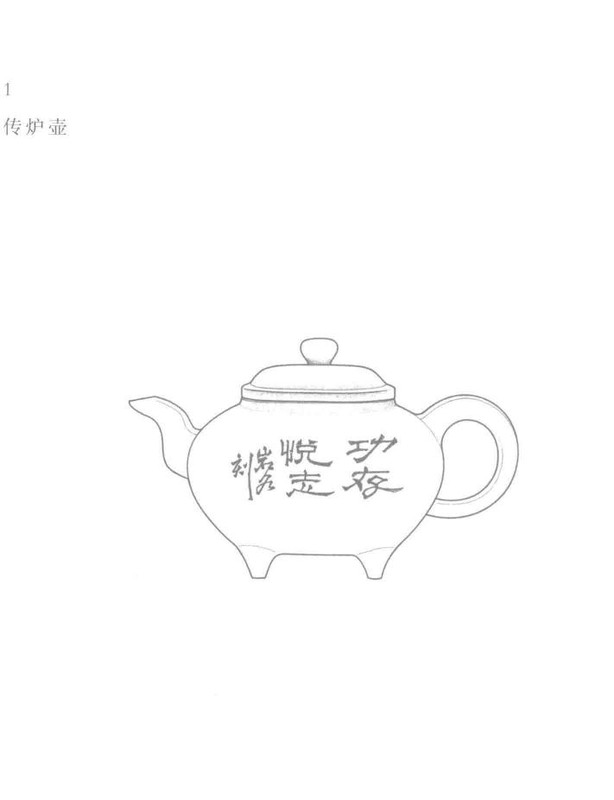
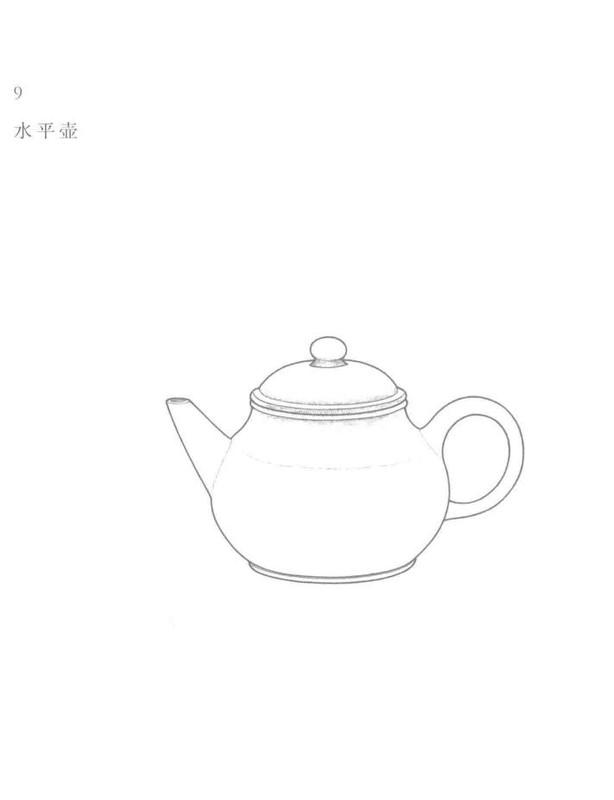
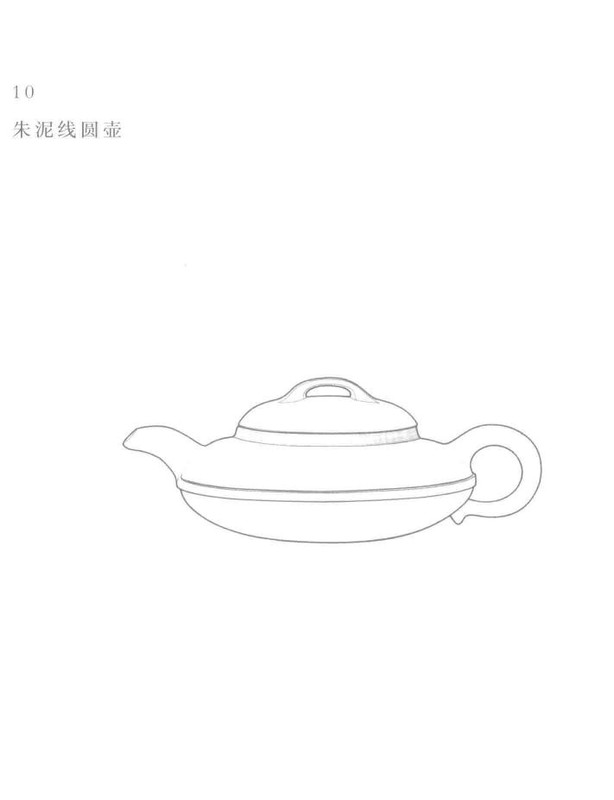
硬扁壶
Explore this classic Yixing pottery design and its significance in tea culture
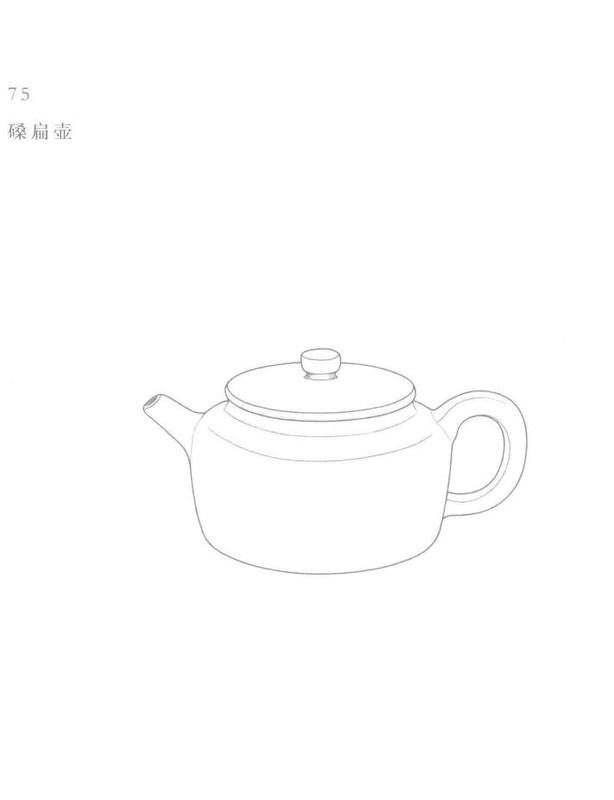
The Yingbian Hu: A Timeless Expression of Yixing Craftsmanship
When you first encounter a Yingbian Hu (硬扁壶), the immediate impression is one of quiet confidence. This classic Yixing teapot design doesn’t shout for attention—it earns it through the subtle interplay of geometric precision and organic warmth that defines traditional Chinese pottery at its finest.
The name itself tells a story. “Ying” (硬) means firm or rigid, while “bian” (扁) translates to flat or compressed. Together, they describe a pot that embraces a deliberately flattened profile, creating a silhouette that feels both grounded and elegant. It’s a design that has endured through generations of tea culture, speaking to something fundamental about how form and function can achieve perfect harmony.
A Study in Balanced Proportions
The Yingbian Hu presents a fascinating study in controlled geometry. Unlike the rounded, bulbous forms that dominate many teapot traditions, this design commits to a flattened body that sits low and stable. Imagine taking a spherical teapot and gently pressing it from top and bottom—the resulting shape captures the essence of the Yingbian Hu’s distinctive character.
The body typically features smooth, continuous curves that flow from the base upward, creating a profile that’s wider than it is tall. This isn’t merely an aesthetic choice; the flattened form increases the surface area in contact with your brewing surface, promoting even heat distribution during the steeping process. The walls maintain a consistent thickness, a testament to the potter’s skill in achieving uniformity while working with Yixing’s famously temperamental clay.
The spout emerges from the body with purposeful directness. In traditional examples, you’ll often find a slightly curved spout that maintains the pot’s low profile while ensuring a clean, controlled pour. The placement is critical—positioned to align with the pot’s center of gravity, it allows for effortless pouring even when the pot is nearly full.
The handle typically arcs gracefully from the shoulder to the lower body, sized proportionally to balance the visual weight of the spout. Many Yingbian Hu designs feature a handle that mirrors the pot’s compressed aesthetic, neither too tall nor too delicate, but substantial enough to provide a secure grip during use.
The lid deserves special attention. Following the pot’s flattened philosophy, the lid sits relatively flat against the body, often with a subtle dome or a simple button-style knob. The fit between lid and body is crucial in Yixing pottery—a well-made Yingbian Hu will have a lid that seats perfectly, creating a slight suction when lifted, evidence of the precise tolerances achieved by skilled artisans.
Roots in Tea Culture’s Golden Age
The Yingbian Hu emerged during a period when Chinese tea culture was evolving from ceremonial practice to refined daily ritual. While we can’t pinpoint an exact moment of creation, this design philosophy reflects the aesthetic values that flourished during the Ming and Qing dynasties, when Yixing pottery reached its artistic zenith.
During these eras, tea drinking had become deeply integrated into scholarly and artistic life. The literati—poets, painters, and philosophers—sought teaware that embodied principles of understated elegance and natural beauty. The Yingbian Hu’s restrained form aligned perfectly with these ideals. It rejected unnecessary ornamentation in favor of pure, essential shape.
The flattened profile also responded to practical considerations of the time. Tea culture was becoming more portable and personal. Scholars and travelers wanted pots that were stable, less prone to tipping, and easier to pack for journeys. The Yingbian Hu’s low center of gravity made it an ideal companion for tea sessions in gardens, studios, or during travels through China’s mountainous landscapes.
Traditional Yixing potters worked within a system of apprenticeship that passed techniques from master to student over decades. Creating a Yingbian Hu required particular skill in controlling the clay during the flattening process. Too much pressure and the walls would become uneven; too little and the form would lack the design’s characteristic compression. This technical challenge meant that well-executed examples became markers of a potter’s mastery.
The clay itself—Yixing’s famous zisha or “purple sand”—played an essential role in the design’s success. This unique clay, found only in the Yixing region of Jiangsu Province, possesses remarkable properties. It’s porous enough to absorb tea oils over time, developing a patina that enhances brewing, yet dense enough to maintain structural integrity in these flattened forms.
The Perfect Tea Companions
The Yingbian Hu’s design characteristics make it particularly well-suited for certain categories of tea, though like all Yixing pots, it can develop a relationship with whatever tea you choose to dedicate it to.
Oolong teas find an exceptional partner in the Yingbian Hu. The pot’s flattened body creates an ideal environment for oolong leaves to unfurl during steeping. The increased surface area allows the leaves to spread horizontally, maximizing their contact with water. This is particularly beneficial for rolled oolongs like Tieguanyin or Dongding, which need space to expand fully and release their complex flavor profiles.
The pot’s heat retention properties complement oolong’s preference for sustained high temperatures. The thick walls and relatively compact form maintain brewing temperature effectively, allowing the tea to develop its characteristic floral and mineral notes through multiple infusions. As you work through a session, the pot itself becomes seasoned with the tea’s oils, subtly enhancing each subsequent brew.
Aged teas—whether aged oolongs, aged white teas, or certain aged pu-erh—also thrive in a Yingbian Hu. These teas benefit from the stable, even heat distribution that the flattened form provides. The pot’s ability to maintain temperature helps coax out the mellow, complex flavors that develop during years of careful storage. The wider body allows aged leaves, which can be quite voluminous after years of oxidation, to steep without crowding.
Roasted teas of various types find the Yingbian Hu particularly sympathetic. Whether you’re brewing a heavily roasted Wuyi oolong or a charcoal-roasted Taiwanese tea, the pot’s thermal properties help balance the roasted character with the tea’s underlying sweetness. The even heat prevents harsh notes from dominating while allowing the roast’s warmth to integrate smoothly with the tea’s natural flavors.
For those who enjoy black teas, particularly Chinese varieties like Dian Hong or Keemun, a Yingbian Hu can be an excellent choice. The pot’s shape allows these full-leaf teas to steep evenly, and the clay’s porosity helps soften any astringency while preserving the tea’s body and sweetness.
Brewing Wisdom for Your Yingbian Hu
Working with a Yingbian Hu requires understanding both the pot’s characteristics and the broader principles of gongfu tea brewing. Here’s how to get the most from this classic design.
Seasoning your pot is the essential first step. When you acquire a new Yingbian Hu, it needs preparation before its first tea session. Rinse it thoroughly with room temperature water to remove any dust from storage. Then, fill it with boiling water and let it sit until cool. Repeat this process several times. Some practitioners like to simmer the pot gently in water with tea leaves, though this isn’t strictly necessary. The goal is to open the clay’s pores and remove any residual kiln flavors.
Choose your tea dedication thoughtfully. Traditional wisdom suggests dedicating each Yixing pot to a single category of tea. This allows the pot to develop a seasoning specific to that tea type, enhancing its flavor over time. With a Yingbian Hu, you might dedicate it to oolongs, or perhaps to a specific type of oolong you drink regularly. Some tea lovers maintain multiple pots for different teas, while others prefer the deepening relationship that comes from exclusive dedication.
Temperature management takes advantage of the pot’s design. Preheat your Yingbian Hu thoroughly before brewing. Pour boiling water over the exterior while filling the interior, allowing the entire pot to come to temperature. This is particularly important with the flattened form—you want the entire body heated evenly to maintain stable brewing conditions.
Leaf quantity should account for the pot’s shape. Because the Yingbian Hu has a wider, flatter interior, leaves have more room to expand horizontally. You might use slightly less leaf than you would in a taller pot of similar volume, as the leaves will spread more effectively. Start with about one-third to one-half of the pot’s volume in dry leaf, adjusting based on the specific tea and your taste preferences.
Pouring technique matters with this design. The Yingbian Hu’s low profile and balanced weight distribution make it easy to control, but pay attention to the angle. The flattened body means the spout is positioned relatively low, so you don’t need to tip the pot as steeply as you might with a taller design. This allows for a more controlled, gentle pour that doesn’t agitate the leaves excessively.
Infusion timing should be adjusted through your session. Start with very short steeps—perhaps 10-15 seconds for the first infusion—and gradually increase the time as the leaves open and release their flavors. The Yingbian Hu’s excellent heat retention means your tea will continue steeping actively, so err on the side of shorter times initially.
Cleaning and maintenance require a gentle approach. After your tea session, empty the leaves and rinse the pot with hot water only—never use soap, which can be absorbed by the porous clay and affect future brews. Leave the lid off and allow the pot to air dry completely before storing. The clay should dry relatively quickly due to its porosity. Over time, you’ll notice the pot developing a patina, a subtle sheen that comes from absorbed tea oils. This is desirable and indicates a well-used, well-loved pot.
Between sessions, store your Yingbian Hu in a clean, dry place with good air circulation. Some enthusiasts keep their pots on display, which works well as long as they’re protected from dust and direct sunlight. The pot should be completely dry before storage to prevent any musty odors from developing in the clay.
The Living Relationship
What makes the Yingbian Hu truly special isn’t just its elegant form or its practical brewing advantages—it’s the relationship that develops over time. Each tea session adds another layer to the pot’s character. The clay absorbs minute amounts of tea oils, gradually building a seasoning that becomes unique to your brewing habits and tea choices.
This evolution is subtle but real. A well-used Yingbian Hu will develop a slight sheen on its exterior from the oils in your hands and from the tea poured over it during preheating. The interior will darken gradually, taking on tones that reflect the teas you’ve brewed. Some areas might develop more patina than others, creating a natural, organic pattern that tells the story of countless tea sessions.
This living quality connects you to centuries of tea culture. The Yingbian Hu you use today embodies the same design principles that guided potters generations ago. Each time you brew tea, you’re participating in a tradition that values patience, attention, and the quiet pleasure of a well-made cup.
The flattened form that gives this pot its name also serves as a metaphor for the tea experience itself—grounded, stable, and unpretentious. In a world that often values flash over substance, the Yingbian Hu reminds us that true elegance comes from perfect proportion, honest materials, and time-tested design.
Whether you’re just beginning your journey with Yixing pottery or adding to an established collection, a Yingbian Hu offers both immediate practical benefits and the promise of a deepening relationship. It’s a pot that rewards regular use, that improves with age, and that brings a sense of continuity to your daily tea ritual. In its compressed, elegant form, it carries forward the wisdom of generations of tea lovers who understood that sometimes, the most profound pleasures come in the simplest packages.