秦权壶
Explore this classic Yixing pottery design and its significance in tea culture
The Qin Quan Hu: A Teapot Shaped by Imperial History
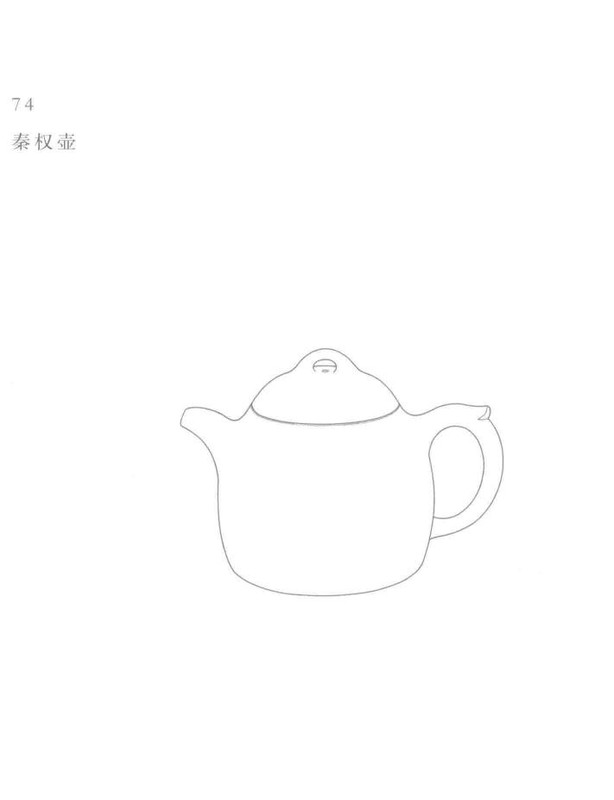
When you first encounter a Qin Quan Hu (秦权壶), you might mistake it for something other than a teapot. Its distinctive form—broad, flat, and geometric—looks more like an ancient weight or seal than a vessel for brewing tea. And that’s exactly the point. This classic Yixing design takes its inspiration from the standardized weights used during the Qin Dynasty, transforming a symbol of imperial authority into an elegant tool for the tea table.
The name itself tells the story: “Qin” refers to the Qin Dynasty (221-206 BCE), “quan” means weight or authority, and “hu” simply means pot. Together, they create a teapot that carries the weight of history—quite literally—in its very shape.
A Design Born from Unity
To understand the Qin Quan Hu, you need to understand the moment in Chinese history that inspired it. When Emperor Qin Shi Huang unified China in 221 BCE, he didn’t just conquer territories—he standardized everything from currency to writing systems to weights and measures. The bronze weights from this era had a distinctive shape: flat, stable, with a low center of gravity that made them impossible to tip over. They were practical, authoritative, and unmistakably official.
Centuries later, Yixing potters looked at these ancient weights and saw something beautiful. They recognized that the same qualities that made these objects effective as weights—stability, balance, solid presence—would translate beautifully into teapot design. The result was the Qin Quan Hu, a pot that sits on your tea table with the same unshakeable confidence as those imperial weights once sat on merchant scales.
Reading the Form
The Qin Quan Hu is immediately recognizable by its compressed, drum-like body. Unlike the rounded, organic shapes of many Yixing teapots, this design embraces geometry and angularity. The body is typically wider than it is tall, creating a squat, powerful silhouette that seems to hug the table surface.
The shoulder of the pot is broad and flat, sometimes with subtle ridges or bands that echo the decorative elements found on ancient bronze vessels. This isn’t mere decoration—these lines serve to emphasize the pot’s horizontal orientation and create visual interest across what might otherwise be a plain surface.
The spout emerges from the body with purpose, often short and slightly curved, positioned to pour with precision rather than drama. There’s nothing delicate or tentative about it. The handle, too, reflects the pot’s utilitarian origins—sturdy, well-balanced, designed for a firm grip rather than dainty finger placement.
What really sets the Qin Quan Hu apart is its lid. Flat and broad, it often features a bridge-style handle that spans across the top like a miniature archway. This isn’t just aesthetically pleasing—it’s functional. The bridge handle provides excellent grip and control when removing the lid, and its elevated position keeps your fingers away from hot steam.
The overall effect is one of grounded strength. Where some teapots seem to float or dance, the Qin Quan Hu plants itself firmly. It’s a pot that announces its presence without shouting, that commands respect through form rather than ornamentation.
The Clay Speaks
Traditional Qin Quan Hu teapots are crafted from Yixing’s famous zisha clay, that remarkable purple-brown material that has made the region synonymous with fine teaware for centuries. The clay’s natural texture and color complement the pot’s architectural form perfectly—there’s an honesty to the pairing, a sense that both material and design are showing you exactly what they are without pretense.
The unglazed surface of zisha clay is porous, which means your Qin Quan Hu will gradually absorb the oils and flavors of the teas you brew in it. This is the famous “seasoning” process that makes Yixing pots so prized among serious tea drinkers. Over months and years of use, your pot develops a patina and character that’s unique to your brewing habits.
Many potters choose darker clays for the Qin Quan Hu—deep purples, rich browns, or even near-black zhuni. These colors emphasize the pot’s connection to ancient bronzes and give it a dignified, serious appearance. The clay’s natural texture, when left relatively unpolished, can evoke the weathered surface of archaeological artifacts, adding another layer of historical resonance.
Brewing with Authority
The Qin Quan Hu’s shape isn’t just about aesthetics—it has real implications for how tea brews inside it. That wide, flat body creates a large surface area relative to the pot’s volume, which affects heat distribution and tea leaf expansion in interesting ways.
This design particularly excels with darker, more robust teas. Aged pu-erh, with its earthy complexity and need for sustained heat, finds an ideal home in a Qin Quan Hu. The pot’s thick walls and broad body retain heat effectively, maintaining the high temperatures that help aged pu-erh release its full spectrum of flavors. The wide interior gives compressed pu-erh cakes plenty of room to unfurl and expand.
Ripe (shou) pu-erh also pairs beautifully with this pot style. The Qin Quan Hu’s substantial presence seems to match the tea’s rich, deep character. There’s something satisfying about brewing a bold, earthy shou pu-erh in a pot that looks like it could have been unearthed from an ancient tomb.
Darker oolongs—particularly traditional Wuyi rock teas like Da Hong Pao or Shui Xian—also work wonderfully. These teas benefit from the pot’s heat retention and the way its shape allows the tightly rolled leaves to expand fully. The mineral notes in rock oolongs seem to resonate with the pot’s connection to earth and stone.
Black teas, especially Chinese varieties like Dian Hong or aged Keemun, are another excellent match. The Qin Quan Hu’s ability to maintain temperature helps extract the full body and sweetness from black tea leaves without over-extracting bitterness.
What you probably want to avoid are delicate green teas or light oolongs. These teas prefer cooler water and shorter steeping times, and the Qin Quan Hu’s heat-retaining properties can work against you, potentially cooking the leaves and bringing out harsh flavors.
Practical Brewing Guidance
Using a Qin Quan Hu follows the same basic gongfu brewing principles as any Yixing pot, but with a few considerations specific to its design.
First, that wide body means you’ll want to use a generous amount of leaf. The broad interior space can make a small amount of tea look sparse and lonely. Don’t be shy—fill the pot about one-third to one-half full with dry leaf, depending on the tea type and your taste preferences.
Preheating is crucial. Pour boiling water into the empty pot, swirl it around, and pour it out before adding your tea. The Qin Quan Hu’s thick walls need this warming to reach optimal brewing temperature. Skip this step, and your first infusion will be disappointingly weak as the clay absorbs heat from the water.
When pouring water over your leaves, aim for the center of the pot and let the water cascade outward. The wide surface area means water distributes naturally, but you want to ensure all leaves get evenly saturated. Some brewers like to pour in a circular motion to encourage even coverage.
The flat, broad shape means this pot pours differently than taller designs. The spout is typically positioned lower relative to the body, which can affect pour speed and control. Take time to learn your specific pot’s pouring characteristics—some Qin Quan Hu designs pour quickly and decisively, while others are more measured.
Between infusions, many tea enthusiasts leave the lid slightly ajar to prevent over-steeping and allow leaves to breathe. With the Qin Quan Hu’s bridge-style lid handle, this is easy to do—just rest the lid at an angle across the opening.
Living with History
One of the joys of using a Qin Quan Hu is the way it connects your daily tea practice to centuries of Chinese history and culture. Every time you brew, you’re participating in a tradition that links imperial standardization, ceramic artistry, and tea culture into a single object.
As your pot seasons over time, it becomes a personal artifact. The patina that develops on the exterior, the way the clay darkens and develops a subtle sheen, the deepening of the tea’s flavor as the pot absorbs and contributes its own character—these changes turn your Qin Quan Hu into a living record of your tea journey.
There’s something meditative about the pot’s solid, grounded presence. In our fast-paced world, brewing tea in a vessel that deliberately evokes ancient weights and measures feels like an act of resistance. It’s a reminder that some things—good tea, careful craftsmanship, the pleasure of ritual—shouldn’t be rushed.
Choosing Your Qin Quan Hu
If you’re considering adding a Qin Quan Hu to your collection, look for pots with clean, confident lines. The design’s simplicity means there’s nowhere for poor craftsmanship to hide. Check that the lid fits snugly but not too tightly—you should be able to remove it easily, but it shouldn’t rattle when you shake the pot gently.
Examine the spout opening and make sure it’s cleanly finished with no rough edges that might disrupt the pour. The bridge handle should be comfortable to grip and well-balanced. When you hold the pot by the handle with the lid on, it should feel stable and secure.
Size matters with this design. Qin Quan Hu pots typically range from about 150ml to 300ml. Smaller sizes work well for solo sessions or when you want to focus intensely on a special tea. Larger versions are better for sharing or when you’re brewing teas that need more room to expand.
The Weight of Tradition
The Qin Quan Hu reminds us that great design often comes from unexpected places. Who would have thought that standardized weights from an authoritarian dynasty would inspire one of the most beloved teapot forms in Chinese ceramic history? Yet here we are, centuries later, still appreciating the genius of potters who saw beauty in bureaucracy and transformed imperial authority into intimate ritual.
When you brew tea in a Qin Quan Hu, you’re not just making a beverage—you’re participating in a conversation that spans millennia. The pot’s form speaks of unity and standardization, yet each one is handmade and unique. It evokes ancient bronze, yet it’s crafted from living clay that changes with use. It looks solid and immovable, yet it facilitates one of life’s most fluid, changing experiences: the taste of tea.
That’s the paradox and the pleasure of the Qin Quan Hu. It’s a pot that carries weight—historical, cultural, physical—yet makes your tea practice feel lighter, more grounded, more connected to something larger than yourself. In a world that often feels unmoored, there’s comfort in brewing tea from a pot shaped like an anchor to the past.