提梁盘壶
Explore this classic Yixing pottery design and its significance in tea culture
The Timeless Elegance of the Tí Liáng Pán Hú: A Bridge Between Past and Present
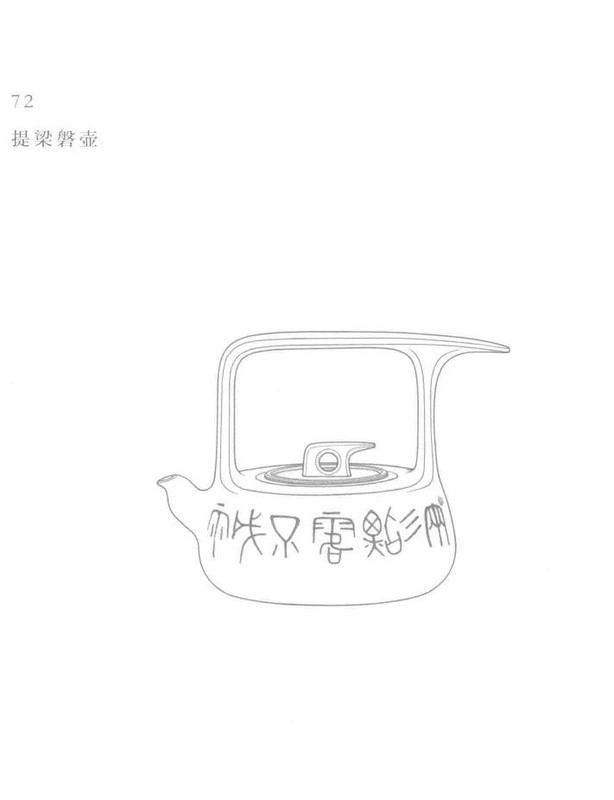
When you first encounter a 提梁盘壶 (tí liáng pán hú), you might pause for a moment, captivated by its distinctive silhouette. This isn’t your typical teapot—it’s a conversation between form and function that has been refined over centuries in the kilns of Yixing, China’s legendary pottery capital.
The name itself tells a story. “Tí liáng” refers to the overhead handle that arches gracefully over the pot like a bridge, while “pán” suggests the broad, stable base that grounds the design. Together, they create what we might call the “Overhead Handle Plate Pot” in English—though honestly, that translation barely scratches the surface of what makes this design so special.
A Design That Defies Gravity
Picture this: instead of the side-mounted handle you’d find on most Western teapots, the tí liáng pán hú features a handle that rises up and over the body of the pot in a smooth, continuous arc. It’s a bit like carrying a basket, except this basket holds some of the finest tea you’ll ever taste.
This overhead handle isn’t just for show. When you lift a tí liáng pán hú, the weight distributes differently than with a side handle. The pot hangs naturally from your hand, creating a sense of balance that feels almost meditative. There’s something deeply satisfying about the way it moves—fluid, controlled, deliberate. It transforms the simple act of pouring tea into a small performance, a moment of mindfulness in your day.
The body of the pot typically sits low and wide, with a generous footprint that gives it remarkable stability. This broad base—the “pán” part of its name—means you’re less likely to knock it over during an enthusiastic tea session (we’ve all been there). The proportions create a visual harmony that Yixing potters have been perfecting for generations: the curve of the handle echoes the curve of the spout, while the lid sits snugly in its gallery, creating clean lines that please the eye without being fussy.
Roots in Tradition
The tí liáng pán hú belongs to the rich lineage of classical Yixing designs, though pinning down its exact origins is like trying to catch mist in your hands. Yixing pottery has been produced for over a thousand years, with the golden age of teapot making generally considered to be the Ming and Qing dynasties. The overhead handle design likely evolved during this period, when potters were experimenting with forms that balanced aesthetic beauty with practical functionality.
What we do know is that this design emerged from a culture that took tea drinking very, very seriously. In traditional Chinese tea culture, the teapot wasn’t just a vessel—it was a companion, a tool for meditation, and a work of art all rolled into one. The tí liáng pán hú embodies this philosophy perfectly. Its design encourages you to slow down, to be present with your tea, to appreciate the ritual as much as the beverage itself.
The overhead handle design has historical precedents in other Chinese vessels, particularly wine pots and water carriers. Potters adapted this practical form for tea service, recognizing that it offered unique advantages for controlled pouring and elegant presentation. Over time, the design became refined, with each generation of potters adding their own subtle improvements while respecting the essential character of the form.
The Magic of Yixing Clay
Before we go further, we need to talk about what makes any Yixing teapot special: the clay itself. Yixing clay, known as “zisha” or purple sand, is unlike any other pottery material in the world. It’s porous, which means it breathes. Over time, as you brew tea in your tí liáng pán hú, the clay absorbs the oils and essences from the tea leaves, building up a patina that tea enthusiasts call “tea memory.”
This is why serious tea drinkers often dedicate a single Yixing pot to a specific type of tea. Your tí liáng pán hú becomes seasoned, developing a character that enhances each subsequent brewing. It’s a relationship that deepens over months and years—your pot literally becomes better at making your favorite tea the more you use it.
The clay’s porosity also affects temperature retention. Yixing pots don’t hold heat quite as aggressively as porcelain or glass, which gives you more control over your brewing parameters. This is particularly valuable for teas that can turn bitter or astringent if the water stays too hot for too long.
Perfect Tea Pairings
So what should you brew in a tí liáng pán hú? The answer depends partly on the specific clay and capacity of your pot, but the design itself offers some clues.
Oolong teas are perhaps the most natural match for this pot style. The broad base and moderate height create an ideal environment for oolong leaves to unfurl and release their complex flavors. Whether you’re brewing a roasted Wuyi rock oolong or a lighter Taiwanese high-mountain variety, the tí liáng pán hú provides the space and temperature control these teas demand. The overhead handle also makes it easy to perform multiple short infusions—the gongfu style of brewing that brings out the best in quality oolongs.
Aged white teas also shine in this pot. These teas benefit from the gentle heat retention and breathing clay, which helps coax out their subtle, evolving flavors without overwhelming their delicate nature. The stable base is particularly helpful here, as aged whites often require longer steeping times, and you don’t want to worry about your pot tipping over.
Ripe pu-erh (shou pu-erh) is another excellent candidate. The earthy, rich character of ripe pu-erh develops beautifully in Yixing clay, and the tí liáng pán hú’s design makes it easy to handle during the multiple rinses and infusions that pu-erh typically requires. The overhead handle stays cooler than a side handle would, which is a real advantage when you’re working with boiling water.
Black teas, particularly Chinese varieties like Keemun or Dian Hong, can also work wonderfully, especially if your pot has a slightly larger capacity. The clay softens any harsh edges while preserving the tea’s body and sweetness.
What you probably want to avoid are delicate green teas and white teas that haven’t been aged. These teas typically prefer cooler water and shorter contact time, and they don’t benefit as much from the clay’s seasoning effect. Save those for porcelain or glass.
Brewing Like a Pro
Using a tí liáng pán hú effectively requires a slightly different technique than you might be used to with Western-style teapots. Here’s how to get the most from your pot:
Seasoning Your Pot: Before first use, give your pot a proper introduction to tea. Rinse it thoroughly with hot water, then brew a pot of the tea you plan to dedicate it to. Discard this first brewing—it’s for the pot, not for you. Some people repeat this process several times. This initial seasoning begins building that tea memory we talked about earlier.
Water Temperature: Most teas suited to the tí liáng pán hú want water between 185°F and 212°F (85°C to 100°C). The clay will moderate the temperature somewhat, so don’t be afraid to start at the higher end of the range for your chosen tea.
Leaf Ratio: The broad base of the tí liáng pán hú means leaves have room to expand. Start with about one tablespoon of tea per 100ml of water, then adjust based on your taste and the specific tea you’re brewing. The pot’s shape allows for generous leaf quantities without crowding.
The Pour: Here’s where the overhead handle really shines. Grip the handle firmly but not tightly—you want control without tension. As you pour, the pot should feel balanced and stable. The overhead design naturally encourages a smooth, steady pour that doesn’t splash or dribble. Practice your pour over an empty cup until you get a feel for the pot’s particular flow.
Multiple Infusions: The tí liáng pán hú excels at gongfu-style brewing with multiple short infusions. Start with 20-30 seconds for the first infusion, then gradually increase the time with each subsequent brewing. Quality oolongs and pu-erhs can easily give you 6-10 infusions, each revealing different aspects of the tea’s character.
Cleaning and Care: After your tea session, empty the leaves and rinse the pot with hot water—no soap, ever. The clay is porous, and soap will be absorbed, ruining your tea memory. Let the pot air dry completely with the lid off before storing. Some enthusiasts gently wipe the exterior with a soft tea cloth to enhance the patina over time.
Living With Your Pot
One of the joys of owning a tí liáng pán hú is watching it change over time. With regular use, the clay develops a subtle sheen, a depth of color that comes from countless tea sessions. This patina is prized by collectors and users alike—it’s visible proof of the relationship between pot and owner.
The overhead handle design also makes the tí liáng pán hú a wonderful pot for sharing tea with friends. There’s something about the way it pours, the gentle arc of the handle, that invites conversation and contemplation. It slows things down in the best possible way.
Some people find the overhead handle takes getting used to, especially if you’re accustomed to side-handled pots. Give yourself time to adjust. Once you develop the muscle memory, you’ll likely find it becomes second nature—and you might even prefer it for the control and balance it provides.
Why This Design Endures
In an age of electric kettles and tea bags, why does a traditional design like the tí liáng pán hú still matter? Perhaps because it represents something we’re in danger of losing: the idea that how we do something is as important as what we do.
The tí liáng pán hú doesn’t make tea faster or more conveniently than modern alternatives. What it does is make the process more intentional, more beautiful, more connected to centuries of tea culture. When you use one of these pots, you’re participating in a tradition that stretches back through generations of tea drinkers and potters, each one adding their own small refinements to the craft.
The design has survived because it works—not just functionally, but aesthetically and spiritually. It turns tea brewing into a practice, a small ceremony that punctuates your day with moments of attention and care.
Finding Your Pot
If you’re considering adding a tí liáng pán hú to your tea collection, take your time choosing one. Look for clean lines, a handle that feels comfortable in your hand, and a spout that promises a good pour. The lid should fit snugly without wobbling. Most importantly, the pot should speak to you aesthetically—you’ll be looking at it and handling it regularly, so it should bring you joy.
Authentic Yixing pots range widely in price, from affordable daily users to investment-grade collector’s pieces. For your first tí liáng pán hú, consider something in the middle range—well-made but not so precious that you’re afraid to use it. Remember, these pots are meant to be used, to develop character through regular brewing.
The tí liáng pán hú represents Yixing pottery at its most elegant and functional. It’s a design that has stood the test of time not through flashiness or novelty, but through quiet excellence. In your hands, it becomes a bridge—between past and present, between utility and art, between you and the ancient tradition of tea. And really, isn’t that what the best teapots should do?