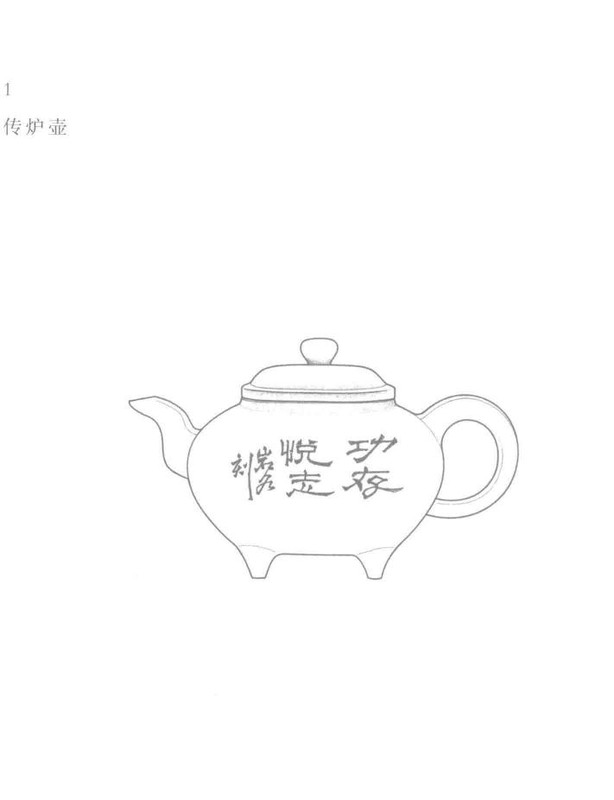
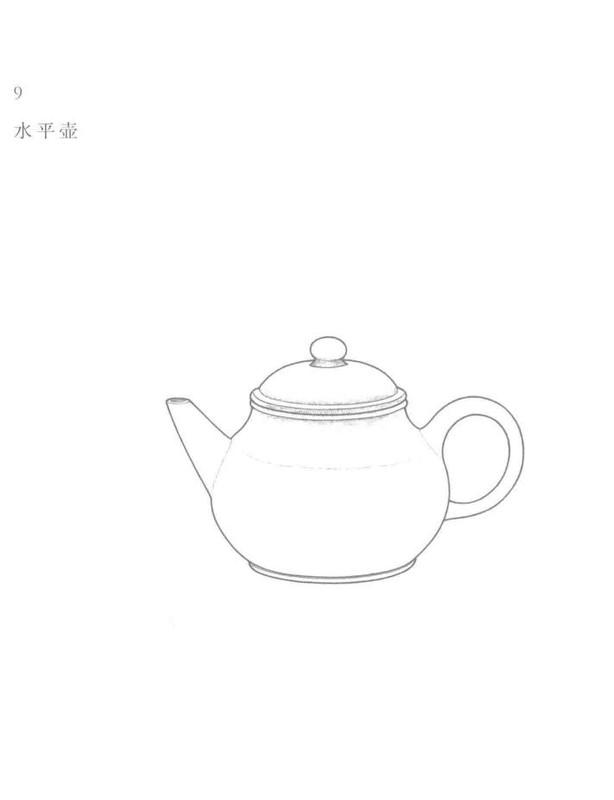
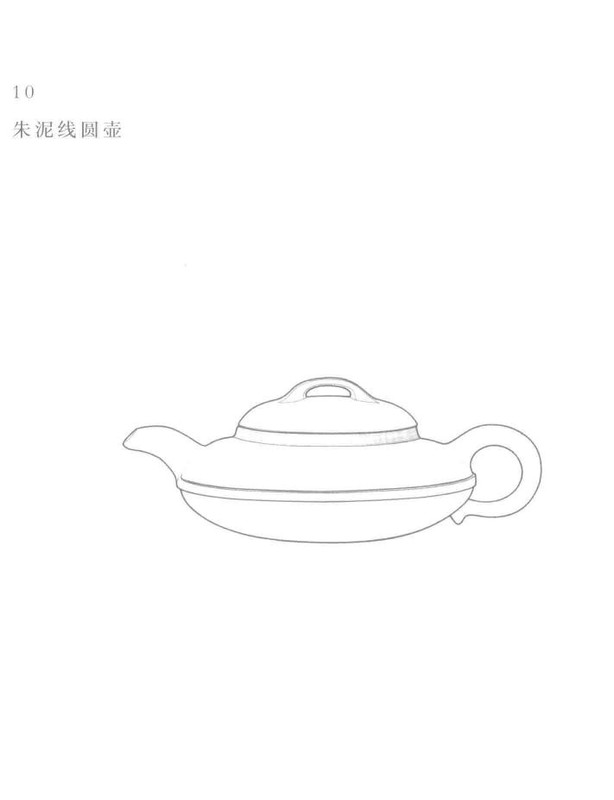
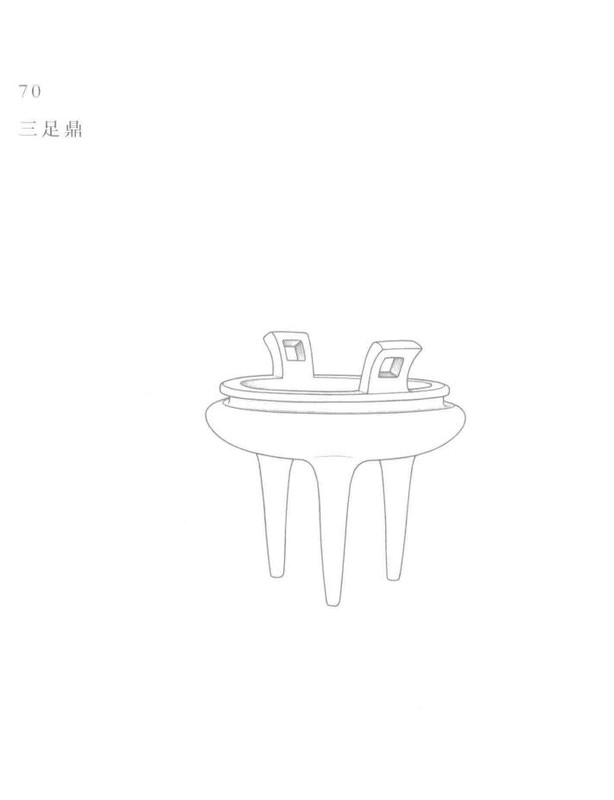
三足鼎
Explore this classic Yixing pottery design and its significance in tea culture
The San Zu Ding: Ancient Ritual Meets Modern Tea Culture
When you first encounter a San Zu Ding (三足鼎) teapot, you might do a double-take. This isn’t your typical rounded Yixing vessel. Instead, you’re looking at something that seems to have walked straight out of China’s Bronze Age—a teapot standing proudly on three legs, echoing the ceremonial vessels that once held offerings to ancestors and heaven itself.
The name tells you everything: “san” (三) means three, “zu” (足) means foot or leg, and “ding” (鼎) refers to those ancient bronze cauldrons that symbolized power, legitimacy, and the connection between earthly rulers and the divine realm. To brew tea in a San Zu Ding is to participate in a conversation that spans millennia.
A Design Rooted in Reverence
The original ding vessels weren’t made for tea—they couldn’t be, since tea culture as we know it didn’t emerge until much later in Chinese history. These bronze tripods were ritual objects, used during the Shang and Zhou dynasties (roughly 1600-256 BCE) for cooking sacrificial offerings and storing precious foods during ceremonies. The most famous, the Simuwu Ding, weighs over 800 kilograms and stands as a testament to ancient metallurgical prowess.
So why would Yixing potters, working with purple clay centuries later, choose to reference these ancient forms? The answer lies in Chinese aesthetic philosophy, where the past isn’t simply history—it’s a living source of meaning and legitimacy. By the time Yixing pottery reached its golden age during the Ming and Qing dynasties, Chinese scholars and artists were deeply engaged with antiquarianism, studying and reinterpreting ancient forms.
The San Zu Ding teapot represents this cultural dialogue. It takes the gravitas and symbolic weight of ritual bronze and translates it into the intimate, personal act of brewing tea. What once connected emperors to heaven now connects you to your afternoon oolong.
The Architecture of Three
Let’s talk about those three legs. They’re not just decorative—they’re structurally and symbolically significant.
From a practical standpoint, the tripod configuration creates remarkable stability. Unlike four-legged furniture, which can wobble on uneven surfaces, three points of contact always define a plane. Your San Zu Ding sits steady on any tea table, whether it’s a perfectly level modern surface or a rustic wooden board with character (and irregularities).
The legs also elevate the body of the pot, creating airflow underneath. This might seem minor, but it affects how the pot cools between infusions and how heat distributes during brewing. That small gap between pot and table becomes part of the thermal dynamics of your tea session.
Symbolically, three is a number loaded with meaning in Chinese culture. It appears in the San Cai (三才)—the three powers of heaven, earth, and humanity. It’s the number of harmony and balance, the minimum needed to create stability from multiplicity. When you brew tea in a San Zu Ding, you’re not just making a beverage; you’re enacting a small ritual of balance.
The body of a San Zu Ding typically echoes the rounded or slightly angular forms of ancient bronzes. Some versions feature a more spherical body, while others adopt a more angular, almost faceted appearance. The spout and handle are usually kept relatively simple—the legs are the stars of this show, and good design knows when to let a strong element speak for itself.
Yixing Clay: The Material That Remembers
Before we go further, we need to talk about why Yixing pottery matters so much to serious tea drinkers. The clay from the Yixing region in Jiangsu Province isn’t like other pottery clay. It’s porous, with a unique mineral composition that includes iron oxide, quartz, and mica. This porosity means the clay “breathes” and absorbs trace amounts of the tea oils over time.
This is why devoted tea enthusiasts dedicate a Yixing pot to a single type of tea. Brew nothing but aged sheng puerh in your pot for a year, and the clay begins to hold the memory of those sessions. The pot becomes seasoned, and some claim that eventually, you could brew tea with hot water alone—the pot itself contributing flavor.
The San Zu Ding, with its traditional form, is typically crafted from the classic zisha (purple sand) clay, though you’ll also find versions in hongni (red clay) or duanni (yellow clay). Each clay type has different porosity, heat retention, and aesthetic qualities. The purple clay tends to be the most versatile, while red clay is often preferred for richer, more oxidized teas.
Which Teas Find Their Home Here?
Here’s where things get interesting. The San Zu Ding’s design influences which teas it brews best.
The elevated body and typically thicker walls (needed to support the structural demands of the legs) mean this pot retains heat well. It’s not the best choice for delicate green teas or light oolongs that can turn bitter with too much heat. Instead, the San Zu Ding excels with teas that want—even demand—sustained high temperatures.
Aged Puerh: This is perhaps the ideal match. Aged sheng puerh and ripe shou puerh both benefit from sustained heat to fully release their complex, earthy, sometimes medicinal flavors. The San Zu Ding’s heat retention helps extract the depth these teas have developed over years or decades of aging. There’s also something poetically appropriate about brewing ancient tea in a pot that references ancient forms.
Heavily Roasted Oolongs: Think traditional Wuyi rock teas or heavily roasted Tieguanyin. These teas have been transformed by fire, their flavors deepened and concentrated through roasting. They need heat to open up, to release those roasted, mineral, sometimes fruity notes. The San Zu Ding provides that sustained warmth.
Black Teas: Particularly Chinese black teas like Dian Hong or Keemun. These teas have the body and structure to stand up to the pot’s heat retention. You’ll get fuller extraction of their malty, sometimes chocolatey or fruity characteristics.
Aged White Tea: This is a less obvious choice, but aged white tea (think 5+ years old) develops complexity that benefits from the treatment you’d give puerh. The San Zu Ding can help coax out the deeper, more developed flavors while maintaining the tea’s inherent smoothness.
Brewing Wisdom: Working With Your San Zu Ding
If you’re bringing a San Zu Ding into your tea practice, here’s what you need to know.
Seasoning Your Pot: Before first use, give your pot a proper introduction to its purpose. Rinse it with hot water, then brew several rounds of the tea you plan to dedicate it to, discarding the liquor. This begins the seasoning process and removes any clay dust from manufacturing.
Temperature Management: Because the San Zu Ding retains heat well, you might actually want to use water slightly below boiling for some teas, especially if you’re brewing something on the border of what this pot handles well. For puerh and heavily roasted oolongs, go ahead with full boiling water.
Infusion Timing: Start short—maybe 10-15 seconds for your first infusion—and adjust from there. The heat retention means extraction happens efficiently. You can always steep longer, but you can’t un-steep an over-extracted tea.
The Pour: Pay attention to how your specific pot pours. The elevated body and the need to balance the weight of water in the pot with the tripod base means the pouring dynamics might feel different from other Yixing pots. Some San Zu Ding designs pour with a strong, confident stream; others are more gentle. Get to know your pot’s personality.
Between Sessions: After brewing, rinse your pot with hot water and let it air dry completely before storing. Never use soap—remember, the clay is porous and will absorb anything you use to clean it. The patina that develops over time is desirable, a record of your tea journey.
Handling: Those three legs make the pot stable when sitting, but they also create a different balance when you’re lifting and pouring. The weight distribution is different from a flat-bottomed pot. Take a moment to get comfortable with how it feels in your hand before you’re pouring over your favorite teacup.
The Ritual Dimension
There’s something about using a San Zu Ding that changes the energy of a tea session. Maybe it’s the visual reference to ancient ritual, or maybe it’s simply that the unusual form makes you more mindful, more present. You can’t go on autopilot when your teapot is standing on three legs like a bronze vessel from a museum.
This is part of why traditional forms persist in tea culture. They’re not just about aesthetics or nostalgia—they’re about creating a sense of occasion, of stepping slightly outside ordinary time. When you brew tea in a San Zu Ding, you’re not just making a drink; you’re participating in a practice that connects you to centuries of Chinese cultural refinement.
Some tea practitioners like to use their San Zu Ding for special occasions or when brewing particularly precious teas. Others make it their daily driver, finding that the ritual quality enhances even routine tea sessions. There’s no wrong approach—the pot serves the practice you bring to it.
Living With Your San Zu Ding
Over time, your San Zu Ding will change. The clay will darken slightly, developing a subtle sheen from the tea oils. If you’re brewing puerh, you might notice a faint aroma even when the pot is empty and dry—the clay remembering its purpose.
This transformation is part of the appeal of Yixing pottery. Your pot becomes uniquely yours, shaped by your choices, your teas, your practice. No two seasoned Yixing pots are exactly alike, even if they started as identical pieces from the same potter.
The San Zu Ding, with its reference to ancient forms, seems particularly suited to this slow transformation. There’s something fitting about an object that references the past becoming a record of your personal tea history.
Finding Your San Zu Ding
If you’re interested in acquiring a San Zu Ding, look for reputable dealers who specialize in Yixing pottery. Quality varies enormously, from factory-made pots to pieces by master craftspeople. For your first San Zu Ding, a mid-range pot from a skilled artisan is probably ideal—good enough to appreciate the form and function, but not so precious that you’re afraid to use it.
Pay attention to the balance and weight distribution. Pick it up (empty) and see how it feels. Check that the legs are even and the pot sits stable. Look at the spout—does it align well with the body? These details matter for daily use.
And remember: the best teapot is the one you’ll actually use. A San Zu Ding sitting on a shelf is just a sculpture. A San Zu Ding in regular rotation, brewing tea, developing patina, becoming part of your practice—that’s a living object, fulfilling its purpose.
Conclusion: Ancient Forms, Present Moments
The San Zu Ding reminds us that tea culture isn’t just about the beverage—it’s about the entire constellation of objects, practices, and meanings that surround the act of brewing and drinking. By choosing a pot that references ancient ritual vessels, we’re not being pretentious or overly reverent. We’re acknowledging that the objects we use shape our experience, and that sometimes, a connection to the past enriches the present moment.
Your tea doesn’t taste better because your pot has three legs instead of sitting flat. But your experience of brewing and drinking might be different—more mindful, more connected to tradition, more aware of participating in something larger than a simple beverage break.
And isn’t that, ultimately, what draws us to tea culture in the first place? The way a simple plant, some hot water, and the right vessel can create a moment of peace, reflection, and connection—to ourselves, to tradition, to the present moment standing on three legs, perfectly balanced.