鹧鸪提梁壶
Explore this classic Yixing pottery design and its significance in tea culture
The Zhegu Tiliang Hu: A Graceful Bridge Between Tradition and Tea
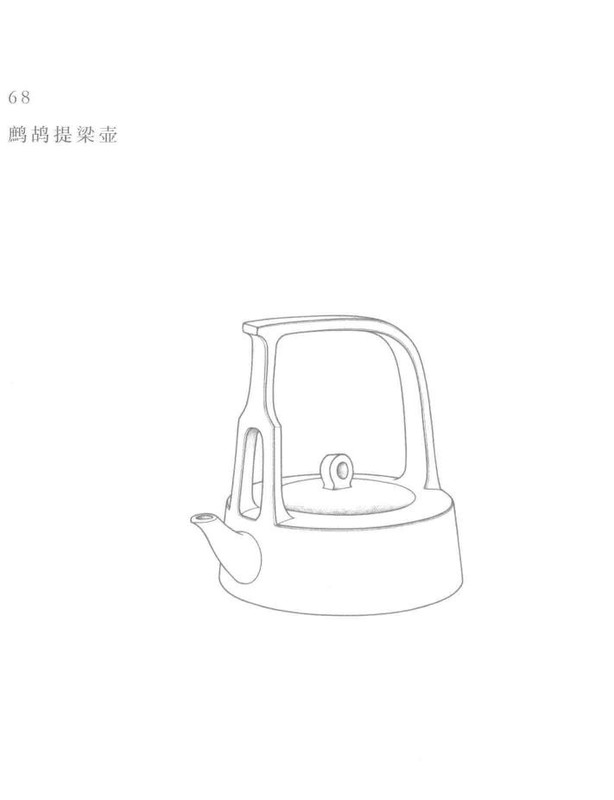
When you first encounter a 鹧鸪提梁壶 (zhègū tíliáng hú), you’re witnessing one of Yixing pottery’s most elegant expressions of form meeting function. This isn’t just another teapot—it’s a design that has captivated tea enthusiasts for generations with its distinctive overhead handle and timeless silhouette.
The name itself tells a story. “Zhegu” refers to the francolin partridge, a bird celebrated in Chinese poetry for its beautiful plumage and graceful movements. “Tiliang” means “lifting beam” or “overhead handle.” Together, they evoke an image of effortless grace—much like watching a bird take flight, the pot’s arching handle seems to lift skyward with natural elegance.
A Design That Defies Gravity
The most striking feature of the Zhegu Tiliang Hu is undoubtedly its overhead handle. Unlike the side-mounted handles found on most Western teapots, this arching bridge rises from the pot’s body, creating a sculptural element that’s both practical and beautiful. When you lift a tiliang pot, the weight distributes differently—there’s a centered balance that feels almost meditative in your hand.
The body itself typically presents a rounded, slightly compressed form that sits low and stable. This isn’t a tall, imposing vessel; rather, it embraces a grounded aesthetic that speaks to the earthiness of Yixing clay itself. The proportions are carefully considered—the body must be substantial enough to brew a satisfying amount of tea, yet not so large that it becomes unwieldy when suspended from that graceful overhead handle.
The spout curves outward with purpose, designed to pour cleanly without dripping. Traditional examples often feature a slightly downturned tip, which helps control the flow and prevents those frustrating last drops that can stain your tea table. The lid sits snugly within the rim, sometimes with a small knob that echoes the curves found elsewhere in the design, creating visual harmony across the entire piece.
Roots in Chinese Tea Culture
The tiliang style emerged during a period when Chinese tea culture was evolving from the powdered tea ceremonies of earlier dynasties toward the whole-leaf brewing methods we recognize today. While we can’t pinpoint an exact date for the Zhegu Tiliang Hu’s first appearance, this overhead handle design has deep roots in Chinese pottery traditions that extend back centuries.
What makes this design particularly fascinating is how it bridges practical needs with aesthetic aspirations. The overhead handle wasn’t merely decorative—it served real purposes in traditional tea settings. When brewing tea over a small charcoal brazier or in cramped quarters, an overhead handle allowed the pot to be lifted straight up without requiring clearance on the sides. It also kept the handle further from the heat source, making it more comfortable to grasp even when the pot’s body was quite hot.
The francolin reference in its name connects to a broader tradition in Chinese decorative arts of drawing inspiration from nature. The partridge appears frequently in classical poetry as a symbol of longing and beauty, and naming a teapot after this bird elevates the object beyond mere utility into the realm of cultural expression.
The Magic of Yixing Clay
No discussion of this teapot would be complete without addressing the material itself. Yixing clay, sourced from the Jiangsu province region, possesses unique properties that have made it the gold standard for Chinese teapots for centuries. The clay is naturally porous, allowing it to breathe while retaining heat effectively—a perfect combination for brewing tea.
What’s particularly special about Yixing clay is how it develops a relationship with the tea you brew in it. Over time, the pot absorbs trace amounts of tea oils and compounds, building up what enthusiasts call a “patina.” This seasoning process means your pot becomes increasingly attuned to the specific tea you brew in it, subtly enhancing the flavor with each use.
The Zhegu Tiliang Hu’s form takes full advantage of these clay properties. The rounded body provides ample surface area for heat retention, while the thick walls characteristic of traditional Yixing work help maintain stable brewing temperatures. The clay’s natural iron content also interacts beneficially with tea compounds, potentially softening harsh notes and bringing out deeper flavors.
Finding the Perfect Tea Match
So what should you brew in a Zhegu Tiliang Hu? The answer depends partly on the specific clay used and the pot’s size, but there are some general guidelines that can help you make the most of this classic design.
Oolong teas are perhaps the most natural pairing. The pot’s heat retention properties work beautifully with oolongs that benefit from sustained high temperatures. A traditional Wuyi rock oolong, with its roasted character and complex mineral notes, finds a perfect home in this pot. The clay’s ability to smooth rough edges helps balance the roasted intensity while allowing the tea’s natural sweetness to shine through.
Aged raw pu-erh is another excellent choice. These teas need heat and time to fully open up, and the Zhegu Tiliang Hu provides both. The pot’s thermal mass keeps the leaves at an optimal temperature throughout multiple infusions, while the clay’s interaction with the tea can help mellow any remaining astringency in younger aged teas.
Black teas, particularly Chinese varieties like Keemun or Dian Hong, also pair wonderfully with this pot style. The clay enhances the malty, sweet characteristics of these teas while providing the steady heat they need to fully express their flavor profiles.
What you’ll want to avoid are delicate green teas or white teas that prefer lower brewing temperatures. The Zhegu Tiliang Hu’s heat retention, while perfect for oolongs and pu-erh, can be too intense for these gentler teas, potentially bringing out bitter or astringent notes.
Brewing Wisdom: Getting the Most from Your Pot
Using a Zhegu Tiliang Hu effectively requires understanding its particular characteristics. Here’s how to approach brewing with this classic design:
Seasoning your pot is the essential first step. Before brewing tea, rinse the pot thoroughly with hot water several times. Then brew a batch of the tea you plan to dedicate this pot to—yes, dedicate. Traditional wisdom holds that you should use a Yixing pot for only one type of tea, allowing it to develop a specific character. Brew several rounds, discarding the tea, to begin building that relationship between clay and leaf.
Preheating is crucial. Fill your pot with boiling water and let it sit for a minute before discarding and adding your tea leaves. This ensures the pot is thoroughly warmed and won’t steal heat from your first infusion. With the overhead handle design, you can easily lift and swirl the pot during this preheating phase.
Leaf quantity matters more than you might think. The Zhegu Tiliang Hu’s rounded body means leaves have room to expand fully. Start with about one-third of the pot’s volume in dry leaves for most oolongs and pu-erhs, adjusting based on your taste preferences and the specific tea’s characteristics.
Pouring technique takes advantage of the overhead handle’s unique properties. Grip the handle firmly at its apex, allowing the pot to pivot naturally from this central point. The pour should be smooth and controlled—the traditional design ensures good balance even when the pot is full.
Multiple infusions are where this pot truly shines. The clay’s heat retention means your second, third, and fourth infusions maintain consistent temperatures, allowing you to explore how the tea evolves across multiple steepings. Many enthusiasts find that oolongs and pu-erhs reach their peak expression in the middle infusions when brewed in a well-seasoned Yixing pot.
Caring for Your Zhegu Tiliang Hu
Maintaining a Yixing pot is simpler than you might expect, but there are some important guidelines. Never use soap or detergent—the porous clay will absorb these chemicals, ruining your tea’s flavor. Instead, rinse thoroughly with hot water after each use.
After rinsing, leave the lid off and allow the pot to air dry completely. The overhead handle design actually helps here, as you can hang the pot if needed to ensure thorough drying. Never store the pot with the lid on while damp, as this can lead to musty odors developing in the clay.
Over time, you’ll notice the exterior developing a subtle sheen—this is the patina building up, a sign of a well-loved pot. Some enthusiasts gently brush the exterior with leftover tea during brewing sessions, accelerating this patina development and deepening the pot’s character.
Why This Design Endures
In an age of modern brewing devices and precision temperature control, why does the Zhegu Tiliang Hu remain relevant? The answer lies in what it offers beyond mere functionality.
There’s a meditative quality to brewing tea with a traditional Yixing pot. The ritual of preheating, the careful measurement of leaves, the attention to water temperature—these aren’t obstacles to convenience but invitations to mindfulness. The overhead handle’s graceful arc reminds you to slow down, to appreciate the moment.
The pot also represents a connection to centuries of tea culture. When you lift a Zhegu Tiliang Hu, you’re performing a gesture that countless tea lovers have performed before you, each building their own relationship with clay and leaf. This continuity, this sense of participating in a living tradition, adds depth to the simple act of brewing tea.
Choosing Your Own Zhegu Tiliang Hu
If you’re considering adding one of these pots to your collection, look for certain qualities. The clay should have a natural, unglazed appearance with a subtle texture—overly smooth or shiny surfaces might indicate lower-quality clay or artificial treatments. The overhead handle should feel substantial and well-attached, with smooth transitions where it joins the body.
Check the fit of the lid—it should sit snugly without wobbling, and when you cover the spout hole and pour, air shouldn’t escape around the lid’s edges. This indicates good craftsmanship and proper firing. The spout should align naturally with the handle’s arc, creating visual balance.
Size matters too. Smaller pots (100-150ml) work well for solo sessions or when exploring expensive teas, while larger versions (200-300ml) suit sharing tea with friends. The Zhegu Tiliang Hu’s design scales beautifully across sizes, maintaining its elegant proportions whether petite or substantial.
A Pot That Rewards Patience
The Zhegu Tiliang Hu isn’t for everyone. If you want convenience and speed, a modern brewing vessel might serve you better. But if you’re drawn to the intersection of art and utility, if you appreciate objects that deepen with use, if you find joy in the ritual of tea preparation—then this classic design offers something special.
Each brewing session becomes a conversation between you, the pot, and the tea. The clay remembers, the handle guides, and the tea reveals itself in layers. Over months and years, your Zhegu Tiliang Hu transforms from a beautiful object into a trusted companion in your tea journey.
That’s the real magic of this design: it doesn’t just brew tea—it invites you into a relationship with the entire process, connecting you to tradition while creating your own unique story with every pour.