汉君壶
Explore this classic Yixing pottery design and its significance in tea culture
The Han Jun Hu (汉君壶): A Timeless Expression of Yixing Mastery
When you hold a Han Jun Hu in your hands, you’re not just cradling a teapot—you’re connecting with centuries of Chinese ceramic tradition. This classic Yixing design, whose name translates roughly to “Han Dynasty Gentleman’s Pot,” embodies the refined elegance that has made Yixing pottery legendary among tea enthusiasts worldwide.
A Design Rooted in Imperial Elegance
The Han Jun Hu takes its name from the Han Dynasty (206 BCE – 220 CE), one of China’s most culturally influential periods. While the exact origins of this particular design remain shrouded in the mists of tea history, its aesthetic clearly draws inspiration from the clean lines and dignified proportions favored during that golden age of Chinese civilization.
What makes the Han Jun Hu particularly special is how it balances strength with grace. Unlike some Yixing designs that lean heavily into ornate decoration or whimsical shapes, the Han Jun Hu speaks through restraint. It’s the teapot equivalent of a perfectly tailored suit—nothing excessive, everything intentional.
The name itself carries weight. “Jun” (君) means “gentleman” or “noble person,” suggesting this pot was designed for someone of refined taste and cultural sophistication. In traditional Chinese culture, the gentleman scholar was someone who appreciated the finer things not for ostentation, but for their inherent beauty and the mindfulness they inspired. This teapot embodies that philosophy perfectly.
Visual Characteristics: Where Form Meets Function
At first glance, the Han Jun Hu might seem deceptively simple. But spend time with one, and you’ll discover layers of thoughtful design that reveal themselves gradually—much like a fine tea opening up through multiple infusions.
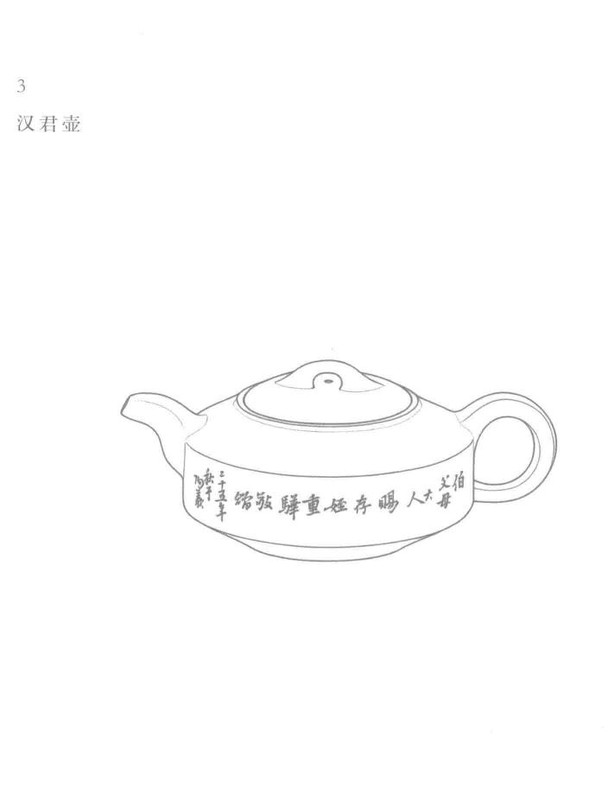
The body typically features a rounded, slightly compressed form that sits low and stable. This isn’t just aesthetic; it’s functional genius. The wider, shorter profile increases the surface area of tea leaves in contact with water, promoting even extraction and allowing leaves to unfurl completely. The gentle curves also make the pot comfortable to grip, even when filled with boiling water.
The spout deserves special attention. On a well-crafted Han Jun Hu, it flows naturally from the body in a smooth, confident arc—not too aggressive, not too timid. When you pour, the water should emerge in a clean, controlled stream that cuts off crisply without dribbling. This precision comes from generations of refinement, with potters adjusting the internal channel and lip angle to achieve that perfect pour.
The handle typically arches gracefully, providing ample room for fingers while maintaining visual balance with the spout. Many Han Jun Hu designs feature a handle that’s slightly squared or angular, creating an interesting contrast with the rounded body. This interplay between curves and angles gives the pot dynamic visual interest without becoming busy or cluttered.
The lid is another masterclass in functional design. It should fit snugly enough to retain heat and aroma, yet lift off smoothly without sticking. Many feature a simple button or bridge-style knob that’s easy to grasp. When you pour with the lid in place, air should flow freely enough that the pot doesn’t glug or sputter—a sign of proper engineering.
The Magic of Yixing Clay
What truly sets the Han Jun Hu apart isn’t just its shape, but the material from which it’s crafted. Yixing clay, sourced from the Jiangsu province region, possesses unique properties that have made it the gold standard for teapots for over 500 years.
This clay is naturally porous, containing tiny air pockets that allow the pot to “breathe.” Over time and repeated use, these pores absorb trace amounts of tea oils and compounds, gradually seasoning the pot. This is why serious tea drinkers dedicate each Yixing pot to a single type of tea—the pot becomes a partner in the brewing process, contributing its accumulated character to each infusion.
The clay’s thermal properties are equally impressive. It retains heat beautifully while remaining comfortable to handle, and it distributes temperature evenly throughout the brewing chamber. This prevents hot spots that might scorch delicate leaves or create uneven extraction.
Different Yixing clays produce different colors and textures. Han Jun Hu pots might be crafted from purple clay (zisha), red clay (hongni), or other variations, each bringing subtle differences to the brewing experience. Purple clay tends to be more porous and is often recommended for oolong and pu-erh teas. Red clay, being slightly denser, works wonderfully with black teas and aged oolongs.
Historical Context: A Living Tradition
While we can’t pinpoint the exact moment the Han Jun Hu design emerged, we know it belongs to the classical tradition of Yixing pottery that flourished during the Ming (1368-1644) and Qing (1644-1912) dynasties. This was when Yixing teapots evolved from simple utilitarian vessels into objects of artistic expression and cultural significance.
During these periods, scholar-artists began collaborating with master potters, bringing calligraphy, poetry, and refined aesthetic principles to teapot design. The Han Jun Hu reflects this marriage of art and function—it’s beautiful enough to display, yet designed primarily to brew exceptional tea.
The design has endured because it works. In an era of constant innovation and novelty, there’s something deeply satisfying about a form that has proven itself over centuries. Each generation of potters has refined the proportions, adjusted the curves, and perfected the details, but the essential character remains unchanged.
Today’s Han Jun Hu pots continue this tradition. Whether crafted by a recognized master or a skilled artisan, each pot carries forward the accumulated wisdom of countless potters who came before. When you brew tea in a Han Jun Hu, you’re participating in a ritual that connects you to centuries of tea culture.
Tea Pairing: Finding the Perfect Match
One of the joys of owning a Han Jun Hu is discovering which teas it brings to life most beautifully. While personal preference always plays a role, certain characteristics of this design make it particularly well-suited to specific tea types.
Oolong Teas: This is where the Han Jun Hu truly shines. The pot’s shape and volume are ideal for traditional gongfu-style brewing of oolongs. Whether you’re working with a lightly oxidized Tie Guan Yin or a heavily roasted Da Hong Pao, the Han Jun Hu’s even heat distribution and breathing clay help develop the tea’s complex aromatics. The wider body gives rolled oolong leaves plenty of room to unfurl, while the clay’s porosity softens any harsh edges and enhances the tea’s natural sweetness.
Aged Pu-erh: The Han Jun Hu’s ability to maintain steady heat makes it excellent for coaxing depth and complexity from aged pu-erh teas. The clay’s seasoning over time can complement the earthy, woody notes these teas develop, creating a harmonious brewing experience. The pot’s size is also typically perfect for the quick, multiple infusions that pu-erh demands.
Black Teas: Chinese black teas (hongcha) like Keemun or Dian Hong pair beautifully with the Han Jun Hu. The clay’s heat retention brings out the malty sweetness and rich body these teas are known for, while its breathability prevents the brew from becoming overly astringent.
What to Avoid: Generally, you’ll want to skip delicate green teas and white teas in your Han Jun Hu. These teas require lower temperatures and shorter steeping times, and the Yixing clay’s heat retention can easily lead to over-extraction. Save your Han Jun Hu for teas that appreciate sustained heat and multiple infusions.
Brewing Advice: Getting the Most from Your Han Jun Hu
Owning a Han Jun Hu is the beginning of a relationship, not a one-time transaction. Here’s how to develop that relationship into something truly special.
Seasoning Your New Pot: Before first use, give your pot a proper introduction to its purpose. Rinse it thoroughly with hot water, then simmer it gently in a pot of water with some tea leaves (the type you plan to dedicate it to) for 30-60 minutes. This opens the clay’s pores and begins the seasoning process. Let it cool naturally, rinse again, and it’s ready for service.
The Dedication Principle: Choose one type of tea—or at least one category—and stick with it. Your pot will gradually absorb the character of that tea, enhancing future brews. Switching between, say, oolong and pu-erh will create a muddled flavor profile that doesn’t do justice to either tea.
Temperature Matters: Preheat your Han Jun Hu by filling it with hot water and letting it sit for a minute before discarding the water and adding your tea. This ensures the pot is at optimal temperature and won’t shock your leaves with a sudden temperature drop.
Leaf-to-Water Ratio: The Han Jun Hu’s shape works best with a generous amount of leaf—typically filling the pot about one-third to one-half full with dry leaves. This might seem like a lot, but remember, you’re doing multiple short infusions, not a single long steep.
Infusion Timing: Start with very short infusions—10 to 20 seconds for the first brew—and gradually increase the time with each subsequent infusion. A good tea in a well-seasoned Han Jun Hu can easily give you 6-10 excellent infusions, each revealing different facets of the tea’s character.
Cleaning and Care: After your tea session, simply rinse the pot with hot water—no soap, ever. The clay is porous and will absorb soap, ruining your carefully developed seasoning. Let the pot air dry completely with the lid off before storing. Over time, you’ll notice the pot developing a subtle sheen—this patina is a badge of honor, evidence of countless satisfying tea sessions.
The Patience Factor: Don’t expect magic immediately. A new Han Jun Hu is like a new cast-iron skillet—it needs time and use to develop its full potential. After dozens of tea sessions, you’ll notice the pot pouring more smoothly, retaining heat more effectively, and contributing a subtle roundness to your tea’s flavor. This is the seasoning at work.
Why the Han Jun Hu Endures
In a world of endless options and constant innovation, the Han Jun Hu’s continued popularity speaks to something fundamental about good design. It doesn’t chase trends or try to reinvent the wheel. Instead, it perfects a form that has proven itself over centuries.
For the tea enthusiast, owning a Han Jun Hu is about more than having a functional brewing vessel. It’s about connecting with tradition, developing a relationship with an object that improves with use, and participating in a ritual that encourages mindfulness and appreciation.
Each time you brew tea in your Han Jun Hu, you’re adding another layer to its story. The pot remembers every session, every tea, every quiet moment of contemplation. It becomes uniquely yours, seasoned by your preferences and habits, a silent partner in your tea journey.
Whether you’re just beginning to explore the world of Yixing pottery or you’re a seasoned collector, the Han Jun Hu offers something special: a design that honors the past while remaining perfectly suited to the present. It’s a reminder that sometimes, the old ways endure because they simply work—and work beautifully.
So if you’re considering adding a Han Jun Hu to your tea table, know that you’re not just buying a teapot. You’re beginning a relationship that, with care and attention, will deepen and improve for years to come. And really, isn’t that what the best tea experiences are all about?