一 03
Explore this classic Yixing pottery design and its significance in tea culture
The Timeless Elegance of Yixing’s Classic Form: A Journey Through Clay and Tea
When you hold a traditional Yixing teapot in your hands, you’re not just touching clay—you’re connecting with centuries of Chinese tea culture. Today, we’re exploring a classic design that embodies everything tea enthusiasts cherish about these remarkable vessels: the understated beauty of form, the whisper of history in every curve, and the promise of countless perfect brews to come.
A Design Rooted in Tradition
Known simply by its Chinese designation “一 03” (Yī líng sān), this teapot represents the essence of classical Yixing craftsmanship. While its name might seem minimalist, there’s profound meaning in this simplicity. In Chinese culture, the character “一” (yī) means “one”—representing unity, wholeness, and the beginning of all things. It’s a fitting name for a design that strips away unnecessary embellishment to reveal the pure soul of what a teapot should be.
This isn’t a pot that shouts for attention with elaborate dragons or intricate carvings. Instead, it speaks in the quiet language of proportion, balance, and functional beauty. It’s the kind of piece that grows on you slowly, revealing new subtleties each time you use it, much like a favorite tea that unfolds different notes with each steeping.
The Visual Poetry of Clay
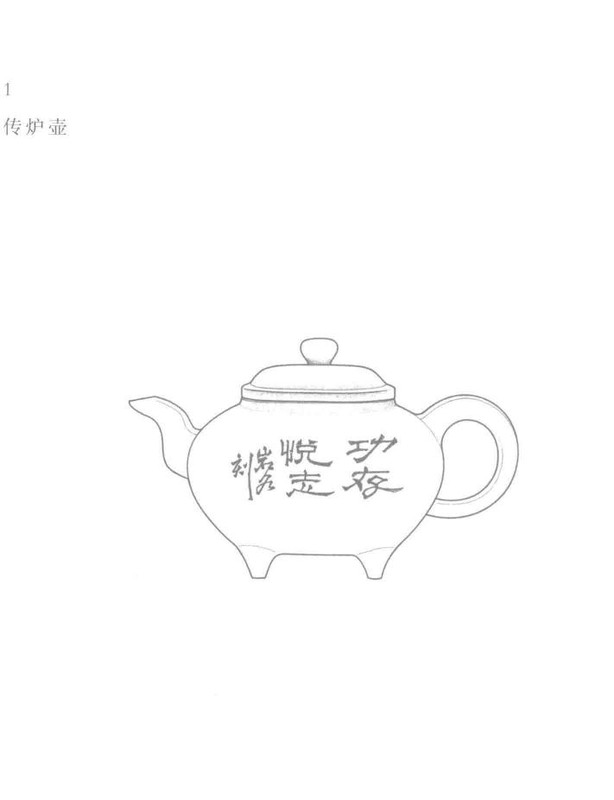
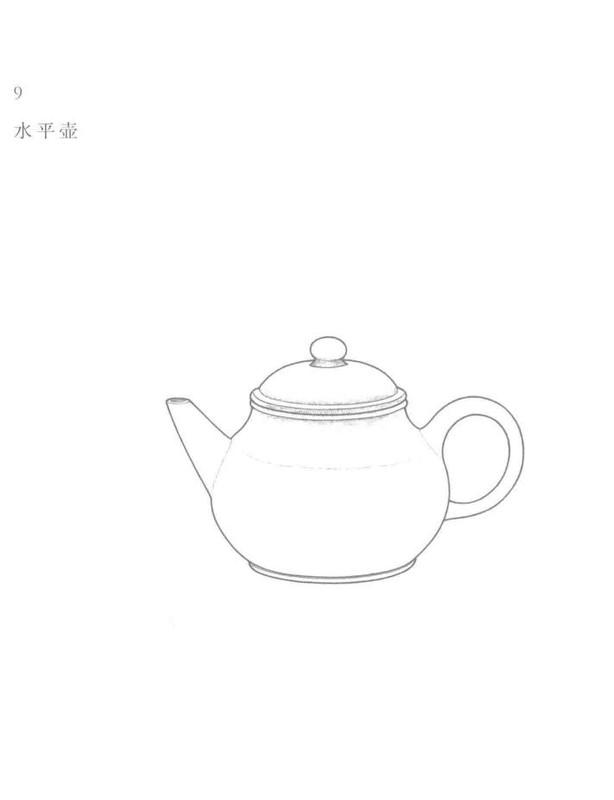
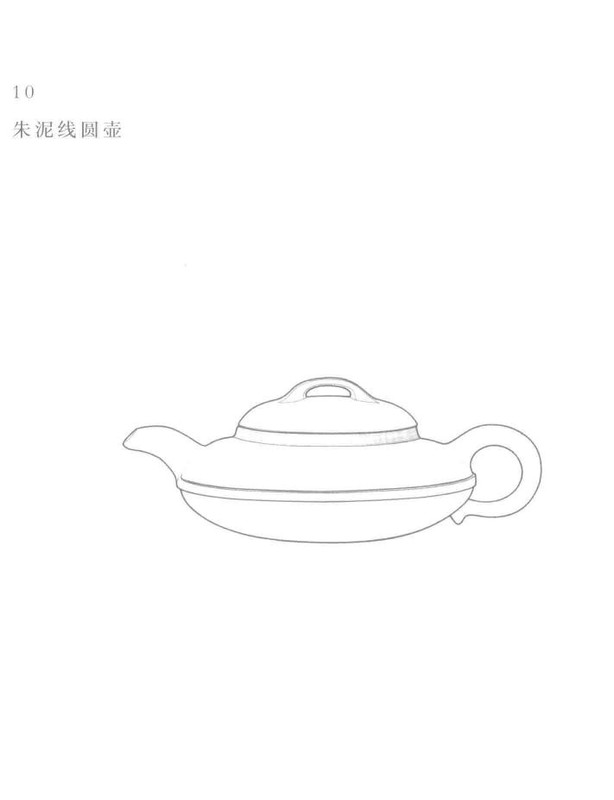
What makes this classic design so captivating is its commitment to essential form. The body typically features gentle, flowing curves that feel organic and natural—as if the clay itself decided how it wanted to be shaped. There’s no fighting against the material here; instead, the potter works in harmony with the Yixing clay’s inherent properties.
The spout emerges from the body with purposeful grace, neither too aggressive nor too timid. It’s positioned to pour with precision, creating that satisfying arc of tea that every enthusiast knows and loves. Watch closely as you pour, and you’ll notice how the stream maintains its integrity without dribbling or splashing—this is the mark of thoughtful design refined over generations.
The handle curves in a way that feels inevitable, as if there could be no other shape. When you lift the pot, your fingers find their natural position without thought. This ergonomic wisdom didn’t come from modern design studies but from countless potters over centuries, each one making tiny adjustments until the form achieved perfection.
The lid sits with satisfying precision, creating a seal that’s tight enough to retain heat and aroma but never so snug that you struggle to remove it. There’s often a subtle lip or flange that guides the lid into place—a detail you might not notice consciously but that your hands appreciate every time you brew.
Clay That Breathes and Remembers
Traditional Yixing pottery is crafted from the region’s famous zisha clay—literally “purple sand”—though the actual color can range from deep reddish-brown to warm honey tones, depending on the specific clay body and firing temperature. This isn’t ordinary clay. Its unique mineral composition creates a porous structure that’s dense enough to hold water but breathable enough to interact with your tea.
This porosity is what makes Yixing pots legendary among tea lovers. The clay absorbs trace amounts of tea oils and compounds with each brewing session, gradually building up a patina that tea enthusiasts call “tea memory.” Over months and years of dedicated use, your pot becomes seasoned specifically to the type of tea you brew in it, enhancing and deepening the flavor profile with each use.
The surface texture of classic Yixing pieces often has a subtle granularity—not rough, but with enough tooth to feel alive under your fingertips. This texture comes from the clay’s natural composition and the traditional firing process. As you use your pot over time, this surface develops a soft sheen from the tea oils and the natural oils from your hands, creating a glow that no glaze could replicate.
A Window into Tea History
While the specific origins of this particular design remain shrouded in the mists of time, it emerges from Yixing’s rich pottery tradition that dates back to the Song Dynasty (960-1279 CE) and truly flourished during the Ming Dynasty (1368-1644 CE). This was when tea culture in China was undergoing a revolution.
Earlier dynasties had favored powdered tea whisked into a froth, but by the Ming period, loose-leaf tea steeped in hot water became the preferred method. This shift demanded new vessels, and Yixing potters rose to the challenge. They created teapots that were smaller and more personal than the large brewing vessels of earlier eras—pots designed for intimate tea sessions where friends could gather and share multiple infusions of fine tea.
The classic designs that emerged during this golden age weren’t created in isolation. They were refined through constant dialogue between potters and tea masters, each group pushing the other toward greater understanding. Tea masters would request specific modifications—a slightly different spout angle for better pouring, a particular capacity for optimal brewing—and potters would experiment with form and clay bodies to meet these needs.
This design philosophy emphasized “yong” (用)—usefulness or function—as the highest form of beauty. A teapot didn’t need elaborate decoration if its form was perfect for its purpose. This aesthetic principle, deeply rooted in Daoist and Chan Buddhist thought, valued simplicity, naturalness, and the beauty of things being exactly what they need to be.
The Perfect Tea Companions
One of the joys of Yixing pottery is how different clay bodies and pot styles pair with different teas. For a classic design like this, you have wonderful versatility, though certain teas will truly shine.
Oolong Teas: This is where classic Yixing pots excel. The moderate porosity of traditional zisha clay is perfect for oolongs, which benefit from a vessel that can breathe while retaining heat. Try it with a traditional Tie Guan Yin (Iron Goddess of Mercy) or a roasted Wuyi rock oolong. The pot will help smooth any rough edges in the tea while amplifying its natural sweetness and floral notes.
Aged Pu-erh: If you dedicate this pot to ripe (shou) pu-erh, you’ll be rewarded with increasingly smooth, rich brews as the pot seasons. The clay helps mellow any earthiness while bringing forward the tea’s natural sweetness and complexity. After a few months of regular use, your pot will become an essential partner in enjoying these aged treasures.
Black Teas: Chinese black teas (called “red tea” in China) like Dian Hong or Keemun work beautifully in classic Yixing pots. The clay’s heat retention brings out the tea’s malty sweetness while tempering any astringency. You’ll notice how the tea develops a silky, rounded mouthfeel that’s harder to achieve in porcelain or glass.
Raw Pu-erh: For younger sheng pu-erh, a well-seasoned Yixing pot can work magic, softening the tea’s sharp edges while preserving its vibrant energy. However, this pairing requires patience—the pot needs time to season before it truly enhances these powerful teas.
What to Avoid: Generally, save your delicate green teas and white teas for porcelain or glass. These teas are too subtle for Yixing clay, which can overwhelm their nuanced flavors. Similarly, heavily scented teas like jasmine or Earl Grey aren’t ideal, as their strong aromatics will season your pot in ways that might clash with other teas.
Brewing Wisdom: Getting the Most from Your Pot
Using a Yixing pot isn’t complicated, but a few practices will help you get the best results and build that coveted patina over time.
Seasoning Your New Pot: Before first use, give your pot a gentle cleaning. Rinse it thoroughly with hot water, then place it in a pot of water with some leaves of the tea type you plan to brew in it. Bring to a gentle simmer for 20-30 minutes, then let it cool naturally. This opens the clay’s pores and gives it an initial seasoning.
The One Tea Rule: Traditional wisdom says to dedicate each Yixing pot to one type of tea—or at least one category. This allows the pot to develop a specific tea memory that enhances your brews. If you love variety, consider building a small collection of pots for different tea types.
Warming the Pot: Always warm your pot with hot water before brewing. This isn’t just about temperature—it’s about waking up the clay and preparing it to interact with your tea. Pour hot water into the pot, swirl it around, then discard. Your pot is now ready.
Water Temperature Matters: The clay retains heat beautifully, so you can often use slightly lower water temperatures than you might with porcelain. For oolongs, try starting around 195°F (90°C) rather than boiling. The pot will maintain the temperature while the clay’s properties help extract the tea’s best qualities.
Multiple Infusions: Yixing pots are designed for gongfu-style brewing with multiple short infusions. Start with 20-30 seconds for the first steep, then gradually increase the time with each subsequent infusion. You’ll be amazed at how many flavorful steeps you can coax from quality tea.
After Brewing Care: When you finish your tea session, empty the leaves and rinse the pot with hot water—no soap, ever. Leave the lid off and let the pot air dry completely. Some enthusiasts gently wipe the exterior with a soft tea cloth while the pot is still warm, helping to build that beautiful patina.
The Patina Journey: Over time, you’ll notice your pot developing a soft sheen, especially on areas you touch frequently. This patina is prized by collectors and users alike. It’s physical evidence of your tea journey, a record of countless peaceful moments spent brewing and sipping.
Living with Your Pot
A classic Yixing pot becomes more than a brewing vessel—it becomes a companion in your tea practice. Each time you use it, you’re adding to its story and deepening your connection with centuries of tea culture.
Pay attention to how your tea evolves as your pot seasons. You might notice that after a month of regular use, your oolong tastes smoother, rounder, more integrated. After six months, the pot seems to know exactly what you want from your tea, bringing forward the notes you love most.
This isn’t magic—it’s the beautiful interaction between clay, tea, and time. The pot’s porous structure holds memory in a very real, physical way. The compounds absorbed from hundreds of brewing sessions create a micro-environment that influences each new pot of tea.
Some tea lovers keep journals noting how their tea tastes as their pot seasons, tracking the subtle changes over months and years. Others simply enjoy the journey without analysis, trusting their palate to notice the improvements.
The Quiet Luxury of Simplicity
In our world of constant stimulation and elaborate design, there’s something deeply satisfying about a teapot that achieves excellence through simplicity. This classic Yixing design doesn’t need to announce itself. It doesn’t compete for attention on your tea table. Instead, it sits quietly, perfectly proportioned, waiting to do what it does best: help you brew exceptional tea.
When you choose a pot like this, you’re choosing to value substance over flash, function over decoration, and timeless design over passing trends. You’re joining a tradition that stretches back centuries, connecting with countless tea lovers who understood that the best tools are those that disappear into the ritual, allowing the tea itself to take center stage.
Whether you’re just beginning your journey with Yixing pottery or adding to an established collection, a classic design like this offers something rare: a piece that will never go out of style, never feel dated, and never stop improving with use. It’s an investment not just in a teapot, but in countless future moments of tea-drinking pleasure.
So fill your pot, pour your tea, and take a moment to appreciate the simple perfection in your hands. That’s the true gift of classic Yixing design—it reminds us that sometimes, the most beautiful things are also the most essential.