折沿烟缸
Explore this classic Yixing pottery design and its significance in tea culture
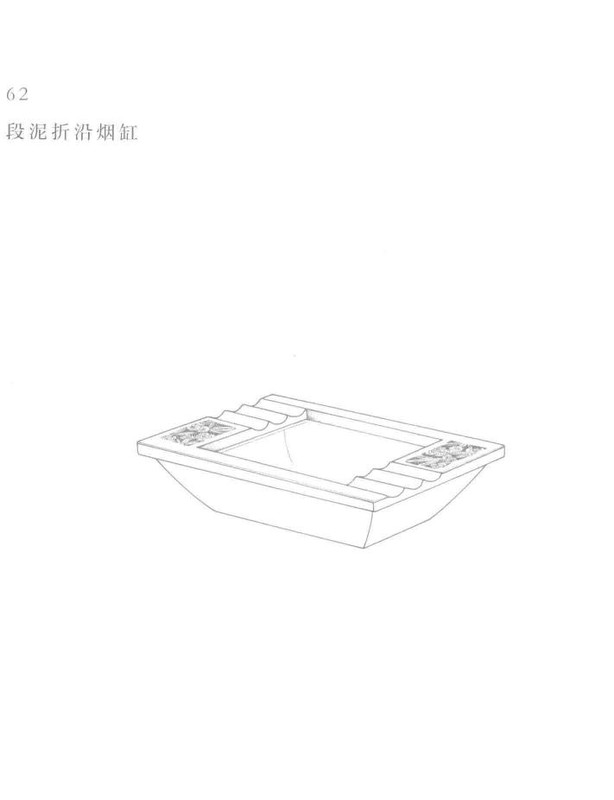
The Zhe Yan Yan Gang (折沿烟缸): A Hidden Gem in Yixing’s Classical Repertoire
When most tea enthusiasts think of Yixing pottery, their minds immediately conjure images of the iconic Shi Piao, the elegant Xi Shi, or perhaps the stately Fang Gu. Yet tucked within the vast catalog of classical Yixing designs lies a fascinating piece that often escapes the spotlight: the Zhe Yan Yan Gang (折沿烟缸), literally translated as “folded rim ash receptacle.”
Now, before you raise an eyebrow at that translation, let’s address the elephant in the room. While the literal name suggests this vessel was originally designed as an ash receptacle—likely for incense or tobacco ash in traditional Chinese settings—its form and craftsmanship have long since transcended its utilitarian origins. Like many classical Yixing shapes, this design has been adapted and reimagined by generations of potters, finding new life as a tea brewing vessel that brings its own unique character to the tea table.
A Design Born from Simplicity
The Zhe Yan Yan Gang embodies a principle that runs deep in Chinese aesthetics: that true elegance emerges not from ornate decoration, but from the perfection of essential form. At first glance, this piece might seem deceptively simple—a rounded body with a distinctive folded or flanged rim that gives the design its name. But spend time with one of these vessels, and you’ll begin to appreciate the subtle sophistication at play.
The “folded rim” (折沿) is the defining characteristic that sets this design apart. Rather than a simple straight edge or gently curved lip, the rim features a deliberate outward fold or flange that creates a visual break between the body and the opening. This architectural detail serves multiple purposes: it adds structural integrity, creates an interesting play of light and shadow, and provides a practical lip that makes pouring and handling more intuitive.
The body itself typically follows a gentle, organic curve—neither aggressively round nor severely angular. It’s the kind of shape that feels inevitable, as if the clay itself suggested this form to the potter. Traditional examples often feature a low, stable profile with a wide base that tapers slightly as it rises, creating a sense of groundedness and stability that tea lovers appreciate both aesthetically and practically.
Craftsmanship in the Classical Tradition
What makes a piece of Yixing pottery truly exceptional isn’t just its shape, but the quality of execution—and the Zhe Yan Yan Gang demands considerable skill to execute properly. That folded rim, which might seem like a simple detail, actually requires precise control of the clay’s moisture content and careful manipulation to achieve a clean, even fold that maintains its integrity through drying and firing.
Traditional Yixing potters work with the region’s famous zisha (purple sand) clay, a material that has made these teapots legendary among tea connoisseurs for centuries. This clay is uniquely porous, allowing the vessel to “breathe” and gradually absorb the oils and essences of the teas brewed within it. Over time, a well-used Yixing pot develops what enthusiasts call a “patina”—a subtle sheen and depth of character that comes from years of tea brewing.
The Zhe Yan Yan Gang, with its relatively open form and wide mouth, interacts with tea in a particularly interesting way. The broad opening allows for excellent heat dissipation, while the folded rim creates a slight barrier that helps retain warmth without trapping it excessively. This makes it a versatile brewing vessel that can adapt to different tea types with the right technique.
Historical Echoes and Cultural Context
Pinning down the exact historical origins of the Zhe Yan Yan Gang proves challenging—as is often the case with classical Yixing designs that evolved organically over centuries rather than being “invented” at a specific moment. What we do know is that this form belongs to the broader tradition of Yixing pottery that flourished during the Ming and Qing dynasties, when the region’s potters were experimenting with forms that balanced aesthetic beauty with functional excellence.
The original use as an ash receptacle tells us something interesting about Chinese material culture. In traditional Chinese homes and tea rooms, vessels for incense ash or tobacco ash were not merely utilitarian objects but were crafted with the same attention to beauty and form as tea vessels. The line between “functional object” and “art object” was far more fluid than in Western traditions. A well-made ash receptacle could be appreciated for its form, displayed prominently, and eventually repurposed as tea culture evolved.
This adaptability speaks to a broader principle in Chinese craft traditions: good design transcends its original purpose. The same proportions and craftsmanship that made the Zhe Yan Yan Gang an elegant ash receptacle also make it an excellent tea brewing vessel. The wide mouth that once made ash disposal easy now provides excellent access for adding tea leaves and cleaning. The stable, low profile that prevented tipping now ensures steady brewing.
Tea Pairing: Finding the Perfect Match
One of the joys of collecting Yixing pottery is discovering which teas sing in which vessels. The Zhe Yan Yan Gang, with its particular characteristics, has some clear affinities with certain tea types.
Oolong Teas: This is where the Zhe Yan Yan Gang truly shines. The vessel’s open form and excellent heat management make it ideal for the multiple infusions that oolong teas demand. Traditional Wuyi rock oolongs, with their roasted character and complex mineral notes, develop beautifully in this pot. The clay’s porosity helps soften any harsh edges from the roasting while preserving the tea’s essential character. Tie Guan Yin and other Anxi oolongs also perform wonderfully, their floral and creamy notes blooming in the pot’s generous space.
Aged White Teas: The gentle heat retention of the Zhe Yan Yan Gang makes it surprisingly good for aged white teas like aged Shou Mei or Gong Mei. These teas benefit from steady, moderate heat that coaxes out their mellow, sweet complexity without pushing them into bitterness. The wide opening also makes it easy to appreciate the large, intact leaves that characterize quality white teas.
Ripe Pu-erh: While many tea enthusiasts reach for taller, more enclosed pots for ripe pu-erh, the Zhe Yan Yan Gang offers an interesting alternative approach. Its open form helps dissipate some of the intense earthiness that can overwhelm in a more enclosed vessel, resulting in a cleaner, more nuanced cup that highlights the tea’s subtle sweetness and complexity rather than just its power.
What to Avoid: The Zhe Yan Yan Gang is less ideal for delicate green teas or young sheng pu-erh. The clay’s heat retention, while moderate, is still too much for teas that demand cooler water and minimal heat exposure. Similarly, the pot’s character can overwhelm subtle, delicate teas that need glass or porcelain to truly shine.
Brewing Wisdom: Getting the Most from Your Pot
If you’re fortunate enough to acquire a Zhe Yan Yan Gang, here’s how to make the most of it:
Seasoning Your Pot: Before first use, give your pot a proper introduction to its new life. Rinse it thoroughly with hot water, then brew several rounds of the tea type you plan to dedicate it to (yes, dedicate it—never mix tea types in a Yixing pot). Discard these first brews; they’re for the pot, not for you. This process begins building the patina and helps remove any clay dust or kiln residue.
Temperature Control: The Zhe Yan Yan Gang’s open form means it cools faster than more enclosed designs. For oolongs, this is actually advantageous—use fully boiling water, and the pot will naturally bring it to the ideal temperature. For aged whites or ripe pu-erh, you might want to preheat the pot more thoroughly to maintain consistent heat.
Leaf Ratio: The wide opening can be deceptive—it’s easy to under-fill the pot because it looks like you’re using more leaf than you actually are. A good rule of thumb is to fill the pot about one-third full with dry leaf for most oolongs, adjusting based on the specific tea and your taste preferences.
Infusion Timing: Start with short infusions (15-20 seconds for the first brew) and gradually increase. The pot’s heat characteristics mean that tea can develop quickly, so err on the side of shorter rather than longer, especially for the first few infusions.
Cleaning and Care: After each session, rinse the pot thoroughly with hot water—never use soap, which the porous clay will absorb. Leave the lid off to air dry completely. The wide mouth makes cleaning easy, which is one of the design’s practical advantages. Over time, you’ll notice the interior developing a rich, dark patina—this is desirable and adds to the pot’s brewing character.
The Long Game: Remember that a Yixing pot is a long-term companion. The Zhe Yan Yan Gang will change and develop over months and years of use, gradually becoming more seasoned and improving the tea it brews. This is not a vessel for impatient tea drinkers—it rewards consistency and dedication.
Why This Design Deserves More Attention
In a world of tea enthusiasts chasing the latest trendy pot shape or the most expensive master potter, the Zhe Yan Yan Gang represents something refreshingly different: understated excellence. It doesn’t announce itself with dramatic curves or elaborate decoration. It doesn’t come with the name recognition of more famous designs. What it offers instead is honest, functional beauty and the kind of reliable performance that makes it a daily companion rather than a showpiece.
There’s something deeply satisfying about brewing tea in a vessel that has been refined over centuries, whose form has been tested by countless tea sessions and found worthy of preservation. The Zhe Yan Yan Gang connects us to that long tradition while remaining thoroughly practical for contemporary tea brewing.
For the tea enthusiast looking to expand their Yixing collection beyond the usual suspects, or for someone seeking their first serious clay pot, the Zhe Yan Yan Gang offers an intriguing option. It’s typically more affordable than famous designs, easier to find in well-made examples, and versatile enough to handle a range of teas while you’re still discovering your preferences.
Closing Thoughts
The beauty of classical Yixing designs like the Zhe Yan Yan Gang lies not in novelty but in their time-tested excellence. These are forms that have survived because they work—because they make good tea, feel right in the hand, and bring quiet pleasure to the daily ritual of brewing.
In our fast-paced world of constant innovation and planned obsolescence, there’s something grounding about using a vessel whose essential design has remained unchanged for generations. Each time you brew tea in a Zhe Yan Yan Gang, you’re participating in a tradition that stretches back through centuries of Chinese tea culture, adding your own small contribution to the pot’s developing character.
So the next time you’re browsing Yixing pottery, don’t overlook the pieces with unfamiliar names or humble origins. Sometimes the most rewarding tea companions are the ones that don’t immediately grab your attention—the ones that reveal their virtues slowly, cup by cup, season by season. The Zhe Yan Yan Gang is exactly that kind of pot: a quiet classic waiting to be discovered.