牛盖莲子壶
Explore this classic Yixing pottery design and its significance in tea culture
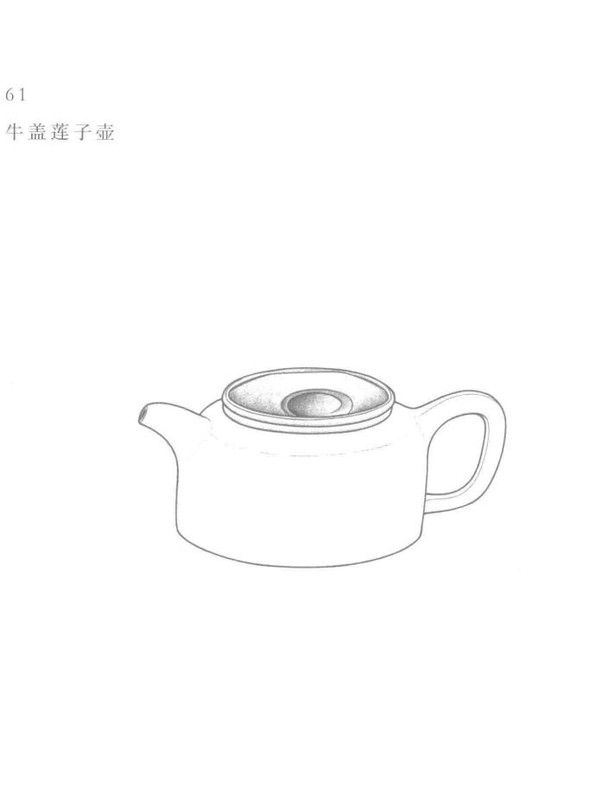
The Niu Gai Lianzi Hu: A Timeless Treasure of Yixing Craftsmanship
When you hold a traditional Yixing teapot in your hands, you’re not just touching clay—you’re connecting with centuries of Chinese tea culture. The Niu Gai Lianzi Hu (牛盖莲子壶), or “Ox-Cover Lotus Seed Pot,” represents one of those beautiful intersections where nature’s elegance meets the potter’s skill. This classic design has graced tea tables for generations, and once you understand its story, you’ll see why it continues to captivate tea enthusiasts today.
A Name Rooted in Nature
The Chinese name itself tells a story. “Niu Gai” refers to the lid’s distinctive shape, which resembles the broad, sturdy form of an ox’s back or head—solid, dependable, and perfectly fitted. “Lianzi” means lotus seed, evoking the rounded, organic forms found in nature’s own designs. Together, these elements create a teapot that feels both grounded and graceful, a balance that’s harder to achieve than it might seem.
In Chinese tea culture, the lotus holds deep symbolic meaning. It rises from muddy waters to bloom in pristine beauty, representing purity, enlightenment, and the journey toward perfection. By incorporating lotus seed imagery into a teapot design, craftsmen weren’t just creating a functional vessel—they were embedding philosophical meaning into an everyday object. Every time you brew tea in a Niu Gai Lianzi Hu, you’re participating in this tradition of mindful appreciation.
The Visual Poetry of Form
What makes the Niu Gai Lianzi Hu immediately recognizable is its harmonious proportions and organic curves. Unlike more angular or geometric teapot designs, this style embraces the soft, rounded forms found in nature. The body typically features a gentle, bulbous shape that tapers slightly toward the base—reminiscent of a lotus seed pod or a smooth river stone worn by centuries of water flow.
The lid is where this design truly distinguishes itself. The “ox-cover” style sits flush with the pot’s rim, creating a seamless visual line when viewed from the side. This isn’t just aesthetic—it’s functional genius. The tight fit helps retain heat and aroma during brewing, while the broad, slightly domed surface makes the lid easy to grip and remove, even when your hands are warm from handling the pot.
Look closely at the spout, and you’ll notice it curves outward in a smooth, confident arc. Traditional examples often feature a spout that’s neither too long nor too short, positioned to pour with precision while maintaining the pot’s balanced silhouette. The handle typically mirrors this organic quality, flowing from the body in a comfortable curve that fits naturally in the hand.
Many Niu Gai Lianzi Hu teapots feature subtle decorative elements—perhaps a delicate incised line around the shoulder, or a small lotus motif near the handle. The beauty lies in restraint; these pots don’t shout for attention. Instead, they invite closer inspection, rewarding the observer who takes time to appreciate their refined details.
Traditional Craftsmanship Through the Ages
The Niu Gai Lianzi Hu belongs to the rich tradition of classic Yixing designs that have been refined over centuries. While we may not know the exact era when this particular form first emerged, it carries the hallmarks of traditional Chinese pottery philosophy: respect for materials, attention to proportion, and the pursuit of functional beauty.
Yixing, located in Jiangsu Province, has been the heart of Chinese teapot production since the Ming Dynasty (1368-1644). The region’s unique zisha clay—literally “purple sand”—possesses qualities that make it ideal for tea brewing. It’s porous enough to absorb tea oils over time, developing a seasoned patina, yet dense enough to retain heat effectively. The clay’s natural colors range from deep purple to warm red-brown to pale yellow, and traditional potters work with these natural hues rather than applying glazes.
The creation of a Niu Gai Lianzi Hu requires significant skill. Unlike wheel-thrown pottery, traditional Yixing teapots are often constructed using the “da shen tong” (打身筒) technique, where the potter shapes the body from clay slabs, carefully joining them to create seamless curves. The lid must be fitted precisely to the body—so precisely that when you cover the spout hole and pour, the lid should stay in place through suction alone. This level of craftsmanship takes years to master.
Historical records show that Yixing potters often specialized in particular forms, perfecting their chosen designs through decades of practice. A master might create hundreds of Niu Gai Lianzi Hu teapots in their lifetime, each one slightly different, each one bearing the subtle marks of human hands. This tradition continues today, with contemporary artisans studying classic forms while bringing their own interpretations to these timeless designs.
The Perfect Tea Companions
One of the most common questions tea enthusiasts ask is: “Which teas work best with this pot?” The Niu Gai Lianzi Hu’s moderate size and excellent heat retention make it remarkably versatile, but certain teas truly shine when brewed in this classic form.
Oolong teas are perhaps the most natural match. The pot’s ability to maintain steady heat brings out the complex, layered flavors of high-quality oolongs. Whether you’re brewing a floral Tie Guan Yin, a roasted Da Hong Pao, or a creamy Dong Ding, the Niu Gai Lianzi Hu provides the thermal stability these teas need to fully express themselves. The clay’s porosity also helps soften any harsh edges, creating a rounder, more harmonious cup.
Aged white teas develop beautifully in this pot style. The gentle curves and excellent heat retention allow the subtle, sweet notes of aged Shou Mei or Gong Mei to unfold gradually. As your pot seasons over time with white tea use, it will develop a patina that further enhances these delicate flavors.
Ripe pu-erh (shou pu-erh) also pairs wonderfully with the Niu Gai Lianzi Hu. The pot’s design helps maintain the high temperatures that bring out pu-erh’s earthy, smooth character while the clay’s natural properties help mellow any rough edges in younger ripe pu-erhs. Many tea lovers dedicate a Niu Gai Lianzi Hu exclusively to pu-erh, allowing it to season specifically for this tea type.
Black teas, particularly Chinese varieties like Dian Hong or Keemun, also work well. The pot’s heat retention brings out the malty sweetness and complex aromatics that make these teas special.
What about green tea? While you can certainly brew green tea in a Niu Gai Lianzi Hu, the pot’s heat retention might be more than delicate green teas need. If you do choose to brew green tea, consider using slightly cooler water and shorter steeping times to prevent over-extraction.
Brewing Wisdom: Getting the Most from Your Pot
Owning a Niu Gai Lianzi Hu is just the beginning—learning to brew with it is where the real journey starts. Here’s practical advice to help you get the most from this classic design.
Seasoning Your New Pot: Before first use, give your teapot a gentle cleaning. Rinse it thoroughly with hot water, then brew a pot of the tea type you plan to use regularly. Discard this first brewing—it’s helping the clay absorb the tea’s character. Some enthusiasts repeat this process several times. Never use soap or detergents; the porous clay will absorb these flavors.
Water Temperature Matters: The Niu Gai Lianzi Hu excels at maintaining heat, so consider your tea’s needs. For oolongs and black teas, use water just off the boil (195-205°F). For more delicate teas, let the water cool slightly before brewing. The pot will retain heat well, so you don’t need to worry about temperature dropping too quickly during steeping.
Preheating is Essential: Always preheat your pot by filling it with hot water and letting it sit for 30 seconds before discarding the water and adding your tea leaves. This ensures even heat distribution and prevents thermal shock to the clay. It also helps you achieve more consistent results from brew to brew.
Leaf Quantity and Steeping: The rounded body of the Niu Gai Lianzi Hu allows tea leaves to expand fully. For most oolongs, fill the pot about one-third full with dry leaves. For pu-erh, slightly less. Start with short steepings (20-30 seconds) and gradually increase the time with each subsequent infusion. The pot’s design allows for multiple infusions, often six to ten or more with quality tea.
Pouring Technique: The spout’s curve is designed for controlled pouring. Hold the pot with your thumb on the lid’s button (this prevents the lid from falling) and pour in a smooth, steady motion. The well-designed spout should cut off cleanly without dripping.
After Brewing Care: Never leave wet tea leaves in your pot for extended periods. After your tea session, remove the leaves, rinse the pot with hot water (no soap!), and let it air dry completely with the lid off. Store it in a place with good air circulation. The clay needs to breathe.
Developing Patina: Over time, your Niu Gai Lianzi Hu will develop a beautiful patina—a subtle sheen from absorbed tea oils. This is desirable and enhances the pot’s performance. Some enthusiasts gently wipe the exterior with a soft tea cloth after brewing to encourage even patina development. This practice, called “raising the pot,” is considered part of the tea ritual.
Dedication to One Tea Type: Many serious collectors dedicate each Yixing pot to a single tea type or category. The porous clay absorbs flavors over time, and this seasoning enhances future brewings of the same tea. If you brew oolong in your pot today and pu-erh tomorrow, the flavors will muddle. Choose your tea type and stay committed to it.
Why This Design Endures
In a world of constantly changing trends, the Niu Gai Lianzi Hu remains relevant because it solves fundamental problems elegantly. It maintains temperature without being bulky. It pours cleanly without being fussy. It fits comfortably in the hand without sacrificing capacity. It’s beautiful without being ostentatious.
But beyond these practical virtues, this teapot design connects us to something larger—a tradition of mindful craftsmanship and appreciation for simple, functional beauty. When you brew tea in a Niu Gai Lianzi Hu, you’re using a form that has satisfied tea drinkers for generations. You’re participating in a ritual that values patience, attention, and the quiet pleasure of a well-made cup of tea.
The lotus seed, after all, contains within it the potential for new growth. Similarly, each tea session with your Niu Gai Lianzi Hu holds the potential for discovery—new flavors in familiar teas, new appreciation for the potter’s skill, new moments of calm in a busy day.
Whether you’re just beginning your journey into Yixing teapots or you’re a seasoned collector, the Niu Gai Lianzi Hu offers something valuable: a reminder that the best designs are often those that honor tradition while serving present needs. In your hands, this classic form continues its centuries-long conversation between clay, water, leaf, and the human desire for beauty in everyday things.