上新桥壶
Explore this classic Yixing pottery design and its significance in tea culture
The Shangxinqiao Hu: A Bridge Between Tradition and Tea
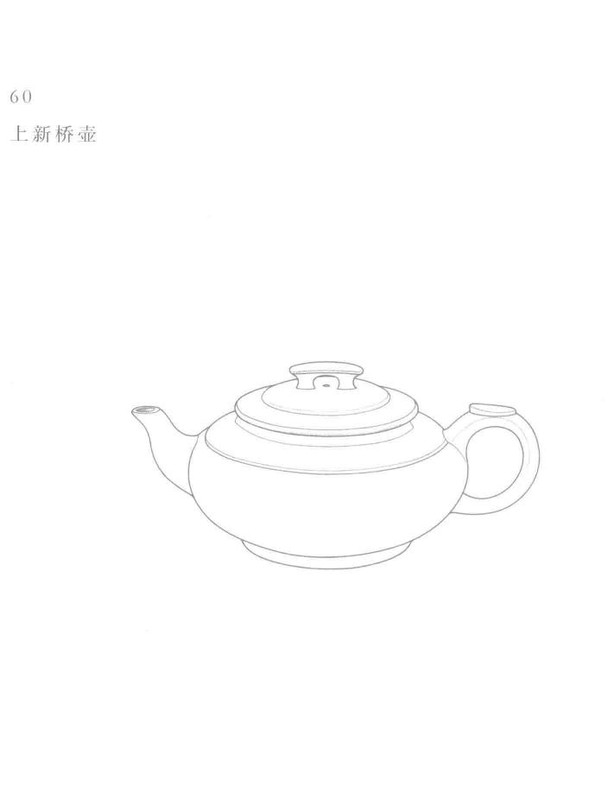
When you hold a Yixing teapot in your hands, you’re not just cradling a vessel for brewing tea—you’re connecting with centuries of Chinese ceramic artistry. Among the many classic designs that have emerged from the famous pottery kilns of Yixing, the Shangxinqiao Hu (上新桥壶) stands as a testament to the enduring appeal of traditional craftsmanship. Its name, which translates roughly to “Upper New Bridge Pot,” hints at a story of place and heritage that makes this teapot design particularly intriguing for collectors and tea enthusiasts alike.
A Design Rooted in Place and Time
The Shangxinqiao Hu takes its name from a location that likely held significance in the Yixing region, where master potters have been shaping the distinctive purple clay (zisha) into functional art for hundreds of years. While the exact origins of this particular design remain somewhat mysterious—as is often the case with traditional pottery forms that evolved organically through generations of craftspeople—the Shangxinqiao represents the kind of classic aesthetic that has made Yixing teapots beloved worldwide.
Unlike some Yixing designs that announce themselves with dramatic curves or elaborate decorative elements, the Shangxinqiao Hu embodies a more understated philosophy. This is a pot that reveals its beauty gradually, rewarding patient observation and regular use. It’s the kind of design that your grandparents might have used daily, never thinking of it as particularly special, yet one that modern tea lovers recognize as a masterclass in functional elegance.
The Visual Language of Tradition
What makes the Shangxinqiao Hu distinctive among Yixing designs? The answer lies in its commitment to classical proportions and its rejection of unnecessary ornamentation. When you examine this pot, you’re looking at a design philosophy that prioritizes harmony and balance above all else.
The body of a traditional Shangxinqiao Hu typically features gentle, flowing lines that create a sense of stability without appearing heavy or cumbersome. The silhouette often suggests a rounded, slightly compressed form—not quite spherical, but with enough curve to feel welcoming and warm. This shape isn’t arbitrary; it’s the result of generations of potters discovering what works best for heat retention and tea extraction.
The spout deserves special attention. In classic Yixing tradition, the spout of a Shangxinqiao Hu flows naturally from the body, neither too aggressive nor too timid in its projection. A well-crafted example will pour with confidence, delivering a steady stream that can be controlled with subtle tilts of the wrist. The water should cut off cleanly when you return the pot to upright, without dribbling or dripping—a sign of true craftsmanship.
The handle, too, reflects thoughtful design. Traditional Shangxinqiao pots feature handles that balance aesthetic appeal with practical comfort. The curve should fit naturally in your hand, distributing the weight of a full pot evenly so that pouring becomes an effortless, almost meditative act. After all, the gongfu tea ceremony is as much about the ritual and the movements as it is about the final cup.
The lid is where many Yixing pots reveal their maker’s skill, and the Shangxinqiao is no exception. A properly fitted lid will sit snugly in its gallery, creating a seal that helps retain heat and aroma during steeping. When you lift the lid, it should release with a satisfying whisper of air—not too tight, not too loose. Many traditional examples feature a simple button or bridge-style knob that’s easy to grasp, even when the pot is hot.
The Soul of Yixing: Understanding Zisha Clay
To truly appreciate the Shangxinqiao Hu, you need to understand the material from which it’s crafted. Yixing teapots are made from zisha, or purple clay, a unique type of clay found only in the Yixing region of Jiangsu Province. This isn’t just any clay—it’s a material that has captivated tea lovers for centuries because of its remarkable properties.
Zisha clay is naturally porous, which means it breathes. Unlike glazed ceramic or glass, a Yixing pot absorbs tiny amounts of the tea oils and flavors with each brewing session. Over time—and we’re talking months and years of regular use—the pot develops what tea enthusiasts call a “seasoning.” This patina isn’t just aesthetic; it actually enhances the flavor of your tea, smoothing out harsh notes and adding depth to the brew.
The traditional Shangxinqiao Hu showcases the natural beauty of zisha clay without relying on elaborate glazes or decorations. The clay itself, when fired properly, develops a subtle sheen and a color that can range from deep reddish-brown to lighter tan, depending on the specific clay body used and the firing conditions. Running your fingers over a well-made Shangxinqiao, you’ll feel a texture that’s smooth but not slippery, with a warmth that seems to invite touch.
Brewing with the Shangxinqiao: Tea Pairing and Technique
One of the most common questions tea enthusiasts ask about any Yixing pot is: “What tea should I brew in it?” With the Shangxinqiao Hu, the answer reflects its versatile, traditional nature.
Ideal Tea Matches
Oolong teas are perhaps the most natural pairing for a Shangxinqiao Hu. The pot’s shape and heat retention properties work beautifully with the multiple infusions that oolongs demand. Whether you’re brewing a roasted Wuyi rock tea like Da Hong Pao or a lighter, more floral Taiwanese high-mountain oolong, the Shangxinqiao’s balanced design helps extract the complex flavors without overwhelming the delicate notes.
Aged raw pu-erh also finds a welcoming home in this pot style. The porous nature of the zisha clay helps soften any remaining astringency in older sheng pu-erh, while the pot’s heat retention supports the full extraction of the deep, complex flavors that develop during aging. If you’re serious about pu-erh, dedicating a Shangxinqiao exclusively to this tea category will reward you with increasingly refined brews over time.
Red teas (what the West calls black tea), particularly Chinese varieties like Keemun or Dian Hong, also pair wonderfully with the Shangxinqiao Hu. The pot’s design helps maintain the higher temperatures these teas prefer, while the clay’s natural properties can help smooth out any bitterness from over-extraction.
Practical Brewing Advice
When you first acquire a Shangxinqiao Hu, you’ll want to “open” or season it properly. This isn’t complicated, but it’s an important ritual. Start by rinsing the pot thoroughly with hot water, inside and out. Then, fill it with boiling water and let it sit for a few minutes. Repeat this process several times. Some tea lovers like to do an initial brewing session with an inexpensive tea of the type they plan to use regularly, essentially giving the pot its first taste of what’s to come.
For your regular brewing sessions, preheat the pot by filling it with hot water before adding your tea leaves. This ensures that the pot is at the right temperature when you begin steeping, which is especially important for oolongs and pu-erh that benefit from consistent heat.
The size of your Shangxinqiao Hu will determine your leaf-to-water ratio, but a general guideline is to fill the pot about one-third full with dry leaves. This might seem like a lot if you’re used to Western-style brewing, but remember that gongfu style involves multiple short infusions rather than one long steep.
Your first infusion should be brief—sometimes just 10-15 seconds—and is often discarded as a rinse to awaken the leaves. Subsequent infusions can gradually increase in time, starting around 20-30 seconds and extending as the leaves give up their flavor. A good oolong or pu-erh can easily provide 6-10 infusions, sometimes more, with each revealing different aspects of the tea’s character.
Between brewing sessions, never leave tea leaves sitting in your Shangxinqiao. Empty the pot, rinse it with hot water, and let it air dry completely with the lid off. This prevents any musty odors from developing and keeps your pot in prime condition. Never use soap or detergent—the porous clay will absorb these flavors, ruining your future brews.
The Living Pot: How Your Shangxinqiao Evolves
One of the most rewarding aspects of owning a traditional Yixing pot like the Shangxinqiao Hu is watching it change over time. This isn’t a static object that remains the same year after year. With regular use, your pot becomes a living record of your tea journey.
The exterior will develop a subtle luster, a gentle shine that comes from the oils in the tea and from your hands as you pour. Some tea lovers practice “pot nourishing,” gently wiping the exterior with a tea-soaked cloth during brewing sessions to encourage this patina. The result is a depth of color and a glow that can’t be replicated artificially—it’s the visible evidence of countless tea sessions, of quiet mornings and contemplative afternoons.
Inside the pot, the clay gradually absorbs the character of your chosen tea. This is why serious collectors often dedicate specific pots to specific tea types. A Shangxinqiao used exclusively for roasted oolongs will develop a different internal seasoning than one used for raw pu-erh. Over months and years, this seasoning contributes to the flavor of your tea, adding a roundness and complexity that a new pot simply cannot provide.
Why the Shangxinqiao Matters Today
In our modern world of convenience and disposability, the Shangxinqiao Hu represents something increasingly rare: an object designed to last generations, to improve with use, and to connect us with traditions that stretch back centuries. This isn’t a pot you’ll replace next season when a new design trend emerges. It’s a companion for your tea journey, one that will be there for thousands of cups, gradually becoming more beautiful and more functional with each use.
The Shangxinqiao’s classical design also serves as a reminder that sometimes the old ways persist because they simply work. The proportions, the shape, the understated elegance—these weren’t arbitrary choices made by ancient potters. They’re the result of countless iterations, of trial and error, of a deep understanding of how clay, water, and tea leaves interact.
For the modern tea enthusiast, choosing a Shangxinqiao Hu is an act of connection. You’re joining a lineage of tea lovers who have appreciated this design, who have understood that the vessel matters as much as the leaf. You’re committing to a slower, more intentional way of preparing tea, one that values ritual and repetition, patience and attention.
Finding Your Shangxinqiao
If you’re considering adding a Shangxinqiao Hu to your tea collection, take your time with the selection. Look for pots made by reputable artisans who understand traditional techniques. The pot should feel balanced in your hand, with a lid that fits snugly but not too tightly. The spout, lid, and handle should align properly—a traditional test is to fill the pot with water, cover the air hole in the lid with your finger, and tip the pot; if it’s well-made, the water won’t pour out.
Don’t be afraid to start with a modestly priced example if you’re new to Yixing pots. While masterworks by famous potters can command impressive prices, a well-made Shangxinqiao by a skilled but less famous artisan can serve you beautifully for years. What matters most is the quality of the craftsmanship and the authenticity of the clay.
Conclusion: A Pot for the Journey
The Shangxinqiao Hu isn’t flashy. It won’t announce itself with dramatic curves or elaborate decorations. But for those who take the time to know it, who brew with it regularly and care for it properly, this classic Yixing design offers something more valuable than mere visual impact. It offers a deepening relationship with tea, a daily practice of mindfulness, and a tangible connection to centuries of ceramic tradition.
In the end, that’s what the best teapots do. They don’t just hold water and leaves—they hold meaning, memory, and the promise of countless perfect cups yet to come. The Shangxinqiao Hu, with its traditional craftsmanship and timeless design, does all of this with quiet grace, proving that sometimes the most profound beauty is found not in what shouts for attention, but in what whispers an invitation to slow down, pay attention, and truly taste your tea.