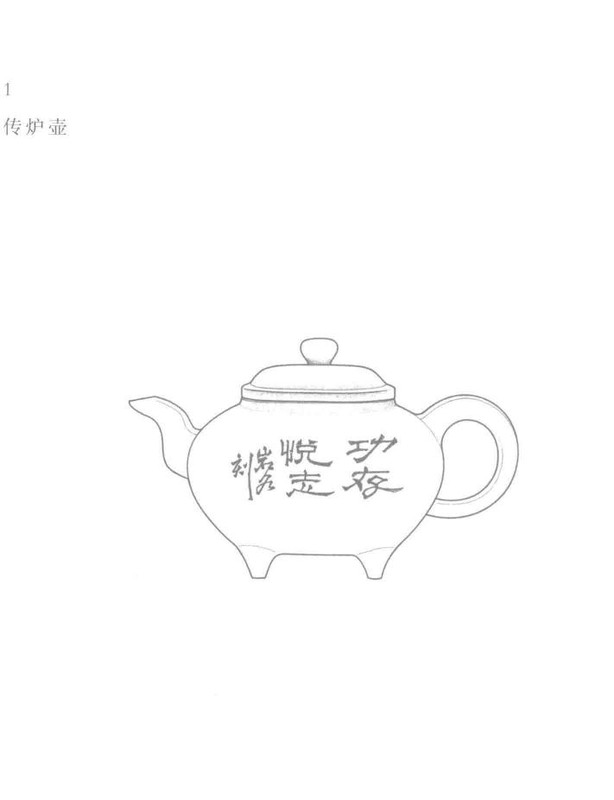
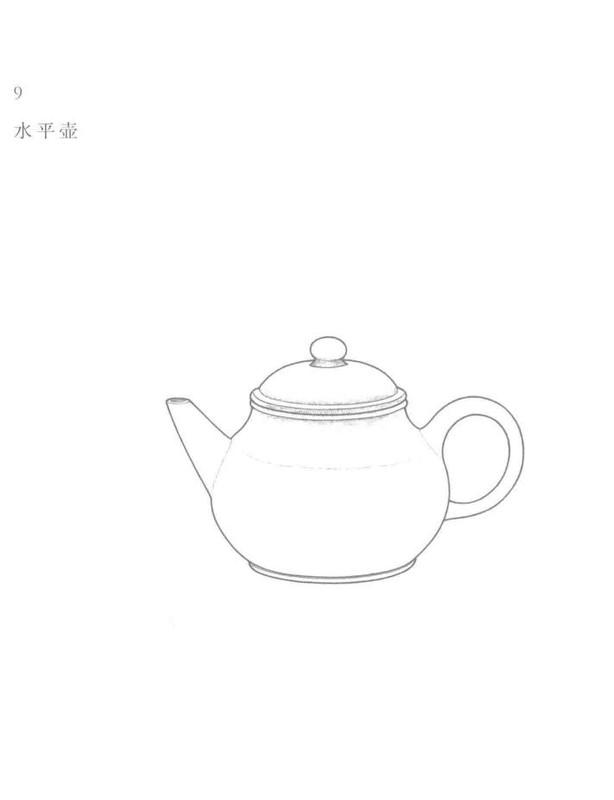
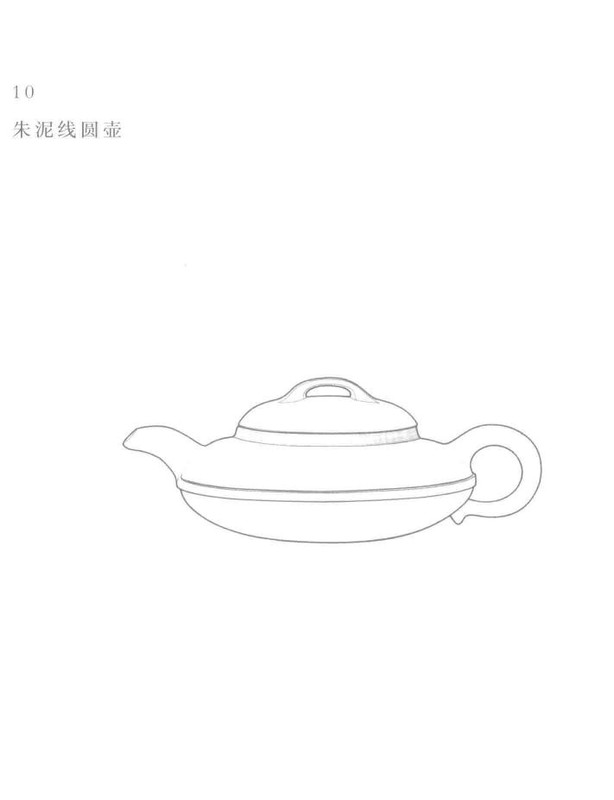
下未束滤
Explore this classic Yixing pottery design and its significance in tea culture
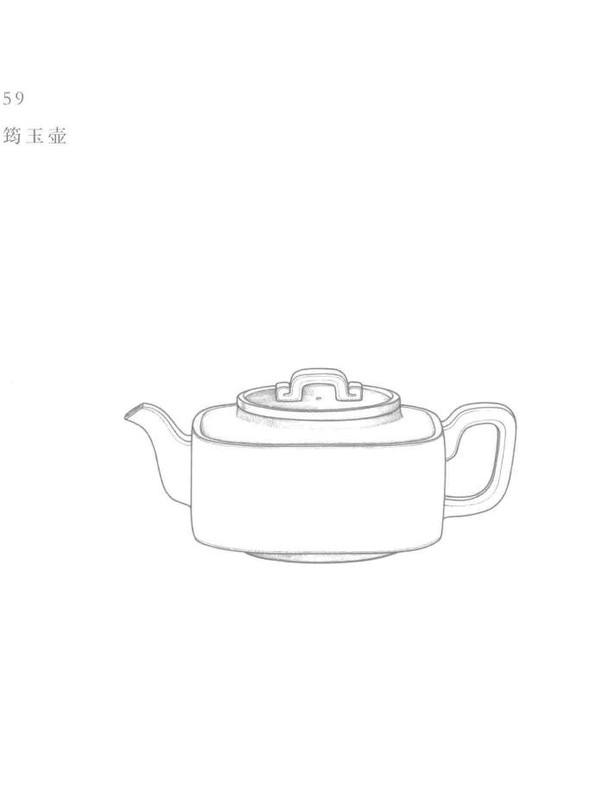
The Enigmatic 下未束滤: A Journey into Classical Yixing Craftsmanship
There’s something profoundly meditative about holding a piece of Yixing pottery in your hands. The clay seems to whisper stories of ancient tea ceremonies, of skilled artisans who shaped earth and fire into vessels that transcend mere function. Today, we’re exploring a particularly intriguing design known in Chinese as 下未束滤 (xià wèi shù lǜ)—a classical Yixing teapot that embodies the timeless principles of traditional Chinese tea culture.
A Name Wrapped in Mystery
The Chinese name 下未束滤 presents an interesting linguistic puzzle that reflects the depth of Yixing pottery tradition. While direct translation can be elusive, the characters hint at concepts of filtering and refinement—appropriate for a vessel designed to transform humble tea leaves into liquid poetry. This naming convention is typical of classical Yixing designs, where names often reference philosophical concepts, natural imagery, or the pot’s functional characteristics rather than simply describing its shape.
What makes this particular design fascinating is how it represents the essence of “classic” in the Yixing tradition. It’s not trying to innovate or shock; instead, it honors centuries of accumulated wisdom about what makes a teapot truly excellent. In a world obsessed with novelty, there’s something refreshing about a design that simply aims to be timeless.
The Soul of Traditional Craftsmanship
Classical Yixing teapots like the 下未束滤 are distinguished by their adherence to fundamental principles that have guided potters for generations. These aren’t mass-produced items churned out by machines—each pot represents hours of skilled handwork, where the artisan’s understanding of clay, form, and function converges into a single harmonious object.
The traditional craftsmanship evident in this design speaks to a philosophy where beauty and utility are inseparable. Every curve serves a purpose; every proportion has been refined through countless iterations by master potters who came before. The spout must pour cleanly without dripping. The handle must balance the weight perfectly. The lid must fit snugly yet lift easily. These aren’t just aesthetic choices—they’re the result of practical wisdom accumulated over centuries of tea brewing.
What distinguishes classical Yixing pottery from other ceramic traditions is the unique Zisha clay (purple sand clay) from which these pots are made. This remarkable material, found only in the Yixing region of China’s Jiangsu province, possesses qualities that make it ideal for tea brewing. The clay is porous enough to absorb the oils and flavors of tea over time, yet dense enough to retain heat effectively. It’s this special relationship between clay and tea that has made Yixing pottery the gold standard for serious tea enthusiasts.
A Design Philosophy Rooted in Balance
When you examine a classical Yixing teapot like the 下未束滤, you’re looking at the physical manifestation of Chinese aesthetic principles. The design likely embodies concepts like harmony (和, hé), balance (平衡, pínghéng), and natural simplicity (朴素, pǔsù). These aren’t just abstract ideas—they translate into specific design choices that affect how the pot looks, feels, and performs.
Classical designs typically favor clean lines and understated elegance over ornate decoration. The beauty lies in the purity of form, the quality of the clay, and the precision of execution. There might be subtle decorative elements—perhaps a simple carved pattern or a carefully placed seal—but these enhance rather than dominate the overall design. The pot’s shape itself becomes the primary aesthetic statement.
This restraint reflects a deeper philosophy about tea drinking as a practice of mindfulness and appreciation. An overly decorated pot might distract from the tea itself, whereas a classical design creates a calm, focused environment for the tea ceremony. The pot becomes a silent partner in the ritual, supporting the experience without demanding attention.
The Living History of Your Teapot
One of the most enchanting aspects of using a traditional Yixing teapot is the concept of “raising the pot” (养壶, yǎng hú). Unlike glazed ceramics that remain essentially unchanged through use, Yixing clay develops a patina over time, absorbing the oils and essences of the teas brewed within it. Your pot becomes a living record of your tea journey, growing richer and more lustrous with each brewing session.
This transformation isn’t just cosmetic. As the clay seasons, it actually enhances the flavor of your tea. The porous structure absorbs and releases subtle flavor compounds, creating a unique brewing environment that can’t be replicated in any other vessel. Some tea masters dedicate specific pots to specific teas, allowing the clay to become perfectly attuned to that particular variety over years of use.
The classical design of the 下未束滤 is particularly well-suited to this aging process. Its traditional form and quality craftsmanship mean it’s built to last generations, becoming an heirloom that carries not just monetary value but the accumulated tea memories of everyone who has used it. There’s something deeply satisfying about knowing that your daily tea ritual is slowly transforming your pot into something unique and irreplaceable.
Perfect Tea Pairings
The beauty of a classical Yixing design is its versatility, though certain characteristics make it particularly well-suited to specific types of tea. Based on traditional wisdom about Yixing pottery, a pot like the 下未束滤 would excel with several categories of tea.
Oolong Teas: The moderate porosity and heat retention of traditional Yixing clay make these pots ideal for oolong teas, particularly darker, more oxidized varieties like Da Hong Pao or Shui Xian. The pot’s ability to maintain consistent temperature helps these complex teas unfold their full flavor profile across multiple infusions. The clay’s subtle influence can soften any harsh edges while enhancing the tea’s natural sweetness and floral notes.
Aged Pu-erh: If you’re a fan of ripe (shou) pu-erh, a classical Yixing pot can be your best friend. The clay’s porosity helps mellow the earthy, sometimes musty notes of aged pu-erh while emphasizing its smooth, sweet characteristics. Over time, as your pot seasons with pu-erh, it develops a rich patina that further enhances each brewing session.
Black Teas: Traditional Chinese black teas (called red teas in China) like Keemun or Dian Hong also pair beautifully with Yixing pottery. The pot’s heat retention brings out the malty, sweet notes of these teas while the clay adds a subtle smoothness to the brew.
The key is to choose one type of tea—or at least one category—and stick with it. This allows your pot to develop its character in harmony with your preferred tea, creating an increasingly refined brewing experience over time.
Brewing Wisdom: Getting the Most from Your Classical Pot
Using a traditional Yixing teapot isn’t complicated, but there are some practices that will help you get the best results and properly care for your pot.
Initial Preparation: When you first acquire your pot, give it a proper introduction to its purpose. Rinse it thoroughly with hot water, then brew several pots of the tea you plan to use it for, discarding the liquid. This initial seasoning helps remove any clay dust and begins the bonding process between pot and tea.
Water Temperature: Classical Yixing pots excel at maintaining temperature, so pay attention to your water heat. For oolongs and black teas, use water just off the boil (around 95°C/203°F). For more delicate teas, let the water cool slightly before brewing.
Brewing Technique: The traditional gongfu brewing method works beautifully with these pots. Use a higher ratio of tea to water than you might with Western-style brewing—typically filling the pot about one-third full with leaves. Brew for short periods (30 seconds to 2 minutes for the first infusion), then increase the time with each subsequent steeping. Quality teas can yield 5-10 infusions or more.
Caring for Your Pot: After each use, rinse your pot with hot water only—never use soap, which can be absorbed by the porous clay and taint future brews. Let it air dry completely before storing. Some enthusiasts like to pour the last bit of tea over the exterior of the pot during brewing, which helps develop the patina more quickly.
The Ritual: Perhaps most importantly, approach your tea brewing as a mindful practice rather than just a means to an end. The classical design of your pot invites you to slow down, to pay attention to the small details—the sound of water hitting leaves, the aroma rising from the pot, the way the tea’s color deepens with each infusion.
Why Classical Designs Endure
In an era of constant innovation and trend-chasing, there’s something deeply reassuring about a design that has remained essentially unchanged for generations. The 下未束滤 and other classical Yixing designs endure not because of nostalgia or tradition for tradition’s sake, but because they represent solutions that have been refined to near-perfection over centuries.
These pots work. They brew excellent tea. They feel good in the hand. They age beautifully. They connect us to a lineage of tea lovers stretching back through history. What more could you ask from a teapot?
For the modern tea enthusiast, owning a classical Yixing pot is like having a direct link to the origins of tea culture. Every time you brew, you’re participating in a ritual that has been performed countless times before, using tools that would be immediately recognizable to tea masters from centuries past. Yet the experience never feels stale or antiquated—good tea, properly brewed, is as relevant and satisfying today as it was in ancient China.
Conclusion: An Investment in Tea Joy
A classical Yixing teapot like the 下未束滤 represents more than just a brewing vessel—it’s an invitation to deepen your relationship with tea. Its traditional craftsmanship, timeless design, and unique clay properties create an unmatched brewing experience that actually improves over time.
Whether you’re just beginning your journey into serious tea appreciation or you’re a seasoned enthusiast looking to expand your collection, a classical Yixing design offers something special: the perfect balance of form and function, wrapped in centuries of tea wisdom. It’s not the flashiest option, nor the most modern, but it might just be the most satisfying.
In the end, that’s what classical design is all about—not making a statement, but quietly, consistently delivering excellence, cup after cup, year after year. And really, isn’t that exactly what you want from your teapot?