汉云壶
Explore this classic Yixing pottery design and its significance in tea culture
The Han Yun Hu (汉云壶): A Timeless Vessel for the Modern Tea Lover
When you hold a Yixing teapot in your hands, you’re not just cradling clay—you’re connecting with centuries of Chinese tea culture. The Han Yun Hu, whose name translates roughly to “Han Dynasty Clouds Pot,” embodies this connection beautifully. Though its exact origins remain shrouded in the mists of time, this classic design continues to captivate tea enthusiasts who appreciate both form and function in their brewing vessels.
A Name That Evokes Ancient Elegance
The Chinese name 汉云壶 (Hàn Yún Hú) carries poetic weight. “Han” references the Han Dynasty (206 BCE – 220 CE), one of China’s golden ages when art, literature, and philosophy flourished. “Yun” means clouds, suggesting the ethereal quality of steam rising from freshly brewed tea. Together, the name conjures images of scholars in ancient pavilions, watching clouds drift by as they contemplated life over cups of tea.
This isn’t just romantic naming—it reflects the pot’s design philosophy. The Han Yun Hu represents a bridge between antiquity and the present, carrying forward traditional craftsmanship while remaining perfectly suited to contemporary tea practice. When you brew with this pot, you’re participating in a ritual that has remained essentially unchanged for generations.
The Visual Poetry of Traditional Design
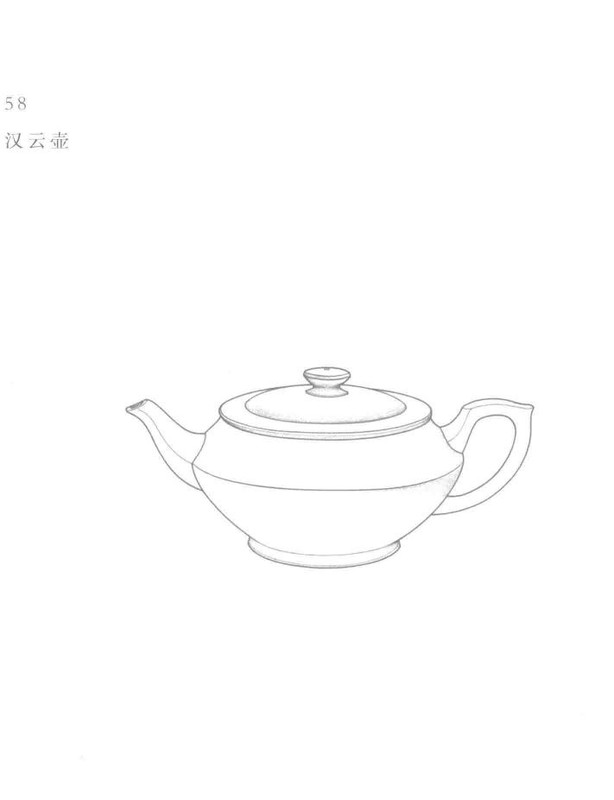
The Han Yun Hu follows the classical Yixing aesthetic, which prizes harmony, balance, and understated elegance over flashy ornamentation. Unlike Western teapots that might feature elaborate decorations or bright glazes, this design speaks through its proportions and the natural beauty of the clay itself.
The body typically presents a rounded, generous form—not quite spherical, but with gentle curves that feel organic and welcoming. This shape isn’t arbitrary; it’s been refined over centuries to optimize heat retention and tea leaf expansion. The walls are substantial enough to maintain temperature without being so thick that the pot becomes unwieldy.
The spout emerges from the body in a graceful arc, positioned to ensure a smooth, controlled pour. A well-made Han Yun Hu will deliver tea without dripping or sputtering—a seemingly simple feature that actually requires considerable skill to achieve. The handle curves in complementary fashion, sized to accommodate fingers comfortably whether you’re pouring a quick rinse or a leisurely final infusion.
What truly distinguishes Yixing pottery, including the Han Yun Hu, is the clay itself. Zisha clay (purple sand) from the Yixing region possesses unique properties: it’s porous enough to “breathe,” allowing the pot to absorb tea oils and develop a patina over time, yet dense enough to be durable and heat-retentive. The natural colors range from deep purples to warm browns and reddish tones, each reflecting different clay compositions and firing techniques.
The surface of a traditional Han Yun Hu is typically left unglazed, allowing you to appreciate the clay’s natural texture. Over months and years of use, the pot develops what collectors call a “tea shine”—a subtle luster that comes from repeated contact with tea. This aging process is considered desirable, as the pot becomes increasingly seasoned and, some believe, contributes its own character to the brew.
Roots in Traditional Craftsmanship
While we can’t pinpoint the exact era when the Han Yun Hu design first emerged, it clearly belongs to the lineage of classical Yixing forms that developed during the Ming (1368-1644) and Qing (1644-1912) dynasties. This was when Yixing pottery evolved from utilitarian ware into an art form, with master craftsmen competing to create increasingly refined designs.
The traditional approach to making these pots hasn’t changed dramatically over the centuries. Skilled artisans still hand-build each piece using techniques passed down through generations. The clay is carefully prepared, aged, and wedged to achieve the right consistency. The potter then shapes the body using wooden tools and templates, ensuring the walls are even and the proportions balanced.
Each component—body, spout, handle, lid—is crafted separately and then joined with liquid clay slip. The seams are smoothed until invisible, and the entire piece is refined with bamboo tools and wet cloths. After drying slowly to prevent cracking, the pot is fired in a kiln at temperatures around 1100-1200°C (2012-2192°F). This relatively low firing temperature (compared to porcelain) preserves the clay’s porosity while making it vitrified and durable.
The traditional craftsmanship matters because it affects how the pot performs. A well-made Han Yun Hu will have walls of consistent thickness, ensuring even heat distribution. The lid will fit snugly without being too tight, creating a seal that retains heat while allowing easy removal. The spout, handle, and knob will align perfectly, creating visual harmony that reflects the pot’s functional balance.
The Perfect Tea Companions
One of the joys of Yixing pottery is the tradition of dedicating each pot to a specific type of tea. Because the unglazed clay absorbs tea oils, the pot gradually becomes “seasoned” to that particular tea, theoretically enhancing future brews. The Han Yun Hu’s classic design makes it versatile, but certain teas particularly shine when brewed in this style of pot.
Oolong Teas: The Han Yun Hu excels with oolongs, especially traditional varieties like Tie Guan Yin (Iron Goddess of Mercy) or Da Hong Pao (Big Red Robe). The pot’s heat retention brings out the complex, evolving flavors of these semi-oxidized teas. The rounded body gives the leaves plenty of room to unfurl, and the clay’s breathability prevents the tea from becoming stewed or bitter even during longer infusions.
Aged Pu-erh: If you’re a pu-erh enthusiast, a Han Yun Hu can become your trusted companion. The pot’s ability to maintain high temperatures is ideal for coaxing depth and smoothness from aged pu-erh cakes. The clay also seems to mellow any rough edges in younger sheng pu-erh, though many purists prefer to dedicate separate pots to sheng and shou varieties.
Black Teas: Chinese black teas (called “red tea” in China) like Keemun or Dian Hong work beautifully in this pot. The clay enhances their natural sweetness and rounds out their body. The pot’s heat retention ensures the water stays hot enough to fully extract the tea’s character without over-extracting tannins.
What to Avoid: Generally, you’ll want to skip delicate green teas and white teas in a Yixing pot. These teas require lower temperatures and shorter steeping times, and the heat-retentive properties that make the Han Yun Hu perfect for oolongs and pu-erh can overwhelm more subtle teas. Save your greens and whites for porcelain or glass.
Brewing Wisdom: Getting the Most from Your Han Yun Hu
Using a Han Yun Hu isn’t complicated, but a few practices will help you get the best results and care for your pot properly.
Seasoning Your New Pot: Before first use, give your pot a gentle cleaning. Rinse it thoroughly with hot water, then place it in a pot of boiling water with some tea leaves (the type you plan to brew in it) for 20-30 minutes. This removes any dust from manufacturing and begins the seasoning process. Let it cool naturally, then rinse and dry completely.
The Gongfu Approach: The Han Yun Hu is ideal for gongfu-style brewing—using more tea leaves, less water, and multiple short infusions. A typical ratio might be 5-7 grams of tea for a 150ml pot. Preheat the pot with hot water, discard that water, add your tea, and pour fresh water over the leaves. The first infusion might be very brief (10-20 seconds), with subsequent infusions gradually lengthening.
Temperature Matters: The pot retains heat well, so if you’re brewing a tea that requires cooler water (like some oolongs), let your water cool slightly after boiling, or pour it into a fairness pitcher first before filling the pot.
The Ritual of Pouring Over: Many tea enthusiasts pour hot water over the outside of the pot during brewing. This practice, while not strictly necessary, helps maintain temperature and contributes to developing the pot’s patina. Use your leftover rinse water or water from the kettle—just be sure to wipe the pot dry afterward.
Cleaning and Care: After your tea session, empty the leaves and rinse the pot thoroughly with hot water. Never use soap, which can be absorbed by the porous clay and affect future brews. Let the pot air dry completely with the lid off before storing. Some people leave their pots on a tea tray to dry naturally; others gently wipe them with a clean cloth.
Building the Patina: Over time, your Han Yun Hu will develop a beautiful sheen from tea oils. Some enthusiasts gently brush the exterior with leftover tea or use a soft tea cloth to polish it during tea sessions. This isn’t necessary for function, but it’s a meditative practice that many find satisfying.
One Tea, One Pot: Try to stick with one type of tea (or at least one category) in your Han Yun Hu. If you brew oolong in it for months and then switch to pu-erh, you might notice flavor crossover. Many serious tea drinkers maintain a small collection of pots, each dedicated to a different tea.
Why the Han Yun Hu Endures
In an age of temperature-controlled electric kettles and precision brewing devices, why does a simple clay pot remain relevant? The answer lies in what the Han Yun Hu offers beyond mere function.
There’s a tactile pleasure in handling a well-made Yixing pot—the weight of it, the warmth of the clay, the smooth curve of the handle. The ritual of brewing becomes more mindful, more present. You’re not just making tea; you’re engaging in a practice that connects you to centuries of tea culture.
The pot also evolves with you. Each brewing session adds to its character, building layers of memory into the clay itself. A Han Yun Hu that’s been used regularly for years becomes a personal artifact, unique to your tea journey. Some collectors treasure their well-seasoned pots as much for the experiences they represent as for their brewing performance.
Moreover, there’s something deeply satisfying about using a tool that’s been perfected over generations. The Han Yun Hu’s design isn’t trendy or innovative—it’s proven. It works because countless tea drinkers before you have refined it through use, and countless artisans have honed their craft to create it.
Finding Your Own Han Yun Hu
If you’re considering adding a Han Yun Hu to your tea practice, take your time finding the right one. Quality varies considerably in Yixing pottery, from factory-made pots to pieces by renowned master craftsmen. For most tea enthusiasts, a mid-range pot from a skilled artisan offers the best balance of quality and value.
Look for even walls, a well-fitting lid, and a spout that pours cleanly. The clay should feel substantial but not crude. If possible, examine the pot in person—photos can’t convey the tactile qualities that make a pot feel right in your hands.
Remember that the “best” pot is the one you’ll actually use. A modestly priced Han Yun Hu that you brew with daily will serve you better than an expensive collector’s piece that stays on a shelf. The magic of these pots emerges through use, through the gradual seasoning and the countless cups of tea they help you create.
Conclusion: A Vessel for Presence
The Han Yun Hu represents more than traditional craftsmanship or functional design. It’s an invitation to slow down, to pay attention, to find pleasure in simple rituals. In our hurried world, the act of brewing tea in a clay pot becomes a small rebellion—a choice to prioritize experience over efficiency, quality over convenience.
Whether you’re a seasoned tea enthusiast or just beginning to explore the world of Chinese tea, a Han Yun Hu can become a trusted companion on your journey. It asks little—just regular use and simple care—and offers much: better tea, mindful moments, and a tangible connection to a rich cultural tradition.
So heat your water, warm your pot, and brew a cup. Let the clouds of steam rise, just as they have for centuries of tea drinkers before you. The Han Yun Hu is waiting to become part of your story.