矮砖方壶
Explore this classic Yixing pottery design and its significance in tea culture
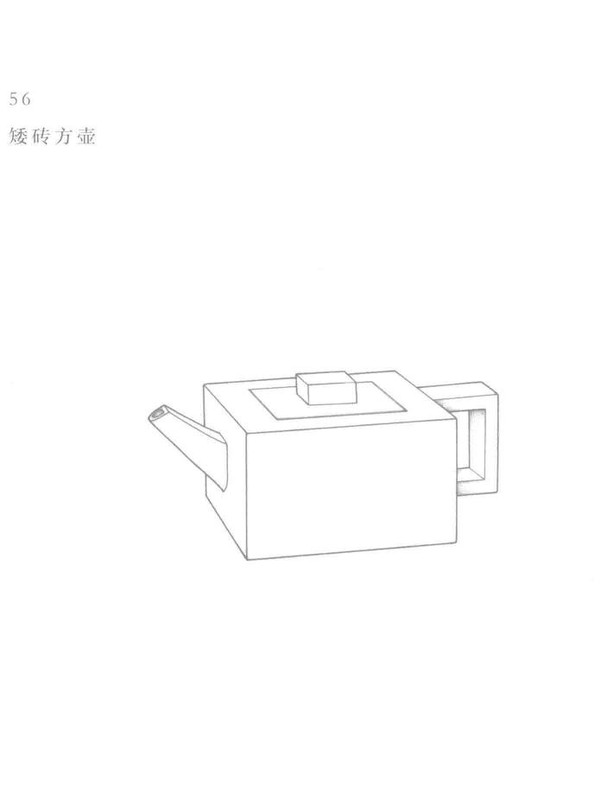
The Ai Zhuan Fang Hu: A Timeless Square Brick Teapot Design
When you first encounter a 矮砖方壶 (Ai Zhuan Fang Hu), you might do a double-take. In a world of rounded teapots with gentle curves, this Yixing classic stands defiantly angular—a compact, brick-like form that seems to challenge everything we think we know about teapot design. Yet this bold geometric shape has captivated tea enthusiasts for generations, and once you understand its unique character, you’ll see why it remains one of the most respected forms in Chinese tea culture.
Understanding the Name: “Short Brick Square Pot”
The Chinese name 矮砖方壶 translates quite literally: 矮 (ai) means “short” or “low,” 砖 (zhuan) means “brick,” 方 (fang) means “square,” and 壶 (hu) means “pot” or “vessel.” This straightforward naming tells you exactly what you’re getting—a teapot that embraces the aesthetic of architectural simplicity, drawing inspiration from the humble building brick to create something unexpectedly elegant.
This isn’t just a quirky name. In traditional Chinese aesthetics, there’s profound beauty in honest, functional forms. The brick has built civilizations, sheltered families, and stood the test of time. By evoking this image, the Ai Zhuan Fang Hu connects tea drinking to these deeper themes of stability, craftsmanship, and enduring quality.
A Study in Angles: Visual Characteristics
Unlike the flowing, organic shapes of many Yixing teapots that mimic gourds, fruits, or natural forms, the Ai Zhuan Fang Hu is unapologetically geometric. Picture a rectangular form that sits low and stable, with clean vertical walls that rise from a flat base. The proportions are deliberately squat—this isn’t a tall, elegant vessel but rather one that hugs the tea table with confident presence.
The corners are where the magic happens. A skilled artisan must execute these edges with precision—too sharp and they become fragile, too rounded and the design loses its character. The best examples find that perfect balance where the angles are crisp enough to cast interesting shadows yet substantial enough to feel solid in your hand.
The lid typically follows the body’s rectangular form, sitting flush with the rim in a way that creates a satisfying visual continuity. When you look at the pot from above, you see a perfect geometric composition—the rectangular body, the lid’s clean lines, and often a simple, squared-off knob that echoes the overall design philosophy.
The spout and handle present an interesting design challenge. How do you attach curved, functional elements to such a resolutely angular body? Traditional makers solved this by keeping these components relatively straight and architectural themselves, or by creating a deliberate contrast that makes both elements more interesting. The spout often emerges from the body at a confident angle, while the handle might form a squared-off arch that mirrors the pot’s proportions.
The Art of Making Square
Here’s something many tea drinkers don’t realize: creating a square Yixing teapot is significantly more difficult than making a round one. With round pots, the potter can use a wheel or work with naturally curved clay slabs that want to bend. But square forms fight against clay’s natural tendencies.
Traditional Yixing artisans use a technique called “da shen tong” (打身筒) or “beating the body cylinder” to create these angular forms. They start with carefully measured clay slabs that must be precisely cut and joined. Each corner requires meticulous attention—the clay must be worked to create a strong bond while maintaining that crisp edge. Any unevenness in the walls will be glaringly obvious in the finished piece.
The firing process adds another layer of complexity. Square forms can develop stress points at the corners during the intense heat of the kiln. The clay wants to warp, to settle into softer shapes. Keeping everything true and square through firing temperatures that exceed 1100°C (2012°F) requires both technical knowledge and a bit of luck.
This difficulty is part of the pot’s appeal. When you hold an Ai Zhuan Fang Hu, you’re holding evidence of serious skill. The clean lines and stable form represent hours of careful work and years of accumulated expertise.
Historical Roots and Cultural Context
While the exact origins of the Ai Zhuan Fang Hu design are lost to time, square teapots have appeared throughout Chinese ceramic history. The form reflects broader aesthetic movements in Chinese art that valued geometric precision alongside natural beauty. During various dynasties, scholars and artists explored the tension between rigid, human-made forms and organic, natural ones—and teapots became one canvas for this exploration.
The brick-like form also connects to Chinese architectural traditions. Classical Chinese buildings used modular, geometric elements arranged in harmonious proportions. A teapot that echoes these principles brings that architectural sensibility to the intimate scale of the tea table.
In the literati tea culture that flourished during the Ming and Qing dynasties, such pots would have appealed to scholars who appreciated understated elegance and intellectual design. There’s nothing showy about a well-made Ai Zhuan Fang Hu—its beauty lies in proportion, precision, and the quiet confidence of its form.
The Clay Matters
Like all Yixing teapots, the Ai Zhuan Fang Hu is traditionally made from the region’s famous zisha (purple sand) clay. This porous, unglazed stoneware is prized for its ability to enhance tea flavor over time, absorbing and mellowing the brew’s character with each use.
The angular form of the Ai Zhuan Fang Hu shows off the clay’s natural texture beautifully. Without curves to catch the light in complex ways, you can really see and feel the clay’s surface—its subtle color variations, its fine grain, the way it responds to touch. Many potters choose darker clays like zini (purple clay) or hongni (red clay) for this design, as these show the geometric lines particularly well.
Tea Pairing: What Brews Best
The Ai Zhuan Fang Hu’s compact, efficient form makes it particularly well-suited for certain types of tea. The relatively low, wide body provides good surface area for tea leaves to expand, while the stable base and precise pouring spout offer excellent control.
Oolong teas are a natural match, especially darker, roasted varieties like traditional Wuyi rock teas or aged Taiwanese oolongs. The pot’s heat retention and the way its shape allows for thorough leaf expansion help these complex teas reveal their full character. The geometric form also seems to complement the structured, layered flavors of well-made oolongs.
Aged raw puerh works beautifully in these pots. The clay’s seasoning ability means your pot will develop a patina that enhances the tea’s earthy, complex notes over time. The pot’s size—typically in the 150-250ml range—is perfect for the gongfu brewing style that puerh demands.
Ripe puerh (shou puerh) is another excellent choice. The pot’s form provides good heat retention for the higher temperatures these teas prefer, and the clay helps smooth out any rough edges in younger ripe puerhs while highlighting the depth of aged ones.
Black teas, particularly Chinese varieties like Keemun or Dian Hong, also pair well. The pot’s characteristics help balance these teas’ boldness while allowing their natural sweetness to shine.
I’d generally avoid using an Ai Zhuan Fang Hu for delicate green teas or white teas. These teas prefer cooler temperatures and lighter handling than this pot’s heat-retaining form provides. Save this pot for teas that can stand up to its strong character.
Brewing Advice: Getting the Most from Your Square Pot
Seasoning Your Pot: Before first use, give your Ai Zhuan Fang Hu a proper seasoning. Rinse it thoroughly with hot water, then brew several pots of the tea you plan to dedicate it to, discarding each brew. This removes any clay dust and begins building the patina that will enhance future brews.
Dedication is Key: Traditional wisdom says to use your Yixing pot for only one type of tea—or at most, one family of teas. The clay absorbs flavor oils, and mixing tea types can create muddy, confused flavors. Choose your tea and commit.
Temperature Control: The angular form and relatively thick walls mean this pot retains heat well. Preheat it thoroughly by filling with boiling water and letting it sit for a minute before brewing. This ensures even heat distribution.
Leaf Ratio: The wide, low form means leaves have room to expand horizontally. You might use slightly less leaf than you would in a taller pot—start with about 5-7 grams for a 200ml pot and adjust to taste.
Pouring Technique: The straight spout and stable base make for excellent pour control. Practice your pouring to take advantage of this—you should be able to achieve a clean, precise stream that cuts off without dripping.
Cleaning: After each session, empty the leaves and rinse with hot water only—no soap ever. Let the pot air dry completely with the lid off. The clay is porous and needs to breathe.
Handling: Those crisp corners, while beautiful, can be vulnerable to chips. Always handle your pot with care, and consider a padded storage box when not in use.
The Aesthetic Experience
Beyond its practical brewing qualities, the Ai Zhuan Fang Hu offers a unique aesthetic experience. There’s something meditative about its geometric simplicity. In a tea session, where we often seek to slow down and pay attention, this pot’s honest, straightforward form helps focus the mind.
The way it sits on the tea table—stable, grounded, unpretentious—sets a tone for the entire session. It doesn’t demand attention with elaborate decoration or dramatic curves. Instead, it invites you to appreciate subtlety: the precision of its construction, the quality of its clay, the way light plays across its flat surfaces.
As you use it over time, watching the clay darken and develop character, you’re participating in a slow transformation. Each tea session leaves its mark, building a history that becomes visible in the pot’s patina. This is the opposite of our disposable culture—it’s an object that becomes more valuable, more personal, more beautiful with use.
Finding Your Own Ai Zhuan Fang Hu
If this design speaks to you, take your time finding the right pot. Look for clean, crisp lines without warping or unevenness. The corners should be sharp but not fragile-feeling. The lid should fit precisely—when you pour, no steam should escape from the sides.
Check the clay quality by examining the surface texture and color consistency. Authentic Yixing clay has a natural, unglazed beauty that’s hard to fake. The pot should feel substantial but not heavy, with walls thick enough to retain heat but not so thick that they’re clunky.
Consider the size based on your typical tea sessions. Smaller pots (150-180ml) work well for solo sessions or very concentrated brewing. Medium sizes (200-250ml) are versatile for one or two people. Larger versions exist but are less common in this design.
Conclusion: The Beauty of Restraint
The Ai Zhuan Fang Hu reminds us that beauty doesn’t require ornamentation. In its clean lines and honest form, it embodies principles that resonate far beyond tea brewing—principles of craftsmanship, restraint, and the confidence to be exactly what you are without apology.
For the tea enthusiast, this pot offers both practical excellence and aesthetic satisfaction. It brews tea beautifully, improves with age, and brings a sense of grounded calm to your tea practice. Whether you’re drawn to its architectural precision, its connection to traditional craftsmanship, or simply the way it feels in your hands, the Ai Zhuan Fang Hu stands as a testament to the enduring appeal of thoughtful, honest design.
In a world that often values flash over substance, this square little pot quietly insists that the best things are built to last, made with care, and appreciated slowly over time. That’s a philosophy worth brewing into your daily cup.