雪华壶
Explore this classic Yixing pottery design and its significance in tea culture
The Xuehua Hu (雪华壶): A Winter Blossom in Clay
There’s something magical about holding a teapot that carries centuries of tradition in its curves. The Xuehua Hu—literally “Snow Blossom Pot”—is one of those rare designs that makes you pause and appreciate the poetry embedded in everyday objects. Its name alone evokes images of delicate frost patterns on winter mornings, and once you understand this classic Yixing form, you’ll see why generations of tea drinkers have treasured it.
A Name That Tells a Story
In Chinese tea culture, names matter. They’re not just labels—they’re invitations to see the world differently. “Xuehua” (雪华) combines two characters: 雪 (xuě), meaning snow, and 华 (huá), which can mean flower, splendor, or the essence of something beautiful. Together, they suggest something like “the splendor of snow” or “snow’s flowering”—that moment when winter reveals its quiet elegance.
This isn’t about literal snowflakes decorating the pot. Instead, the name captures a feeling, an aesthetic quality that Chinese artisans have long admired: purity, simplicity, and the kind of refined beauty that doesn’t shout for attention. When you brew tea in a Xuehua Hu, you’re participating in a tradition that values these subtle qualities, where the vessel itself becomes part of the meditation.
The Visual Language of Tradition
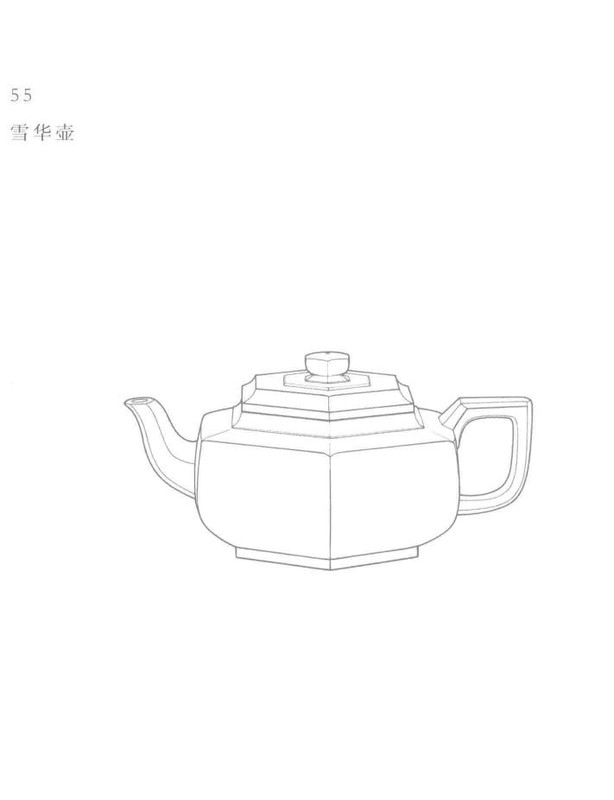
Classic Yixing teapots speak through their proportions, and the Xuehua Hu is no exception. These pots typically embody what Chinese aesthetics call “zhong zheng” (中正)—a centered, balanced quality that feels both grounded and graceful. The form tends toward gentle curves rather than sharp angles, with a body that sits comfortably in the hand without feeling heavy or cumbersome.
What distinguishes traditional Yixing designs like the Xuehua Hu is their commitment to functional beauty. Every element serves a purpose. The spout curves in a way that controls the pour, preventing drips and allowing you to direct the stream precisely. The handle balances the weight of the filled pot, positioned so your wrist stays comfortable during multiple infusions. The lid fits snugly enough to retain heat but not so tightly that you’ll struggle to remove it when the clay expands with warmth.
The surface of a well-crafted Xuehua Hu tells its own story. Yixing clay—known as zisha or “purple sand”—has a unique texture that’s neither fully matte nor glossy. It’s somewhere in between, with a subtle grain that becomes more pronounced as the pot ages and absorbs tea oils. This patina, called “baojiang” (包浆), is highly prized. It’s the visual record of every tea session, a slowly developing sheen that makes each pot unique to its owner.
Traditional craftsmanship means these pots are built by hand, often using techniques passed down through family workshops. You might notice slight asymmetries—a spout that’s not perfectly aligned, a handle with minute variations in thickness. These aren’t flaws. They’re signatures of human touch, reminders that you’re holding something made by skilled hands, not stamped out by machines.
Roots in Chinese Tea History
To understand the Xuehua Hu, you need to step back into the world of Ming and Qing dynasty tea culture, when Yixing pottery rose to prominence. This was an era when tea drinking evolved from a necessity into an art form, and the vessels used became subjects of serious aesthetic consideration.
Yixing, a city in Jiangsu Province, had been producing pottery for centuries, but it was during the Ming dynasty (1368-1644) that local artisans began creating unglazed teapots from the region’s distinctive clay. These pots were revolutionary. Unlike glazed porcelain, which created a barrier between tea and vessel, Yixing clay was porous enough to interact with the tea, absorbing its essence over time while enhancing its flavor.
The literati—scholars, poets, and artists who shaped Chinese cultural tastes—embraced these pots enthusiastically. They appreciated how Yixing ware embodied Daoist and Buddhist principles: simplicity, naturalness, and the beauty of unadorned materials. A good Yixing pot didn’t need decoration. Its beauty came from the clay itself, from the skill of the potter, and from the way it improved with use.
Classic designs like the Xuehua Hu emerged during this period of intense creativity and refinement. Potters experimented with forms, seeking shapes that balanced aesthetic appeal with practical function. The most successful designs—those that felt right in the hand, poured cleanly, and enhanced the tea experience—were preserved and passed down, becoming part of the classical repertoire.
These weren’t static templates, though. Each generation of potters brought their own sensibility to traditional forms, making subtle adjustments while respecting the essential character of the design. This is why you can find Xuehua Hu pots from different eras and workshops that share a family resemblance while each having its own personality.
The Perfect Tea Companions
One of the beautiful things about Yixing pots is their specificity. Unlike porcelain or glass, which work well with any tea, Yixing clay develops a relationship with particular tea types. The porous nature of the clay means it absorbs tea oils and compounds, gradually seasoning itself to enhance specific flavor profiles.
The Xuehua Hu, with its classic proportions and traditional form, shines particularly well with oolong teas. The moderate size typical of this design—usually holding between 150-250ml—is ideal for gongfu-style brewing, where you make multiple short infusions. Oolongs, with their complex flavor evolution across successive steeps, benefit enormously from this approach.
Try a traditional Tie Guan Yin in your Xuehua Hu. The pot’s heat retention helps coax out the tea’s floral notes while the clay’s slight porosity softens any astringency, resulting in a rounder, more harmonious cup. As your pot seasons over months and years of use, you’ll notice how it begins to amplify the tea’s best qualities—the orchid-like fragrance becomes more pronounced, the texture grows silkier.
Dancong oolongs are another excellent match. These teas from Guangdong Province are known for their intense aromatics—honey, orchid, almond, ginger—and the Xuehua Hu’s form helps concentrate and present these fragrances beautifully. The relatively compact body retains heat well, which is crucial for bringing out dancong’s full character.
For those who prefer darker teas, aged oolongs and certain types of black tea also pair wonderfully with this pot style. The clay’s interaction with these teas tends to smooth out rough edges while preserving depth and complexity. A well-aged Wuyi rock oolong, for instance, develops an almost velvety quality when brewed in a seasoned Yixing pot.
What about green tea or white tea? Generally, these lighter, more delicate teas are better suited to porcelain or glass, which don’t interfere with their subtle flavors. However, some tea enthusiasts do dedicate Xuehua Hu pots to specific white teas, particularly aged ones that have developed more robust character over time.
The key principle is dedication: choose one type of tea (or closely related teas) for your pot and stick with it. This allows the clay to season properly, creating a synergy between vessel and tea that deepens with every brewing session.
Brewing Wisdom: Getting the Most from Your Pot
Owning a Xuehua Hu is the beginning of a relationship, not a transaction. These pots reward attention and care, developing character as you use them. Here’s how to make the most of this classic design.
Initial Preparation
When you first acquire your pot, it needs a proper introduction to its purpose. Start by rinsing it thoroughly with room-temperature water to remove any dust from storage or shipping. Then, place the pot (with lid) in a large pot of water and bring it to a gentle simmer for about 30 minutes. This opens the clay’s pores and removes any residual kiln odors.
After this initial boiling, let the pot cool naturally in the water. Once it’s cool enough to handle, fill it with the type of tea you plan to dedicate it to—use a generous amount of leaves and hot water. Let this sit overnight. The next day, discard the tea, rinse the pot, and it’s ready for use.
Daily Brewing Technique
Preheat your pot before brewing. Pour hot water over the exterior and fill the interior, letting it sit for a minute. This brings the clay to temperature, ensuring your first infusion extracts properly.
Use water at the appropriate temperature for your chosen tea—generally 90-95°C (195-205°F) for oolongs. The Xuehua Hu’s heat retention means it will maintain temperature well across multiple infusions, which is exactly what you want for gongfu brewing.
Fill the pot about one-third full with dry leaves. Pour water until it just reaches the base of the spout, place the lid, and immediately pour hot water over the exterior. This external rinse serves multiple purposes: it maintains temperature, rinses away any drips, and contributes to developing the pot’s patina.
Infusion times start short—perhaps 20-30 seconds for the first steep—and gradually increase with each subsequent infusion. The Xuehua Hu’s design allows for precise pouring, so you can decant completely, ensuring each cup has consistent flavor.
Care and Maintenance
After your tea session, empty the leaves and rinse the pot with hot water only—never use soap, which the porous clay will absorb. Leave the lid off and let the pot air dry completely before storing. This prevents any musty odors from developing.
Some enthusiasts like to pour the last bit of tea over the exterior of the pot during brewing sessions. Over time, this builds up a beautiful patina, though it’s entirely optional. What matters most is regular use and proper drying.
Never put your Yixing pot in the dishwasher or microwave. Avoid sudden temperature changes, which can crack the clay. And resist the temptation to use multiple tea types in the same pot—the mixed flavors will muddy rather than enhance your tea experience.
The Living Tradition
What makes the Xuehua Hu special isn’t just its form or function—it’s the way it connects you to a living tradition. Every time you brew tea in this pot, you’re participating in a practice that stretches back centuries, yet remains vibrantly alive today.
In Yixing, master potters still create these classic designs, training apprentices in techniques that can’t be rushed or mechanized. The best pots take time—time to source the right clay, time to shape it properly, time to fire it at precise temperatures. This slowness is itself a form of resistance against our accelerated modern world.
For tea enthusiasts, a Xuehua Hu offers something increasingly rare: an object that improves with use rather than deteriorating. In a culture of planned obsolescence, here’s something designed to last generations, growing more beautiful and functional as it ages. The pot you use today might be treasured by your grandchildren, carrying not just the patina of countless tea sessions but the memories of quiet moments, conversations with friends, and solitary contemplations.
This is the deeper meaning of “snow blossom”—not just aesthetic beauty, but the kind of enduring grace that reveals itself slowly, through patient attention and regular practice. Like snow that transforms a landscape without fanfare, the Xuehua Hu works its subtle magic on your tea and, if you let it, on your relationship with the simple, profound act of brewing and drinking.
In the end, that’s what classic designs offer: not novelty, but depth. Not excitement, but satisfaction. Not perfection, but the kind of honest, functional beauty that makes everyday rituals feel meaningful. The Xuehua Hu has survived centuries because it understands this truth, embodying it in every curve and proportion. Your tea—and your tea practice—will be richer for it.