醒钟壶
Explore this classic Yixing pottery design and its significance in tea culture
The Xing Zhong Hu: Awakening the Spirit of Tea
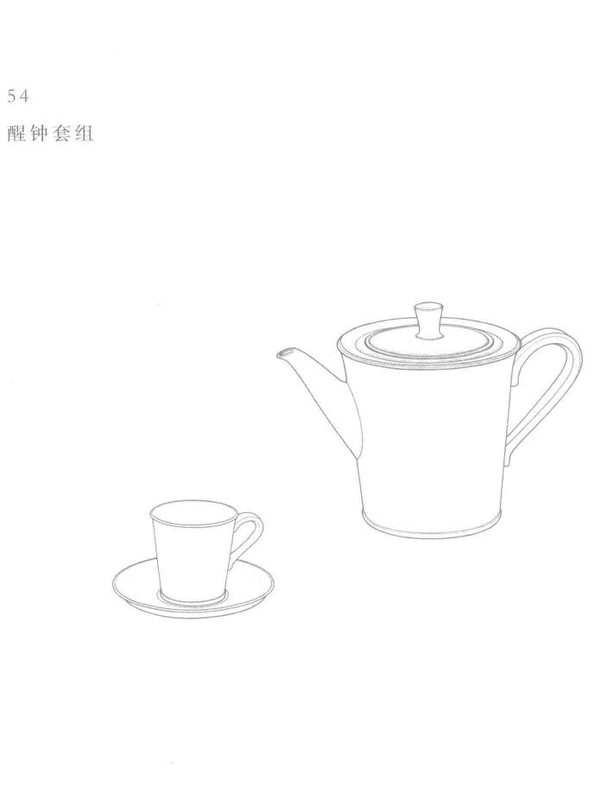
There’s something profoundly poetic about a teapot that translates to “Awakening Bell Pot” (醒钟壶, Xing Zhong Hu). The name alone suggests a vessel designed not merely to brew tea, but to rouse the senses—to call forth the deepest flavors locked within the leaves, much like a temple bell summons monks to mindfulness at dawn.
This classic Yixing design embodies centuries of Chinese tea culture, where the relationship between pot and tea is considered almost sacred. For those of us who’ve fallen down the rabbit hole of gongfu tea brewing, the Xing Zhong Hu represents both a connection to tradition and a practical tool for elevating our daily tea ritual.
A Design That Speaks Without Words
The Xing Zhong Hu carries a distinctive silhouette that sets it apart in the crowded world of Yixing teapots. Its form suggests a bell—not the ornate ceremonial bells of imperial courts, but rather the simple, resonant bells that marked time in ancient Chinese villages and monasteries. There’s an elegant roundness to the body, a gentle swelling that speaks of abundance without excess.
The pot typically features a smooth, continuous curve from base to shoulder, creating a shape that’s both grounded and uplifting. This isn’t a squat, earthbound vessel, nor is it tall and precarious. Instead, it strikes that perfect balance—stable enough to inspire confidence, graceful enough to please the eye during those contemplative moments when you’re waiting for your tea to steep.
The spout often emerges from the body with purposeful clarity, neither too aggressive nor too timid. It’s designed for control—that crucial element when you’re pouring precious oolong or aged pu-erh and don’t want to waste a single drop or disrupt the leaves with turbulent pouring. The handle, meanwhile, provides a comfortable grip that allows for the precise, deliberate movements that gongfu brewing demands.
What makes the Xing Zhong Hu particularly appealing is its lack of unnecessary ornamentation. While some Yixing pots feature elaborate carvings, calligraphy, or applied decorations, this design relies on the purity of its form and the natural beauty of the clay itself. It’s a philosophy that aligns perfectly with the Daoist principles that have long influenced Chinese tea culture: simplicity contains multitudes, and restraint reveals truth.
Clay That Breathes and Remembers
Like all authentic Yixing teapots, the Xing Zhong Hu is crafted from the legendary zisha clay—purple sand clay—mined from the hills around Yixing in Jiangsu Province. This isn’t just any clay. Its unique mineral composition and porous structure make it ideal for tea brewing in ways that porcelain or glass simply cannot match.
The clay breathes. Microscopic pores allow air to circulate while retaining heat, creating an environment where tea leaves can fully express themselves. Over time, as you dedicate your pot to a particular type of tea (a traditional practice among serious tea drinkers), these pores absorb the oils and essences from the leaves. Your pot becomes seasoned, developing what collectors call a “tea memory.”
This seasoning process is part of the magic. A well-used Xing Zhong Hu, devoted to a single tea type for years, can eventually brew a decent cup with hot water alone—no leaves required. Of course, you wouldn’t actually do this, but the fact that it’s possible speaks to the profound relationship between clay, tea, and time.
The traditional craftsmanship involved in creating a Xing Zhong Hu follows methods passed down through generations. Master potters shape the clay using techniques that haven’t fundamentally changed in centuries. There are no molds or mechanical processes—just skilled hands, simple tools, and an intimate understanding of how the clay wants to move.
Roots in Tea History
The Xing Zhong Hu emerges from a tradition that stretches back to the Ming Dynasty (1368-1644), when Yixing teapots first gained prominence among Chinese literati and tea connoisseurs. This was a transformative period in tea culture, when the elaborate powdered tea ceremonies of the Song Dynasty gave way to the simpler, more direct method of steeping whole leaves—the approach we still use today.
During this era, scholars and artists began to appreciate tea not as a formal ritual but as a path to personal cultivation and aesthetic refinement. They wanted teapots that reflected these values: functional, beautiful in their simplicity, and capable of enhancing the tea experience without overwhelming it.
The bell-like form of the Xing Zhong Hu likely draws inspiration from Buddhist culture, which has been intertwined with Chinese tea tradition since tea first arrived from India with Buddhist monks. Bells held deep significance in Buddhist practice—they marked transitions, called attention to the present moment, and symbolized the awakening of consciousness. A teapot shaped like a bell carries these associations, transforming an everyday act into something more mindful.
Throughout the Qing Dynasty (1644-1912) and into the modern era, the Xing Zhong Hu has remained a beloved classic. While tea culture has evolved and new pot designs have emerged, this shape endures because it simply works. Its proportions create ideal brewing conditions, its form is pleasing to hold and behold, and its symbolism resonates with anyone who approaches tea as more than just a beverage.
Finding the Perfect Tea Match
One of the joys of owning a Xing Zhong Hu is discovering which teas sing in its embrace. The pot’s shape and clay characteristics make it particularly well-suited to certain tea types, though personal experimentation is always encouraged.
Oolong teas are perhaps the most natural pairing. The Xing Zhong Hu’s rounded body provides ample room for oolong leaves to unfurl and dance during steeping. Whether you’re brewing a floral Tie Guan Yin, a roasted Da Hong Pao, or a complex aged oolong, this pot’s heat retention and breathing clay help coax out the full spectrum of flavors—from the bright, aromatic top notes to the deep, lingering finish.
The pot excels with traditional charcoal-roasted oolongs in particular. The clay’s ability to maintain steady heat complements the roasting process these teas have undergone, allowing the caramelized sweetness and toasted grain notes to emerge without any harsh edges.
Aged raw pu-erh also finds a welcoming home in the Xing Zhong Hu. These teas, which have been carefully stored for years or decades, develop complex, layered flavors that benefit from the pot’s even heat distribution and the subtle enhancement that seasoned clay provides. The pot won’t mask any flaws in lesser pu-erh, but it will help a quality aged tea reveal its full character.
For those who enjoy ripe (shou) pu-erh, the Xing Zhong Hu can work beautifully, especially if you dedicate a pot specifically to this tea type. The earthy, woody notes of ripe pu-erh develop a wonderful smoothness when brewed in well-seasoned Yixing clay.
Black teas (what the Chinese call red teas, or hong cha) also pair well with this pot style. A Yunnan Dian Hong or a Fujian Zheng Shan Xiao Zhong can develop remarkable depth and sweetness when brewed in a Xing Zhong Hu. The clay softens any astringency while preserving the tea’s natural malty or fruity characteristics.
What you’ll want to avoid is using the same pot for radically different tea types. The traditional wisdom of “one pot, one tea” exists for good reason. If you brew delicate green tea in a pot seasoned with years of dark oolong, you’ll taste the ghost of every previous session. This isn’t necessarily bad, but it defeats the purpose of experiencing each tea on its own terms.
Brewing Wisdom: Getting the Most from Your Pot
Owning a Xing Zhong Hu is one thing; using it well is another. Here’s what years of tea drinking have taught me about maximizing this pot’s potential.
Seasoning your new pot is the essential first step. When you first acquire a Xing Zhong Hu, it needs preparation. Rinse it thoroughly with hot water to remove any dust from storage. Then, place it in a pot of water with some tea leaves (the type you plan to dedicate it to) and simmer gently for an hour. This opens the clay’s pores and begins the seasoning process. Let it cool naturally, rinse again, and it’s ready for use.
Temperature matters immensely. The Xing Zhong Hu’s clay retains heat well, which is perfect for teas that need high temperatures—most oolongs, pu-erh, and black teas. Preheat your pot by filling it with hot water and letting it sit for a minute before discarding the water and adding your leaves. This ensures your first infusion doesn’t lose heat to cold clay.
Leaf quantity and steeping time require attention. The pot’s volume will determine how much tea you use, but a general guideline is to fill the pot about one-quarter to one-third full with dry leaves. For most oolongs and pu-erh, start with very short steeps—10 to 15 seconds—and gradually increase with each subsequent infusion. The Xing Zhong Hu’s design allows for multiple infusions, often six to ten or more with quality tea.
Pouring technique affects the final cup. Use the pot’s well-designed spout to pour in a smooth, controlled stream. Pour all the tea out completely—don’t leave liquid sitting with the leaves between infusions, as this can lead to bitterness. The traditional approach is to pour in a circular motion among multiple cups to ensure even distribution of flavor.
After each session, rinse your pot with hot water only—never soap, which the porous clay will absorb. Leave the lid off and let it air dry completely before storing. Over time, you’ll notice the exterior developing a subtle sheen, a patina that tea lovers call “tea shine.” This is the visible evidence of your pot’s growing tea memory.
Respect the dedication. Once you’ve chosen which tea type your Xing Zhong Hu will brew, stick with it. This discipline might seem limiting, but it’s actually liberating. Your pot becomes a specialist, fine-tuned to bring out the best in one particular tea family. Many serious tea drinkers own multiple pots, each dedicated to a different tea type.
The Ritual and the Reward
Using a Xing Zhong Hu transforms tea drinking from a casual habit into a mindful practice. There’s something about holding a pot shaped like an awakening bell that reminds you to be present, to pay attention, to notice the subtle shifts in flavor from one infusion to the next.
This isn’t about pretension or performance. It’s about creating a small pocket of intentionality in your day. When you measure out leaves, preheat your pot, and time your steeps, you’re participating in a tradition that has brought clarity and calm to countless people across centuries.
The pot itself becomes a companion on this journey. As it seasons and develops its patina, it carries the memory of every tea session—quiet mornings, afternoon breaks, evening conversations. It becomes uniquely yours, shaped by your choices and your care.
Choosing Your Xing Zhong Hu
If you’re considering adding a Xing Zhong Hu to your tea practice, take your time with the selection. Look for pots made by reputable artisans using authentic Yixing clay. The pot should feel balanced in your hand, with a lid that fits snugly but not too tightly. The spout should pour cleanly without dribbling, and the handle should be comfortable to grip.
Don’t be swayed by pots that seem too perfect or too cheap. Authentic Yixing pottery shows the hand of its maker—slight variations, tool marks, the organic quality of shaped clay. These aren’t flaws; they’re signatures of genuine craftsmanship.
Consider what tea you’ll dedicate it to. If you’re primarily an oolong drinker, the Xing Zhong Hu is an excellent choice. If you’re exploring aged pu-erh, equally so. Let your tea preferences guide your pot selection.
A Bell That Keeps Ringing
The beauty of the Xing Zhong Hu lies not in complexity but in its refined simplicity. It’s a pot that does exactly what it should—enhance your tea, please your senses, and invite you into a more mindful relationship with your daily cup.
Like the bell it’s named for, it calls you to attention, to presence, to the small awakening that happens when you truly taste your tea. And in a world that constantly demands our scattered attention, that’s a gift worth treasuring.
Whether you’re just beginning your journey into gongfu tea brewing or you’re a seasoned practitioner, the Xing Zhong Hu offers something valuable: a connection to tradition, a tool for exploration, and a daily reminder that some of life’s deepest pleasures come from the simplest rituals, performed with care.