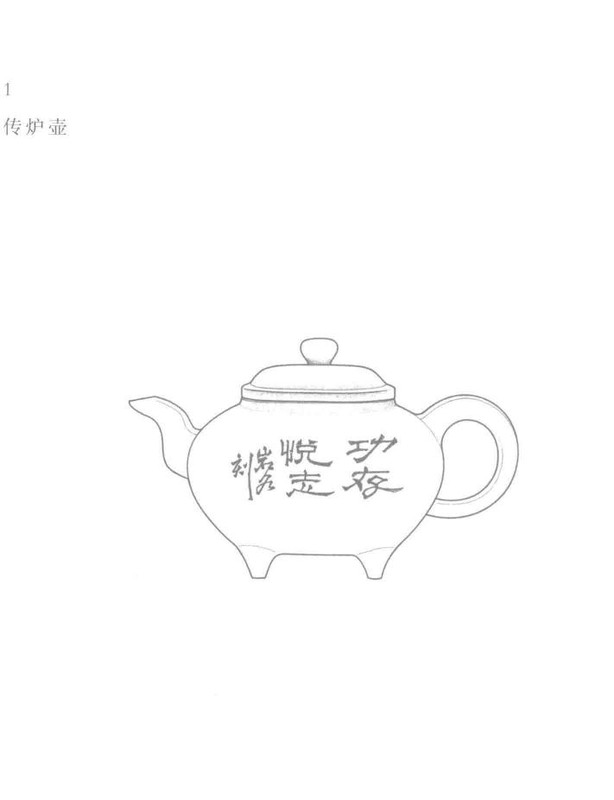
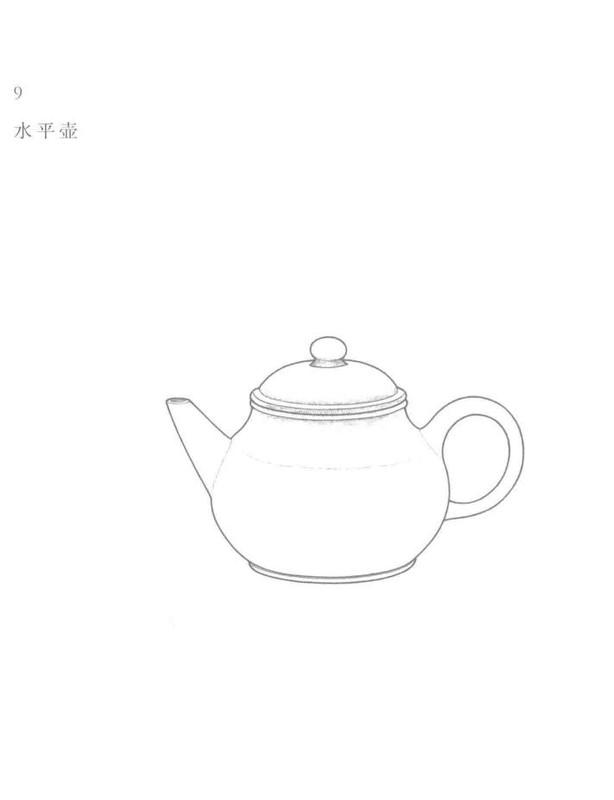
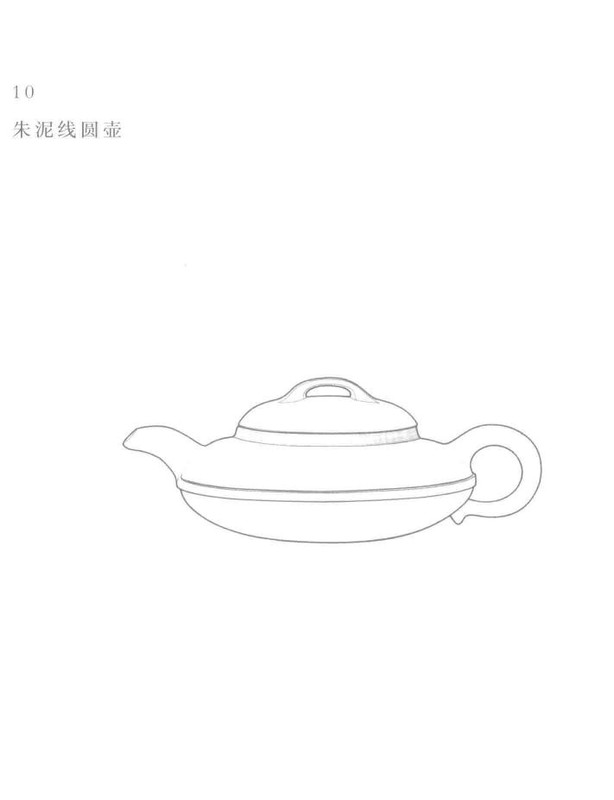
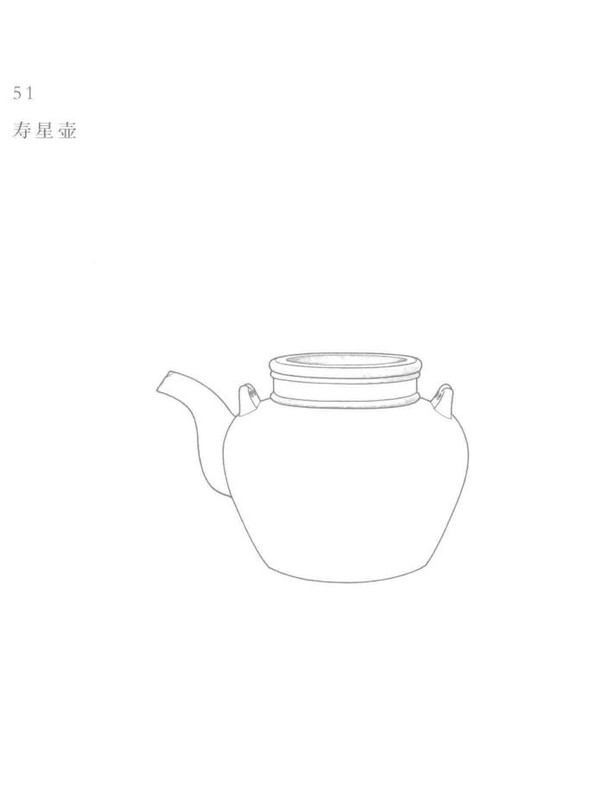
寿星壶
Explore this classic Yixing pottery design and its significance in tea culture
The Shou Xing Hu: Brewing Tea with the God of Longevity
When you hold a Shou Xing Hu (寿星壶) in your hands, you’re not just cradling a teapot—you’re connecting with centuries of Chinese cultural wisdom about longevity, happiness, and the art of living well. This distinctive Yixing design takes its name from Shou Xing, the beloved deity of longevity in Chinese folklore, and embodies everything that makes traditional Chinese tea culture so captivating.
A Teapot Shaped by Mythology
The Shou Xing Hu stands out immediately in any collection of Yixing pottery. While many teapots aim for elegant simplicity or natural forms, this design embraces something more whimsical and deeply symbolic. The pot typically features design elements that evoke the image of Shou Xing himself—the cheerful old sage with his famously elongated forehead, representing accumulated wisdom and a life well-lived.
In Chinese tradition, Shou Xing is one of the three Star Gods (Fu Lu Shou), representing longevity alongside fortune and prosperity. He’s usually depicted as a smiling elderly man with a prominent, dome-like forehead, often carrying a staff and accompanied by a deer or crane—both symbols of long life. The Shou Xing Hu captures this auspicious imagery in clay, transforming a functional brewing vessel into a daily reminder of life’s most cherished blessings.
The Visual Poetry of Traditional Craftsmanship
What makes a Shou Xing Hu immediately recognizable is its departure from conventional teapot proportions. The body often features rounded, organic curves that suggest the rotund contentment of the deity himself. Some interpretations incorporate a distinctive bulbous form at the top of the pot, echoing Shou Xing’s characteristic forehead—a feature that’s both playful and profound.
The spout and handle work in harmony with this central form, typically flowing naturally from the body rather than appearing as separate attachments. Master potters understand that every element must contribute to the overall sense of balance and auspiciousness. The spout might curve gently like a crane’s neck, while the handle arches with the comfortable grip that comes from generations of refinement.
Traditional Shou Xing Hu designs often incorporate subtle decorative elements—perhaps a textured surface suggesting the folds of the deity’s robes, or small applied details like peaches (another longevity symbol) or pine branches. These aren’t merely ornamental; they’re part of a visual language that speaks to anyone familiar with Chinese cultural symbolism.
The clay itself tells part of the story. Authentic Yixing pottery comes from the region around Yixing in Jiangsu Province, where the unique zisha (purple sand) clay has been prized for centuries. This clay can range from deep purple-brown to warm red-orange to pale buff, and each color brings its own character to the finished pot. The unglazed surface has a matte, slightly grainy texture that feels alive in your hands—and that’s exactly the point.
Roots in Traditional Chinese Tea Culture
The Shou Xing Hu emerges from a long tradition of Yixing pottery that dates back to the Ming Dynasty (1368-1644), though the art of working with local clay goes back even further. During the Ming and Qing dynasties, Yixing teapots evolved from simple functional vessels into sophisticated art objects that reflected the refined tastes of scholars, merchants, and tea connoisseurs.
The decision to create teapots in the form of auspicious figures like Shou Xing reflects a distinctly Chinese approach to everyday objects. Why should a teapot be merely practical when it could also invite good fortune into your home? This philosophy—that beauty, function, and meaning should intertwine—defines traditional Chinese craftsmanship at its best.
During the height of tea culture in imperial China, owning a well-crafted Yixing pot was a mark of cultivation and taste. Scholars would commission pots from renowned artisans, sometimes inscribing them with poetry or seals. A Shou Xing Hu would have been particularly appropriate for an elder statesman or as a respectful gift, carrying wishes for health and long life.
The traditional craftsmanship methods used to create these pots have been passed down through generations of pottery families in Yixing. Unlike wheel-thrown pottery, Yixing teapots are typically constructed using the “da shen tong” (打身筒) method—building the pot from flat pieces of clay that are shaped and joined with remarkable precision. This technique allows for the complex forms and perfect proportions that characterize the best examples.
The Science Behind the Clay
What makes Yixing clay special isn’t just tradition—it’s geology. The zisha clay contains high levels of iron and other minerals that give it unique properties. The clay is porous at a microscopic level, which means it breathes. When you brew tea in an unglazed Yixing pot, the clay absorbs tiny amounts of the tea’s oils and flavors over time.
This is why serious tea enthusiasts dedicate each Yixing pot to a single type of tea. A Shou Xing Hu used exclusively for aged oolong will, over months and years, develop a seasoning that enhances that particular tea. The pot becomes a partner in the brewing process, contributing its accumulated character to each infusion.
The clay’s porosity also affects heat retention and distribution. Yixing pots don’t get as hot to the touch as porcelain, and they maintain a more stable temperature during brewing. This gentle, even heat helps coax out the full complexity of fine teas without shocking the leaves or creating harsh notes.
Perfect Tea Pairings for Your Shou Xing Hu
Given its traditional roots and the properties of Yixing clay, a Shou Xing Hu excels with certain types of tea. The pot’s typically medium size (often 150-250ml) and heat characteristics make it ideal for teas that benefit from multiple short infusions—the gongfu brewing style.
Oolong teas are perhaps the most natural match. Whether you choose a roasted Wuyi rock oolong like Da Hong Pao, a floral Taiwanese high-mountain oolong, or an aged traditional oolong, the Shou Xing Hu will serve you well. The clay’s heat retention brings out the complex aromatics of oolong while smoothing any rough edges. As your pot seasons over time, it will develop a patina that makes each brew richer than the last.
Aged raw puer also pairs beautifully with Yixing clay. The earthy, complex character of well-aged puer benefits from the stable temperature and the pot’s ability to soften any remaining astringency. If you’re lucky enough to have puer that’s been aging for a decade or more, brewing it in a seasoned Shou Xing Hu creates a meditation in a cup.
Ripe puer (shou puer) works wonderfully too, especially in a pot that’s been dedicated to darker teas. The clay helps emphasize the smooth, woody, sometimes chocolate-like notes while minimizing any earthiness that might be too pronounced.
Red teas (what the West calls black tea), particularly Chinese varieties like Keemun or Dian Hong, also shine in a Shou Xing Hu. The pot’s heat characteristics help extract the full body and sweetness of these teas without bringing out excessive tannins.
What you’ll want to avoid are delicate green teas and white teas. These teas prefer lower temperatures and shorter contact with heat-retaining materials. They’re better suited to porcelain or glass, where you can appreciate their subtle colors and control the temperature more precisely.
Brewing Wisdom: Getting the Most from Your Pot
Using a Shou Xing Hu isn’t complicated, but a few practices will help you get the best results and build that prized seasoning over time.
Seasoning your new pot is the first step. Rinse it thoroughly with hot water, then brew several pots of the tea you plan to dedicate it to, discarding these initial brews. This begins the process of coating the clay’s pores with tea oils. Some people simmer their new pot gently with tea leaves, though this isn’t strictly necessary.
Warm your pot before brewing by filling it with hot water and letting it sit for a minute. This ensures the clay is at the right temperature to properly extract your tea. Pour out this warming water just before adding your leaves.
Use the right water temperature for your chosen tea. Oolongs typically want water just off the boil (195-205°F), while aged puers can handle fully boiling water. The Yixing clay will moderate the temperature somewhat, but starting right is important.
Don’t overfill the pot. Leave some space at the top—about 80% full is ideal. This allows the leaves to expand and the tea to breathe.
Pour completely after each infusion. Don’t leave tea sitting in the pot between infusions, as this can lead to overextraction and bitterness. The beauty of gongfu brewing is that you’re doing many short infusions, each revealing different aspects of the tea.
Clean gently after each session. Rinse with hot water only—no soap, ever. The soap will be absorbed by the porous clay and ruin your tea. Let the pot air dry completely with the lid off before storing it.
Use it regularly. A Yixing pot that sits unused for months can develop musty odors. These pots are meant to be working vessels, not shelf decorations. The more you use your Shou Xing Hu, the better it becomes.
The Ritual of Tea and Time
There’s something particularly appropriate about brewing tea in a pot named for the god of longevity. The act of preparing tea in the traditional way—warming the pot, measuring the leaves, timing the infusions—is itself a practice in mindfulness and patience. These are qualities that, according to Chinese wisdom, contribute to a long and healthy life.
As your Shou Xing Hu ages with you, developing its patina and deepening its character, it becomes a record of countless quiet moments. Each tea session adds another microscopic layer to the pot’s seasoning, another memory to its story. In this way, the pot truly embodies the spirit of Shou Xing—accumulating wisdom and richness over time.
Choosing Your Shou Xing Hu
If you’re considering adding a Shou Xing Hu to your collection, look for pots made by reputable artisans using authentic Yixing clay. The market has many imitations made from inferior clay or even synthetic materials. A genuine Yixing pot will have a certain weight and texture—not too light, not too heavy, with a slightly grainy surface that feels natural.
Examine the craftsmanship carefully. The lid should fit snugly but not too tightly, with a small hole for air release. When you pour, the stream should be smooth and controlled. The handle should feel balanced and comfortable. These details matter because you’ll be using this pot for years, hopefully decades.
Consider the size based on how you typically drink tea. If you usually brew for yourself, a smaller pot (150-200ml) is ideal. For sharing with one or two others, look for something in the 200-300ml range.
A Companion for the Journey
The Shou Xing Hu represents something essential about Chinese tea culture—the belief that the objects we use daily should nourish not just our bodies but our spirits. Every time you brew tea in this pot, you’re participating in a tradition that values longevity, wisdom, and the simple pleasure of a well-made cup of tea.
As you develop your relationship with your Shou Xing Hu, you’ll notice how it changes and how your tea changes with it. This is the magic of Yixing pottery—it’s alive in a way that glass and porcelain can never be. It breathes, it remembers, it grows richer with time.
May your Shou Xing Hu bring you many years of excellent tea and the kind of peaceful moments that, accumulated over a lifetime, constitute true longevity. After all, what is a long life worth if not filled with small, perfect pleasures like a well-brewed cup of tea?