中石瓢壶
Explore this classic Yixing pottery design and its significance in tea culture
The Zhong Shi Piao Hu: A Timeless Classic in Yixing Pottery
When you hold a well-crafted Yixing teapot in your hands, you’re not just touching clay—you’re connecting with centuries of tea culture, artisan tradition, and the quiet philosophy that a perfect cup of tea begins long before water meets leaves. Among the pantheon of classic Yixing designs, the Zhong Shi Piao Hu (中石瓢壶) stands as one of the most beloved and enduring forms, a shape that has captivated tea enthusiasts for generations.
The name itself tells a story. “Zhong” means middle or center, “Shi” refers to stone, and “Piao” suggests a ladle or dipper. Together, they evoke the image of a stone ladle—simple, functional, and grounded in natural forms. This isn’t a teapot that shouts for attention with elaborate decoration or whimsical shapes. Instead, it whispers its elegance through proportion, balance, and the kind of understated beauty that reveals itself slowly, cup after cup, season after season.
A Design Born from Simplicity
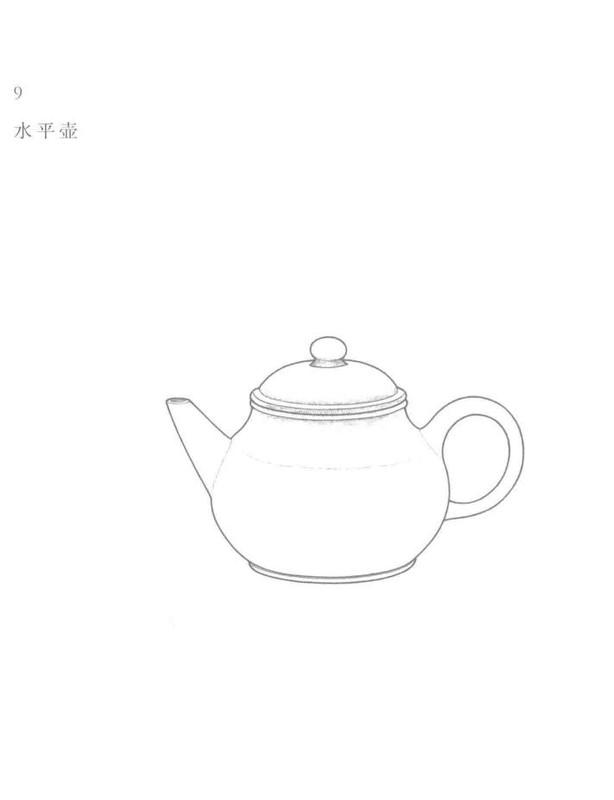
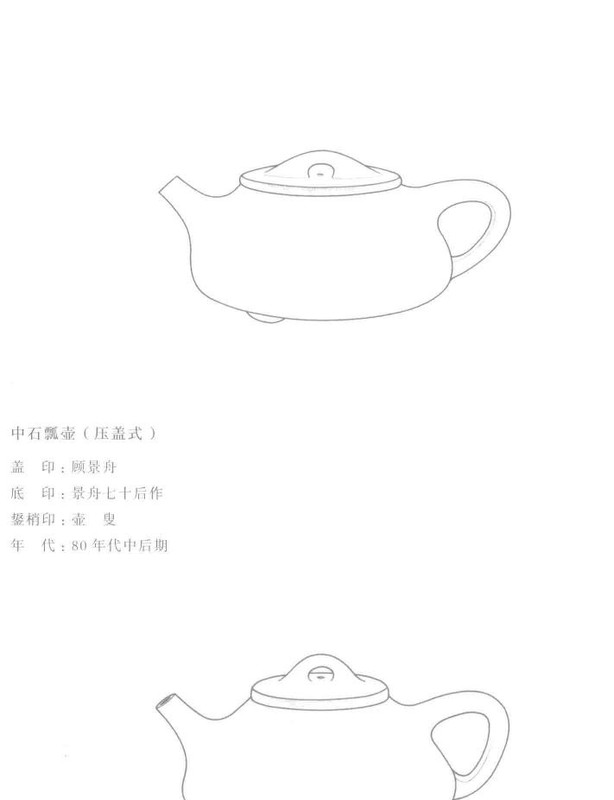
The Zhong Shi Piao Hu belongs to the “Shi Piao” family of teapots, one of the most recognizable silhouettes in the Yixing tradition. What distinguishes the “Zhong” variation is its balanced, moderate proportions—neither too tall nor too squat, neither overly angular nor excessively rounded. It occupies a harmonious middle ground that makes it incredibly versatile and pleasing to the eye.
Picture an inverted trapezoid as the body—wider at the shoulder, tapering gently toward the base. The spout extends in a confident, slightly upward curve, neither too aggressive nor too timid. The handle arches gracefully, creating negative space that feels intentional and considered. The lid sits flush with the body, often featuring a bridge-style button that echoes the pot’s geometric sensibility. Every line serves a purpose; every curve has been refined through generations of makers seeking that elusive perfect balance.
What makes this design so enduring is its geometric clarity. The Zhong Shi Piao Hu doesn’t rely on surface decoration or elaborate embellishments. Its beauty emerges from the relationship between its parts—the way the spout’s angle complements the handle’s curve, how the lid’s profile continues the body’s lines, the subtle tension between straight edges and gentle curves. It’s architecture in miniature, a study in proportion that would make any classical designer nod in appreciation.
The walls of the pot typically maintain a consistent thickness, allowing for even heat distribution during brewing. The spout is positioned to ensure a smooth, controlled pour—no dribbling, no splashing, just a clean arc of tea flowing into your cup. The handle is sized and positioned for comfortable pouring, whether you’re brewing for yourself or serving guests. These aren’t accidents; they’re the result of countless iterations by master craftspeople who understood that form and function are inseparable.
Roots in Tradition
The Shi Piao family of teapots traces its lineage back through Yixing’s rich pottery history, though pinpointing exact origins is like trying to catch mist in your hands. What we know is that this design emerged during a period when Yixing potters were moving away from purely utilitarian vessels toward forms that balanced function with aesthetic refinement. The literati class—scholars, poets, and artists—began to take serious interest in tea culture, and they demanded teapots that reflected their values: simplicity, naturalness, and understated elegance.
The Zhong Shi Piao Hu embodies these principles perfectly. It doesn’t compete with the tea; it serves it. It doesn’t demand attention; it earns respect. In an era when some teapots were becoming increasingly ornate, festooned with carved dragons or elaborate calligraphy, the Shi Piao designs maintained their geometric purity. They represented a different aesthetic philosophy—one that found beauty in restraint, power in simplicity.
Traditional Yixing pottery has always been about more than just making vessels. It’s a craft deeply intertwined with Chinese philosophy, particularly the Daoist appreciation for natural materials and forms. The clay itself comes from the region around Yixing in Jiangsu Province, where unique geological conditions created deposits of zisha (purple sand) clay with remarkable properties. This clay is porous enough to absorb tea oils over time, developing a patina that enhances future brews, yet dense enough to hold heat effectively.
Master potters would spend years perfecting their understanding of this clay—how it behaves when wet, how it shrinks during firing, how different clays from different seams create different colors and textures. The Zhong Shi Piao Hu, with its clean lines and geometric precision, is particularly demanding to execute well. Any imperfection in proportion becomes immediately visible. There’s nowhere to hide mistakes behind decoration or elaborate details.
The Clay Speaks
One of the most fascinating aspects of Yixing teapots is how they evolve with use. The porous nature of zisha clay means that each brewing session leaves a subtle trace—tea oils, aromatic compounds, minerals from the water. Over months and years, these accumulate to create what enthusiasts call “tea nourishment” or “raising the pot.” A well-used Zhong Shi Piao Hu develops a soft luster, a depth of color, and even a subtle tea fragrance that becomes part of the brewing experience.
This relationship between pot and tea is why serious collectors often dedicate specific pots to specific tea types. The clay remembers, in a sense, and a pot that has brewed hundreds of sessions of aged oolong will contribute something different to the tea than a brand-new pot. It’s a partnership that deepens over time, making each Zhong Shi Piao Hu unique to its owner’s tea journey.
The traditional firing process also plays a crucial role in the pot’s character. Yixing potters use relatively low firing temperatures compared to porcelain, which preserves the clay’s porosity while achieving durability. The resulting teapots have a warm, earthy quality—they feel alive in your hands, responsive to temperature, breathing with the tea.
Perfect Pairings: Which Teas Shine
The Zhong Shi Piao Hu’s moderate size and balanced design make it remarkably versatile, but certain teas truly come alive in this classic form. The pot’s ability to retain heat while allowing the clay to interact with the tea makes it particularly well-suited for several categories.
Oolong teas are perhaps the most natural match. Whether you’re brewing a roasted Wuyi rock tea like Da Hong Pao or a greener, more floral Taiwanese high-mountain oolong, the Zhong Shi Piao Hu provides the thermal stability these teas need. Oolongs often require multiple short infusions, and this pot’s design facilitates quick, controlled pours that prevent over-extraction. The clay’s subtle influence can round out any rough edges in the tea while allowing its complex aromatics to fully develop.
Aged raw pu-erh also finds a welcoming home in this pot. These teas benefit from the heat retention and the way zisha clay can soften any remaining astringency while highlighting the tea’s depth and complexity. As both the tea and the pot age, they develop together—the pot absorbing the tea’s character, the tea benefiting from the pot’s seasoned interior.
Ripe pu-erh (shou pu-erh) works beautifully as well, particularly in a pot that’s been dedicated to darker teas. The earthy, smooth character of ripe pu-erh harmonizes with the clay’s natural qualities, creating a brewing experience that feels grounded and meditative.
Red teas (what the West calls black tea), especially Chinese varieties like Dian Hong or Keemun, also pair wonderfully. The pot’s heat retention helps extract the tea’s full body and sweetness without emphasizing bitterness. The result is a smooth, rounded cup that showcases the tea’s natural character.
What about green teas? Here, opinions divide. Some purists prefer porcelain or glass for green teas, arguing that these materials don’t interfere with the tea’s delicate, fresh character. However, a well-seasoned Zhong Shi Piao Hu can work with certain green teas, particularly those with more body and structure. It’s a matter of experimentation and personal preference.
Brewing Wisdom: Getting the Most from Your Pot
Owning a Zhong Shi Piao Hu is the beginning of a relationship, not a transaction. These pots reward attention and care, developing character over time. Here’s how to make the most of this classic design.
Seasoning your new pot is the essential first step. Rinse it thoroughly with room-temperature water to remove any dust from storage. Then, place it in a pot of water with some tea leaves (the type you plan to brew in it) and bring to a gentle simmer for 30-45 minutes. This opens the clay’s pores and gives it an initial tea seasoning. Let it cool naturally, rinse with clean water, and it’s ready for use.
Water temperature matters more than many realize. The Zhong Shi Piao Hu retains heat well, so you can use water at the appropriate temperature for your tea without worrying about rapid cooling. For oolongs and pu-erh, boiling water (95-100°C) works beautifully. For more delicate teas, adjust accordingly.
Preheating is crucial. Before adding tea leaves, pour hot water into the pot, swirl it around, and discard. This brings the clay up to temperature, ensuring your first infusion extracts properly. It also allows you to check that the pot pours cleanly and the lid fits snugly.
Leaf quantity and infusion times will vary based on your tea and personal preference, but the Zhong Shi Piao Hu’s design facilitates the gongfu brewing style—multiple short infusions that allow you to experience how the tea evolves. Start with shorter steeps (20-30 seconds) and gradually increase with each infusion.
After each session, rinse the pot thoroughly with hot water—no soap, ever. The clay is porous, and soap will be absorbed, potentially ruining future brews. Let the pot air dry completely, lid off, before storing. Some enthusiasts gently wipe the exterior with a soft tea cloth to help develop the patina.
Dedicate your pot to one type of tea, or at least one category. A pot used exclusively for roasted oolongs will develop differently than one used for raw pu-erh, and mixing tea types can create muddy, confused flavors. This isn’t rigid dogma—it’s practical wisdom born from experience.
The Joy of Daily Use
What makes the Zhong Shi Piao Hu special isn’t just its history or its design—it’s how it feels to use it every day. There’s a particular pleasure in the ritual: warming the pot, measuring the leaves, watching the first infusion pour in a smooth arc, inhaling the aroma that rises from the cup. The pot’s balanced weight, the way it sits comfortably in your hand, the satisfying click when the lid settles into place—these small details accumulate into something meaningful.
In our fast-paced world, brewing tea with a Zhong Shi Piao Hu becomes a form of meditation, a deliberate slowing down. You can’t rush it. The tea needs time to open, the pot needs time to work its subtle magic, and you need time to pay attention. This isn’t a criticism of the pot—it’s one of its greatest gifts.
As your pot ages and develops its patina, it becomes a record of your tea journey. The subtle sheen on its surface represents hundreds of quiet moments, countless cups shared with friends or savored in solitude. It’s a reminder that some of life’s best pleasures come not from novelty but from depth—from returning again and again to something simple and allowing it to reveal its complexity slowly.
Finding Your Zhong Shi Piao Hu
If you’re considering adding a Zhong Shi Piao Hu to your tea practice, take your time. Look for pots made by skilled artisans who understand the traditional proportions and techniques. The clay should feel smooth but not glassy, with a subtle texture that speaks to its natural origins. The spout should pour cleanly, the lid should fit snugly without being too tight, and the overall proportions should feel balanced and harmonious.
Price varies widely based on the artist’s reputation, the quality of the clay, and the execution of the design. You don’t need to spend a fortune to get a functional, beautiful pot, but be wary of suspiciously cheap options that might use inferior clay or poor craftsmanship.
Most importantly, choose a pot that speaks to you. The Zhong Shi Piao Hu’s beauty lies in its subtlety, and you should feel drawn to its particular expression of that classic form. Trust your instincts—the right pot will feel right in your hands.
A Lasting Companion
The Zhong Shi Piao Hu represents something increasingly rare: a design so well-conceived that it needs no improvement, no modernization, no reinterpretation. It has endured because it works—functionally, aesthetically, philosophically. It serves tea beautifully while asking nothing for itself.
In a culture that often prizes novelty over tradition, there’s something deeply satisfying about using a teapot design that has remained essentially unchanged for generations. It connects you to a lineage of tea lovers stretching back through time, all of whom found joy in this same simple form.
Whether you’re just beginning your journey into Chinese tea or you’re a seasoned enthusiast, the Zhong Shi Piao Hu offers something valuable: a reminder that sometimes the most profound pleasures come from the simplest things, executed with care and used with attention. It’s not just a teapot—it’s an invitation to slow down, pay attention, and find beauty in the everyday ritual of brewing tea.