一 50
Explore this classic Yixing pottery design and its significance in tea culture
The Timeless Elegance of Classic Yixing: A Journey Through Traditional Chinese Tea Culture
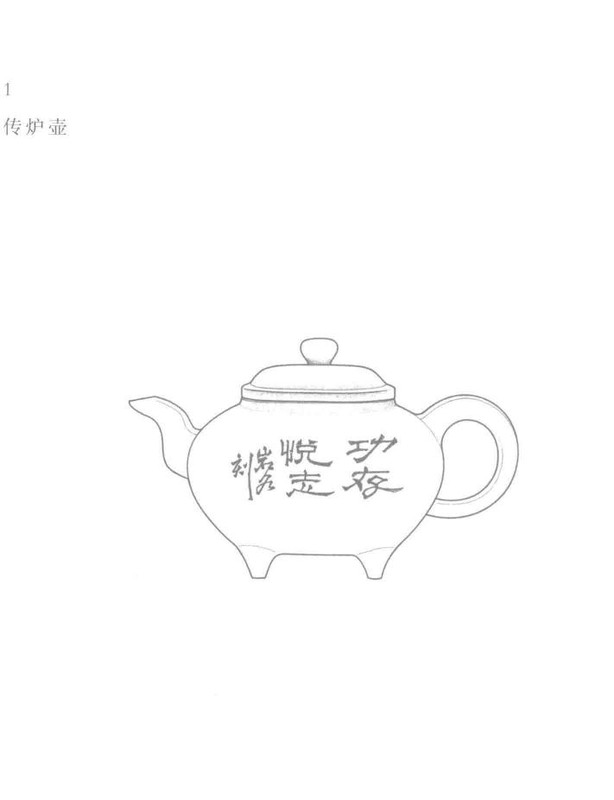
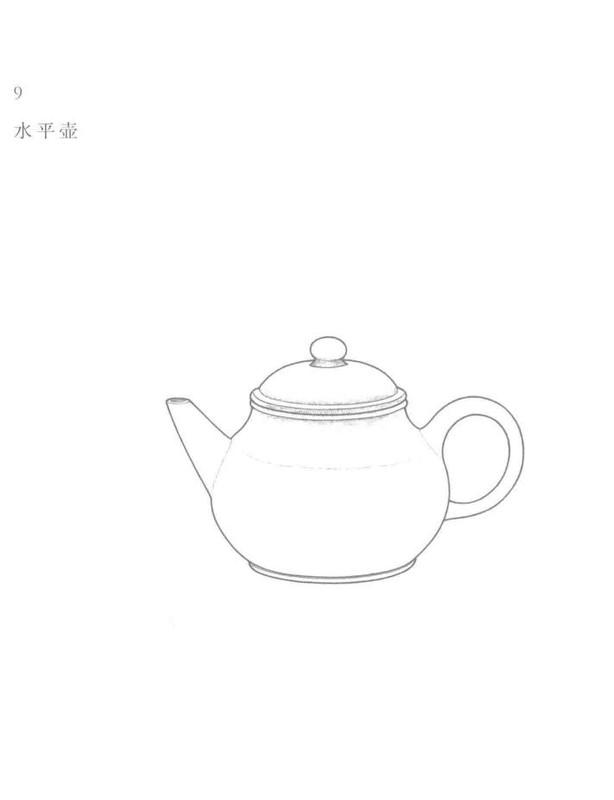
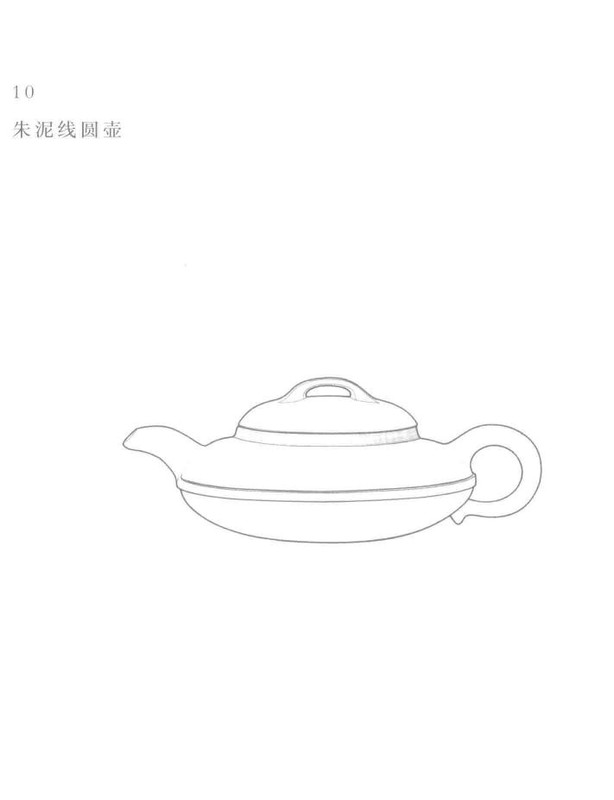
When you hold a traditional Yixing teapot in your hands, you’re not just touching clay—you’re connecting with centuries of Chinese tea culture, craftsmanship, and philosophy. These remarkable vessels, born from the purple clay of Jiangsu Province, represent one of the most enduring traditions in the world of tea. Today, we’re exploring a classic design that embodies everything that makes Yixing pottery so beloved by tea enthusiasts worldwide.
The Soul of Purple Clay
The Chinese character “一” (yī), meaning “one” or “unity,” perfectly captures the essence of what makes traditional Yixing teapots so special. In Chinese philosophy, this concept represents wholeness, simplicity, and the fundamental unity of all things. When applied to teaware, it speaks to the harmonious relationship between potter, clay, water, tea, and drinker—all elements coming together in a single, perfect moment.
Classic Yixing designs aren’t about flashy decoration or elaborate ornamentation. Instead, they celebrate the inherent beauty of the clay itself and the skill of the artisan who shapes it. This particular style represents the purest expression of Yixing craftsmanship: honest, functional, and deeply connected to the tea-drinking experience.
Understanding Yixing’s Purple Clay Legacy
Before we dive into the specifics of this design, it’s worth understanding what makes Yixing pottery so extraordinary. The region of Yixing, located in Jiangsu Province near Shanghai, has been producing ceramic wares for over a thousand years. However, it was during the Ming Dynasty (1368-1644) that Yixing teapots truly came into their own, coinciding with the rise of loose-leaf tea brewing.
The secret lies in the clay itself—known as “zisha” or purple clay. This unique material is actually a mixture of different colored clays that, when fired, can produce colors ranging from deep purple to warm brown, sandy beige to rich red. The clay is naturally porous, which means it breathes, allowing the teapot to absorb the oils and flavors of the tea brewed within it over time. This is why serious tea drinkers dedicate individual Yixing pots to specific types of tea.
The Classic Design Philosophy
Traditional Yixing designs follow principles that have remained remarkably consistent over centuries. The classic form we’re examining here embodies several key characteristics that define authentic Yixing craftsmanship:
Proportional Harmony: Every element of a classic Yixing pot exists in careful balance with the others. The body, spout, handle, and lid work together as a unified whole. The spout should align perfectly with the handle, creating a visual line that divides the pot into symmetrical halves. When you pour, the lid should stay in place without falling, and the stream should be smooth and controlled.
Functional Beauty: Unlike decorative teapots meant for display, classic Yixing designs prioritize function. The spout is positioned to allow complete emptying of the pot without drips. The handle is shaped and positioned for comfortable, balanced pouring. The lid fits snugly but not too tightly, allowing proper heat circulation while preventing heat loss.
Clay Expression: Traditional designs let the natural beauty of the clay shine through. The surface might be smooth and polished, or it might retain a slightly grainy texture that showcases the clay’s natural character. Color variations, mineral deposits, and subtle imperfections aren’t flaws—they’re signatures of authentic, handcrafted work.
Timeless Simplicity: Classic forms avoid trendy embellishments or excessive decoration. The shape itself—whether round, square, or somewhere in between—provides all the visual interest needed. This simplicity ensures the design never feels dated and allows the pot to fit seamlessly into any tea setting.
The Art of Seasoning Your Pot
One of the most fascinating aspects of owning a traditional Yixing teapot is the seasoning process. Unlike glazed ceramic or porcelain, the porous nature of Yixing clay means your pot will develop character and depth over time, becoming uniquely yours.
When you first acquire a classic Yixing pot, it needs preparation. Start by rinsing it thoroughly with room temperature water to remove any dust from storage or shipping. Then, place it in a pot of water with some tea leaves (the type you plan to brew in it) and bring it to a gentle simmer for about 30 minutes. This opens the clay’s pores and begins the seasoning process.
After this initial preparation, the real magic begins. Each time you brew tea, the pot absorbs minute amounts of tea oils. Over months and years, this builds up a patina that enhances the flavor of your tea and gives the pot a beautiful, lustrous sheen. Some collectors have pots they’ve been using for decades, and these treasured vessels produce tea with a depth and complexity that newer pots simply can’t match.
Perfect Tea Pairings
The beauty of a classic Yixing design is its versatility, but certain teas truly shine when brewed in traditional purple clay. Here’s what works best:
Oolong Teas: This is where Yixing pots truly excel. The clay’s heat retention and breathing properties perfectly complement oolong’s complex flavor profile. Whether you’re brewing a roasted Wuyi rock oolong or a lighter Taiwanese high-mountain variety, a classic Yixing pot will help you extract every nuance of flavor. The pot’s ability to maintain steady temperature through multiple infusions makes it ideal for oolong’s traditional gongfu brewing style.
Aged Pu-erh: The earthy, complex flavors of aged pu-erh tea develop beautifully in Yixing clay. The pot’s porosity helps mellow any rough edges while enhancing the tea’s depth. Many serious pu-erh collectors dedicate specific pots exclusively to aged sheng or shou pu-erh, allowing the pot to develop a patina that complements these teas perfectly.
Black Teas: Chinese black teas (known as “red tea” in China) like Keemun, Dian Hong, or Lapsang Souchong work wonderfully in classic Yixing pots. The clay’s heat retention brings out the full-bodied richness of these teas while softening any astringency.
What to Avoid: Generally, you’ll want to skip delicate green teas and white teas in Yixing pots. These teas require lower temperatures and shorter steeping times, and the heat-retaining properties of Yixing clay can easily over-extract them, leading to bitterness. Save your Yixing for teas that benefit from sustained heat and multiple infusions.
Brewing Techniques for Success
Using a classic Yixing pot isn’t complicated, but a few techniques will help you get the most from both your pot and your tea:
Temperature Matters: Before adding tea, warm your pot by filling it with hot water and letting it sit for a minute. This preheating ensures stable temperature throughout the brewing process. Pour out the warming water, add your tea leaves, and then pour in water at the appropriate temperature for your chosen tea.
The Gongfu Approach: Traditional Yixing pots are typically small (100-200ml), designed for the gongfu brewing method. This involves using more tea leaves than Western-style brewing but steeping for much shorter times—often just 20-30 seconds for the first infusion. You’ll then do multiple infusions, gradually increasing the steeping time. This method allows you to experience how the tea evolves and opens up over successive brews.
Pouring Technique: Hold the pot with your thumb on the lid’s knob to keep it secure while pouring. Pour decisively—hesitant pouring can lead to drips. After pouring, some tea masters recommend leaving the lid slightly ajar to allow the leaves to breathe between infusions.
Post-Brewing Care: After your tea session, remove the leaves and rinse the pot with hot water only—never use soap, which the clay will absorb. Leave the lid off and allow the pot to air dry completely before storing. This prevents any musty odors from developing.
The Living Pot: Building Patina
One of the most rewarding aspects of owning a traditional Yixing pot is watching it develop over time. With regular use, the exterior will develop a subtle sheen called “patina.” This isn’t something you can rush—it’s the natural result of tea oils, handling, and time.
Some tea enthusiasts gently brush their pots with leftover tea during brewing sessions, which can enhance patina development. However, be cautious with this practice. Overdoing it can lead to an uneven, sticky coating rather than the smooth, natural luster you’re after. The best patina develops slowly and organically through regular, mindful use.
Caring for Your Investment
A well-made classic Yixing pot can last for generations with proper care. Here are some essential maintenance tips:
Never expose your pot to sudden temperature changes, which can cause cracking. Don’t put it in the dishwasher or microwave. Store it in a place with good air circulation—not in a sealed box where moisture could become trapped. If you won’t be using the pot for an extended period, make sure it’s completely dry before storing.
If your pot develops a stale smell from storage, don’t panic. Simply repeat the initial seasoning process with a gentle simmer in tea water, and it should return to its former glory.
Why Classic Designs Endure
In a world of constant innovation and changing trends, there’s something deeply satisfying about using a teapot design that has remained essentially unchanged for centuries. Classic Yixing forms endure because they represent the culmination of generations of refinement. Every curve, every proportion has been tested and perfected through countless brewing sessions over hundreds of years.
When you brew tea in a traditional Yixing pot, you’re participating in a ritual that connects you to countless tea drinkers across time. The same principles that guided Ming Dynasty scholars in their tea ceremonies still apply today. The same clay that ancient potters shaped by hand is still being worked by contemporary artisans using traditional techniques.
Conclusion: More Than Just a Teapot
A classic Yixing teapot is more than a brewing vessel—it’s a companion on your tea journey. As you use it over months and years, it becomes uniquely yours, seasoned by your favorite teas and shaped by your brewing habits. The pot develops character, and in a way, so do you as a tea drinker, learning patience, mindfulness, and appreciation for subtle flavors.
Whether you’re just beginning to explore Chinese tea culture or you’re a seasoned enthusiast, a traditional Yixing pot offers something special: a tangible connection to centuries of tea tradition, a tool that improves with use, and a beautiful object that brings joy to the simple act of brewing tea.
In the end, the character “一” (one/unity) reminds us that tea drinking is about bringing together many elements—water, leaves, clay, heat, time—into a single, harmonious experience. A classic Yixing pot is the perfect vessel for that unity, honoring tradition while creating something new with every brew.