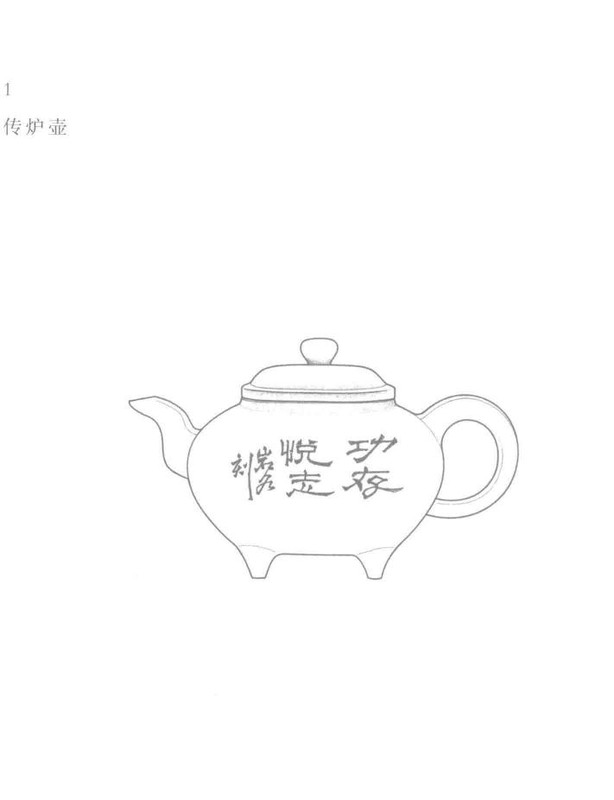
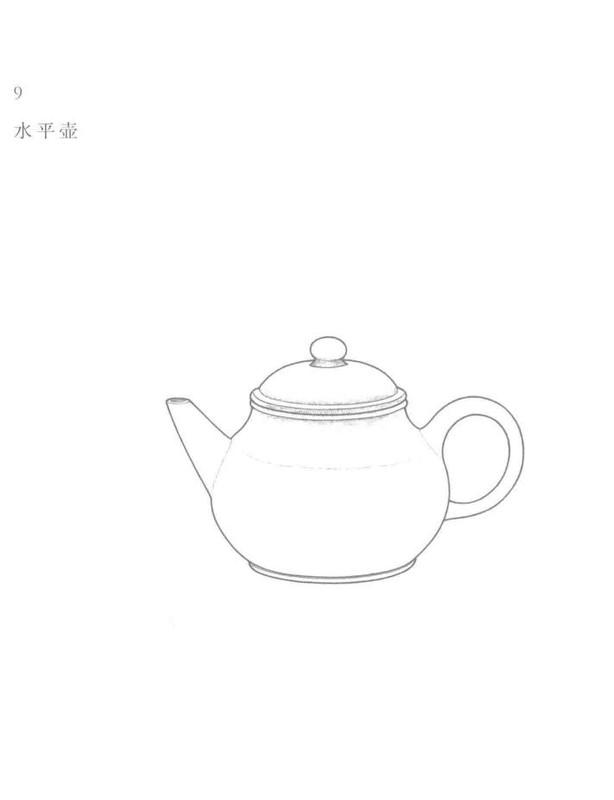
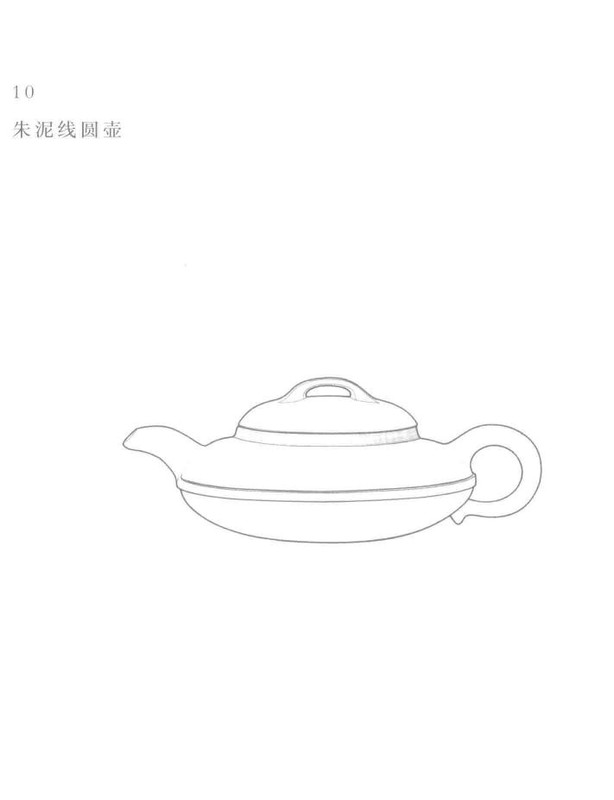
报春壶
Explore this classic Yixing pottery design and its significance in tea culture
The Baochun Hu (报春壶): A Herald of Spring in Your Tea Ritual
When you hold a traditional Yixing teapot in your hands, you’re not just cradling a vessel for brewing tea—you’re connecting with centuries of Chinese ceramic artistry. Among the classic designs that have endured through generations, the Baochun Hu (报春壶) stands out as a particularly poetic expression of nature’s renewal and the intimate relationship between craft and contemplation.
The name itself whispers of anticipation: “Baochun” translates roughly to “announcing spring” or “heralding spring,” evoking images of the first plum blossoms breaking through winter’s grip, or early birds returning to bare branches. This isn’t merely decorative naming—it reflects a deeper philosophy about tea drinking as a seasonal practice, a way of marking time’s passage and celebrating nature’s cycles.
A Design Rooted in Tradition
The Baochun Hu belongs to that treasured category of classic Yixing designs—forms that have been refined over generations until they achieve a kind of timeless perfection. Unlike contemporary experimental pieces that push boundaries with unconventional shapes, the Baochun Hu represents the accumulated wisdom of countless potters who understood that sometimes the most profound beauty lies in restraint and balance.
What makes this teapot particularly special is how it embodies the principle of “simple but not plain” (简而不陋), a concept central to Chinese aesthetics. At first glance, you might see an elegant, understated form. But spend time with it, and you’ll discover subtle curves, thoughtful proportions, and a harmony between elements that reveals the maker’s deep understanding of both function and beauty.
The body typically features gentle, flowing lines that suggest organic growth rather than rigid geometry. There’s often a sense of fullness without heaviness—the pot sits comfortably in the hand, its weight distributed in a way that makes pouring feel natural and effortless. The spout curves with purpose, designed to deliver a clean, controlled stream of tea without dripping. The handle arches in a way that accommodates fingers of different sizes while maintaining visual balance with the rest of the form.
The Soul of Yixing Clay
To understand the Baochun Hu, you need to appreciate the remarkable material from which it’s crafted. Yixing clay, sourced from the region around Lake Tai in Jiangsu Province, possesses unique properties that have made it the gold standard for teapot making for over 500 years.
This clay is naturally porous, containing tiny air pockets that allow the pot to “breathe.” When you brew tea in an unglazed Yixing pot, the clay gradually absorbs trace amounts of tea oils and flavors. Over months and years of use, the pot develops what enthusiasts call a “patina”—a seasoned character that actually enhances the tea you brew in it. It’s a living relationship between vessel and beverage, where each brewing session contributes to the pot’s evolution.
The Baochun Hu, crafted in the traditional manner, showcases the natural beauty of Yixing clay in its various forms. Depending on the specific clay body used—whether the rich purple zisha, the warm red zhuni, or the golden duanni—each pot develops its own personality. The surface might display the clay’s natural texture, perhaps with tiny particles visible that catch the light, or it might be burnished to a subtle sheen that deepens with use.
Historical Echoes and Timeless Appeal
While the exact origins of the Baochun Hu design remain somewhat mysterious (as is often the case with traditional forms that evolved organically rather than being “invented” at a specific moment), its aesthetic language speaks to the Ming and Qing dynasties, when Yixing teapot making reached extraordinary heights of refinement.
During these periods, tea culture in China underwent significant evolution. The earlier practice of whisking powdered tea gave way to steeping whole leaves, which required different vessels. Teapots became smaller, more personal, and more specialized. Scholars, artists, and wealthy merchants commissioned pieces from master potters, and certain designs became associated with particular brewing methods or tea types.
The Baochun Hu likely emerged during this fertile period of experimentation and refinement. Its name suggests it may have been particularly favored for spring teas—those precious first harvests when tea plants awaken from winter dormancy and produce leaves of exceptional delicacy and fragrance. Imagine a Ming dynasty scholar, welcoming the new season by brewing the year’s first Longjing or Biluochun in a pot whose very name celebrated spring’s arrival.
What’s remarkable is how these traditional designs continue to resonate with contemporary tea drinkers. In an age of rapid change and disposable goods, there’s something deeply satisfying about using a vessel whose form has been proven over centuries. The Baochun Hu doesn’t need to shout for attention—its quiet confidence comes from knowing it does its job beautifully.
Pairing Tea with Your Baochun Hu
One of the joys of owning a Yixing teapot is discovering which teas it brings to life most beautifully. While the porous nature of Yixing clay means you’ll want to dedicate your pot to one type of tea (or at least one category), the Baochun Hu’s versatile form makes it suitable for several excellent options.
Oolong Teas: This is where many Baochun Hu owners find their perfect match. The pot’s moderate size and efficient heat retention make it ideal for the multiple short infusions that oolong teas demand. Try it with a traditional Tieguanyin, where the pot will help coax out the tea’s complex floral and mineral notes. Or explore Wuyi rock oolongs like Da Hong Pao—the clay’s ability to soften any rough edges while preserving the tea’s robust character creates a beautifully balanced cup.
Green Teas: Given the pot’s name and its association with spring, using it for delicate green teas feels particularly appropriate. A high-quality Longjing (Dragon Well) or Biluochun brewed in a well-seasoned Baochun Hu can be revelatory. The clay tempers the water temperature slightly, preventing the scorching that can make green tea bitter, while adding a subtle roundness to the tea’s fresh, vegetal notes.
White Teas: For those who appreciate subtlety, a Baochun Hu can be wonderful for aged white teas like Shou Mei or Gong Mei. These teas benefit from the pot’s ability to maintain steady heat while allowing the tea to breathe, revealing layers of honeyed sweetness and gentle earthiness.
Raw Puer: If you’re a puer enthusiast, consider dedicating your Baochun Hu to young sheng (raw) puer. The pot’s form facilitates the quick infusions these teas require, and over time, the clay will develop a patina that complements puer’s evolving character beautifully.
Brewing Wisdom: Getting the Most from Your Pot
Owning a Baochun Hu is the beginning of a relationship that deepens with practice. Here’s how to brew tea in a way that honors both the pot and the leaves:
Seasoning Your New Pot: Before first use, give your pot a gentle introduction to its purpose. Rinse it with hot water, then brew several pots of the tea you plan to use regularly, discarding these initial brews. This helps remove any clay dust and begins the seasoning process.
Water Temperature Matters: Remember that Yixing clay retains heat well but also absorbs some of it. For green teas, you might use water around 80-85°C (176-185°F). For oolongs and puer, boiling water works beautifully—the pot will moderate it to the perfect temperature.
The Gongfu Approach: The Baochun Hu is perfectly sized for gongfu-style brewing—using more leaves, less water, and multiple short infusions. Fill the pot about one-third full with dry leaves, add water, and pour out the first infusion after just 10-20 seconds. Subsequent infusions can gradually increase in time. This method reveals how tea evolves across multiple steepings, and it’s where Yixing pots truly shine.
Pouring Technique: Hold the pot so your thumb rests on the lid’s knob while your fingers wrap around the handle. Pour with confidence—a steady, controlled stream prevents dripping and aerates the tea slightly, enhancing its aroma and flavor.
After Brewing: Never leave tea sitting in your pot. After your session, empty the leaves, rinse with hot water (no soap!), and let the pot air dry completely with the lid off. This prevents any musty odors and allows the clay to breathe. Some enthusiasts gently wipe the exterior with the tea cloth, which gradually builds that coveted patina.
The Ritual and the Reward
What transforms tea drinking from a simple beverage break into a meaningful ritual is often the vessel you use. The Baochun Hu, with its connection to seasonal renewal and its embodiment of traditional craftsmanship, invites you to slow down and pay attention.
There’s a meditative quality to the gongfu brewing process—the repetitive motions, the focus required, the way time seems to expand as you move through multiple infusions. Your Baochun Hu becomes a partner in this practice, its familiar weight in your hand, the way it pours, the subtle changes in its surface as it ages—all of these become part of your tea ritual’s texture.
And here’s something wonderful: unlike so many possessions that depreciate with use, a well-cared-for Yixing pot becomes more valuable over time. Not just monetarily (though well-seasoned antique pots can command impressive prices), but in terms of the brewing experience it provides. Each session adds to its character, deepening its ability to enhance your tea.
Choosing Your Baochun Hu
If you’re considering adding a Baochun Hu to your tea practice, take your time with the selection. Hold different pots, feel their weight, test how they pour (reputable sellers will let you do this with water). Look for clean lines, a spout that aligns properly with the body, a lid that fits snugly without wobbling, and a handle that feels comfortable.
Pay attention to the clay itself. Quality Yixing clay has a certain presence—it shouldn’t look or feel like common pottery. The surface might be slightly grainy or perfectly smooth, but it should have depth and character. Be wary of pots that seem too perfect or too cheap—authentic, well-made Yixing teapots require skill and time to produce.
Consider the size too. Traditional Baochun Hu designs typically range from 100ml to 200ml—perfect for solo sessions or sharing with one or two friends. Smaller pots concentrate flavors beautifully, while slightly larger ones offer more flexibility.
A Vessel for All Seasons
Despite its name announcing spring, the Baochun Hu is truly a pot for all seasons. In spring, it celebrates new growth with fresh green teas. Summer brings lighter oolongs that refresh and revive. Autumn calls for richer, more oxidized teas that echo the season’s depth. And in winter, it cradles warming brews that comfort and restore.
This versatility, combined with its timeless aesthetic and functional excellence, explains why the Baochun Hu has endured as a beloved classic. It doesn’t demand attention or make bold statements. Instead, it quietly, reliably, beautifully does what it was made to do: help you brew exceptional tea.
In our fast-paced world, there’s something profoundly grounding about using a tool whose design has been refined over centuries, crafted from clay that’s been treasured for generations, to prepare a beverage that’s been central to human culture for millennia. The Baochun Hu offers you a tangible connection to this long tradition—not as a museum piece to admire from a distance, but as a living part of your daily practice.
So whether you’re just beginning your journey into serious tea appreciation or you’re a seasoned enthusiast looking to deepen your practice, consider welcoming a Baochun Hu into your collection. Let it herald not just the coming of spring, but the beginning of a rewarding relationship between you, your tea, and a vessel that will grow more beautiful with every pour.