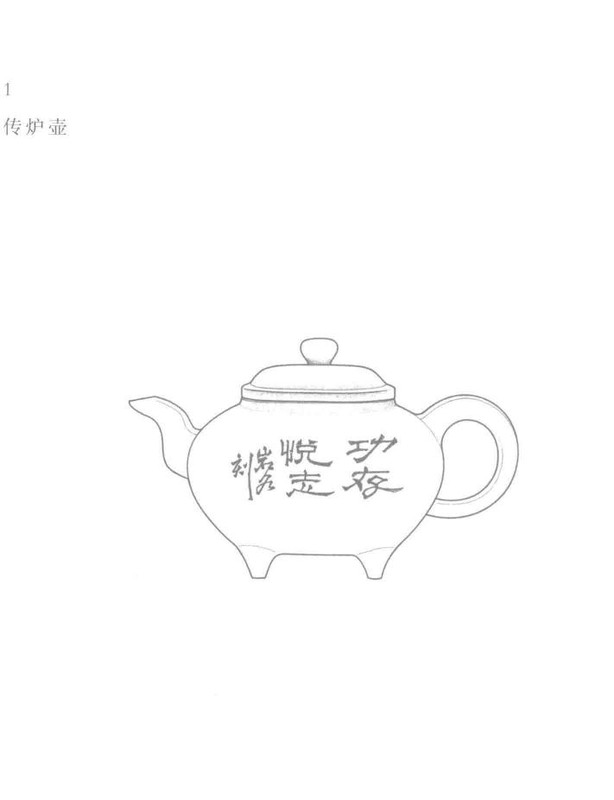
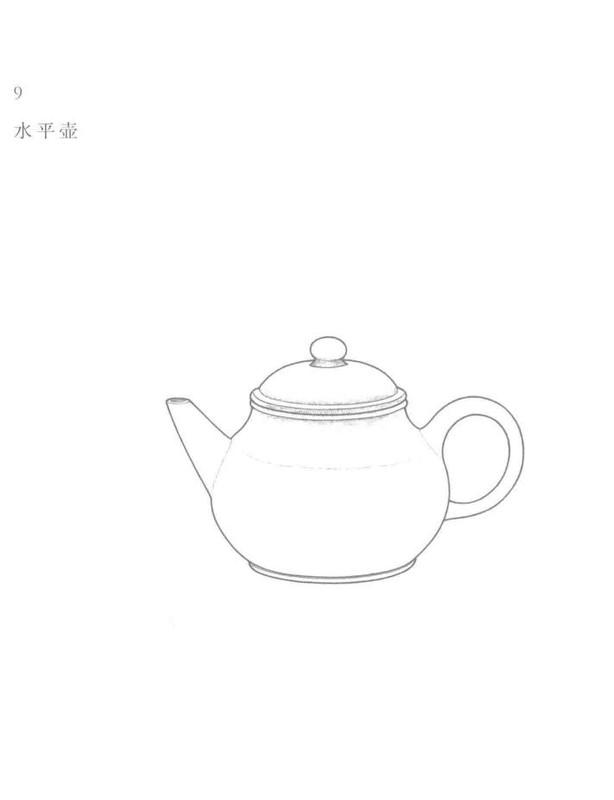
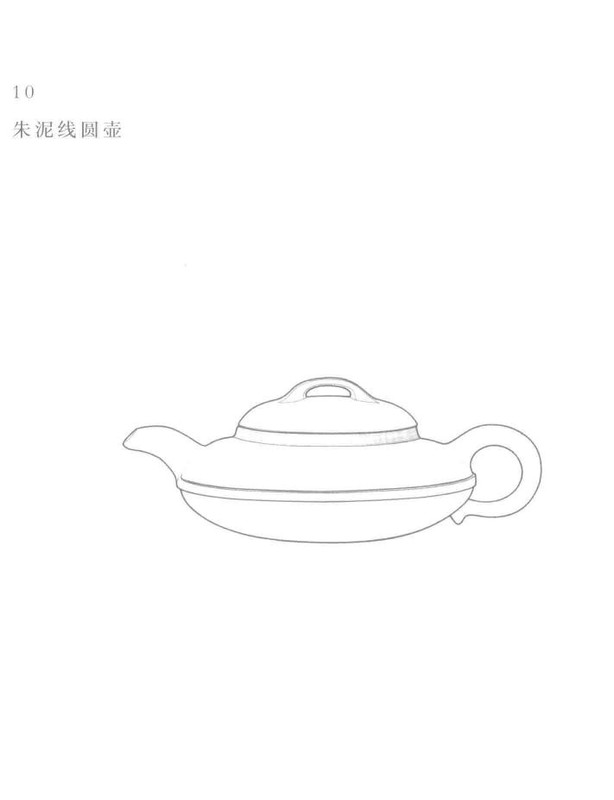
蒲包口长方形小花盆
Explore this classic Yixing pottery design and its significance in tea culture
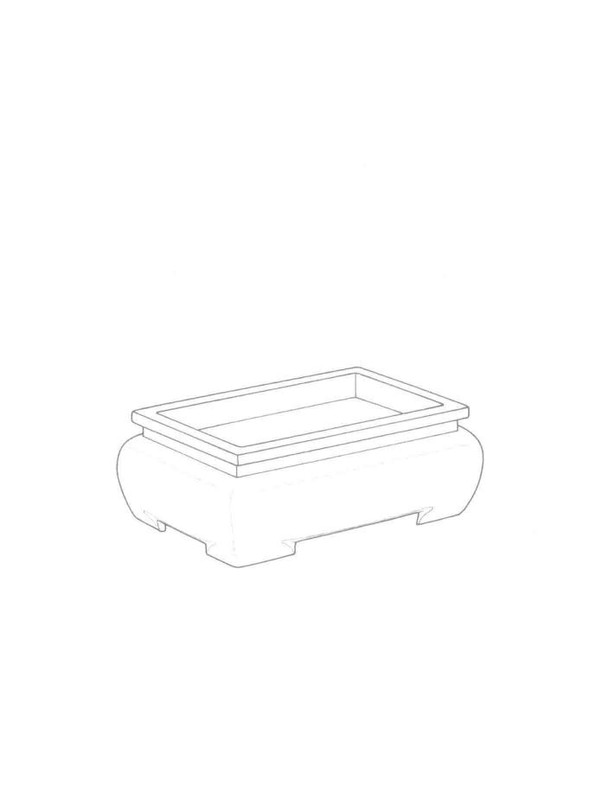
The Pubakou Rectangular Planter: A Hidden Gem of Yixing Craftsmanship
When most people think of Yixing pottery, their minds immediately jump to the iconic teapots that have graced Chinese tea ceremonies for centuries. But there’s a lesser-known treasure in the Yixing tradition that deserves attention from tea enthusiasts: the 蒲包口长方形小花盆 (púbāo kǒu chángfāngxíng xiǎo huāpén), or what we might call the “Cattail-Mouth Rectangular Small Planter.”
Now, I know what you’re thinking—a planter? On a tea website? Bear with me, because this elegant piece tells us something profound about the Yixing aesthetic and the philosophy that connects tea culture with the natural world.
Understanding the Name: Poetry in Clay
The Chinese name itself is wonderfully descriptive. “Pubakou” (蒲包口) refers to the rim style that resembles the opening of a woven cattail bag—those traditional rush baskets that have been used in China for millennia. This isn’t just a functional design choice; it’s a deliberate nod to rustic simplicity and natural materials.
The “rectangular small planter” part is straightforward enough, but don’t let that fool you into thinking this is merely utilitarian. In Chinese aesthetic philosophy, the container is never just a container. It’s a frame for contemplation, a bridge between human craft and natural beauty.
The Visual Language of Simplicity
What makes this design so captivating is its restraint. In an age where we’re bombarded with visual noise, the Pubakou rectangular planter offers something refreshingly different: quiet elegance.
The rectangular form itself is significant. Unlike the circular teapots that dominate Yixing production, rectangular vessels require exceptional skill to construct. Clay naturally wants to be round—it’s easier to throw on a wheel, easier to fire evenly, easier to seal. Creating clean, straight edges and perfect right angles in clay is a test of the potter’s mastery.
The cattail-mouth rim adds a subtle organic element to the geometric precision of the body. This interplay between the structured and the natural is quintessentially Chinese—think of how classical gardens juxtapose architectural pavilions with wild-seeming rockeries and ponds.
Traditional Yixing clay, with its distinctive purple-brown hue (often called “zisha” or purple sand), gives these planters a warm, earthy presence. The unglazed surface develops a subtle sheen over time, much like a well-seasoned teapot. This patina is prized by collectors and speaks to the living relationship between object and owner.
Historical Roots in Tea Culture
While we don’t have precise dating for this particular design, it emerges from a tradition that stretches back to the Ming Dynasty (1368-1644), when Yixing pottery first gained prominence among scholars and tea connoisseurs.
Here’s where things get interesting for tea lovers: these planters weren’t separate from tea culture—they were integral to it.
In traditional Chinese tea spaces, the environment matters as much as the tea itself. A proper tea room or tea corner wasn’t complete without living plants, often miniature landscapes (penjing, the precursor to Japanese bonsai) or small potted specimens that brought nature indoors. These weren’t mere decorations; they were companions to the tea ritual, reminders of the mountains where tea grows and the natural world that tea connects us to.
Yixing potters understood this connection intimately. Many of the same artisans who crafted teapots also made planters, using the same clay and similar techniques. The result? A visual harmony between your teaware and your tea space that’s hard to achieve with mixed materials.
The Clay Connection: Why Material Matters
Let’s talk about why Yixing clay is special, because this applies whether you’re brewing tea or growing plants.
Yixing clay is porous—not so much that it leaks, but enough to breathe. In teapots, this porosity allows the clay to absorb trace amounts of tea oils over time, seasoning the pot and enhancing future brews. In planters, this same quality provides excellent drainage and air circulation for roots, creating an ideal environment for plants.
The clay is also rich in minerals, including iron oxide, which gives it that characteristic color and contributes to its unique properties. Traditional potters didn’t add glazes because they understood that the natural clay surface was perfect as-is—functional and beautiful without embellishment.
This philosophy of “less is more” resonates deeply with tea culture, where the goal is often to reveal the true character of the tea rather than mask it with additives or elaborate preparation.
Creating Your Tea Space: Practical Applications
So how might a modern tea enthusiast incorporate a piece like this into their practice?
The Tea Table Companion
Place a Pubakou planter on your tea table with a small succulent or air plant. Choose something low-maintenance that won’t require frequent watering (which could interfere with your tea sessions). The living plant adds a dynamic element to your tea space—it grows and changes just as your relationship with tea deepens over time.
Seasonal Displays
In traditional Chinese culture, seasonal awareness is crucial. Use your planter to mark the seasons: spring bulbs, summer herbs, autumn grasses, winter evergreens. This practice connects your tea drinking to the natural cycles that govern tea cultivation.
Herb Garden Integration
Here’s a practical twist: grow tea-adjacent herbs in your Yixing planter. Mint for Moroccan-style tea, lemon balm for herbal infusions, or even small tea plant cuttings if you’re feeling ambitious. The planter becomes both decorative and functional, blurring the line between art and utility—very much in keeping with Chinese aesthetic principles.
Tea Pairing Philosophy (A Creative Interpretation)
Now, you might wonder how to “pair” a planter with tea. While this isn’t a teapot, we can think about aesthetic and philosophical pairings that enhance your tea experience.
With Green Teas
The clean lines and natural clay color of the Pubakou planter complement the fresh, vegetal character of green teas beautifully. Imagine sipping a delicate Longjing (Dragon Well) while contemplating a small bamboo or fern in your rectangular planter. The visual simplicity mirrors the tea’s pure, unoxidized nature.
With Oolong Teas
Oolongs occupy a middle ground between green and black teas, and they pair wonderfully with the balanced aesthetic of this design. The rectangular form’s structure echoes the careful processing that creates oolong’s complex character, while the organic rim detail reflects the tea’s natural origins.
With Aged Teas
For aged pu-erh or dark teas, consider planting something with visible age and character—perhaps a small succulent with weathered leaves or a miniature tree with gnarled branches. The patina that develops on both the clay and the plant mirrors the transformation that occurs in aged tea.
Brewing Wisdom from the Planter
What can a planter teach us about brewing tea? More than you might think.
Patience and Time
Plants grow slowly, imperceptibly day by day. Similarly, developing a true appreciation for tea—learning to distinguish subtle flavor notes, understanding how water temperature affects extraction, building a relationship with your teaware—takes time. The planter on your tea table is a daily reminder that good things can’t be rushed.
The Importance of Environment
Just as plants need the right soil, water, and light to thrive, tea needs the right water, temperature, and vessel to reveal its best qualities. The Yixing potter’s attention to creating the ideal environment for plants parallels the tea enthusiast’s attention to brewing conditions.
Simplicity and Essence
The unadorned beauty of this planter teaches us to appreciate things for what they are, not what we add to them. Apply this to your tea practice: sometimes the best cup is the simplest one, where you taste the tea itself rather than elaborate preparations or additions.
Caring for Your Yixing Planter
If you’re fortunate enough to acquire one of these pieces, treat it with the same care you’d give a teapot.
Initial Preparation
Rinse thoroughly with clean water to remove any dust from storage or shipping. Some enthusiasts like to soak new Yixing pieces in water for a few hours to fully saturate the clay before first use.
Regular Maintenance
The porous nature of Yixing clay means it will absorb water and minerals over time. This is normal and desirable—it’s part of the piece’s evolution. However, avoid harsh chemicals or detergents. Clean water and a soft brush are all you need.
Developing Patina
Over months and years, your planter will develop a subtle sheen from handling and environmental exposure. This patina is prized by collectors and adds character to the piece. Embrace it as evidence of your ongoing relationship with the object.
The Bigger Picture: Objects as Teachers
In Zen Buddhism, there’s a concept called “everyday mind”—the idea that enlightenment isn’t found in extraordinary experiences but in fully engaging with ordinary moments. A simple clay planter, properly appreciated, becomes a teacher.
Every time you water the plant in your Yixing planter, you’re practicing mindfulness. Every time you notice new growth or seasonal changes, you’re cultivating awareness. And every time you sit down for tea with this humble object in view, you’re reminded that beauty doesn’t require complexity—just attention and appreciation.
Conclusion: Beyond the Teapot
The Pubakou rectangular planter represents something important in Yixing tradition: the understanding that tea culture extends beyond the teapot and cup. It encompasses the entire environment where tea is prepared and enjoyed, the philosophy that guides our interaction with objects, and the connection between human craft and natural beauty.
For the modern tea enthusiast, incorporating pieces like this into your practice isn’t about collecting for collecting’s sake. It’s about creating a space that supports and enhances your tea journey—a space where every object has meaning, where simplicity speaks louder than ostentation, and where the boundary between art and life dissolves.
Whether you use it for plants, as a sculptural element on your tea table, or simply as an object of contemplation, this classic Yixing design offers a gateway into deeper appreciation of the aesthetic principles that have guided Chinese tea culture for centuries.
And isn’t that what the best tea objects do? They don’t just serve a function—they invite us into a conversation with tradition, with craft, and ultimately, with ourselves.