未找到
Explore this classic Yixing pottery design and its significance in tea culture
The Timeless Appeal of Classic Yixing Teapots: A Journey Through Traditional Chinese Tea Culture
When you hold a traditional Yixing teapot in your hands, you’re not just touching clay—you’re connecting with centuries of Chinese tea culture, craftsmanship, and the quiet ritual of brewing the perfect cup. These unassuming vessels, born from the purple clay of China’s Jiangsu Province, have captivated tea enthusiasts for generations with their unique ability to enhance tea’s flavor while telling stories of artisan dedication.
The Soul of Purple Clay
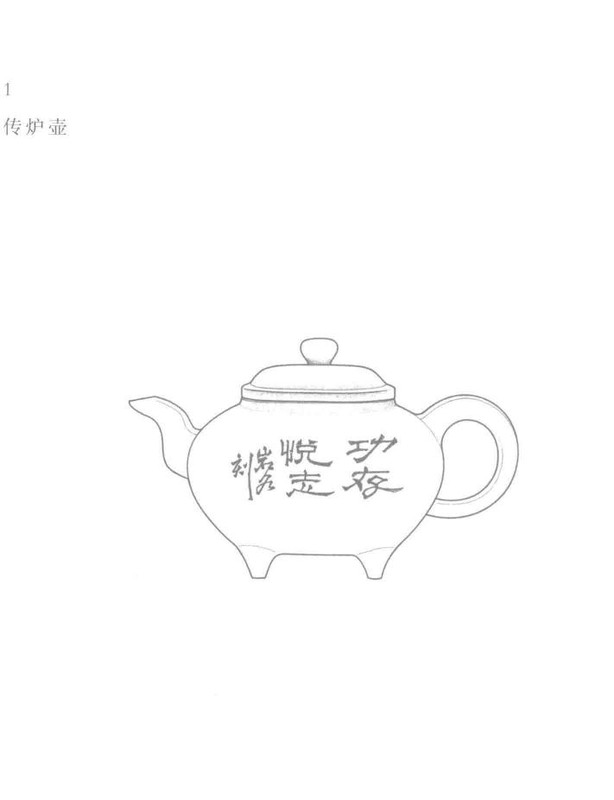
Yixing teapots represent one of the most celebrated traditions in Chinese pottery, and the classic designs we see today have roots stretching back to the Ming Dynasty. While this particular design follows traditional forms that have been refined over centuries, its appeal lies not in flashy innovation but in the perfection of time-tested principles.
The term “Yixing” itself refers to the city where these teapots originate, but it’s become synonymous with a particular type of unglazed stoneware that tea lovers worldwide recognize instantly. The clay—known as zisha or purple sand—comes in various natural colors ranging from deep purple-brown to warm red and pale buff, each with its own character and brewing properties.
What makes classic Yixing designs so enduring is their fundamental understanding of what a teapot needs to be: functional, balanced, and honest. There’s no pretense here, no unnecessary decoration to distract from purpose. Every curve, every angle, every proportion serves the tea.
Reading the Design: Form Follows Function
Classic Yixing teapots embody a philosophy where beauty emerges from utility rather than ornamentation. When you examine a traditional design, you’ll notice several key characteristics that define its identity.
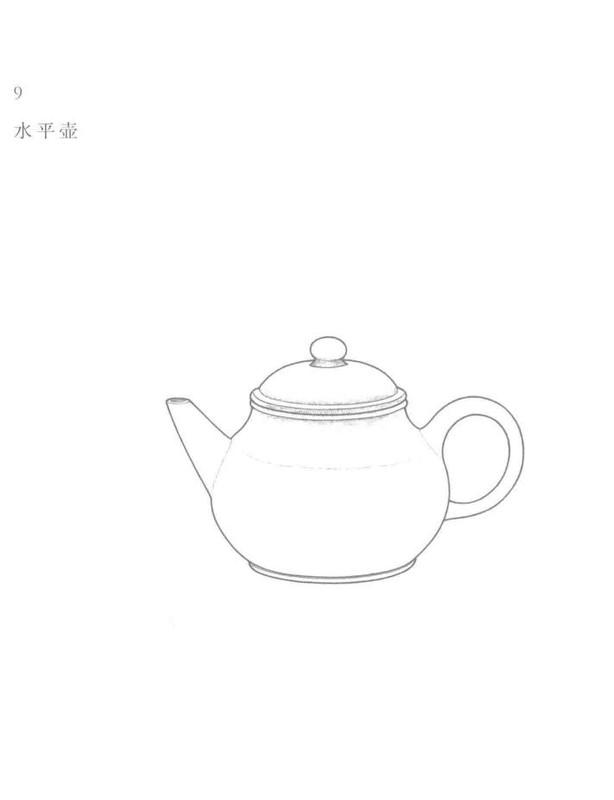
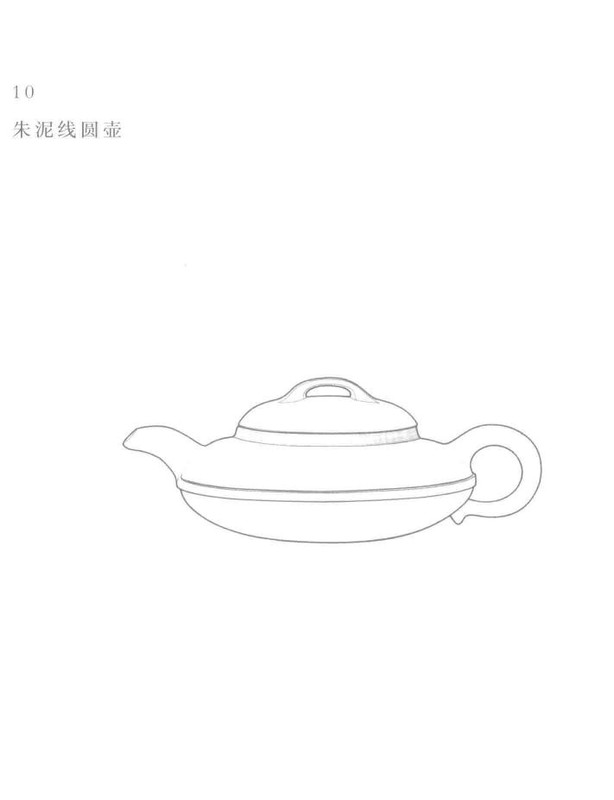
The body typically features clean, geometric lines—whether round, cylindrical, or gently curved. This isn’t minimalism for its own sake; these shapes allow for optimal water circulation during brewing, ensuring even heat distribution and proper leaf expansion. The clay “breathes” through its porous surface, allowing the tea to develop complexity while the pot itself gradually seasons with use.
The spout deserves special attention. In well-crafted classic designs, it’s positioned to create a smooth, controlled pour without dripping. The angle and length are carefully calculated—too short and the pour becomes awkward; too long and the tea cools unnecessarily. Traditional potters understood fluid dynamics long before the term existed, refining spout designs through generations of trial and observation.
The handle, often a simple loop or curved grip, balances the weight of the filled pot perfectly. Pick up a quality Yixing teapot and you’ll feel how naturally it sits in your hand, how the center of gravity makes pouring effortless. This ergonomic wisdom comes from centuries of daily use, not modern design theory.
The lid fits snugly but not too tightly, with a small hole that allows air to escape as you pour, preventing vacuum lock while maintaining heat. Some classic designs feature a flange inside the rim that keeps the lid secure even when you tip the pot completely horizontal—a detail that seems minor until you’ve experienced tea leaves spilling from a poorly designed lid.
The Historical Tapestry
Traditional Yixing teapots emerged during a period when Chinese tea culture was evolving from the powdered tea ceremonies of earlier dynasties to the whole-leaf brewing methods that would define tea appreciation for centuries to come. This shift demanded new vessels, and Yixing potters rose to meet that need.
The classic designs we recognize today were refined during the Ming and Qing dynasties, when tea drinking became both more widespread and more sophisticated. Scholars, artists, and wealthy merchants commissioned teapots from master craftsmen, and these collaborations between patron and potter elevated Yixing ware from utilitarian objects to collectible art.
What’s remarkable about traditional Yixing designs is how they’ve remained relevant. While pottery styles in other cultures have come and gone with changing tastes, these classic forms continue to be produced and cherished. They’ve survived because they work—not just functionally, but aesthetically and spiritually. There’s something deeply satisfying about using a vessel whose basic design has proven itself over hundreds of years.
The traditional craftsmanship involved in creating these teapots is itself a form of cultural heritage. Each pot is hand-formed, often using techniques passed down through family lineages. The potter must understand not just clay and form, but tea itself—how different leaves behave, what temperatures they require, how they expand and release their essence.
The Perfect Tea Pairings
One of the most fascinating aspects of Yixing teapots is how they develop a relationship with specific types of tea. The unglazed clay absorbs trace amounts of tea oils with each brewing, gradually building up a seasoning that enhances future infusions. This is why serious tea enthusiasts dedicate individual Yixing pots to specific tea categories.
Classic Yixing designs work beautifully with oolong teas, particularly the darker, more oxidized varieties like Da Hong Pao or traditional Taiwanese oolongs. The clay’s heat retention and breathing properties complement oolong’s complex flavor profile, allowing the tea to open up gradually across multiple infusions. The pot becomes a partner in revealing the tea’s character—its floral notes, mineral undertones, and lingering sweetness.
Pu-erh tea, especially aged varieties, finds an ideal home in traditional Yixing pots. The earthy, rich flavors of pu-erh benefit from the clay’s ability to soften harsh edges while preserving depth. Over time, a pot dedicated to pu-erh develops a patina that seems to understand the tea, bringing out nuances that might remain hidden in other vessels.
Black teas—what the Chinese call red teas—also pair wonderfully with classic Yixing designs. The clay’s heat retention keeps the water temperature stable, crucial for extracting black tea’s full body without bitterness. Dian Hong, Keemun, and other Chinese black teas seem to bloom in these pots, their malty sweetness and smooth texture enhanced by the clay’s subtle influence.
Some tea enthusiasts use traditional Yixing pots for green teas, though this requires more care. The heat retention that benefits oolongs and black teas can overwhelm delicate green teas if you’re not mindful of water temperature and steeping time. If you do brew green tea in a Yixing pot, choose heartier varieties like Tai Ping Hou Kui or Liu An Gua Pian rather than the most delicate spring greens.
Brewing Wisdom: Getting the Most from Your Pot
Using a traditional Yixing teapot isn’t complicated, but there are some practices that will help you get the best results and properly care for your pot.
Seasoning Your New Pot
Before first use, your Yixing teapot needs a gentle introduction to its purpose. Rinse it thoroughly with warm water to remove any dust from storage. Then, fill it with boiling water and let it sit for a few minutes. Discard this water and repeat once or twice. This opens the clay’s pores and prepares it for tea.
Some people recommend boiling a new pot with tea leaves, but this isn’t necessary and can actually be too aggressive for the clay. Simple hot water rinses are sufficient.
The Brewing Process
Warm your pot before brewing by filling it with hot water, letting it sit for a minute, then discarding the water. This preheating ensures stable temperature during steeping.
Use the appropriate amount of tea for your pot’s size—generally, enough leaves to cover the bottom when dry. Yixing pots are typically small (100-200ml), designed for gongfu-style brewing with multiple short infusions rather than Western-style single long steeps.
Pour water at the correct temperature for your tea type. The pot will help maintain this temperature, but starting right is crucial. For oolongs and black teas, use water just off the boil (90-95°C). For green teas, let the water cool to 75-80°C.
The first infusion is often brief—just 10-20 seconds—serving as a rinse that awakens the leaves. Subsequent infusions gradually increase in time, allowing you to explore how the tea evolves. A good oolong or pu-erh might give you 6-10 infusions, each revealing different aspects of its character.
Caring for Your Pot
After each tea session, rinse your pot thoroughly with hot water—no soap, ever. The clay is porous, and soap will be absorbed, ruining future brews. Simply rinse away the leaves and let the pot air dry completely with the lid off.
Never store your pot with the lid on when not in use. The clay needs to breathe and dry fully to prevent musty odors or mold.
Some enthusiasts like to pour leftover tea over the exterior of their pot after brewing, building up a patina over time. This is purely aesthetic and optional, but it does create a beautiful, lustrous finish that tells the story of the pot’s use.
Don’t use your pot for anything except tea—no coffee, no herbal infusions, nothing that might interfere with the tea seasoning you’re building.
The Ritual and the Reward
What makes traditional Yixing teapots special isn’t just their functional excellence or historical significance—it’s how they transform tea drinking from a simple beverage consumption into a mindful ritual. The small size encourages you to slow down, to pay attention, to be present for multiple infusions rather than gulping a large mug and moving on.
There’s something meditative about the process: warming the pot, measuring the leaves, watching them unfurl through successive steepings, noticing how the flavor evolves. The pot becomes a tool for mindfulness, a bridge between the rush of modern life and the contemplative traditions of tea culture.
As your pot ages and develops its seasoning, it becomes uniquely yours. No two Yixing pots, even from the same potter using the same clay, will age identically. The teas you choose, the water you use, the frequency of your brewing—all these factors contribute to your pot’s individual character. In a world of mass production and disposable goods, there’s profound satisfaction in nurturing a relationship with an object that improves with use and time.
Embracing Tradition in Modern Tea Practice
Classic Yixing teapot designs remind us that good design is timeless. These pots don’t need updating or reimagining—they’ve already achieved a kind of perfection through centuries of refinement. Using one connects you to generations of tea lovers who found joy in the same simple ritual: leaves, water, clay, and time.
Whether you’re new to tea or a seasoned enthusiast, a traditional Yixing teapot offers an invitation to slow down, to appreciate craftsmanship, and to discover how the right vessel can elevate your tea experience. It’s not about pretension or collecting expensive objects—it’s about finding deeper enjoyment in something you already love.
The beauty of these classic designs is their accessibility. You don’t need to be an expert to appreciate how well they work or to begin building that special relationship between pot and tea. You just need curiosity, patience, and a willingness to let the tea—and the pot—teach you.
In our fast-paced world, the traditional Yixing teapot stands as a quiet reminder that some things are worth taking time for, that quality endures, and that the simplest objects can hold the deepest meaning.