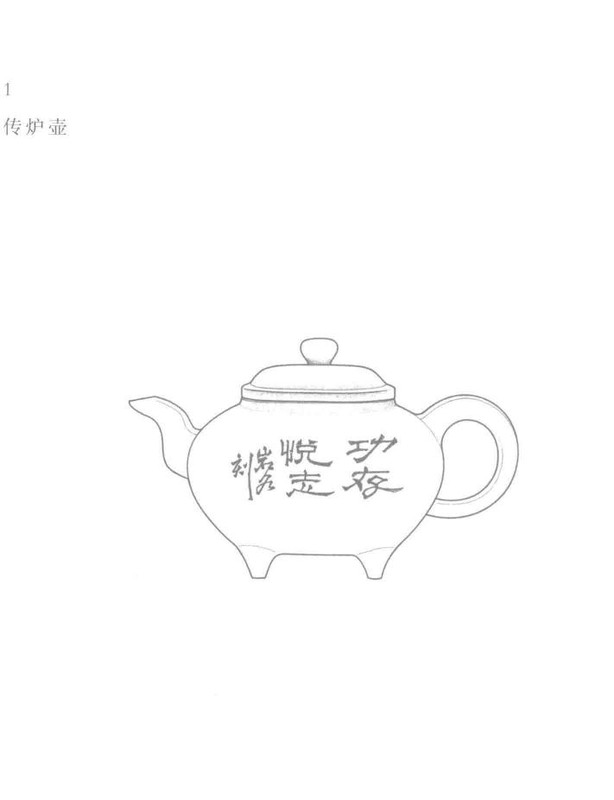
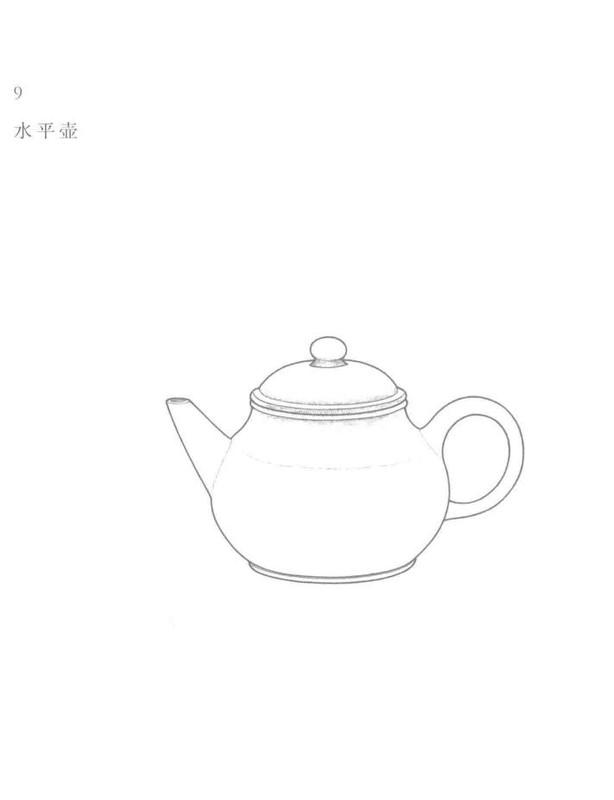
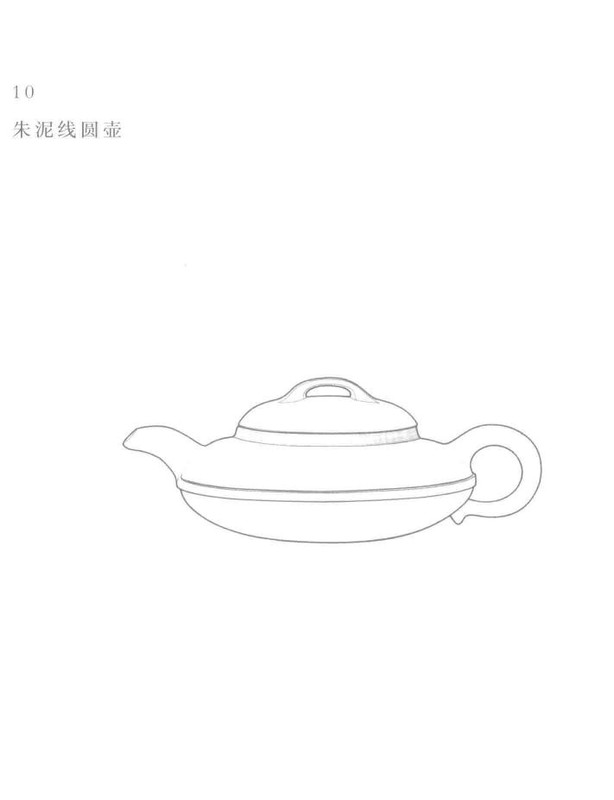
矮井栏壶
Explore this classic Yixing pottery design and its significance in tea culture
The Ai Jing Lan Hu: A Timeless Classic in Yixing Pottery
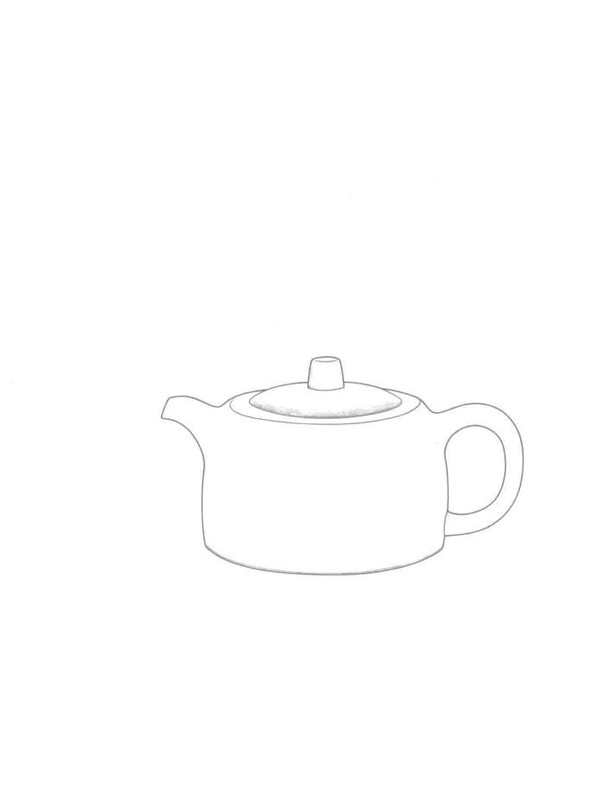
When you hold a well-crafted Yixing teapot, you’re not just holding a vessel for brewing tea—you’re cradling centuries of tradition, artistry, and the quiet wisdom of Chinese tea culture. Among the many classic designs that have emerged from the kilns of Yixing, the Ai Jing Lan Hu (矮井栏壶) stands as a testament to the enduring appeal of simplicity and function married with beauty.
The name itself offers a glimpse into the pot’s character. “Ai” (矮) means “short” or “low,” “Jing Lan” (井栏) refers to the railing around a well—that protective barrier that keeps us safe while we draw water from the depths. This teapot, then, takes its inspiration from the humble architecture of traditional Chinese wells, transforming a utilitarian structure into something that elevates the daily ritual of tea drinking.
A Design Born from Everyday Life
One of the most enchanting aspects of Yixing pottery is how master craftsmen have always looked to the world around them for inspiration. While some teapot designs mimic fruits, flowers, or mythical creatures, the Ai Jing Lan Hu draws from something more grounded—the well, a structure central to community life in traditional China.
Imagine a village square where neighbors gather, where the day’s gossip is exchanged, where the essential act of drawing water becomes a social ritual. The well railing served both practical and symbolic purposes: it protected people from falling while also marking a boundary between the everyday world and the mysterious depths below. This teapot captures that essence—it’s protective, grounded, and deeply connected to daily life.
The design typically features a squat, stable body that sits low and wide, much like its namesake. The proportions suggest reliability and steadfastness. This isn’t a teapot that reaches for the sky with elaborate flourishes; instead, it embraces the earth, offering a sense of calm and permanence. The body often incorporates subtle horizontal lines or bands that echo the wooden or stone rings of a traditional well railing, creating visual rhythm without overwhelming the eye.
The Beauty of Restraint
What makes the Ai Jing Lan Hu particularly appealing to serious tea enthusiasts is its commitment to restraint. In a world that often celebrates excess, this teapot whispers rather than shouts. The lines are clean, the curves gentle, and every element serves a purpose. There’s no decoration for decoration’s sake—each detail contributes to both the aesthetic harmony and the functional excellence of the piece.
The spout typically emerges from the body with confidence, neither too aggressive nor too timid. It’s positioned to ensure a smooth, controlled pour that doesn’t dribble or splash—a crucial consideration when you’re working with precious aged oolong or delicate white tea. The handle, often rounded and comfortable, provides a secure grip that feels natural in the hand, whether you’re pouring for yourself or serving guests.
The lid is where you’ll often find the most direct reference to the well railing design. Many Ai Jing Lan Hu teapots feature a lid with a raised rim or decorative elements that suggest the protective barrier of a well. This isn’t just aesthetic—it also serves the practical purpose of keeping the lid securely in place during pouring, preventing that heart-stopping moment when a lid threatens to tumble into someone’s cup.
Clay, Fire, and Time
Like all authentic Yixing teapots, the Ai Jing Lan Hu is crafted from the region’s distinctive zisha clay—literally “purple sand.” This remarkable material has made Yixing the undisputed capital of Chinese teapot production for centuries. The clay’s unique properties include high iron content, excellent heat retention, and a porous structure that allows the pot to “breathe” and develop a patina over time.
The traditional firing process transforms the raw clay into something almost magical. Kilns heated to temperatures between 1100-1200°C (roughly 2000-2200°F) cause chemical changes in the clay that enhance its ability to improve tea flavor. The unglazed surface means that with each brewing session, microscopic amounts of tea oils are absorbed into the clay, gradually seasoning the pot and creating a unique relationship between vessel and beverage.
This is why serious collectors often dedicate a single Yixing pot to a specific type of tea—the pot becomes a partner in the brewing process, contributing its accumulated character to each new infusion. An Ai Jing Lan Hu that has been used exclusively for aged pu-erh for twenty years will have developed a completely different personality than one used for high-mountain oolong.
A Perfect Match: Tea Pairings
The Ai Jing Lan Hu’s design characteristics make it particularly well-suited for certain types of tea. The wide, stable body and excellent heat retention create ideal conditions for teas that benefit from sustained, even temperatures during brewing.
Oolong teas are perhaps the most natural pairing. Whether you’re working with a lightly oxidized Tie Guan Yin or a heavily roasted Da Hong Pao, the Ai Jing Lan Hu provides the thermal stability these complex teas demand. The pot’s shape allows the leaves plenty of room to unfurl and release their flavors gradually across multiple infusions. The clay’s breathability prevents the tea from becoming stewed or bitter, even if you accidentally let it steep a bit too long.
Aged pu-erh also finds a welcoming home in this teapot style. The earthy, complex flavors of well-aged pu-erh benefit from the pot’s ability to maintain consistent heat, which helps extract the tea’s depth without emphasizing any harsh notes. Over time, as the pot seasons with pu-erh oils, it becomes an increasingly perfect vessel for this tea type, adding subtle layers of flavor that complement the tea’s natural character.
Black teas, particularly Chinese varieties like Keemun or Dian Hong, work beautifully in an Ai Jing Lan Hu. The pot’s heat retention brings out the malty sweetness and complex aromatics these teas offer, while the clay’s properties help smooth any astringency.
I’d generally steer away from using this pot for delicate green teas or white teas, which prefer cooler water and shorter steeping times. The Ai Jing Lan Hu’s excellent heat retention, while perfect for oolongs and pu-erh, can be too much for these gentler teas, potentially cooking them and bringing out bitter notes.
Brewing with Your Ai Jing Lan Hu
If you’re fortunate enough to acquire an Ai Jing Lan Hu, here’s how to get the most from this classic design:
Initial preparation is crucial. When you first bring your pot home, rinse it thoroughly with hot water to remove any dust from storage or shipping. Then, perform a “tea bath”—brew a pot of the type of tea you plan to use regularly, but don’t drink it. Instead, let the pot sit filled with this tea overnight. This begins the seasoning process and helps the clay adjust to its new purpose.
Daily use is straightforward but mindful. Always preheat your pot by filling it with hot water before adding tea leaves. This ensures even heat distribution and prevents thermal shock to the clay. Use water at the appropriate temperature for your chosen tea—generally 90-95°C (195-205°F) for oolongs and black teas, boiling for pu-erh.
The Ai Jing Lan Hu’s capacity typically ranges from 150-250ml, making it ideal for solo sessions or intimate gatherings of two or three people. This size encourages the gongfu brewing method, where you use a higher ratio of leaves to water and perform multiple short infusions. This approach allows you to experience how the tea evolves across successive steepings, revealing different facets of its character.
Cleaning should be gentle and minimal. After each session, simply rinse the pot with hot water—no soap, ever. The clay is porous, and soap will be absorbed, potentially ruining future brews. Let the pot air dry completely with the lid off before storing. Some enthusiasts like to give their pots a “rest day” between uses, allowing them to fully dry and breathe.
The Patina of Time
One of the most rewarding aspects of using an Ai Jing Lan Hu is watching it develop its patina over months and years. The unglazed clay will gradually take on a subtle sheen, a result of tea oils building up on the surface and being polished by gentle handling. This patina is prized by collectors and users alike—it’s visual proof of the relationship between pot and owner, a record of countless tea sessions and quiet moments of contemplation.
Some users enjoy the ritual of “pot nourishing”—gently wiping the exterior of the warm pot with a soft cloth after each use, or occasionally pouring tea over the outside of the pot during brewing. These practices accelerate the development of patina and deepen the pot’s color over time. A well-loved Ai Jing Lan Hu that has been used for years will have a rich, lustrous appearance that no amount of artificial treatment can replicate.
Why This Design Endures
In an age of mass production and disposable goods, the Ai Jing Lan Hu represents something increasingly rare: an object designed to last generations, to improve with use, and to connect us with traditions that stretch back centuries. Its design has endured not because of marketing or trends, but because it simply works—it brews excellent tea, feels good in the hand, and brings a sense of calm to the tea table.
The well railing that inspired this teapot was never meant to be noticed or admired—it was meant to serve, to protect, to be reliable. The Ai Jing Lan Hu carries this same spirit. It doesn’t demand attention or praise. Instead, it quietly does its job, brewing pot after pot of excellent tea, becoming more itself with each use.
For the tea enthusiast looking to deepen their practice, an Ai Jing Lan Hu offers an entry point into the world of Yixing pottery that emphasizes substance over flash. It’s a design that rewards patience and regular use, that teaches you to pay attention to the small details that make the difference between a good cup of tea and a transcendent one.
Whether you’re drawn to its historical resonance, its functional excellence, or simply the way it feels in your hands, the Ai Jing Lan Hu stands as a reminder that the best designs are often those that honor the everyday, that find beauty in utility, and that improve our daily rituals without calling attention to themselves. In the end, isn’t that what we want from our tea ware—not to overshadow the tea, but to help it shine?