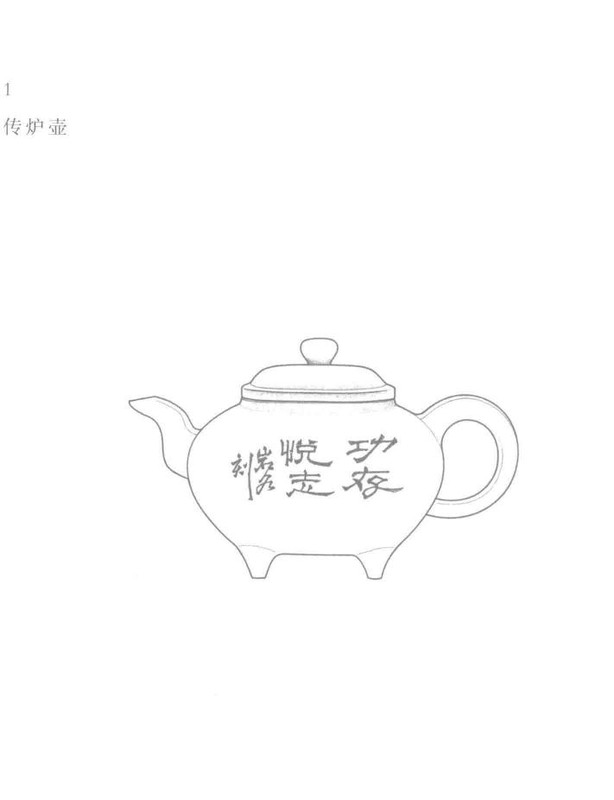
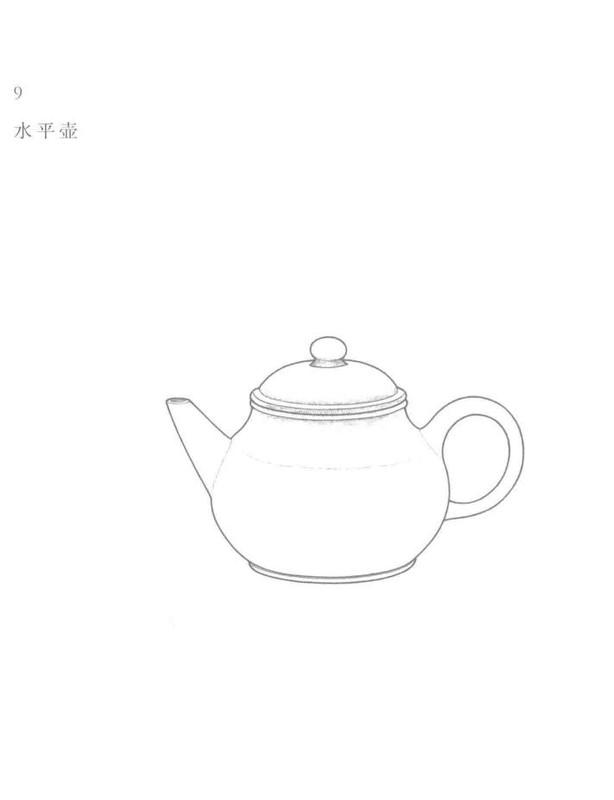
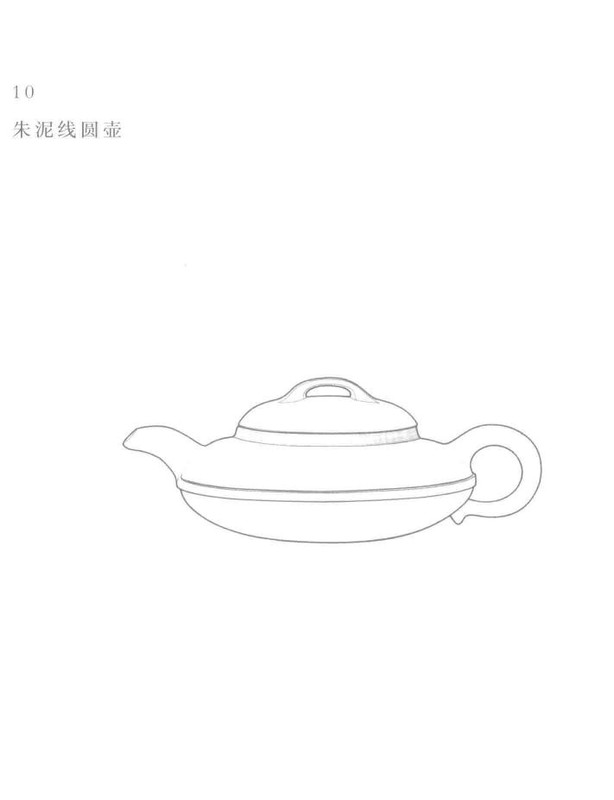
高井栏壶
Explore this classic Yixing pottery design and its significance in tea culture
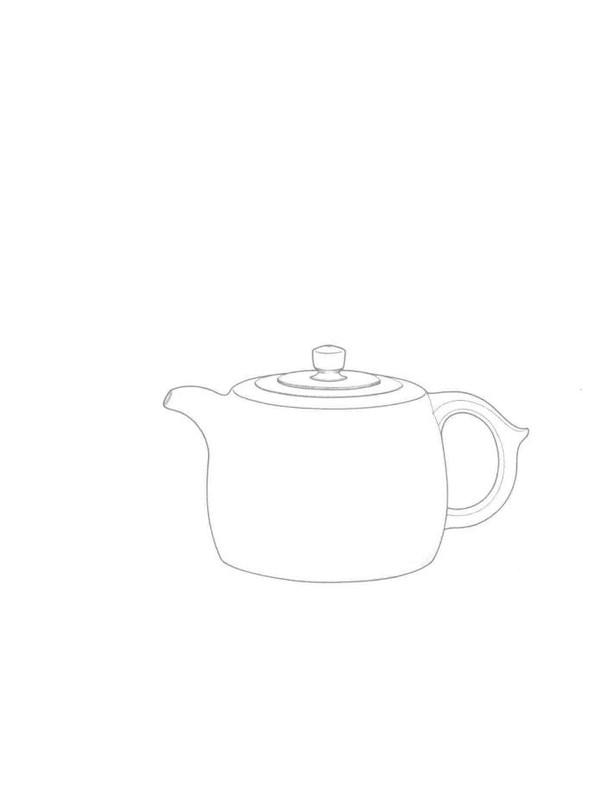
The Gao Jing Lan Hu: A Gateway to Traditional Yixing Craftsmanship
When you first encounter a Gao Jing Lan Hu (高井栏壶), you’re not just looking at a teapot—you’re holding a conversation with centuries of Chinese tea culture. This classic Yixing design, whose name translates roughly to “High Well Railing Pot,” embodies the understated elegance that has made Yixing pottery the gold standard for serious tea drinkers worldwide.
Unlike flashier teapots that announce themselves with bold curves or elaborate decorations, the Gao Jing Lan Hu takes a different approach. It whispers rather than shouts, inviting you to look closer, to appreciate the subtle interplay of form and function that defines traditional Chinese aesthetics.
Understanding the Design Philosophy
The Gao Jing Lan Hu belongs to that special category of Yixing teapots that prioritize balance above all else. Imagine a well-constructed building where every element serves both a practical and aesthetic purpose—that’s the philosophy behind this design.
The pot typically features clean, geometric lines that create a sense of stability and groundedness. The body often rises with gentle, controlled curves that suggest strength without heaviness. This isn’t accidental; traditional Yixing potters understood that a teapot needs to feel right in your hand, pour without dripping, and maintain temperature efficiently. The Gao Jing Lan Hu achieves all three through its thoughtful proportions.
What makes this design particularly interesting is how it plays with vertical elements—hence the “well railing” reference in its name. You might notice subtle ridges, bands, or structural elements that draw the eye upward, creating visual interest without overwhelming the overall simplicity. It’s like looking at a traditional Chinese garden: every element has its place, and nothing is superfluous.
The Clay That Makes the Difference
You can’t talk about any Yixing teapot without discussing the clay itself, and the Gao Jing Lan Hu showcases the famous zisha (purple sand) clay in all its glory. This isn’t your typical pottery clay—it’s a unique mineral composition found only in the Yixing region of Jiangsu Province.
What makes zisha clay special? It’s porous, meaning it breathes. Over time, as you brew tea in your Gao Jing Lan Hu, the clay absorbs trace amounts of tea oils and flavors. This is what tea enthusiasts call “seasoning” the pot, and it’s why dedicated tea drinkers often keep separate Yixing pots for different tea types. Your pot becomes a living record of every brewing session, gradually developing a patina and character that’s uniquely yours.
The clay’s porosity also affects temperature regulation. Unlike glazed ceramic or glass, zisha clay maintains a more stable temperature during brewing, which can significantly impact how your tea develops. It’s not magic—it’s geology and physics working together to create better tea.
Historical Roots and Cultural Context
While we don’t have precise dating for when the Gao Jing Lan Hu design first emerged, it clearly belongs to the classical tradition of Yixing pottery that flourished during the Ming and Qing dynasties. This was the golden age of Chinese tea culture, when tea drinking evolved from a simple beverage into an art form.
During this period, Yixing potters were experimenting with forms that honored both Confucian principles of harmony and Daoist appreciation for natural simplicity. The Gao Jing Lan Hu reflects this cultural moment—it’s refined without being pretentious, functional without being purely utilitarian.
Think of it this way: while European pottery of the same era often emphasized decoration and ornamentation, Chinese potters were asking different questions. How can we make the clay itself beautiful? How can form enhance function? How can simplicity convey sophistication? The Gao Jing Lan Hu is one answer to these questions.
Tea Pairing: Finding the Perfect Match
Here’s where things get practical and exciting. Not every tea works equally well in every pot, and understanding these pairings can transform your tea experience.
Oolong Teas: This is where the Gao Jing Lan Hu truly shines. The pot’s shape and clay composition make it ideal for traditional oolongs, particularly those from the Wuyi mountains or Taiwanese high-mountain varieties. The clay’s porosity helps soften any astringency while preserving the complex floral and mineral notes that make oolongs so captivating. Try it with a Da Hong Pao or Tie Guan Yin—you’ll notice how the tea opens up differently than in a gaiwan or glazed pot.
Aged Pu-erh: If you’re into ripe (shou) pu-erh, the Gao Jing Lan Hu can be an excellent companion. The clay helps mellow the earthy, sometimes musty notes while bringing forward the sweeter, more complex flavors. The pot’s heat retention is particularly beneficial for pu-erh, which benefits from sustained high temperatures.
Black Teas: Chinese black teas (what the Chinese call “red tea”) like Keemun or Dian Hong work beautifully in this pot style. The clay adds a subtle smoothness to the brew while preserving the malty, sometimes chocolatey notes that make these teas so comforting.
What to Avoid: Generally, you’ll want to skip delicate green teas and white teas in your Gao Jing Lan Hu. These teas prefer lower temperatures and shorter steeping times, and they don’t benefit from the clay’s seasoning effect. Save those for a gaiwan or glass vessel where you can better control the temperature and appreciate their visual beauty.
Brewing Techniques and Practical Tips
Owning a Gao Jing Lan Hu is one thing; using it properly is another. Here’s how to get the most from your pot:
Initial Preparation: When you first get your pot, give it a proper introduction to tea. Rinse it thoroughly with hot water, then brew several pots of the tea type you plan to dedicate it to, discarding the liquid. This begins the seasoning process and removes any clay dust from manufacturing.
Temperature Matters: For oolongs and black teas, you want water just off the boil—around 195-205°F (90-96°C). The Gao Jing Lan Hu’s clay will help maintain this temperature throughout the brewing process.
The Gongfu Approach: This pot style is perfect for gongfu brewing—multiple short infusions rather than one long steep. Start with 30-second infusions and gradually increase the time with each subsequent brew. You’ll be amazed at how the tea evolves across six, eight, or even ten infusions.
Filling Technique: Fill the pot to about 80-90% capacity, leaving room for the leaves to expand. The Gao Jing Lan Hu’s design typically allows for good leaf circulation, which is crucial for even extraction.
Pouring: One of the joys of a well-made Yixing pot is the pour. A good Gao Jing Lan Hu should pour cleanly without dripping, with a smooth, controlled stream. If you’re getting drips, you might be pouring too slowly—try a more confident, steady pour.
Care and Maintenance
Your Gao Jing Lan Hu will last generations if you treat it right:
Never use soap: The clay’s porosity means it will absorb soap, ruining your tea. Just rinse with hot water after each use.
Air dry completely: After rinsing, leave the lid off and let the pot air dry completely before storing. This prevents any musty odors from developing.
Embrace the patina: Over time, your pot will develop a sheen from the tea oils. This is desirable—it’s proof of your pot’s history and will actually improve the brewing quality.
Handle with care: While zisha clay is durable, it can crack if dropped or subjected to thermal shock. Don’t pour boiling water into a cold pot; warm it gradually.
Why This Design Endures
In an age of electric kettles and temperature-controlled brewing devices, why does a traditional design like the Gao Jing Lan Hu still matter? Because it connects us to something deeper than convenience.
When you brew tea in a Gao Jing Lan Hu, you’re participating in a ritual that spans centuries. You’re slowing down, paying attention, engaging all your senses. The weight of the pot in your hand, the sound of water meeting clay, the way the aroma develops as the tea steeps—these aren’t just details; they’re the entire point.
The Gao Jing Lan Hu doesn’t try to be everything to everyone. It’s not the most ornate pot, not the most modern, not the most versatile. But for what it does—brewing traditional Chinese teas with grace and efficiency—it’s nearly perfect. That’s the kind of focused excellence that never goes out of style.
Finding Your Own Gao Jing Lan Hu
If this design speaks to you, take your time finding the right pot. Look for pieces made by reputable Yixing artisans using authentic zisha clay. The pot should feel balanced in your hand, with a lid that fits snugly but not too tightly. The spout, handle, and lid knob should align visually when viewed from above—this attention to detail indicates quality craftsmanship.
Expect to invest in a genuine piece. While you can find inexpensive Yixing-style pots, authentic zisha clay and traditional craftsmanship come at a price. Think of it as an investment in your tea practice—a good pot will serve you for decades.
Conclusion: More Than Just a Teapot
The Gao Jing Lan Hu represents something increasingly rare in our modern world: an object designed to do one thing exceptionally well, with no compromises or shortcuts. It’s a reminder that sometimes the old ways persist not because of nostalgia, but because they genuinely work better.
Whether you’re a seasoned tea enthusiast or just beginning to explore the world of gongfu brewing, the Gao Jing Lan Hu offers a gateway into traditional Chinese tea culture. It’s not just about making tea—it’s about making tea mindfully, with intention and appreciation for the craft.
So the next time you hold a Gao Jing Lan Hu, remember: you’re not just holding a teapot. You’re holding centuries of refinement, countless hours of craftsmanship, and the accumulated wisdom of generations of tea lovers. That’s a lot of history in one small clay vessel—and it’s all there to enhance your next cup of tea.