中石瓢壶
Explore this classic Yixing pottery design and its significance in tea culture
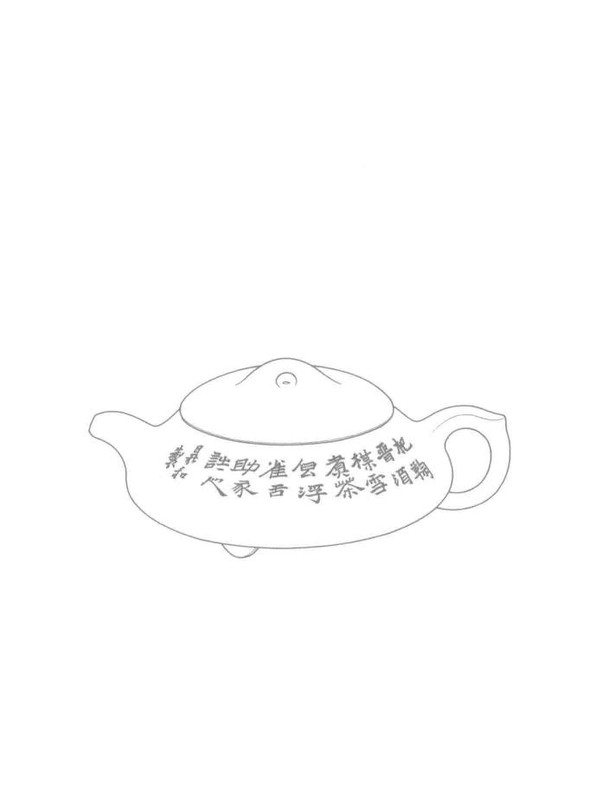
The Zhong Shi Piao Hu: A Timeless Classic in Yixing Pottery
When you hold a well-crafted Yixing teapot in your hands, you’re not just touching clay—you’re connecting with centuries of tea culture, artisan tradition, and the quiet philosophy that a perfect cup of tea begins long before water meets leaf. Among the pantheon of classic Yixing designs, the Zhong Shi Piao Hu (中石瓢壶) stands as one of the most beloved and enduring forms, a shape that has captivated tea enthusiasts for generations.
The name itself tells a story. “Zhong” means middle or center, “Shi” refers to stone, and “Piao” suggests a ladle or dipper. Together, they evoke the image of a stone ladle—simple, functional, and grounded in natural forms. This isn’t a teapot that shouts for attention with elaborate decoration or whimsical flourishes. Instead, it whispers its elegance through proportion, balance, and the kind of understated beauty that reveals itself slowly, cup after cup, season after season.
The Poetry of Proportion
What makes the Zhong Shi Piao Hu so visually compelling is its masterful geometry. Picture an inverted triangle as the body’s foundation—the pot is wider at the shoulder and tapers gracefully toward the base, creating a sense of stability without heaviness. The lines are clean and decisive, yet there’s a subtle softness to the curves that prevents the design from feeling rigid or mechanical.
The spout extends in a confident arc, neither too aggressive nor too timid. It’s positioned to pour with precision, the kind of spout that delivers a steady stream without dribbling or splashing. Watch an experienced potter craft this element, and you’ll see them test the angle again and again, because in Yixing tradition, form and function are inseparable. A beautiful spout that pours poorly is considered a failure, no matter how aesthetically pleasing.
The handle mirrors the spout’s energy, rising from the body in a comfortable curve that fits naturally in the hand. It’s substantial enough to provide a secure grip when the pot is full of hot water, yet refined enough to maintain the overall elegance of the design. This balance—between utility and beauty, between strength and grace—is what separates a good Zhong Shi Piao Hu from a great one.
The lid sits flush with the body, often with a bridge-style button that echoes the pot’s geometric sensibility. When you lift it, you’ll notice how precisely it fits, creating a seal that helps retain heat and aroma during brewing. This attention to detail isn’t mere perfectionism—it’s the accumulated wisdom of generations of tea drinkers who understood that every element affects the final cup.
Roots in Tradition
The Zhong Shi Piao Hu belongs to the Shi Piao family of designs, which emerged during the Ming and Qing dynasties when Yixing pottery was reaching its artistic zenith. While we can’t pinpoint an exact year of origin, we know that this style evolved from the practical needs of tea culture combined with the aesthetic sensibilities of Chinese scholars and artists.
During this period, tea drinking had transformed from a luxury of the imperial court to a refined practice embraced by literati, merchants, and anyone who appreciated the meditative qualities of a well-brewed cup. The teapot became more than a vessel—it was a statement of taste, a companion in contemplation, and a canvas for artistic expression.
The Shi Piao designs were particularly favored by scholars because they embodied Confucian ideals of balance and moderation. There’s nothing excessive about a Zhong Shi Piao Hu. It doesn’t try to impress with size or ornament. Instead, it achieves beauty through perfect proportion and honest craftsmanship—values that resonated deeply with the intellectual class.
Master potters would spend years perfecting their interpretation of this classic form. Each artisan brought subtle variations—a slightly different shoulder angle, a more pronounced taper, a unique treatment of the spout’s curve. These individual touches meant that while the basic design remained consistent, no two Zhong Shi Piao Hu were exactly alike. This tradition continues today, with contemporary Yixing artists honoring the classic form while adding their personal signature.
The Magic of Yixing Clay
To understand why the Zhong Shi Piao Hu works so beautifully for tea brewing, you need to appreciate the unique properties of Yixing clay itself. This isn’t ordinary pottery clay. Mined from the hills around Yixing in Jiangsu Province, it contains a high concentration of iron and other minerals that give it distinctive characteristics.
The clay is porous at a microscopic level, which means it breathes. As you brew tea in a Yixing pot, it gradually absorbs trace amounts of the tea’s oils and essence. Over time—and we’re talking months and years of regular use—the pot develops a patina and begins to enhance the flavor of your tea. It’s a living relationship between vessel and beverage, one that deepens with patience and care.
The Zhong Shi Piao Hu’s shape maximizes these benefits. The wide shoulder provides ample surface area for heat distribution, while the tapered base concentrates the tea leaves, allowing them to unfurl and release their flavor efficiently. The proportions create an ideal environment for the tea to breathe and develop during steeping.
Perfect Tea Pairings
So which teas sing in a Zhong Shi Piao Hu? The answer depends partly on the clay color and partly on the pot’s size, but this versatile design works beautifully with a range of teas.
Oolong teas are perhaps the most classic pairing. The pot’s shape and heat retention properties are ideal for the multiple infusions that oolongs demand. A high-fired Taiwanese oolong or a traditional Wuyi rock tea will reveal new dimensions of flavor with each steep. The pot’s ability to maintain consistent temperature helps coax out the complex aromatics that make oolongs so captivating.
Aged raw pu-erh also finds a happy home in a Zhong Shi Piao Hu. These teas benefit from the pot’s excellent heat retention and the way the clay softens any rough edges in the flavor profile. As both the tea and the pot age together, they develop a synergy that’s hard to replicate in other vessels.
Black teas, particularly Chinese varieties like Keemun or Dian Hong, work wonderfully in this pot style. The shape allows the leaves to fully expand, and the clay’s natural properties enhance the tea’s malty sweetness without adding any off-flavors.
Many tea enthusiasts dedicate their Zhong Shi Piao Hu to a single type of tea, allowing the pot to season specifically for that variety. This practice, called “raising a pot,” is part of the meditative aspect of Yixing culture. You’re not just brewing tea—you’re cultivating a relationship with your teaware.
Brewing with Your Zhong Shi Piao Hu
If you’re fortunate enough to own one of these classic pots, here’s how to get the most from it.
First use: Before brewing your first pot of tea, rinse the teapot with hot water several times to remove any dust from storage. Some enthusiasts like to do an initial “tea bath”—brewing a strong pot of the tea you plan to use regularly and letting the pot sit in it overnight. This isn’t strictly necessary, but it can help season the pot more quickly.
Water temperature: The Zhong Shi Piao Hu retains heat beautifully, so you can use fully boiling water for most teas without worry. The clay will moderate the temperature naturally. For more delicate oolongs, you might let the water cool for 30 seconds after boiling.
Tea quantity: The pot’s shape works well with a generous amount of leaf—typically filling the pot about one-third to one-half full with dry leaves. This might seem like a lot if you’re used to Western-style brewing, but remember, you’ll be doing multiple short infusions rather than one long steep.
Infusion times: Start with 20-30 seconds for the first infusion, then gradually increase the time with each subsequent steep. The wide opening makes it easy to observe the leaves as they unfurl, helping you judge when each infusion is ready.
Pouring technique: Use the pot’s excellent spout to pour in a circular motion among your cups, ensuring each person receives tea from throughout the infusion. This traditional method, called “guan gong xun cheng” (Guan Gong patrols the city), ensures everyone gets the same strength and flavor.
After brewing: Empty the leaves promptly after your tea session. Rinse the pot with hot water only—never use soap, which can be absorbed by the porous clay and ruin future brews. Leave the lid off and let the pot air dry completely before storing.
The Patina of Time
One of the most rewarding aspects of using a Zhong Shi Piao Hu is watching it develop character over time. With regular use, the exterior will develop a subtle sheen—a patina created by the oils from your hands and the tea itself. This is considered highly desirable in Yixing culture, a visible record of the pot’s journey with you.
The interior will darken gradually, taking on the color of your chosen tea. This isn’t dirt or staining—it’s seasoning, similar to a cast iron skillet. Many collectors treasure their well-used pots more than pristine new ones because they represent years of tea sessions, quiet mornings, and shared moments with friends.
Choosing Your Pot
If you’re considering adding a Zhong Shi Piao Hu to your collection, take your time. Visit reputable dealers who can verify the clay’s authenticity and the maker’s credentials. Hold different pots, feel their weight, test how they sit in your hand. A good Zhong Shi Piao Hu should feel balanced and comfortable, with a lid that fits snugly but not too tightly.
Pay attention to the craftsmanship details: clean lines where the spout and handle meet the body, a smooth interior, a spout that aligns properly with the handle. These aren’t just aesthetic concerns—they affect how the pot performs.
Don’t be swayed by extremely low prices. Authentic Yixing clay and skilled craftsmanship have value. While you don’t need to spend a fortune, a quality Zhong Shi Piao Hu represents an investment in your tea practice that will reward you for years to come.
A Companion for the Journey
The beauty of the Zhong Shi Piao Hu lies not in novelty but in timelessness. This is a design that has endured because it works—functionally, aesthetically, and philosophically. It doesn’t demand attention or require special handling. It simply does its job beautifully, day after day, pot after pot.
In our modern world of constant innovation and planned obsolescence, there’s something deeply satisfying about using a tool whose basic design hasn’t needed improvement in centuries. The Zhong Shi Piao Hu reminds us that sometimes, perfection is achieved not by adding more, but by refining what’s essential until nothing unnecessary remains.
Whether you’re just beginning your journey into Yixing pottery or you’re a seasoned collector, the Zhong Shi Piao Hu offers a masterclass in the art of tea. It teaches patience, rewards attention to detail, and grows more valuable with use rather than less. In a very real sense, it’s not just a teapot—it’s a meditation on what it means to create something that honors both tradition and the simple pleasure of a perfect cup of tea.