井栏壶
Explore this classic Yixing pottery design and its significance in tea culture
The Jing Lan Hu: A Timeless Well of Tea Tradition
When you hold a Yixing teapot in your hands, you’re not just cradling clay—you’re connecting with centuries of Chinese tea culture. Among the classical designs that have endured through generations, the 井栏壶 (Jǐng Lán Hú), or “Well Railing Pot,” stands as a testament to the elegant simplicity that defines traditional Chinese aesthetics.
The name itself evokes imagery that any tea lover can appreciate: the sturdy, protective railing that surrounds a village well, a gathering place where community and sustenance meet. This isn’t just poetic naming—it’s a design philosophy that shapes every curve and angle of this remarkable teapot.
Understanding the Well Railing Design
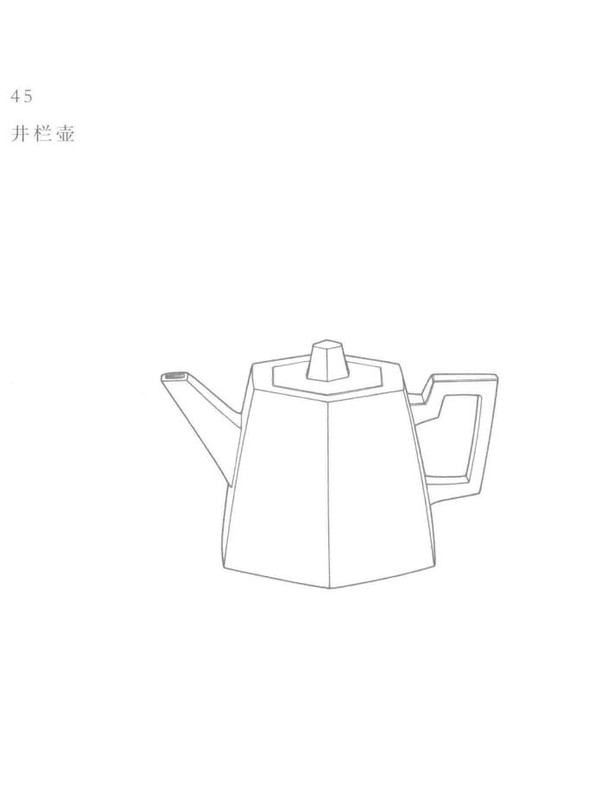
The Jing Lan Hu earns its name from its distinctive structural elements that mirror the protective barriers found around traditional Chinese wells. Picture the squared-off railings that kept villagers safe as they drew water—now imagine that architectural form translated into the body of a teapot, and you’ll begin to understand this design’s unique character.
What makes this pot immediately recognizable is its geometric precision. Unlike the more organic, flowing shapes of some Yixing designs, the Jing Lan Hu embraces straight lines and defined angles. The body typically features a cylindrical or slightly squared form, with clean vertical lines that rise from a stable base. This isn’t accidental—the design deliberately references the wooden or stone posts that formed well railings in ancient Chinese villages.
The spout emerges with purpose, often positioned at a slight upward angle that ensures a controlled, steady pour. The handle curves in a way that balances the pot’s weight perfectly, making it comfortable to hold even when filled with hot water. Many examples feature a flat lid with a bridge-style knob, another nod to architectural elements that defined traditional Chinese construction.
The surface of a well-crafted Jing Lan Hu is where Yixing clay truly shines. The natural texture of the purple clay (zisha) remains visible, with subtle variations in color that develop over time. Some potters leave the surface relatively smooth, while others incorporate subtle texturing that catches the light and adds depth to the pot’s appearance.
A Design Rooted in Tradition
The Jing Lan Hu belongs to the pantheon of classical Yixing designs that emerged during the Ming and Qing dynasties, when teapot craftsmanship reached extraordinary heights. While we can’t pinpoint an exact origin date for this particular form, its design language speaks to the aesthetic values that dominated Chinese pottery during these golden ages of ceramic art.
During the Ming dynasty (1368-1644), tea culture underwent a significant transformation. The elaborate tea ceremonies of earlier periods gave way to a more direct brewing method—steeping whole tea leaves in hot water, much as we do today. This shift created demand for teapots that could handle this new approach, and Yixing potters responded with innovative designs that balanced function with beauty.
The Qing dynasty (1644-1912) saw Yixing pottery reach its artistic peak. Master potters became celebrated artists, and their works were collected by scholars, officials, and tea connoisseurs. The geometric precision of designs like the Jing Lan Hu reflected the period’s appreciation for order, balance, and the integration of architectural principles into everyday objects.
What’s fascinating about the Well Railing Pot is how it embodies a particularly Chinese approach to design—finding beauty in utility, and seeing the extraordinary in the ordinary. A well railing served a practical purpose, protecting people from danger, but it also became a social space, a landmark, a symbol of community life. By translating this form into a teapot, craftsmen created an object that carries these associations into the intimate ritual of tea drinking.
The endurance of this design through centuries tells us something important: good design transcends trends. While pottery styles have come and gone, the Jing Lan Hu remains relevant because its proportions feel right, its form serves its function perfectly, and its aesthetic speaks to something timeless in human appreciation for balanced, honest craftsmanship.
The Magic of Yixing Clay
Before we discuss how to use a Jing Lan Hu, it’s worth understanding what makes Yixing pottery special. The clay comes from the Yixing region in Jiangsu Province, and it possesses unique properties that have made it the gold standard for teapots among serious tea drinkers.
Yixing clay is porous at a microscopic level, which means it breathes. When you brew tea in a Yixing pot, the clay absorbs tiny amounts of the tea’s oils and flavors. Over time—and we’re talking months and years of regular use—the pot develops a seasoning, much like a cast iron skillet. This seasoning enhances the tea you brew, smoothing harsh notes and adding depth to the flavor profile.
The clay also has excellent heat retention properties. It warms gradually and holds temperature steadily, creating ideal conditions for tea leaves to unfurl and release their flavors. Unlike metal or glass, Yixing clay doesn’t conduct heat too quickly, so your pot won’t burn your hands, and your tea won’t cool too rapidly.
For a Jing Lan Hu specifically, the geometric form and typically thicker walls contribute to even heat distribution. The cylindrical body ensures that tea leaves have room to expand fully, while the shape promotes good water circulation during brewing.
Perfect Tea Pairings
One of the joys of owning a Yixing teapot is dedicating it to specific types of tea. Because the clay absorbs flavors, serious tea enthusiasts typically use each Yixing pot for only one category of tea. This practice, called “raising a pot,” allows the clay to develop a patina specifically suited to that tea type.
The Jing Lan Hu’s design characteristics make it particularly well-suited for certain teas:
Oolong Teas: This is where the Jing Lan Hu truly excels. The pot’s shape and volume work beautifully with rolled oolong leaves, which need space to unfurl. Traditional Taiwanese high-mountain oolongs, Wuyi rock oolongs, and Anxi Tie Guan Yin all perform wonderfully in this pot style. The clay’s heat retention helps bring out the complex flavor layers that make oolongs so captivating—the floral notes, the mineral undertones, the subtle sweetness that develops across multiple infusions.
Aged White Teas: If you’re exploring aged white teas like aged Shou Mei or Gong Mei, a Jing Lan Hu can be an excellent companion. These teas benefit from the steady heat and the clay’s ability to smooth any rough edges that might have developed during aging, while preserving the tea’s characteristic mellow sweetness.
Ripe Pu-erh: The earthy, rich character of ripe pu-erh (shou pu-erh) pairs well with Yixing clay. A Jing Lan Hu can help mellow the sometimes intense earthiness of younger ripe pu-erhs while enhancing the smooth, sweet notes that make these teas so comforting. The pot’s good heat retention is particularly valuable here, as pu-erh benefits from sustained high temperatures.
Black Teas: Chinese black teas (called “red tea” in China) like Dian Hong or Keemun work nicely in a Jing Lan Hu. The clay enhances the natural sweetness of these teas while tempering any astringency, resulting in a smooth, satisfying cup.
What you’ll want to avoid in a Jing Lan Hu are delicate green teas or white teas that require lower brewing temperatures. The clay’s heat retention, while perfect for oolongs and pu-erh, can be too much for these more sensitive teas, potentially resulting in bitterness.
Brewing with Your Jing Lan Hu
Using a Yixing teapot is both simple and nuanced—simple in mechanics, nuanced in the details that elevate your tea experience. Here’s how to get the most from your Well Railing Pot:
Seasoning Your New Pot: Before first use, your Jing Lan Hu needs a gentle introduction to its purpose. Rinse it thoroughly with hot water to remove any dust from storage. Then, place it in a pot of water with some leaves from the tea you plan to brew in it, bring to a gentle simmer for 30 minutes, and let it cool naturally. This process opens the clay’s pores and gives it an initial seasoning.
The Brewing Process: Warm your pot by filling it with hot water and letting it sit for a minute—this ensures even heat distribution. Discard this water, add your tea leaves (typically filling about one-quarter to one-third of the pot), and pour in water at the appropriate temperature for your tea type. For oolongs, that’s usually around 195-205°F (90-96°C).
The first infusion is often brief—just 30-45 seconds—and serves to rinse the leaves and awaken their flavors. Pour this out (some people drink it, others discard it). Subsequent infusions can be slightly longer, gradually increasing the steeping time as the leaves give up their flavors across multiple brews.
One of the pleasures of using a Jing Lan Hu is the ritual of multiple infusions. Quality oolongs and pu-erhs can easily yield 6-10 infusions, each revealing different aspects of the tea’s character. The pot’s design supports this practice beautifully—the spout pours cleanly without dripping, the lid fits securely, and the handle remains comfortable even after repeated use.
Caring for Your Pot: After your tea session, rinse your Jing Lan Hu with hot water only—never use soap, which would be absorbed by the clay and ruin your tea. Let it air dry completely before storing. Some enthusiasts gently wipe the exterior with a soft tea cloth, which over time contributes to the pot’s developing patina.
Never put your Yixing pot in the dishwasher, and avoid sudden temperature changes that could crack the clay. With proper care, your Jing Lan Hu will serve you for decades, improving with age.
The Journey of Raising a Pot
There’s a concept in Chinese tea culture called “yang hu” (养壶), which translates to “raising a pot” or “nourishing a pot.” This refers to the gradual transformation that occurs as you use your Yixing teapot over time.
With each brewing session, your Jing Lan Hu absorbs microscopic amounts of tea oils. The exterior develops a subtle sheen—not from any applied finish, but from the natural oils in the tea and the gentle handling of the pot. The clay’s color deepens and becomes richer. Most remarkably, the pot begins to enhance the tea you brew in it, adding a smoothness and depth that comes from the accumulated seasoning.
This process can’t be rushed. Some people try to accelerate it by pouring tea over the outside of the pot or using other shortcuts, but these methods often result in an uneven, artificial-looking finish. The beauty of a properly raised pot comes from patient, consistent use—brewing good tea, treating the pot with care, and allowing time to work its magic.
A well-raised Jing Lan Hu becomes a personal treasure, a physical record of countless tea sessions, quiet mornings, conversations with friends, and moments of solitary reflection. It’s this aspect of Yixing pottery that transforms a functional object into something deeply meaningful.
Why the Jing Lan Hu Endures
In a world of constantly changing trends and disposable goods, there’s something profoundly satisfying about using an object whose design has remained essentially unchanged for centuries. The Jing Lan Hu doesn’t need updating or improvement—it achieved a kind of perfection long ago.
Its appeal lies partly in its honesty. The design doesn’t try to be flashy or attention-grabbing. It simply does its job beautifully, with proportions that feel right in the hand and a form that serves its function without unnecessary embellishment. This is design as it should be: thoughtful, purposeful, and enduring.
For tea enthusiasts, a Jing Lan Hu offers an entry point into the world of Yixing pottery that balances tradition with accessibility. It’s not the most elaborate design, but that’s precisely its strength. It allows you to focus on what matters most—the tea itself, and the ritual of brewing it mindfully.
Whether you’re just beginning to explore Chinese tea culture or you’re a seasoned enthusiast looking to expand your collection, the Well Railing Pot represents something valuable: a connection to tradition, a tool for better tea, and a beautiful object that will reward your attention for years to come. In the end, that’s what the best teaware does—it disappears into the background, allowing the tea to shine, while quietly enriching every cup you brew.