高三线咖啡具
Explore this classic Yixing pottery design and its significance in tea culture
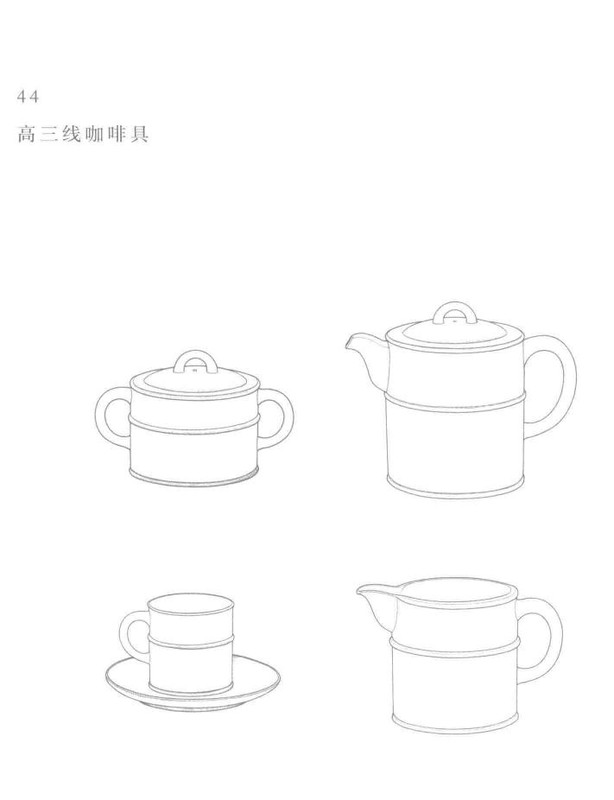
The Gao San Xian Coffee Set: When Yixing Tradition Meets Modern Brewing
The world of Yixing pottery is filled with centuries-old teapot designs, each with its own story and purpose. But every so often, you encounter a piece that challenges your assumptions about what these remarkable clay vessels can do. The 高三线咖啡具 (Gāo Sān Xiàn Kāfēi Jù) is one such design—a fascinating bridge between traditional Chinese craftsmanship and contemporary beverage culture.
A Name That Tells a Story
Let’s start with the name itself, which translates roughly to “Tall Three-Line Coffee Set.” At first glance, this might seem like an odd designation for Yixing pottery, which has been synonymous with tea brewing for over 500 years. Yet this name reveals something important about how traditional crafts evolve and adapt.
The “three lines” likely refer to decorative grooves or ridges that define the piece’s visual character—a common design element in Yixing pottery that adds both aesthetic appeal and structural integrity. The “tall” descriptor suggests a form that deviates from the classic squat teapot shape, perhaps offering a more vertical profile. And yes, “coffee set” indicates this design was conceived with coffee brewing in mind, though as we’ll explore, its applications extend far beyond that single purpose.
This naming convention reflects a broader trend in contemporary Yixing pottery: honoring traditional techniques while embracing new functions. It’s a reminder that craft traditions survive not by remaining frozen in time, but by finding relevance in each new generation.
The Visual Language of Classic Design
While I haven’t seen this specific piece in person, the description as a “classic Yixing teapot design” with “traditional craftsmanship” tells us quite a bit about what to expect. Classic Yixing designs share certain unmistakable characteristics that have been refined over centuries.
The clay itself is the star of any Yixing piece. Authentic Yixing pottery uses zisha (purple clay) or related clay types from the Yixing region of Jiangsu Province. This clay has a unique mineral composition that gives it exceptional heat retention properties and a distinctive texture that ranges from smooth to slightly grainy. The unglazed surface allows the clay to breathe, which is crucial for the seasoning process that makes these vessels so prized among tea enthusiasts.
Traditional craftsmanship in Yixing pottery means the piece was likely hand-formed rather than mass-produced. You might notice subtle asymmetries—a spout that’s not perfectly aligned, a lid that sits just slightly off-center. These aren’t flaws; they’re signatures of human hands at work. The three lines mentioned in the name would be carefully incised or raised, creating visual rhythm and breaking up the form in a way that’s pleasing to the eye.
The color of the clay can vary dramatically depending on the specific clay body used and the firing temperature. You might see anything from deep purple-brown to reddish-orange to pale beige. Over time and with use, the surface develops a patina—a subtle sheen that comes from the oils in tea (or coffee) gradually seasoning the porous clay.
Historical Roots in a Changing World
Yixing pottery has its origins in the Song Dynasty (960-1279 CE), but it truly flourished during the Ming Dynasty (1368-1644 CE) when tea culture reached new heights of sophistication. The unglazed teapots became the preferred vessel for brewing fine teas because the clay enhanced rather than interfered with the tea’s flavor.
The traditional era designation for this piece suggests it draws from these established forms and techniques, even if the specific design is more recent. This is common in Yixing pottery—contemporary artisans often work within traditional frameworks, creating pieces that feel timeless even when they incorporate modern elements or purposes.
The fact that this design explicitly references coffee brewing represents an interesting cultural moment. As coffee culture has expanded in China over the past few decades, some Yixing artisans have begun exploring how their traditional craft might serve this new beverage. It’s not as strange as it might initially seem—both tea and coffee benefit from vessels that maintain stable temperatures and don’t impart unwanted flavors.
This cross-cultural adaptation has precedent. Yixing potters have always been responsive to changing tastes and needs. During the Qing Dynasty, they created pieces specifically for the export market. In the 20th century, they adapted to new tea preparation methods. The coffee set represents the latest chapter in this ongoing story of adaptation.
Tea Pairing: Finding the Right Match
Here’s where things get interesting for tea enthusiasts. Despite its name, a well-made Yixing vessel with traditional craftsmanship can be an excellent choice for certain types of tea—especially if you’re willing to dedicate it to a single tea category.
Oolong Teas: The taller form suggested by this design could work beautifully with oolong teas, particularly darker, more oxidized varieties like Da Hong Pao or Shui Xian. These teas benefit from the heat retention that Yixing clay provides, and they have enough body and complexity to stand up to the vessel’s character. The three-line design might even provide a subtle textural element that enhances the pouring experience.
Aged Teas: If this piece has a larger capacity (as “coffee set” might suggest), it could be ideal for aged pu-erh or aged white teas. These teas often benefit from longer steeping times and higher water volumes than young, delicate teas. The clay’s ability to mellow harsh notes while preserving depth makes it particularly suited to aged teas that might have developed some rough edges over the years.
Robust Black Teas: Chinese black teas (hongcha) like Dian Hong or Keemun could also pair well with this design. These teas have the strength and character to benefit from Yixing clay’s seasoning effects without being overwhelmed. The vessel would gradually develop a patina that enhances the tea’s natural sweetness and reduces any astringency.
What to Avoid: I’d be cautious about using this pot for delicate green teas or white teas (unless they’re aged). These teas are typically brewed at lower temperatures and benefit from vessels that don’t retain heat as aggressively. The seasoning that develops in Yixing clay can also overpower subtle flavors.
Practical Brewing Guidance
If you’re considering adding a piece like this to your tea brewing arsenal, here’s what you need to know to get the most out of it.
Seasoning Your Pot: Before first use, you’ll want to season the pot properly. Rinse it thoroughly with hot water to remove any dust from manufacturing. Then brew several pots of the tea you plan to dedicate it to, discarding the liquid. This begins the process of building up a patina inside the pot. Some people do an initial boiling with tea leaves, but I find the gentler approach of repeated brewing works just as well and is less risky for the pot.
The One Tea Rule: Traditional wisdom says you should dedicate each Yixing pot to a single type of tea. The porous clay absorbs flavors and oils, which enhance subsequent brews of the same tea but can create muddy, confused flavors if you switch between tea types. If you’re using this pot for coffee, commit to coffee. If you’re using it for oolong, stick with oolong—preferably even the same specific oolong.
Temperature Matters: Yixing clay excels at maintaining temperature, so preheat your pot thoroughly before brewing. Pour boiling water into the empty pot, let it sit for 30 seconds, then discard. This ensures your tea water won’t drop in temperature when it hits the clay.
Brewing Parameters: If you’re using this for tea, start with standard gongfu parameters—about 5-7 grams of tea per 100ml of water, with short steeps of 20-30 seconds that gradually increase. The clay’s heat retention means you might be able to push your tea for more infusions than you would in porcelain or glass.
Cleaning and Care: Never use soap or detergents on your Yixing pot. The clay will absorb these chemicals and ruin your tea. Simply rinse with hot water after each use and let it air dry completely before storing. Don’t put the lid on while storing—let both pieces breathe. Over time, you’ll notice the clay developing a beautiful sheen. This is exactly what you want.
Pouring Technique: Pay attention to how the pot pours. A well-designed Yixing pot should have a smooth, controlled pour that doesn’t drip or dribble. The three-line design might affect the grip, so experiment with different hand positions to find what feels most natural and gives you the best control.
The Broader Context: Why Yixing Still Matters
In an age of precision temperature kettles and automated tea brewers, you might wonder why anyone would bother with a traditional clay pot. The answer lies in what these vessels offer beyond mere functionality.
Brewing tea in Yixing pottery is a tactile, sensory experience. You feel the warmth of the clay in your hands. You notice how the pot grows slightly heavier as it absorbs water over months and years of use. You develop an intimate relationship with the vessel as it seasons and changes, becoming uniquely yours.
There’s also the undeniable fact that these pots make excellent tea. The clay’s mineral composition and porosity create a brewing environment that’s difficult to replicate with other materials. The way it maintains temperature, the subtle mellowing effect it has on harsh notes, the way it seems to amplify a tea’s best qualities—these aren’t just romantic notions. They’re real, perceptible differences that any serious tea drinker can taste.
The Gao San Xian Coffee Set, with its blend of traditional craftsmanship and contemporary purpose, represents where Yixing pottery stands today: rooted in centuries of expertise but unafraid to explore new territories. Whether you use it for coffee, tea, or something else entirely, you’re participating in a living craft tradition that continues to evolve.
Final Thoughts
The beauty of a piece like the 高三线咖啡具 is that it invites us to think beyond rigid categories. Is it a coffee pot? A teapot? Does it matter? What matters is the quality of the clay, the skill of the craftsperson, and the care you bring to using it.
If you’re drawn to this design, trust that instinct. Choose a tea (or coffee) you love, commit to the relationship, and give the pot time to develop its character. In a year, it will brew differently than it does today. In five years, it will be a completely different vessel—seasoned by your hands, shaped by your preferences, uniquely yours.
That’s the magic of Yixing pottery. It’s not just a tool; it’s a partner in your tea journey. And pieces like the Gao San Xian Coffee Set prove that this ancient craft still has new stories to tell.