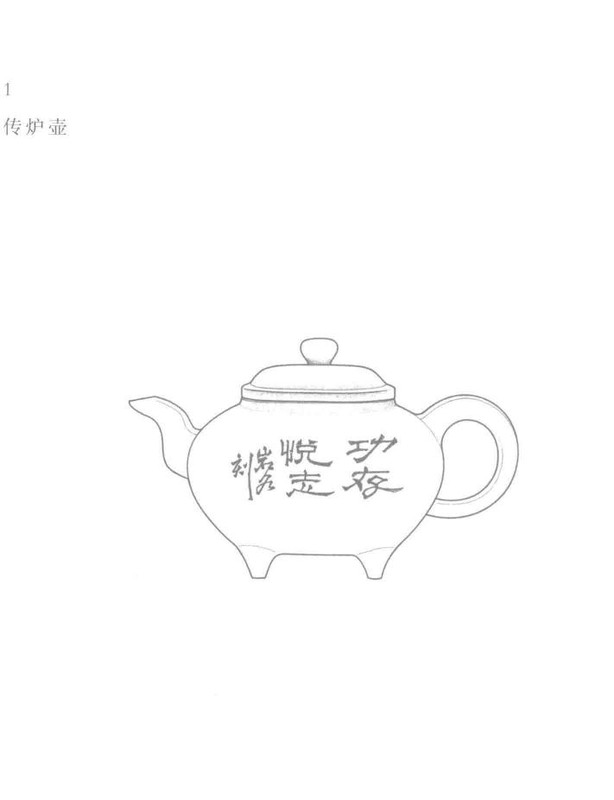
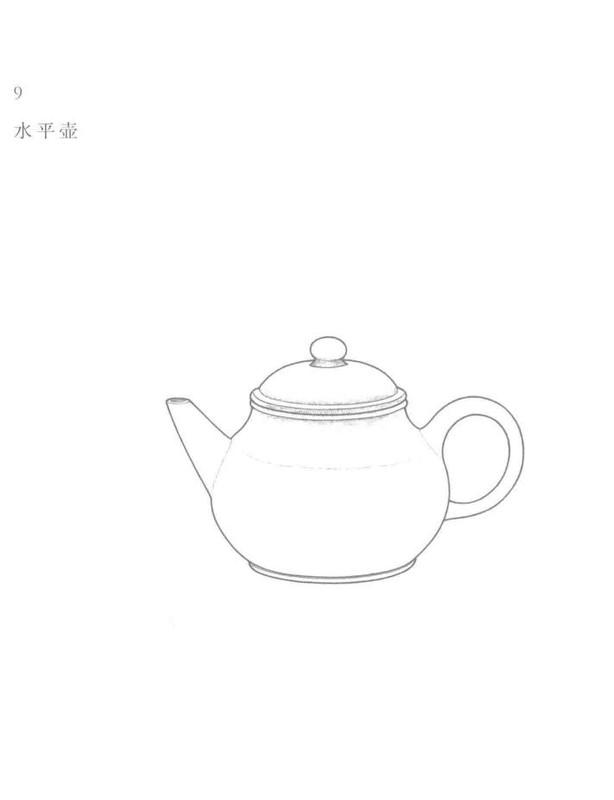
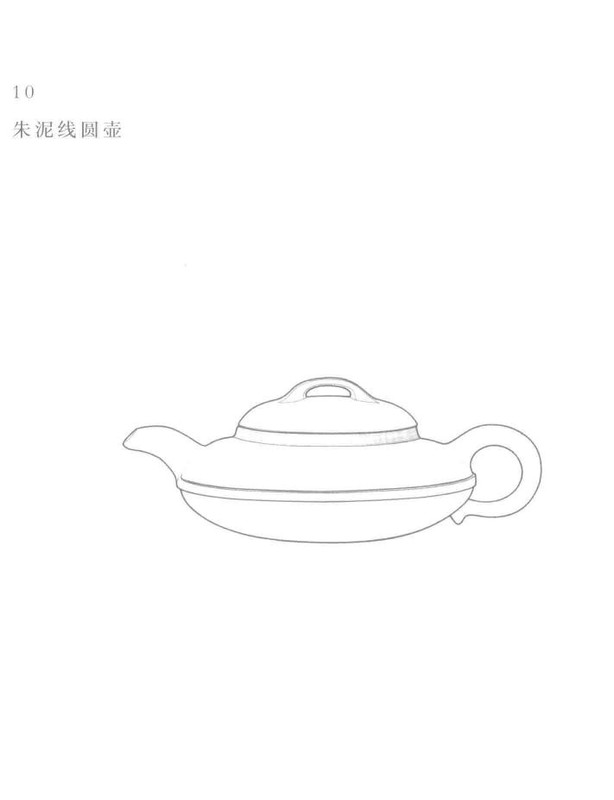
方钟壶
Explore this classic Yixing pottery design and its significance in tea culture
The Fang Zhong Hu: A Timeless Square Bell Teapot for the Discerning Tea Lover
When you first encounter a Fang Zhong Hu (方钟壶), you might do a double-take. Here’s a teapot that breaks the mold—quite literally. While most Yixing teapots embrace curves and organic forms, the Fang Zhong Hu stands proudly angular, its geometric precision creating a striking silhouette that commands attention on any tea table. The name translates roughly to “Square Bell Pot,” and once you see it, the connection becomes clear: imagine an ancient Chinese bell, with its dignified presence and ceremonial weight, reimagined as a vessel for your daily tea ritual.
This isn’t just another pretty teapot. The Fang Zhong Hu represents one of the most technically challenging designs in the Yixing pottery tradition, a form that has tested the skills of master craftspeople for generations. Its clean lines and architectural presence make it a favorite among collectors who appreciate the marriage of form and function, while its practical brewing characteristics have earned it a devoted following among serious tea drinkers.
A Study in Angles: Understanding the Design
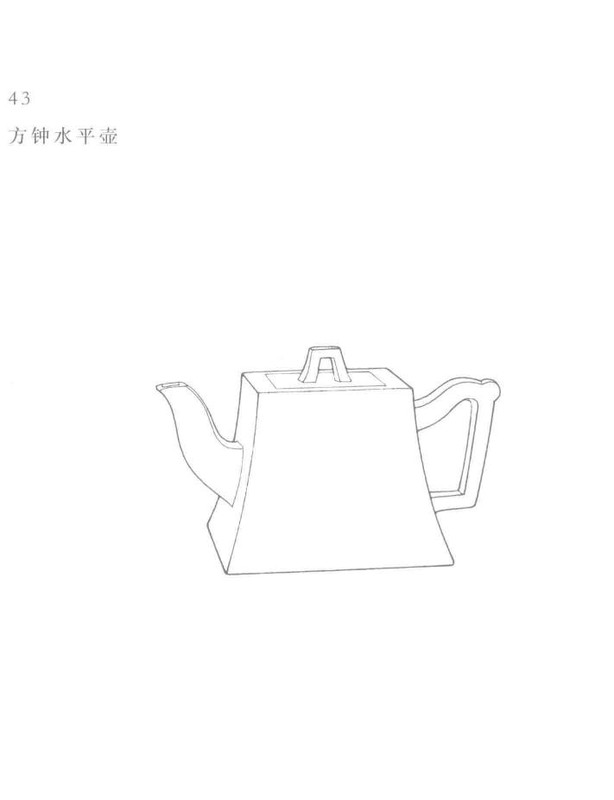
The Fang Zhong Hu’s most distinctive feature is right there in its name—the square body that defies the typical rounded teapot form. But calling it simply “square” doesn’t do justice to the sophistication of its geometry. The body typically features gently tapered sides that create a subtle trapezoid profile, wider at the shoulder and narrowing slightly toward the base. This isn’t arbitrary aesthetics; that taper serves a practical purpose, allowing tea leaves to settle naturally and making the pot easier to clean after brewing.
The lid continues the geometric theme, often featuring a flat or slightly domed top with a square or rectangular button knob. The precision required here is remarkable—the lid must fit perfectly flush with the body, creating an airtight seal despite the angular construction. When you pour from a well-made Fang Zhong Hu, you can cover the air hole on the lid with your finger and the flow will stop immediately, a testament to the craftsperson’s skill.
The spout typically emerges from the body in a graceful curve that contrasts beautifully with the angular body, creating visual tension that keeps the eye engaged. It’s usually positioned relatively high on the body, which affects the pouring dynamics in ways we’ll explore later. The handle mirrors this interplay between straight and curved elements—often featuring a squared-off profile that echoes the body while curving ergonomically to fit the hand.
What makes the Fang Zhong Hu particularly special is how it plays with light and shadow. Those flat planes catch and reflect light differently than curved surfaces, creating dramatic contrasts that shift as you move around the pot or as the light changes throughout the day. It’s a design that rewards contemplation, revealing new aspects of its character depending on how you look at it.
The Technical Marvel Behind the Form
Creating a Fang Zhong Hu requires exceptional skill, even by Yixing standards. While rounded pots can be thrown on a wheel or shaped using molds, the Fang Zhong Hu demands a different approach. Traditional makers construct it using the “da shen tong” or “beating body cylinder” technique, where slabs of clay are carefully joined to create the angular form.
The challenge lies in those corners. Clay naturally wants to curve and round itself—getting it to maintain crisp, clean angles while remaining structurally sound requires deep understanding of the material. The joints where the sides meet must be perfectly sealed and reinforced, yet invisible in the finished piece. Any weakness will reveal itself during firing, when the pot might crack or warp as the clay shrinks and hardens.
The firing process itself presents unique challenges. The angular form means heat doesn’t distribute as evenly as it would through a rounded pot, requiring careful positioning in the kiln and precise temperature control. A skilled potter must account for how different parts of the pot will shrink at slightly different rates, building in compensations that only become apparent after firing.
This technical difficulty means that Fang Zhong Hu teapots often command premium prices, and for good reason. When you hold a well-made example, you’re holding the result of years of training and experience, a piece where every angle and surface represents countless hours of practice and refinement.
Historical Roots and Cultural Significance
The Fang Zhong Hu belongs to the classical repertoire of Yixing designs, though pinning down its exact origins proves challenging. Unlike some Yixing forms that can be traced to specific master potters or historical periods, the Fang Zhong Hu seems to have evolved gradually within the tradition, with different makers adding their interpretations over time.
What we do know is that angular teapot designs gained particular prominence during the Ming and Qing dynasties, when literati culture celebrated restraint, precision, and intellectual sophistication in art objects. The Fang Zhong Hu embodies these values perfectly—it’s a design that announces its maker’s technical prowess while maintaining an air of dignified simplicity.
The “bell” reference in its name connects it to ancient Chinese bronze vessels, particularly the ritual bells used in ceremonial contexts. This isn’t coincidental. Yixing potters have long drawn inspiration from archaic bronze forms, seeing in them a connection to China’s cultural heritage and a model of enduring design excellence. By evoking these ancient vessels, the Fang Zhong Hu positions tea drinking as a continuation of ceremonial traditions, elevating the daily act of brewing tea into something more meaningful.
In traditional Chinese aesthetics, the square represents earth, stability, and human order, contrasting with the circle’s association with heaven and natural cycles. A Fang Zhong Hu on your tea table thus becomes a subtle statement about bringing order and intention to your tea practice, grounding the ethereal experience of tea appreciation in deliberate, mindful action.
Brewing Characteristics: How the Form Affects Your Tea
The Fang Zhong Hu’s unique shape isn’t just for show—it significantly influences how tea brews within it. The angular body creates distinct zones within the pot where water circulates differently than in rounded vessels. When you pour hot water into a Fang Zhong Hu, it tends to create more turbulent flow patterns, especially in the corners, which can lead to more vigorous agitation of the tea leaves.
This characteristic makes the Fang Zhong Hu particularly well-suited for teas that benefit from robust extraction. The relatively tall, narrow profile (compared to wider, flatter pots) helps maintain water temperature, while the angular interior encourages the leaves to tumble and unfurl completely. The high spout position means you’re drawing from the upper portion of the brew, where the liquor tends to be slightly lighter and more aromatic.
The clay body itself—typically made from Yixing’s famous zisha (purple clay)—contributes its own magic. The porous nature of unglazed Yixing clay allows the pot to “breathe,” softening harsh notes in the tea while preserving its essential character. Over time, as you season your Fang Zhong Hu with repeated use, it develops a patina that enhances the brewing process, each session adding to the pot’s memory and character.
Perfect Tea Pairings
So which teas sing in a Fang Zhong Hu? Based on its brewing characteristics, several categories stand out:
Oolong Teas: This is where the Fang Zhong Hu truly excels. Medium to heavily oxidized oolongs like traditional Wuyi rock teas (Dahongpao, Shuixian, Rougui) thrive in this pot. The vigorous water circulation helps extract the complex mineral notes and roasted character these teas are famous for, while the heat retention brings out their full aromatic potential. The pot’s angular interior gives the tightly rolled leaves plenty of room to expand and release their flavor.
Aged Raw Puer: The Fang Zhong Hu’s ability to maintain high temperatures makes it excellent for coaxing flavor from aged raw puer, which often requires aggressive brewing to fully awaken. The turbulent water flow helps break up compressed leaves and extract the deep, complex flavors that develop during aging.
Ripe Puer: Similarly, ripe (shou) puer benefits from the Fang Zhong Hu’s characteristics. The pot’s heat retention and vigorous extraction help bring forward the earthy, smooth qualities of well-made ripe puer while minimizing any rough edges.
Black Teas: Full-bodied Chinese black teas like Dianhong or Keemun work beautifully in a Fang Zhong Hu. The pot’s brewing dynamics enhance their malty sweetness and complex aromatics without over-extracting bitterness.
I’d generally steer away from delicate green teas or lightly oxidized oolongs in a Fang Zhong Hu, as the vigorous extraction and heat retention might overwhelm their subtle characteristics. Save those for gentler brewing vessels.
Practical Brewing Tips
Getting the most from your Fang Zhong Hu requires understanding its quirks:
Seasoning Your Pot: Before first use, give your Fang Zhong Hu a thorough cleaning by boiling it gently in water for 20-30 minutes. This removes any dust from manufacturing and begins opening the clay’s pores. Then dedicate it to a single tea type—the pot will gradually absorb oils and flavors, enhancing future brews.
Water Temperature: Don’t be shy with heat. The Fang Zhong Hu’s thermal mass means it can handle and benefit from boiling water for most suitable teas. The clay will moderate the temperature naturally.
Leaf Ratio: Start with about one-third to one-half of the pot’s volume in dry leaves, adjusting based on the tea and your taste preferences. The angular interior provides good leaf expansion room.
Pouring Technique: The high spout position means you’ll want to pour decisively to avoid drips. Tip the pot confidently and return it to upright position with a slight flourish—this helps prevent dribbling down the spout.
Cleaning: After each session, simply rinse with hot water and let air dry completely with the lid off. Never use soap, which would be absorbed by the porous clay and taint future brews. The angular corners might trap a few leaves, so a gentle shake or rinse usually helps clear them out.
Storage: Keep your Fang Zhong Hu in a well-ventilated spot away from strong odors. The clay will absorb whatever’s in the air, so don’t store it near spices or in a closed cabinet with aromatic items.
Living with a Fang Zhong Hu
Beyond its practical brewing merits, a Fang Zhong Hu brings a particular aesthetic energy to your tea practice. Its architectural presence creates a focal point on the tea table, its clean lines providing visual rest in our curved, organic world. There’s something meditative about its geometry, the way those precise angles and planes invite contemplation.
As you use your Fang Zhong Hu over months and years, you’ll notice it changing. The clay darkens and develops a subtle sheen where your hands regularly touch it. Tea oils build up a patina that makes the surface feel increasingly smooth and alive. This aging process, called “raising the pot” in Chinese tea culture, becomes part of the pleasure—you’re not just using a tool, you’re developing a relationship with an object that grows more beautiful and functional with time.
The Fang Zhong Hu also serves as a conversation starter. Guests unfamiliar with Yixing pottery often find themselves drawn to its unusual form, asking questions that open doors to discussing tea culture, ceramic arts, and the philosophy of mindful living that tea practice embodies.
Finding Your Fang Zhong Hu
If you’re considering adding a Fang Zhong Hu to your collection, take your time finding the right one. Quality varies enormously in the Yixing market, from factory-made pots to works by renowned master craftspeople. Handle the pot if possible—it should feel balanced and comfortable to pour from, with a lid that fits snugly without wobbling. Look for clean, crisp angles and smooth surfaces free from obvious flaws.
Don’t obsess over finding an antique or famous maker’s work for your first Fang Zhong Hu. A well-made contemporary pot from a skilled but less famous potter will serve you beautifully and cost far less. As you develop your appreciation and understanding, you can always add more refined examples to your collection.
Conclusion
The Fang Zhong Hu stands as a testament to the Yixing tradition’s depth and sophistication—a design that challenges both maker and user to appreciate the beauty of precision and the rewards of mastery. Its angular form might seem austere at first glance, but spend time with one and you’ll discover a vessel of remarkable character and capability.
Whether you’re drawn to its technical excellence, its historical resonance, or simply the way it makes your favorite oolong taste, a Fang Zhong Hu offers something special: a daily reminder that the objects we use for simple pleasures deserve our attention and respect. In a world of mass production and disposable goods, here’s a pot built to last generations, improving with age, connecting you to centuries of tea culture with every pour.
So next time you’re browsing teaware, give the Fang Zhong Hu a second look. Those bold angles might just be calling your name.