起吉下泪
Explore this classic Yixing pottery design and its significance in tea culture
The Enigmatic 起吉下泪: A Journey into Yixing’s Poetic Tradition
When you first encounter the Chinese name 起吉下泪 (Qǐ Jí Xià Lèi), you’re immediately drawn into a world where pottery transcends mere function. Literally translating to something like “Rising Fortune, Falling Tears,” this evocative name hints at the philosophical depth that Yixing artisans have woven into their craft for centuries. It’s a name that speaks to the duality of tea drinking itself—the joy and contemplation, the celebration and reflection that happen in those quiet moments with a perfect cup.
This classic Yixing design represents more than just a vessel for brewing tea. It embodies a tradition where every curve, every proportion, and every firing decision carries meaning. For tea enthusiasts looking to deepen their connection with Chinese tea culture, understanding designs like the 起吉下泪 opens a door to appreciating how form, function, and philosophy merge in the potter’s hands.
The Visual Poetry of Traditional Form
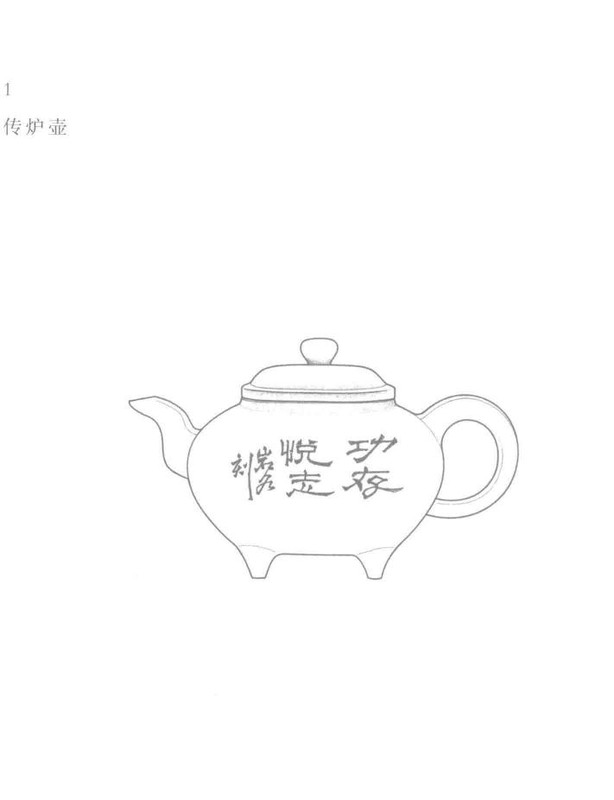
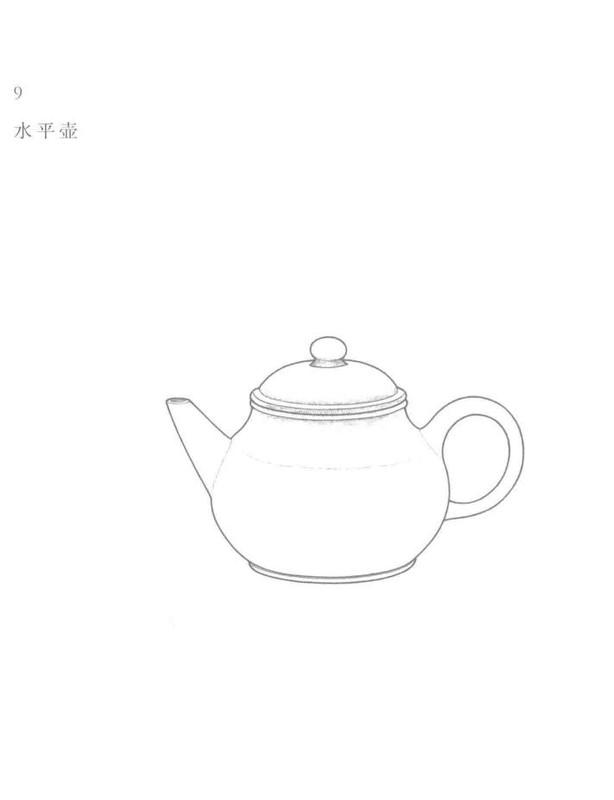
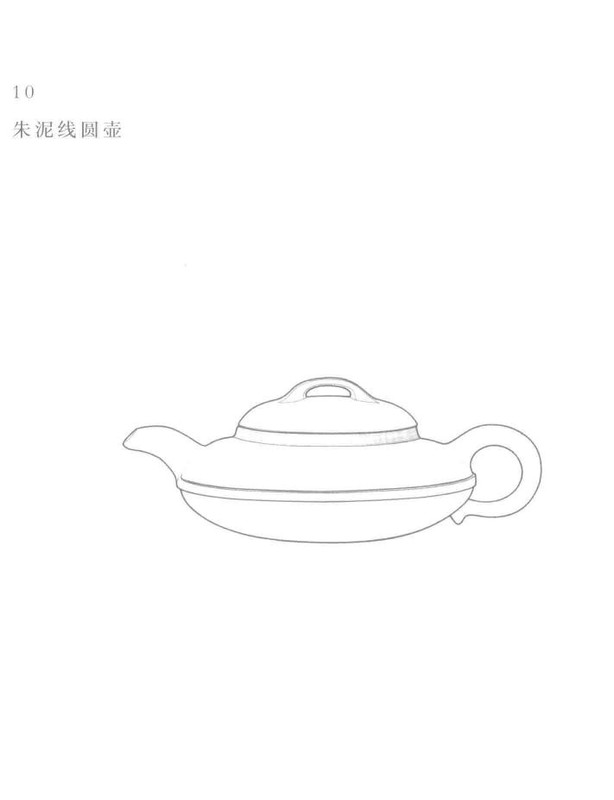
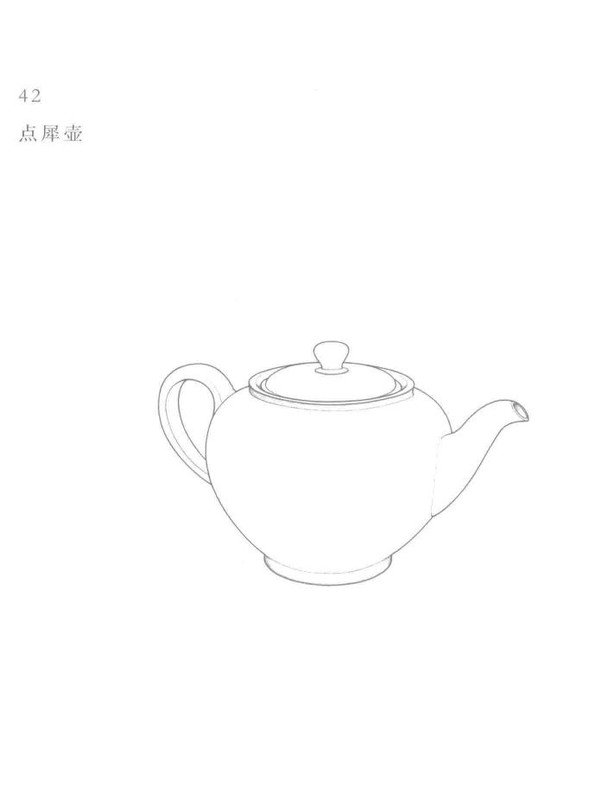
While specific details about this particular design’s appearance may vary between individual potters and periods, classic Yixing teapots share certain unmistakable characteristics that have made them treasured by tea drinkers for generations. The 起吉下泪, as a traditional design, likely embodies the principles that have guided Yixing craftspeople since the Ming Dynasty.
Imagine holding a teapot that feels perfectly balanced in your hand—not too heavy, not too light. The weight distribution tells you immediately that this was made by someone who understands not just clay, but the ritual of tea. Classic Yixing designs typically feature clean lines that flow naturally from spout to handle, creating a visual harmony that’s both simple and sophisticated.
The body of a traditional Yixing pot often has a subtle roundness, neither perfectly spherical nor sharply angular. This gentle curvature isn’t just aesthetic—it affects how water circulates inside the pot, how heat distributes during brewing, and how the tea leaves unfurl and release their essence. The spout, usually positioned at a slight upward angle, pours with a confidence that comes from centuries of refinement. When you pour, the stream should be smooth and controlled, cutting off cleanly without dripping.
The handle, whether it’s a side handle or an overhead loop, connects to the body in a way that feels organic, as if it grew there naturally. Traditional designs avoid unnecessary ornamentation, letting the quality of the clay and the skill of the forming speak for themselves. Any decorative elements—perhaps a subtle texture, a carved seal, or a delicate inscription—serve to enhance rather than dominate the overall form.
The Soul of Yixing Clay
What truly sets Yixing pottery apart isn’t just the shape, but the clay itself. Sourced from the Yixing region in Jiangsu Province, this purple clay (zisha) possesses unique properties that have made it the gold standard for tea brewing for over 500 years. The clay is naturally porous, containing iron and other minerals that interact with tea in fascinating ways.
When you brew tea in a Yixing pot repeatedly, the clay gradually absorbs the tea’s oils and essence. Over time—and we’re talking months and years of dedicated use—the pot develops what enthusiasts call a “patina.” This isn’t dirt or staining; it’s a seasoning process similar to what happens with a well-used cast iron skillet. The pot becomes increasingly attuned to the specific type of tea you brew in it, enhancing the flavor profile with each use.
The 起吉下泪 design, rooted in traditional craftsmanship, would have been formed using techniques passed down through generations. Yixing potters don’t use a wheel in the Western sense. Instead, they employ a method called “beating and shaping,” where slabs of clay are carefully formed and joined. This hand-building technique allows for precise control over wall thickness and shape, resulting in pots that are remarkably consistent yet subtly unique.
Historical Roots and Cultural Context
Yixing teapots emerged during the Ming Dynasty (1368-1644), a period when Chinese tea culture was undergoing a significant transformation. Earlier dynasties had favored powdered tea whisked in bowls, but the Ming era saw the rise of loose-leaf tea brewing. This shift created demand for new vessels specifically designed for steeping whole leaves.
The artisans of Yixing, already renowned for their ceramic skills, rose to meet this need. They discovered that their local purple clay was perfect for the task—it could withstand high temperatures, retained heat well, and didn’t impart unwanted flavors to the tea. More importantly, it seemed to actually improve the tea’s taste over time.
Classic designs like the 起吉下泪 emerged from this golden age of experimentation and refinement. While we may not know the exact year this particular design was first created, its classification as a “classic” tells us it has stood the test of time. These traditional forms weren’t arbitrary—they were solutions to specific brewing challenges, refined through countless iterations until they achieved a kind of perfection.
The poetic name “Rising Fortune, Falling Tears” suggests a design that might have been created during a period when tea drinking was deeply intertwined with philosophical contemplation. Chinese tea culture has always been about more than just the beverage—it’s about mindfulness, connection, and finding beauty in simplicity. A name like this invites the tea drinker to reflect on life’s dualities: joy and sorrow, gain and loss, the bitter and the sweet.
Finding the Perfect Tea Match
One of the most important decisions you’ll make with a Yixing pot is choosing which tea to dedicate it to. Because the clay absorbs tea oils and develops a patina, serious collectors typically use each pot for only one type of tea—or at most, teas from the same family.
For a classic design like the 起吉下泪, you have several excellent options:
Oolong Teas: Traditional Yixing pots excel with oolongs, particularly darker, more oxidized varieties. A roasted Wuyi rock tea like Da Hong Pao or Shui Xian would be magnificent in this pot. The clay’s heat retention brings out the deep, mineral notes and roasted character that make these teas so compelling. The pot’s ability to maintain consistent temperature through multiple infusions is perfect for oolongs, which can be steeped five, six, or even ten times.
Aged Pu-erh: If you’re drawn to the earthy, complex world of aged pu-erh tea, a classic Yixing pot is an ideal companion. The clay’s porosity helps mellow any rough edges in the tea while amplifying its depth and sweetness. Over time, as your pot seasons, it will develop a character that complements and enhances your pu-erh sessions.
Black Teas: Chinese black teas (called “red tea” in China) like Keemun or Dian Hong also pair beautifully with traditional Yixing designs. The pot’s heat retention brings out the malty sweetness and smooth body that characterize quality black teas.
What you’ll want to avoid in a traditional Yixing pot are delicate green teas or lightly oxidized oolongs. These teas require lower temperatures and shorter steeping times, and the heat-retaining properties that make Yixing perfect for darker teas can actually scorch more delicate leaves.
Brewing Wisdom: Getting the Most from Your Pot
Using a Yixing pot isn’t complicated, but there are some techniques that will help you get the best results and properly care for your teapot.
Seasoning Your New Pot: Before first use, your pot needs a gentle introduction to its purpose. Rinse it thoroughly with hot water, then brew several pots of the tea you plan to dedicate it to, discarding each batch. This initial seasoning begins the process of building that beneficial patina.
The Brewing Process: Warm your pot with hot water before adding tea leaves. This preheating is crucial—it ensures your brewing temperature stays consistent. Use about one tablespoon of tea per 100ml of pot capacity, adjusting to taste. Pour your water in a circular motion to evenly saturate the leaves.
For the first infusion, many tea enthusiasts do a quick rinse—pour hot water over the leaves, swirl gently, and immediately pour it out. This “awakens” the leaves and rinses away any dust. Your first real infusion might be just 20-30 seconds, with each subsequent infusion lasting slightly longer.
Temperature Matters: While Yixing pots retain heat well, you still need to start with the right temperature. For oolongs and pu-erh, use water just off the boil (around 95-100°C or 203-212°F). For black teas, slightly cooler water (90-95°C or 194-203°F) often works better.
The External Ritual: Here’s a practice that might seem unusual at first—many Yixing enthusiasts pour hot water over the outside of the pot during brewing. This external heating helps maintain temperature and, over time, contributes to developing an even patina on the pot’s exterior. Use the leftover water from your rinse or first infusion for this purpose.
Cleaning and Care: After your tea session, empty the leaves and rinse the pot thoroughly with hot water—no soap, ever. The clay is porous, and soap will be absorbed, potentially ruining your pot. Let it air dry completely with the lid off before storing. Never put a Yixing pot in the dishwasher or microwave.
The Living Pot: Watching Your Teapot Evolve
One of the most rewarding aspects of owning a Yixing pot is watching it change over time. With regular use, the exterior develops a subtle sheen—not a glossy shine, but a soft luster that comes from the tea oils and the natural oils from your hands. The Chinese call this “raising a pot,” and it’s considered a meditative practice in itself.
Some tea enthusiasts keep journals documenting their pot’s evolution, noting how the tea’s flavor changes as the pot seasons. You might notice that after a few months, your tea tastes smoother, with more pronounced sweetness and less astringency. This isn’t imagination—it’s the pot doing what it was designed to do.
The 起吉下泪 design, with its traditional craftsmanship, is built to last generations. Properly cared for, your pot could become a family heirloom, carrying within its clay the memory of thousands of tea sessions. Each time you brew, you’re adding to its story.
Why Traditional Designs Still Matter
In an age of modern conveniences and quick solutions, you might wonder why anyone would choose a traditional Yixing pot over a simple gaiwan or a contemporary teapot. The answer lies in the experience itself.
Brewing tea in a classic Yixing design like the 起吉下泪 slows you down in the best possible way. It connects you to centuries of tea culture and craftsmanship. It asks you to be present, to pay attention, to develop a relationship with your tools and your tea. This isn’t about pretension or showing off—it’s about creating a ritual that brings meaning and mindfulness to your daily life.
The traditional design also represents a kind of perfection achieved through iteration. These forms weren’t created by a single artist having a flash of inspiration. They evolved over generations, with countless potters making tiny adjustments, testing, refining, until they arrived at proportions and shapes that simply work. When you use a classic design, you’re benefiting from this accumulated wisdom.
Bringing It Home
If you’re considering adding a 起吉下泪 pot to your tea collection, take your time finding the right one. Look for pots made by reputable artisans using authentic Yixing clay. The pot should feel balanced in your hand, with a lid that fits snugly but not too tightly. The spout, lid, and handle should align properly when viewed from above.
Don’t be intimidated by the care requirements or the dedication to a single tea type. These “limitations” are actually part of what makes the experience special. Choosing which tea to dedicate your pot to is a meaningful decision. Caring for it properly becomes a practice in itself. And watching it evolve over months and years creates a connection that you simply can’t get with a mass-produced teapot.
The name 起吉下泪—Rising Fortune, Falling Tears—reminds us that tea drinking encompasses the full spectrum of human experience. In our cups, we find both celebration and solace, energy and calm, complexity and simplicity. A traditional Yixing pot like this one doesn’t just brew tea; it creates space for these moments of reflection and connection.
Whether you’re a seasoned tea enthusiast or just beginning to explore the depths of Chinese tea culture, a classic Yixing design offers a tangible link to tradition and a daily practice that rewards patience and attention. In a world that often moves too fast, there’s something profoundly satisfying about a tool that asks you to slow down, to be present, and to appreciate the simple act of making tea.