提壁壶
Explore this classic Yixing pottery design and its significance in tea culture
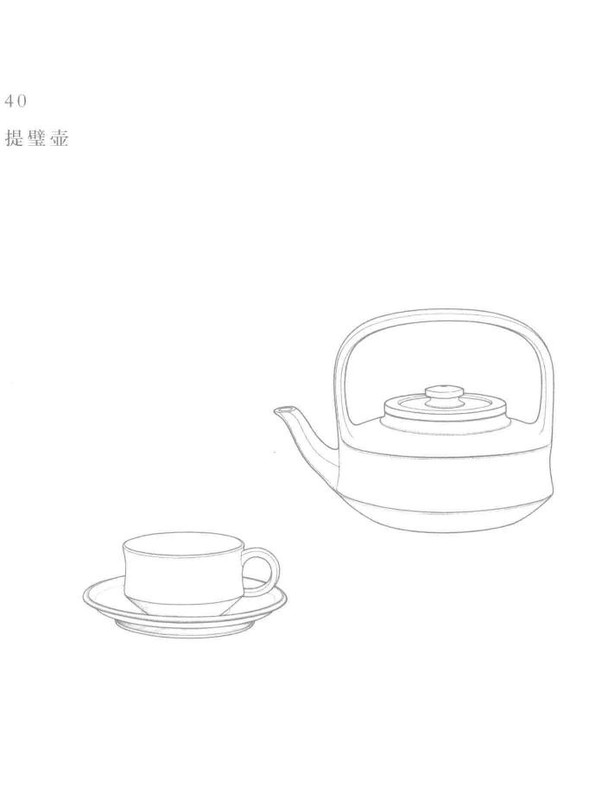
The Tibi Hu (提壁壶): A Timeless Vessel for the Contemplative Tea Drinker
There’s something profoundly satisfying about holding a teapot that has been refined over centuries. The Tibi Hu, whose name translates roughly as “lifting wall pot,” is one of those designs that makes you pause and appreciate the thoughtfulness embedded in every curve and angle. This isn’t a showy piece that demands attention—it’s a quiet companion that reveals its brilliance slowly, much like the teas it’s designed to brew.
A Name That Hints at Structure
The Chinese name 提壁壶 (Tíbì Hú) offers us a window into the pot’s character. “Ti” (提) means to lift or carry, “bi” (壁) refers to a wall or vertical surface, and “hu” (壶) simply means pot or vessel. Together, they suggest a teapot with distinctive vertical elements—walls that rise with purpose and definition. This isn’t just poetic naming; it’s a practical description of a form that balances strength with elegance.
When Yixing potters name their designs, they’re often capturing something essential about the piece’s geometry or the feeling it evokes. The Tibi Hu belongs to that category of classical forms where function and aesthetics merge so seamlessly that you can’t imagine one without the other.
The Visual Language of Restraint
If you’re expecting elaborate dragons or intricate carved scenes, the Tibi Hu will surprise you with its restraint. This is a pot that speaks in a quieter visual language, one that values proportion and line over decoration. The body typically rises with clean, defined walls that give the pot its name—these aren’t the soft, rounded curves of a Xi Shi pot or the dramatic angles of a Fang Gu. Instead, you’ll find surfaces that stand with confidence, creating a sense of architectural stability.
The profile often features a gentle taper or a subtle shoulder where the body meets the lid, just enough to break the vertical line without disrupting the overall sense of upward movement. The spout emerges naturally from this structure, usually positioned to create a harmonious balance with the handle. Speaking of handles—the Tibi Hu’s handle tends to be substantial enough to provide a secure grip while maintaining the pot’s overall sense of proportion. It’s the kind of handle that feels right in your hand, neither too delicate nor overly robust.
What makes this design particularly appealing to serious tea drinkers is its honesty. There’s nowhere to hide in such a straightforward form. The quality of the clay, the precision of the craftsmanship, the skill of the potter—everything is on display. A well-made Tibi Hu showcases the natural beauty of Yixing clay without relying on embellishment to distract from any shortcomings.
Rooted in Tradition
The Tibi Hu emerges from the rich tradition of Yixing pottery, that remarkable craft that has been perfecting the art of teapot making for centuries in the Jiangsu province of China. While we can’t pin this particular design to a specific dynasty or decade with certainty, its classical nature suggests deep roots in the Ming and Qing dynasties, when Yixing teapot design reached extraordinary heights of refinement.
During these periods, scholar-officials and literati didn’t just drink tea—they contemplated it, wrote poetry about it, and commissioned vessels that reflected their aesthetic philosophies. The Tibi Hu’s clean lines and structural clarity align perfectly with the literati taste for understated elegance. This was an era when a teapot wasn’t merely a brewing tool but an expression of one’s cultivation and taste.
What’s fascinating about traditional Yixing designs like the Tibi Hu is how they’ve been passed down through generations of potters, each adding their subtle interpretation while respecting the essential form. A contemporary Tibi Hu made by a skilled artisan today carries within it the accumulated wisdom of centuries of tea culture. The proportions have been tested by countless brewing sessions, the clay body refined through generations of experimentation, the pouring dynamics perfected through patient observation.
The Clay Makes the Difference
You can’t discuss any Yixing teapot without talking about the clay itself, and the Tibi Hu is no exception. Yixing clay—often called zisha or “purple sand”—possesses unique properties that make it ideal for tea brewing. It’s porous enough to absorb the oils and flavors from tea over time, gradually seasoning the pot, yet dense enough to retain heat effectively during brewing.
The Tibi Hu’s relatively straightforward form allows the clay’s natural characteristics to shine. Whether crafted from the classic zini (purple clay), hongni (red clay), or duanni (yellow clay), each variation brings its own personality to the pot. A zini Tibi Hu might have a dignified, scholarly presence with its deep purple-brown tones. A hongni version could glow with warm, earthy reds that seem to capture sunlight. A duanni piece might offer a softer, more contemplative yellow-beige that feels ancient and wise.
The beauty of the Tibi Hu’s design is that it doesn’t compete with the clay—it presents it. Those clean walls become canvases for appreciating the clay’s natural texture, color variations, and the subtle marks of the potter’s hands.
Tea Pairings: Finding the Right Match
So which teas does the Tibi Hu favor? The answer depends partly on the specific clay used, but the pot’s structure offers some general guidance. The defined walls and typically moderate size (most Tibi Hu pots fall in the 150-250ml range) make it particularly well-suited for teas that benefit from controlled, focused brewing.
Oolong teas are natural companions for the Tibi Hu. Whether you’re brewing a roasted Wuyi yancha or a greener Taiwanese high-mountain oolong, this pot’s heat retention and pouring characteristics help you extract the complex layers of flavor that make oolongs so captivating. The pot’s structure allows for the multiple short infusions that oolong brewing demands, and over time, a dedicated Tibi Hu will develop a seasoning that enhances these teas beautifully.
Aged raw pu-erh also finds a good home in a Tibi Hu, particularly one made from zini clay. The pot’s ability to maintain temperature helps coax out the depth and complexity of aged tea, while its moderate size prevents over-brewing. There’s something particularly satisfying about using a pot with traditional roots to brew a tea with decades of age—it’s a conversation between different forms of time and patience.
Black teas, especially Chinese varieties like Keemun or Dian Hong, work wonderfully in a Tibi Hu. The pot’s heat retention brings out the malty sweetness and complex aromatics of quality black tea without emphasizing any harshness. If you’re using a hongni (red clay) Tibi Hu, the pairing becomes even more harmonious—the warm tones of the clay seem to echo the tea’s character.
What about green tea? While Yixing pots can certainly brew green tea, the Tibi Hu’s heat-retaining properties might be more than delicate green teas need. If you do use it for green tea, consider letting the water cool slightly more than usual, or choose heartier green teas that can handle the warmth.
Brewing with Intention
Using a Tibi Hu is an exercise in mindful brewing. This isn’t a pot for rushing through your tea session—it rewards attention and care. Here’s how to get the most from this classical design:
Warming the pot is essential. Pour hot water through and over your Tibi Hu before adding tea leaves. This preheating serves multiple purposes: it brings the clay to temperature so it won’t shock your tea, it allows you to check that the pot is clean, and it begins the ritual of slowing down and focusing on the brewing process.
Leaf quantity matters more in a smaller pot like the Tibi Hu. A good starting point is filling the pot about one-third to one-half full with dry leaves, depending on the tea type and your taste preferences. The pot’s defined interior space makes it easier to gauge this visually than in pots with more complex internal shapes.
Water temperature and pouring technique become particularly important. The Tibi Hu’s spout is typically designed for a controlled, steady pour—not a gushing stream. When filling the pot, pour with intention, allowing the water to flow smoothly over the leaves. When serving, the pot’s balance should allow you to pour with confidence, emptying it completely to prevent over-steeping.
Multiple infusions are where the Tibi Hu truly shines. The pot’s structure and heat retention make it ideal for the gongfu brewing style, where you make many short infusions from the same leaves. You’ll notice how the pot’s performance improves as it warms up, and how each infusion reveals different aspects of your tea.
Caring for Your Tibi Hu
A Tibi Hu, like all Yixing pots, develops character through use. The clay gradually absorbs tea oils, building up a patina that tea enthusiasts call “tea scale” or “tea mountain.” This seasoning is prized—it’s evidence of the pot’s history and contributes to the flavor of future brews.
To develop this patina properly, dedicate your Tibi Hu to one type of tea or at least one general category. Don’t brew jasmine green tea one day and ripe pu-erh the next—the conflicting flavors will muddy the pot’s seasoning. Choose your tea relationship and commit to it.
After each use, rinse the pot thoroughly with hot water—no soap, ever. The clay’s porosity means it will absorb soap, and you’ll taste it in your next brew. Let the pot air dry completely with the lid off before storing it. Some enthusiasts like to give their pots a gentle wipe with a soft cloth while they’re still warm, which can help develop an even patina on the exterior.
Periodically, you might want to give your Tibi Hu a deeper cleaning by boiling it gently in water. This can help remove any accumulated residue and refresh the pot. But don’t do this too often—part of the joy of Yixing pottery is watching it evolve through regular use.
Why the Tibi Hu Endures
In a world of constantly changing trends and innovations, there’s something reassuring about a design that has remained essentially unchanged for generations. The Tibi Hu doesn’t need to reinvent itself because it got things right from the start. Its clean lines, balanced proportions, and functional excellence have earned it a permanent place in the Yixing canon.
For the tea enthusiast, owning a Tibi Hu means connecting with this continuity. Every time you brew tea in this pot, you’re participating in a tradition that stretches back centuries. You’re using a form that has been refined by countless potters and tea drinkers, each contributing their small adjustments and insights to perfect the design.
But the Tibi Hu isn’t just about tradition—it’s about the immediate, sensory pleasure of brewing and drinking tea. It’s about the way the pot feels in your hand, the arc of tea as it pours into your cup, the gradual warming of the clay, and the deepening of flavor as the pot seasons. These are simple pleasures, but they’re the ones that keep us coming back to tea, day after day, year after year.
If you’re considering adding a Tibi Hu to your collection, look for one that speaks to you. Hold it, examine the craftsmanship, imagine it in your daily tea practice. A good Tibi Hu should feel inevitable—like it was always meant to be part of your tea journey. And once you find the right one, treat it well, use it often, and watch as it becomes not just a tool for brewing tea, but a companion in your ongoing exploration of this ancient, endlessly fascinating beverage.