莲蓬水丞
Explore this classic Yixing pottery design and its significance in tea culture
The Lotus Seed Pod Water Vessel: A Timeless Treasure of Yixing Craftsmanship
When you first encounter a 莲蓬水丞 (lián péng shuǐ chéng), or Lotus Seed Pod Water Vessel, you’re witnessing more than just functional pottery—you’re holding a piece of Chinese tea culture that bridges the natural world with the refined art of tea preparation. This classic Yixing design captures the essence of what makes Chinese tea ware so captivating: the marriage of practical purpose with poetic beauty.
A Design Rooted in Nature’s Poetry
The lotus holds profound significance in Chinese culture, symbolizing purity, enlightenment, and rebirth. Rising from muddy waters to bloom pristine and beautiful, the lotus has inspired artists, poets, and craftspeople for millennia. The 莲蓬水丞 takes its inspiration from the lotus seed pod—that distinctive, perforated structure that remains after the flower’s petals have fallen away.
Unlike a teapot designed for brewing, this water vessel serves a specific purpose in the traditional tea ceremony: it holds clean water for rinsing tea cups, washing tea utensils, or adding precise amounts of water during preparation. Think of it as the supporting actor that makes the entire tea performance possible. While it may not steep your leaves, its presence elevates the entire ritual from simple beverage preparation to mindful ceremony.
The Visual Language of Lotus
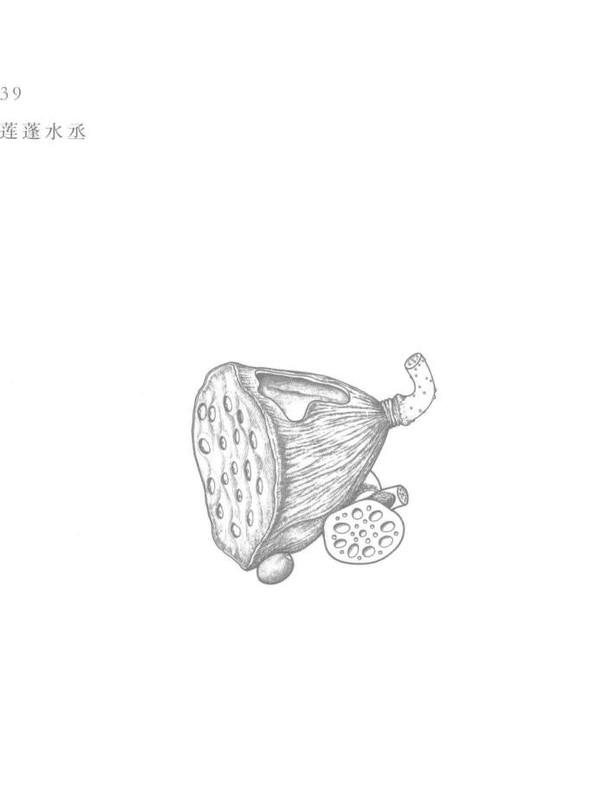
What makes the Lotus Seed Pod Water Vessel immediately recognizable is its organic, naturalistic form. Skilled Yixing artisans don’t simply mold clay into a generic container—they study the lotus seed pod’s unique geometry, capturing its characteristic dimpled surface where seeds once nestled. The result is a vessel that feels alive, as if plucked fresh from a tranquil pond.
The surface texture typically features subtle indentations and raised areas that mimic the seed pod’s natural architecture. Some artisans add delicate stems or leaves as handles or decorative elements, while others keep the design minimal, letting the pod’s inherent beauty speak for itself. The color palette usually ranges from the warm, earthy tones that Yixing clay is famous for—rich chestnuts, warm ambers, deep chocolates, and occasionally the prized purple-red zisha clay that develops a lustrous patina over time.
The opening at the top might be wide and generous or more restrained, depending on the artisan’s interpretation. Some versions include a small spout for controlled pouring, while others rely on a simple lip. The base is typically stable and grounded, ensuring the vessel sits securely on your tea table even when filled with water.
Traditional Craftsmanship in Every Curve
Yixing pottery comes from the Jiangsu province town of the same name, where artisans have been working with the region’s distinctive zisha (purple sand) clay for centuries. This clay is remarkable for its porous nature, which allows it to breathe and develop character over time. While teapots are the most famous Yixing creations, water vessels like the 莲蓬水丞 represent an equally important category of tea ware.
The traditional craftsmanship involved in creating these pieces is meticulous. Artisans don’t use pottery wheels for most Yixing ware; instead, they employ hand-building techniques, carefully shaping clay slabs and coils into the desired form. For a lotus seed pod design, this means painstakingly creating each dimple and curve to capture the organic irregularity of nature while maintaining functional integrity.
The clay itself is prepared through an extensive process of mining, weathering, and refining that can take years. Once shaped, pieces are fired at specific temperatures that preserve the clay’s porous quality while ensuring durability. No glazes are used—the natural clay surface is the finished surface, which means every subtle variation in color and texture is intentional and permanent.
Historical Roots and Cultural Context
While the exact origins of this particular design are difficult to pinpoint, the lotus motif has been central to Chinese decorative arts for over two thousand years. During the Ming and Qing dynasties, when tea culture reached sophisticated heights, artisans increasingly drew inspiration from nature to create tea ware that enhanced the meditative, aesthetic experience of tea drinking.
The water vessel itself became an essential component of gongfu tea preparation—the traditional Chinese method of brewing tea with skill and attention. As tea culture evolved from simple refreshment to refined art form, every element of the tea table gained significance. The water vessel wasn’t just practical; it represented cleanliness, preparation, and the respect shown to guests through proper ceremony.
Lotus imagery particularly resonated with Buddhist and Daoist philosophy, both deeply influential in Chinese culture. The lotus’s ability to remain unstained despite growing in murky water made it a perfect metaphor for spiritual purity and enlightenment. Having a lotus-inspired vessel on your tea table wasn’t merely decorative—it was a subtle reminder of these deeper values.
Tea Pairings and Practical Use
While the 莲蓬水丞 isn’t a brewing vessel, it plays a crucial role in preparing various types of tea, particularly those that benefit from the gongfu brewing method. Here’s how it enhances your tea experience with different varieties:
Oolong Teas: Whether you’re brewing a roasted Wuyi rock tea or a lighter Taiwanese high-mountain oolong, having clean water readily available in your lotus vessel allows you to rinse cups between infusions, ensuring each steep is tasted with a fresh palate. The vessel’s capacity is perfect for warming cups before brewing—a step that significantly improves oolong’s aromatic expression.
Pu-erh Teas: Both raw and ripe pu-erh benefit from multiple short infusions, and you’ll frequently need to rinse your cups or add small amounts of water to adjust brewing strength. The lotus water vessel keeps this water at hand, maintaining the flow of your tea session without interruption.
Green and White Teas: These delicate teas require precise water temperatures and careful handling. Your water vessel can hold cooled water for adjusting brewing temperature or for rinsing away any dust from white tea leaves before the first proper infusion.
Black Teas: Chinese black teas (called “red tea” in China) like Keemun or Dian Hong are often enjoyed in longer sessions where cup rinsing between rounds maintains clarity of taste. The lotus vessel’s presence keeps your tea table organized and elegant.
Brewing Wisdom: Incorporating the Water Vessel into Your Practice
If you’re new to using a traditional water vessel in your tea preparation, here are some practical tips to integrate it seamlessly:
Placement Matters: Position your water vessel within easy reach but not in the direct path of your brewing movements. Traditionally, it sits to the right side of your tea tray if you’re right-handed, allowing smooth, natural motions during preparation.
Water Temperature: Fill your vessel with water appropriate to your tea type. For green teas, this might be cooler water (around 175°F/80°C); for oolongs and black teas, hotter water (195-205°F/90-96°C). The Yixing clay will help maintain temperature for a reasonable time.
The Rinsing Ritual: Before your first infusion, use water from the vessel to warm your cups by filling them, letting them sit briefly, then discarding the water into your tea tray’s drainage. This simple act prepares both the cups and your mindset for the tea to come.
Maintaining Flow: During multiple infusions, use the vessel to rinse cups between tastings if you’re comparing different teas or simply want to reset your palate. The smooth pour from a well-designed lotus vessel becomes a graceful part of your tea dance.
Cleaning and Care: After each tea session, empty any remaining water and rinse the vessel with clean water. Let it air dry completely before storing. Like all Yixing ware, it will develop a subtle patina over time—this is desirable and adds character. Avoid soap, which can be absorbed by the porous clay.
Developing Your Vessel’s Character
One of the most rewarding aspects of using Yixing pottery is watching it evolve. Each time you use your lotus water vessel, you’re contributing to its story. The clay gradually absorbs trace minerals from the water, developing a deeper, richer color and a subtle sheen. This patina, called “tea nourishment” or “tea养” (chá yǎng), is highly prized among collectors and tea enthusiasts.
To encourage beautiful aging, use your vessel regularly and handle it with clean hands. The natural oils from your skin, combined with the water and tea environment, will gradually enhance the clay’s appearance. Some enthusiasts gently wipe their vessels with a soft tea cloth after each use, which helps distribute the developing patina evenly.
Choosing Your Lotus Vessel
If you’re considering adding a 莲蓬水丞 to your tea collection, here are some factors to consider:
Size: Water vessels typically range from 200ml to 500ml capacity. Consider how much tea you usually prepare and how many guests you typically serve. A larger vessel means fewer refills during extended tea sessions.
Clay Quality: Authentic Yixing clay has a distinctive feel—slightly rough, never perfectly smooth, with visible particles. The clay should feel substantial but not overly heavy. Genuine zisha clay will show natural color variations rather than uniform, painted-looking surfaces.
Craftsmanship: Look for clean lines, smooth transitions between elements, and attention to detail in the lotus pod texture. The vessel should sit stable without wobbling, and any spout should pour cleanly without dribbling.
Aesthetic Harmony: Choose a design that resonates with your personal taste and complements your other tea ware. The lotus vessel will be a visible part of your tea table, so it should bring you joy each time you see it.
Beyond Function: The Meditative Element
Using traditional tea ware like the lotus water vessel transforms tea drinking from a casual habit into a mindful practice. The simple act of pouring water from a beautifully crafted vessel, feeling its weight in your hand, observing how the clay has changed over months or years of use—these small moments create space for presence and appreciation.
The lotus design itself serves as a gentle reminder of tea’s deeper dimensions. Just as the lotus rises pure from muddy water, the tea ceremony offers a moment of clarity and peace amid life’s complexities. Your water vessel isn’t just holding water; it’s holding space for contemplation, connection, and the simple pleasure of doing something well.
Conclusion: A Worthy Addition to Your Tea Journey
The 莲蓬水丞, or Lotus Seed Pod Water Vessel, represents the thoughtful completeness of Chinese tea culture. While it may seem like a supporting player compared to the teapot itself, its presence elevates your entire tea practice. It brings natural beauty to your tea table, practical functionality to your brewing process, and a touch of traditional elegance that honors centuries of tea wisdom.
Whether you’re just beginning to explore gongfu tea preparation or you’re a seasoned enthusiast looking to deepen your practice, a well-crafted lotus water vessel offers both immediate utility and long-term companionship. As it ages alongside you, developing character through countless tea sessions, it becomes more than pottery—it becomes a witness to your tea journey, a silent partner in moments of quiet reflection and joyful sharing.
In the end, that’s what the best tea ware does: it serves its purpose beautifully while enriching the experience beyond mere function. The lotus water vessel does exactly that, one graceful pour at a time.