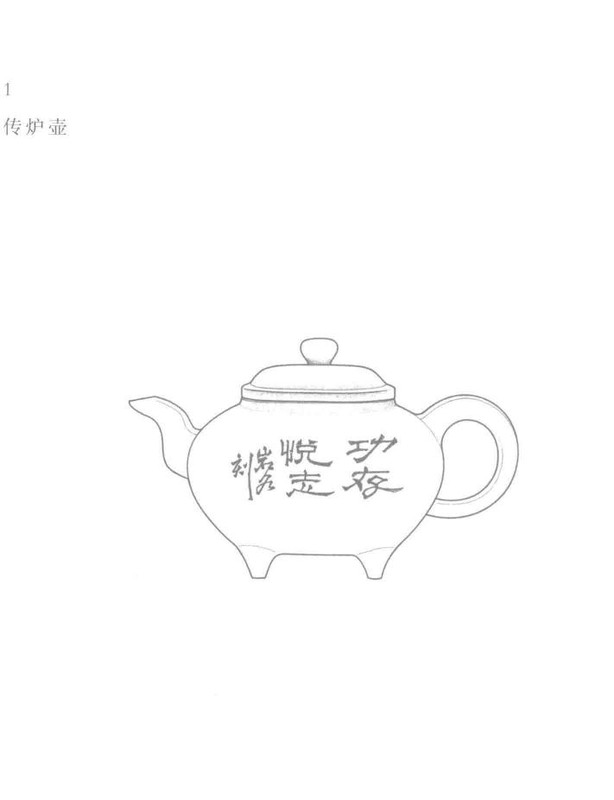
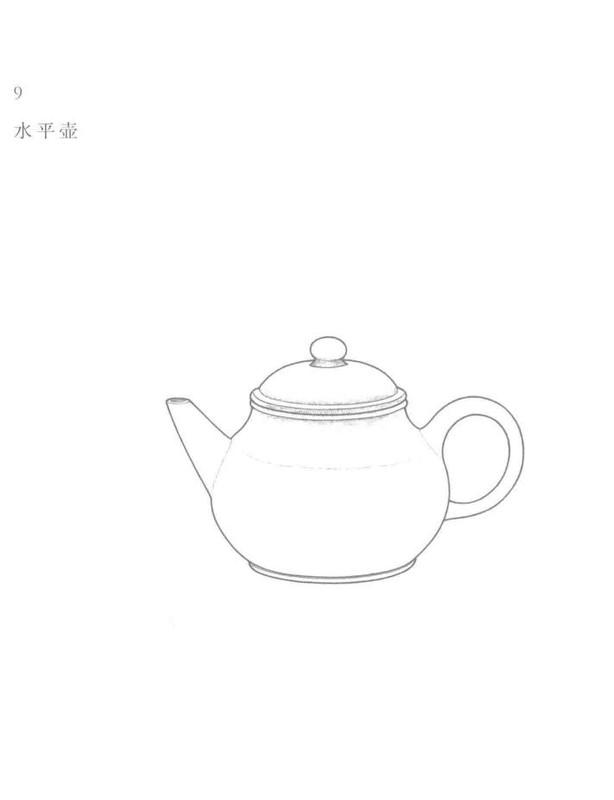
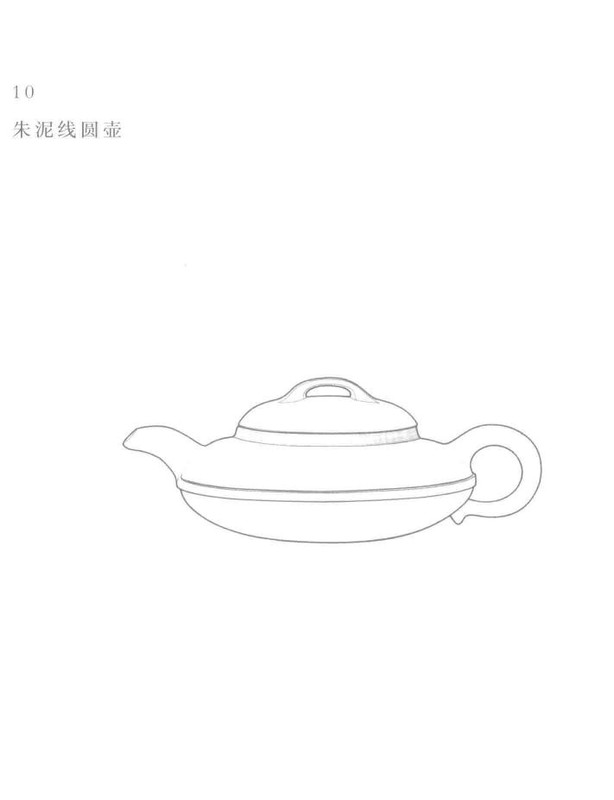
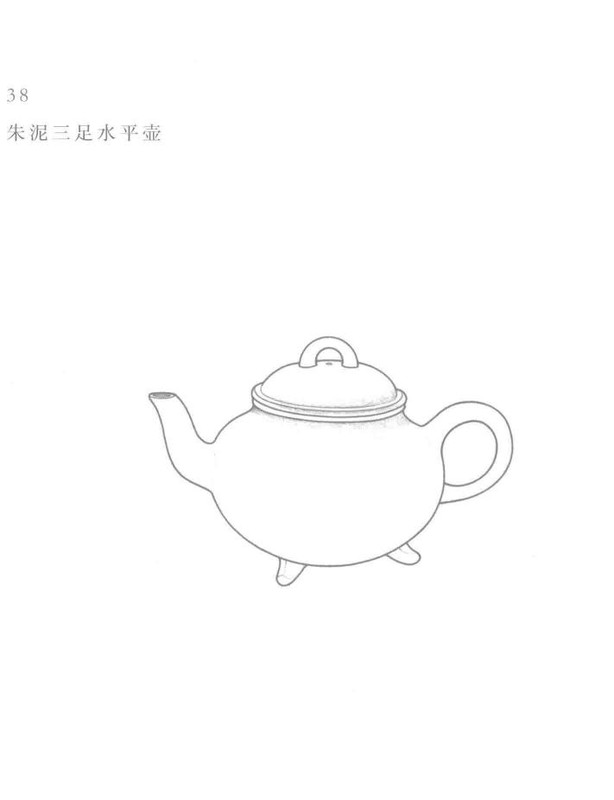
水平壶
Explore this classic Yixing pottery design and its significance in tea culture
The Shuiping Hu: Mastering Balance in Your Tea Ritual
When you first encounter a Shuiping Hu (水平壶) sitting on a tea table, you might not immediately recognize you’re looking at one of Yixing’s most ingeniously practical designs. Its name translates literally to “water level pot,” and this seemingly simple descriptor hints at a design philosophy that has captivated tea enthusiasts for generations: the pursuit of perfect balance.
A Pot That Knows Its Limits
The Shuiping Hu represents something rare in the world of teaware—a design born from pure functionality that somehow achieved aesthetic grace along the way. Unlike ornate teapots adorned with dragons or carved bamboo, the Shuiping Hu makes its statement through restraint and precision. It’s the kind of pot that grows on you slowly, revealing its brilliance through daily use rather than immediate visual impact.
The defining characteristic sits right there in the name. This pot features a distinctive lid design where the water level inside becomes visible at the rim, allowing you to fill it to optimal capacity without guessing. It’s a small detail that transforms the brewing experience, especially when you’re working with precious aged oolongs or delicate white teas where water-to-leaf ratio matters immensely.
Reading the Design Language
At first glance, the Shuiping Hu presents a profile of gentle curves and balanced proportions. The body typically sits low and wide, with a rounded belly that tapers slightly toward the base. This isn’t just aesthetic choice—it’s engineering. The broad, stable base gives the pot a reassuring weight in hand, while the generous interior volume allows tea leaves ample room to unfurl and dance during steeping.
The spout deserves special attention. On a well-crafted Shuiping Hu, it extends in a smooth, confident arc that seems to grow organically from the body. The angle and length are calibrated for a clean, controlled pour—no dribbling, no splashing, just a steady stream that cuts off crisply when you return the pot upright. After years of using various teapots, you come to appreciate how rare this quality truly is.
The handle typically curves in a generous loop, positioned to balance the weight of the filled pot perfectly. When you lift a Shuiping Hu by its handle, the pot should feel like an extension of your hand, neither front-heavy nor back-heavy. This balance point isn’t accidental—it’s the result of generations of refinement, each potter learning from their predecessors and making minute adjustments.
Clay That Breathes
Like all authentic Yixing pottery, the Shuiping Hu is crafted from the region’s famous zisha clay—purple sand that possesses unique properties tea lovers have treasured for centuries. This clay is porous at a microscopic level, allowing it to absorb tiny amounts of tea oils and flavors over time while still remaining watertight. It’s a paradox that makes these pots living vessels, developing character and depth with each brewing session.
The unglazed surface feels slightly rough to the touch, almost sandy, which is exactly right. This texture is part of the clay’s magic. As you handle your Shuiping Hu over months and years, the oils from your hands combine with tea residue to create a natural patina called “tea shine.” A well-loved pot develops a subtle luster that no amount of polishing could replicate—it’s the visible record of countless tea sessions, a timeline written in microscopic layers.
The clay’s thermal properties matter enormously for brewing. Zisha retains heat beautifully but doesn’t conduct it too quickly to the exterior, meaning your tea stays at optimal temperature while the pot remains comfortable to handle. This heat retention is particularly valuable when brewing teas that benefit from sustained warmth, allowing flavors to develop fully without requiring constant reheating.
A Design Without Pretense
The traditional Yixing pottery world is filled with elaborate forms—pots shaped like lotus flowers, bamboo segments, or mythical creatures. The Shuiping Hu stands apart from this decorative tradition, embracing instead a philosophy of refined simplicity. It’s a pot that doesn’t demand attention but earns respect through performance.
This understated approach reflects a particular aesthetic sensibility in Chinese tea culture—the idea that true mastery reveals itself through effortless function rather than obvious display. A Shuiping Hu sitting on your tea table makes a quiet statement: the person using this pot cares more about the quality of their brew than impressing guests with ornate teaware.
That said, simplicity doesn’t mean uniformity. Different potters bring their own subtle variations to the form. Some create Shuiping Hu with slightly more angular shoulders, others prefer a more spherical body. The spout might curve more dramatically or extend more horizontally. These variations give each pot personality while maintaining the essential character of the design.
The Perfect Tea Companions
The Shuiping Hu’s balanced design and moderate size make it remarkably versatile, but certain teas truly shine when brewed in this style of pot. The pot’s capacity—typically ranging from 150 to 250 milliliters—suits the gongfu brewing method perfectly, where you make multiple short infusions rather than one long steep.
Oolong teas find an ideal home in the Shuiping Hu. The pot’s heat retention supports the multiple infusions that oolongs demand, while the generous interior space allows tightly rolled leaves to expand fully. Try brewing a traditional Tieguanyin or a roasted Wuyi oolong in your Shuiping Hu, and you’ll notice how the clay seems to smooth out any harsh edges while amplifying the tea’s natural sweetness and complexity.
Aged raw pu-erh also pairs beautifully with this pot style. The clay’s porosity helps mellow any remaining astringency in younger sheng pu-erh, while older, more refined cakes benefit from the pot’s ability to maintain consistent temperature across multiple infusions. The Shuiping Hu’s precise pouring control becomes especially valuable when working with expensive aged teas where you want to extract every nuance.
Red teas (what the West calls black tea) develop wonderful depth in a seasoned Shuiping Hu. The clay enhances the natural sweetness and body of teas like Dian Hong or Keemun, creating a rounder, more satisfying cup. If you dedicate a Shuiping Hu exclusively to red teas, over time the pot will develop a seasoning that makes each subsequent brewing even better.
Brewing Wisdom for Daily Practice
Using a Shuiping Hu effectively requires understanding a few key principles. First, always warm your pot before brewing. Pour boiling water into the empty pot, swirl it around, then discard. This preheating ensures your first infusion doesn’t lose crucial temperature to cold clay, which would result in under-extraction and weak flavor.
The “water level” feature of the Shuiping Hu becomes your guide for optimal filling. When you pour water into the pot, watch the level rise to just below the rim where the lid sits. This visual feedback helps you maintain consistency across brewing sessions—crucial when you’re trying to replicate a particularly successful cup or when sharing tea with friends who expect the same quality in each round.
Pay attention to your pouring technique. The Shuiping Hu rewards a confident, steady pour. Tip the pot decisively rather than tentatively, and you’ll be rewarded with that clean, controlled stream. When you’ve poured enough, return the pot to upright quickly—the well-designed spout will cut off the flow without dripping.
Between brewing sessions, never seal your Shuiping Hu in a closed container while it’s still damp. The clay needs to breathe and dry completely to prevent any musty odors from developing. After your tea session, rinse the pot with hot water (no soap—ever), shake out excess water, and leave it uncovered to air dry. Some enthusiasts gently wipe the exterior with a soft cloth to help develop that prized patina.
The Seasoning Journey
A new Shuiping Hu is like a blank canvas—full of potential but not yet realized. The seasoning process, where the pot gradually absorbs tea character, is one of the most rewarding aspects of owning Yixing pottery. Some tea lovers dedicate specific pots to specific tea types, allowing each pot to develop a specialized seasoning that enhances its designated tea.
If you choose to dedicate your Shuiping Hu to a single tea category, you’ll notice the transformation over time. The clay’s color may deepen slightly, and the pot will develop that characteristic tea shine. More importantly, the pot begins to contribute its own subtle flavor notes to your tea—a depth and roundness that comes from the accumulated essence of hundreds of brewing sessions.
This doesn’t mean you must dedicate your pot to one tea forever. Many tea enthusiasts successfully use their Shuiping Hu for multiple tea types, especially within the same general category (various oolongs, for instance). The key is avoiding dramatic flavor conflicts—don’t brew heavily roasted oolongs one day and delicate white tea the next in the same pot.
Living With Your Pot
The relationship between a tea enthusiast and their Shuiping Hu evolves over time. What begins as simply a brewing vessel gradually becomes a trusted companion in your tea practice. You learn its quirks—exactly how much leaf it needs, the precise angle for the perfect pour, the way it feels in your hand when filled to optimal capacity.
This familiarity breeds a kind of brewing confidence. You stop thinking about technique and start focusing entirely on the tea itself. Your hands know what to do, and the pot responds predictably, reliably. This is when tea brewing transcends mere preparation and becomes something closer to meditation—a practiced ritual that centers and calms.
The Shuiping Hu’s unpretentious design supports this meditative quality. There’s nothing flashy to distract you, no elaborate decorations to admire. Just you, the pot, the tea, and the moment. In our overstimulated world, this simplicity feels increasingly precious.
Why This Pot Endures
In an era of endless teaware options—glass brewers, ceramic gaiwans, modern temperature-controlled kettles—the traditional Shuiping Hu continues to attract devoted users. Its endurance speaks to the design’s fundamental rightness, the way it solves brewing challenges without unnecessary complexity.
The pot teaches patience and attention. You can’t rush the seasoning process or force the patina to develop faster. You can’t microwave water in it or throw it in the dishwasher. It demands a certain mindfulness, a willingness to slow down and engage with your tea practice deliberately.
For many tea enthusiasts, this is precisely the point. The Shuiping Hu becomes a daily reminder to pause, to focus, to appreciate the small rituals that add meaning to our lives. It’s not just about making tea—it’s about creating a moment of intentional calm in a chaotic day.
Bringing One Into Your Practice
If you’re considering adding a Shuiping Hu to your tea table, approach the purchase thoughtfully. Authentic Yixing pottery varies widely in quality and price. A well-made pot from a skilled artisan will serve you for decades, developing character and improving with age. Look for even wall thickness, a lid that fits snugly without wobbling, and a spout that aligns properly with the body.
Don’t be seduced by extremely low prices—genuine Yixing clay and skilled craftsmanship have real value. Conversely, don’t assume the most expensive pot is necessarily the best for your needs. Consider the size that suits your brewing style, the clay color that appeals to you, and most importantly, how the pot feels in your hand.
The Shuiping Hu won’t revolutionize your tea overnight, but it will become a reliable partner in your ongoing exploration of tea. It’s a pot that rewards commitment, that grows with you, that becomes more valuable the longer you use it. In a world of disposable goods, there’s something deeply satisfying about owning a tool that improves with age rather than deteriorating.
Pour your tea, watch the water level rise to that perfect point, and appreciate the generations of refinement that made this simple, elegant moment possible. That’s the quiet magic of the Shuiping Hu.