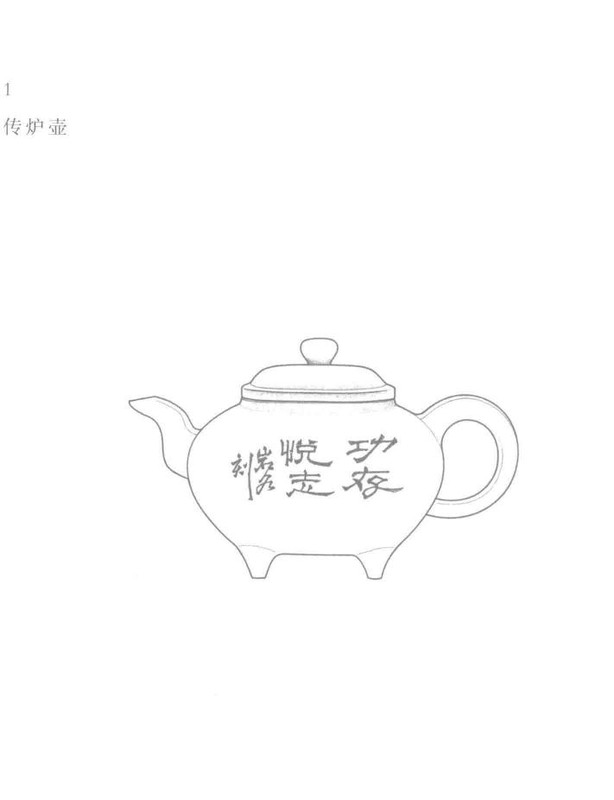
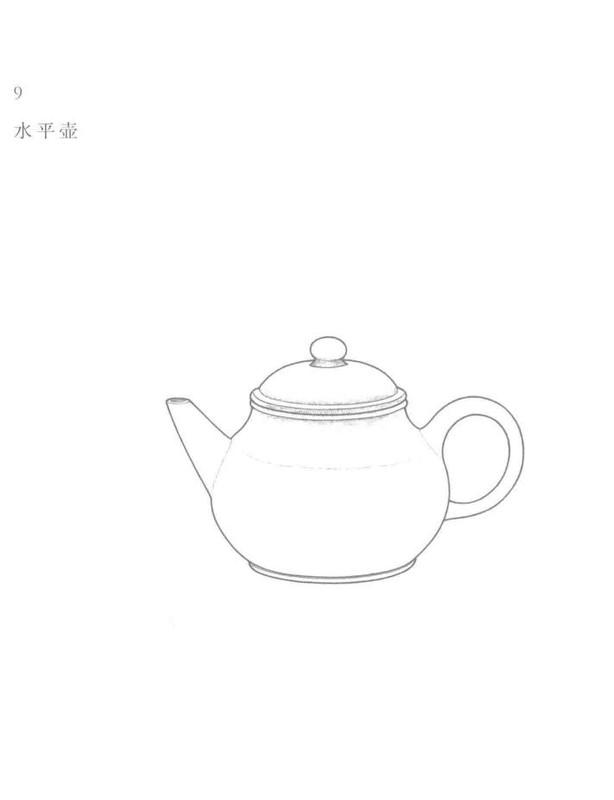
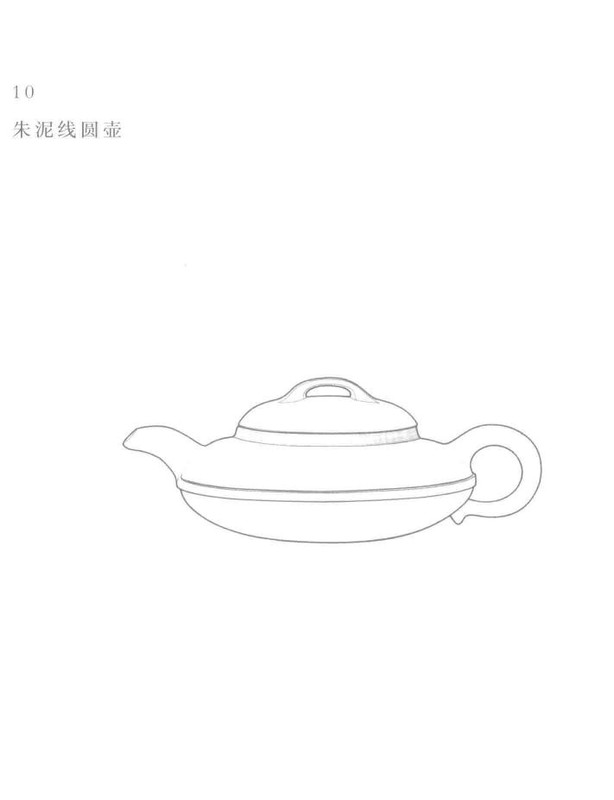
半圆壶
Explore this classic Yixing pottery design and its significance in tea culture
The Ban Yuan Hu (半圆壶): Where Geometry Meets Tea Tradition
There’s something deeply satisfying about holding a teapot that feels like it was designed by both an artist and a mathematician. The Ban Yuan Hu—literally “half-round pot” in Chinese—embodies this perfect marriage of form and function. This classic Yixing design has been quietly brewing exceptional tea for centuries, and once you understand its elegant simplicity, you’ll see why it remains a favorite among serious tea drinkers.
A Name That Tells a Story
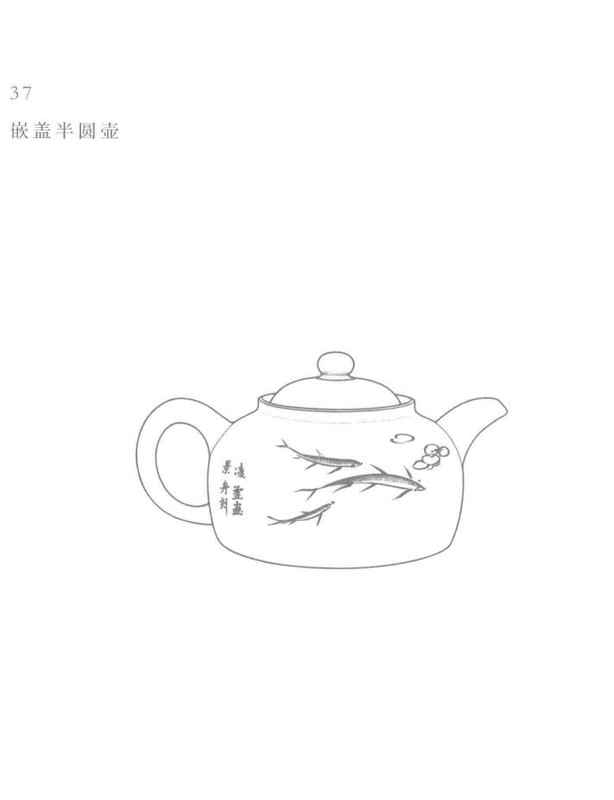
The Chinese name 半圆壶 (bàn yuán hú) is wonderfully descriptive. “Ban” means half, “yuan” means round or circular, and “hu” means pot or vessel. Look at this teapot from the side, and you’ll immediately understand why: its profile creates a graceful semi-circular arc, as if someone took a perfect sphere and sliced it horizontally, then added a spout, handle, and lid.
This isn’t just poetic naming—it reflects the Chinese aesthetic philosophy where names should capture the essence of an object. The Ban Yuan Hu doesn’t hide behind flowery metaphors or obscure references. It simply is what it says: a half-round pot, honest and unpretentious.
The Visual Poetry of Simplicity
When you first encounter a Ban Yuan Hu, you might think “simple.” And you’d be right—but simple in the way a perfectly composed haiku is simple. Every curve, every angle, every proportion has been refined over generations of potters working in Yixing’s famous purple clay.
The body rises from a stable, flat base in a smooth, continuous curve that swells outward before tapering gently toward the shoulder. This creates a silhouette that’s both grounded and dynamic. The pot sits confidently on your tea table, never appearing top-heavy or unstable, yet there’s movement in its lines—a sense of contained energy.
The spout typically emerges from the body in a gentle, downward-curving arc. It’s not aggressive or sharply angled; instead, it flows naturally from the pot’s rounded form. When you pour, the tea streams out in a controlled, laminar flow—no dribbling, no splashing. This is the result of centuries of refinement, where potters learned exactly how to shape the spout’s interior channel and lip to achieve that perfect pour.
The handle mirrors the body’s curves, often forming a semi-circular or C-shaped loop that echoes the pot’s main profile. It’s positioned to balance the weight perfectly, so when the pot is full, it sits comfortably in your hand without tipping forward or requiring a tight grip. This is ergonomics before the word existed—knowledge passed down through generations of tea drinkers who knew what felt right.
The lid deserves special attention. On a well-made Ban Yuan Hu, the lid fits with remarkable precision—not so tight that it creates a vacuum seal, but snug enough that it won’t rattle or fall off when you pour. Many feature a simple button or bridge-style knob that’s easy to grasp, even when your fingers are slightly damp from handling wet tea leaves.
Roots in Tradition
The Ban Yuan Hu belongs to the classical repertoire of Yixing teapot designs, emerging from a tradition that stretches back to the Ming Dynasty (1368-1644) when Yixing pottery first gained recognition as the ideal vessel for brewing tea. While we can’t pinpoint exactly when the first Ban Yuan Hu was created, its design philosophy reflects the aesthetic values that crystallized during the Ming and Qing dynasties.
This was an era when Chinese scholars and artists were deeply engaged with questions of beauty, function, and the relationship between objects and their use. Tea drinking had evolved from a purely practical activity into a refined cultural practice, and the vessels used for tea became subjects of serious aesthetic consideration.
The Ban Yuan Hu represents what we might call the “classical restraint” school of Yixing design. Unlike some teapots that feature elaborate decorations, sculpted elements, or complex shapes, the Ban Yuan Hu relies on pure form. It’s the teapot equivalent of a perfectly tailored suit—no unnecessary embellishments, just impeccable proportions and flawless execution.
This design philosophy aligned with literati tastes of the time. Scholar-officials who practiced tea ceremony valued objects that demonstrated mastery through subtlety rather than showiness. A Ban Yuan Hu sitting on a tea table signaled that its owner appreciated refinement over ostentation, substance over flash.
The Magic of Yixing Clay
Of course, no discussion of the Ban Yuan Hu would be complete without talking about the material itself. Yixing clay—often called “purple sand” or zisha—is what transforms this simple shape into something special for tea brewing.
This clay is unique in several ways. First, it’s naturally porous, which means it breathes. As you use your Ban Yuan Hu over time, it gradually absorbs trace amounts of tea oils and compounds. This “seasoning” process means the pot develops a relationship with the tea you brew in it, subtly enhancing the flavor with each use. It’s like a cast iron skillet for tea—the more you use it properly, the better it performs.
Second, Yixing clay has excellent heat retention properties. The walls of a Ban Yuan Hu hold temperature steadily, which is crucial for proper tea extraction. The rounded shape also helps here—there are no sharp corners where heat can escape or create hot spots. The tea steeps evenly throughout the pot.
Third, the clay’s texture and density affect how tea tastes. Yixing clay doesn’t impart any flavor of its own (unlike glazed ceramics or metal pots sometimes can), but it does interact with the tea in subtle ways, often smoothing harsh notes and bringing out deeper, rounder flavors.
Tea Pairings: What Brews Best
So which teas love the Ban Yuan Hu? The answer depends partly on the pot’s size and the specific clay used, but this shape generally excels with certain categories of tea.
Oolong teas are perhaps the most natural match. The Ban Yuan Hu’s rounded body gives rolled oolong leaves plenty of room to unfurl and expand. Taiwanese high-mountain oolongs, Wuyi rock teas, and Anxi Tie Guan Yin all shine in this pot. The shape allows the leaves to tumble and circulate as you pour, ensuring even extraction. The heat retention helps maintain the steady temperature that oolongs need to release their complex aromatics.
Aged raw pu-erh also pairs beautifully with the Ban Yuan Hu. These teas benefit from the pot’s ability to hold heat and its generous internal space. As the leaves expand dramatically during steeping, the rounded interior accommodates them without cramping. The clay’s porosity can help soften any remaining rough edges in younger sheng pu-erh while allowing aged versions to express their full depth.
Black teas (what the Chinese call “red tea” or hong cha) work wonderfully here too. Dian hong from Yunnan, Keemun from Anhui, or even a good Darjeeling will brew beautifully. The Ban Yuan Hu’s shape promotes good circulation, which helps extract black tea’s full body without over-steeping and creating bitterness.
What about green tea? Here, you need to be more careful. Most green teas prefer lower temperatures and shorter steeps, and the Ban Yuan Hu’s excellent heat retention can work against you. If you do brew green tea in this pot, choose heartier varieties like Tai Ping Hou Kui or Lu An Gua Pian, and be vigilant about your timing.
White teas can go either way. Delicate silver needle might be overwhelmed, but more robust white teas like Shou Mei or aged white tea can develop beautifully in a Ban Yuan Hu, especially if you’re doing multiple infusions.
Brewing Wisdom: Getting the Most from Your Pot
If you’re lucky enough to own a Ban Yuan Hu, here’s how to make it sing:
Seasoning your new pot: Before first use, rinse it thoroughly with hot water. Then brew several pots of the tea you plan to dedicate it to (yes, you should generally use one pot for one type of tea), discarding the liquid. This begins the seasoning process and removes any clay dust from manufacturing.
Temperature matters: The Ban Yuan Hu holds heat well, so preheat it thoroughly by filling it with hot water and letting it sit for a minute before brewing. This ensures your first infusion doesn’t lose heat to cold clay walls.
Fill it right: The rounded shape works best when filled about two-thirds to three-quarters full of water. This gives leaves room to expand while maintaining good water-to-leaf ratio.
The pour technique: Use the pot’s excellent spout design to your advantage. Pour decisively—not too fast, not too slow. The Ban Yuan Hu rewards confidence. A steady, controlled pour will give you that beautiful laminar stream.
Multiple infusions: This pot excels at gongfu-style brewing with multiple short steeps. The shape makes it easy to pour out completely between infusions, preventing over-extraction. Tilt it fully to get every last drop.
Cleaning: After brewing, simply rinse with hot water. Never use soap, which can be absorbed by the porous clay and ruin your tea. Let the pot air dry completely with the lid off before storing.
Building the patina: Over time, your Ban Yuan Hu will develop a subtle sheen on its exterior from tea oils and handling. This patina is prized by collectors and tea enthusiasts—it’s proof of a well-loved, well-used pot.
Why This Design Endures
In a world of constantly changing trends, the Ban Yuan Hu remains relevant because it solves fundamental problems elegantly. It’s stable. It pours well. It holds temperature. It’s comfortable to use. It looks beautiful on a tea table without demanding attention.
This is design that respects both the tea and the tea drinker. The rounded form isn’t just aesthetically pleasing—it creates better circulation for steeping leaves. The proportions aren’t just balanced to the eye—they create perfect weight distribution in the hand. Every element serves both form and function.
For modern tea enthusiasts, the Ban Yuan Hu offers something increasingly rare: an object designed to do one thing exceptionally well, without compromise or gimmickry. It doesn’t try to be everything to everyone. It’s simply a superbly crafted vessel for brewing tea, refined over centuries to near-perfection.
Bringing It to Your Tea Table
If you’re considering adding a Ban Yuan Hu to your collection, look for one made by a skilled artisan using quality Yixing clay. The pot should feel substantial but not heavy, with smooth curves and a lid that fits precisely. When you pour water through it, the stream should be clean and controlled.
Size matters too. Smaller pots (100-150ml) work beautifully for solo sessions or gongfu brewing with friends. Larger versions (200-300ml) can accommodate small groups while still maintaining the design’s essential proportions.
Most importantly, choose a pot that speaks to you. The Ban Yuan Hu’s beauty lies in its subtlety, so take time to appreciate the curves, the balance, the way it sits in your hand. This is a pot that reveals its qualities slowly, over many brewing sessions.
In the end, the Ban Yuan Hu represents something essential about tea culture: the belief that simple things, done with care and attention, can bring profound satisfaction. It’s not flashy. It won’t impress people who don’t know tea. But for those who do, it’s a quiet statement of serious intent—a tool that honors the tea, the tradition, and the moment of brewing.
That half-round curve, so simple and so perfect, has been cradling tea leaves and hot water for centuries. With proper care, your Ban Yuan Hu will continue that tradition for decades to come, getting better with each pot you brew.