柿圆壶
Explore this classic Yixing pottery design and its significance in tea culture
The Shi Yuan Hu (柿圆壶): A Timeless Treasure for the Discerning Tea Drinker
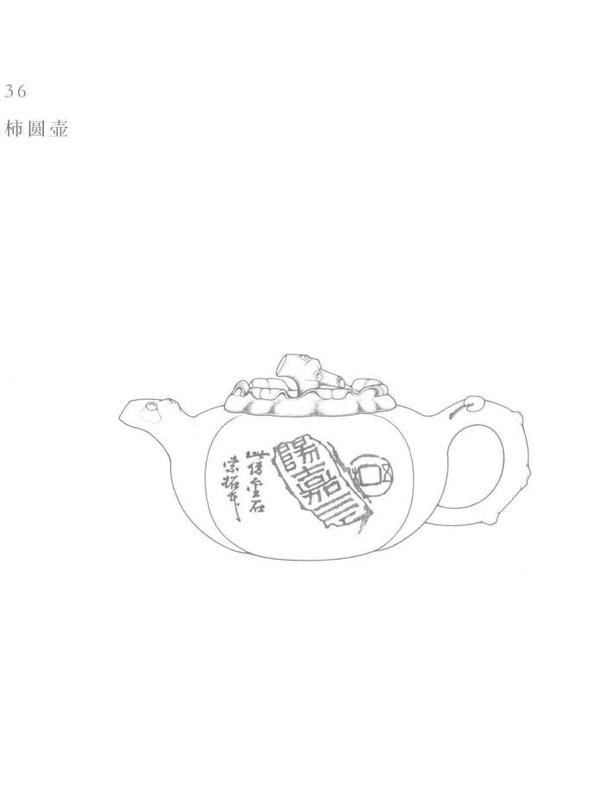
There’s something profoundly satisfying about holding a perfectly round teapot in your hands. The Chinese understood this centuries ago when they created the Shi Yuan Hu—literally the “Persimmon Round Pot”—a design that captures the plump, generous curves of a ripe persimmon fruit. This isn’t just another teapot; it’s a meditation on natural form translated into functional art.
If you’ve been exploring the world of Yixing pottery, you’ve likely encountered dozens of elaborate designs: dragons coiling around handles, bamboo shoots forming spouts, angular geometric shapes that look more like modern sculpture than tea vessels. The Shi Yuan Hu takes a different path entirely. It celebrates simplicity, roundness, and the kind of understated elegance that grows on you with each brewing session.
The Poetry of Roundness
The first time you see a Shi Yuan Hu, you might think it looks almost too simple. It’s round—really round—with gentle curves that flow from the body to the lid without interruption. The shape mimics a persimmon at peak ripeness, that moment when the fruit has swelled to its fullest expression but hasn’t yet begun to soften.
Why a persimmon? In Chinese culture, this fruit carries layers of meaning. Its name sounds similar to the word for “affairs” or “matters” (事, shì), making it a symbol of good fortune in business and life. The persimmon also represents transformation—it starts astringent and inedible, but with patience and time, becomes sweet and nourishing. For tea drinkers, this metaphor resonates deeply. Isn’t that what we’re doing with each steeping? Transforming leaves and water into something that nourishes both body and spirit?
The body of the pot sits low and wide, giving it a stable, grounded presence on your tea table. There’s no wobbling, no tipping—just solid, reassuring weight. The spout typically curves outward in a smooth arc, neither too short nor too long, positioned to pour with precision. The handle mirrors this curve on the opposite side, creating a visual balance that’s deeply pleasing to the eye.
What makes this design particularly clever is how the roundness serves function as well as form. That spherical body maximizes the interior space while minimizing the surface area, which means your tea stays warmer longer. The shape also encourages excellent circulation during steeping—the leaves have room to unfurl and dance in the water, releasing their flavors evenly.
Craftsmanship in the Traditional Style
The Shi Yuan Hu belongs to the category of classic Yixing designs, those time-tested forms that have survived centuries because they simply work. While we don’t have precise dating for when this particular design first emerged, it carries all the hallmarks of traditional Yixing craftsmanship that reached its peak during the Ming and Qing dynasties.
Creating a truly round pot is deceptively difficult. It’s far easier to make something with flat sides or angular transitions—those imperfections hide more readily. But a sphere? Every tiny irregularity shows. The potter must have exceptional skill to achieve that seamless roundness, where the eye travels around the pot without catching on any bumps or flat spots.
Traditional Yixing potters would shape the Shi Yuan Hu using the “da shen tong” method—building the pot from flat slabs of clay that are carefully curved and joined. The seams must be invisible, the walls uniform in thickness. The lid needs to fit so precisely that when you cover the spout hole with your finger and tip the pot, no water escapes. This level of craftsmanship takes years to master.
The clay itself is what makes Yixing pottery legendary. Zisha clay—purple sand clay—comes from the Yixing region in Jiangsu Province and contains a unique mineral composition. It’s porous enough to absorb tea oils over time (which is why you should dedicate each Yixing pot to one type of tea), yet dense enough to be watertight without glazing. The clay breathes, allowing heat and moisture to interact with the tea in ways that ceramic or porcelain simply can’t replicate.
When you use a Shi Yuan Hu regularly, it develops what collectors call a “patina”—a subtle sheen that comes from tea oils building up on the surface. This isn’t dirt; it’s the pot’s history, a record of every brewing session. A well-seasoned Shi Yuan Hu will eventually brew better tea than a new one, as the clay itself becomes infused with the character of your chosen tea.
Finding Your Perfect Tea Match
So what should you brew in a Shi Yuan Hu? The answer depends partly on the specific clay used and the pot’s size, but the round, full-bodied shape makes it particularly well-suited for certain categories of tea.
Oolong teas are perhaps the most natural match. The generous interior space gives rolled oolongs room to expand fully—and if you’ve ever watched a tightly rolled oolong unfurl during steeping, you know they need that space. A good Tie Guan Yin or Da Hong Pao will shine in a Shi Yuan Hu. The pot’s heat retention helps maintain the consistent temperature that oolongs love, while the clay’s porosity softens any harsh edges in the flavor.
Aged raw pu-erh also pairs beautifully with this design. These teas benefit from the clay’s ability to mellow and round out flavors. The Shi Yuan Hu’s shape encourages the full, rich body that aged pu-erh develops, and the heat retention helps extract those deep, complex notes that make aged pu-erh so captivating.
Ripe pu-erh (shou pu-erh) works wonderfully too, especially if your pot is made from darker clay. The earthy, smooth character of ripe pu-erh complements the round, full shape of the pot. Over time, as the pot seasons, it will enhance the natural sweetness and reduce any residual “pile fermentation” taste in younger ripe pu-erhs.
Black teas (what the Chinese call “red tea”) can also work well, particularly if you prefer a smaller pot for solo sessions. A Dian Hong or Keemun brewed in a Shi Yuan Hu develops a smooth, malty sweetness that’s hard to achieve in other vessels.
What about green tea? Generally, I’d suggest using porcelain or glass for most green teas. They’re too delicate for Yixing clay, which can overwhelm their subtle flavors. However, some tea drinkers successfully use Yixing for roasted green teas or aged greens that have developed more body and complexity.
Brewing Wisdom: Getting the Most from Your Shi Yuan Hu
If you’re new to Yixing pottery, the Shi Yuan Hu is actually an excellent starting point. Its forgiving shape and classic design make it easier to use than some of the more elaborate styles.
Seasoning your pot: Before your first tea session, rinse the pot with hot water several times. Some people like to do a more elaborate seasoning ritual—simmering the pot with tea leaves—but honestly, just using it regularly will season it naturally. The key is to choose one type of tea and stick with it. Don’t brew oolong one day and pu-erh the next; the flavors will muddle.
Water temperature matters: The Shi Yuan Hu’s excellent heat retention means you can use slightly cooler water than you might with other vessels, and the pot will maintain the right temperature throughout steeping. For oolongs, try starting around 195°F (90°C) rather than boiling. For pu-erh, boiling water works great—the pot will moderate it.
Leaf ratio: The round shape means you have good volume to work with. A general starting point is about one-third to one-half full of dry leaves, but this varies wildly depending on the tea. Tightly rolled oolongs need less; loose-leaf blacks need more. Experiment and adjust.
Steeping times: Start short—maybe 20-30 seconds for the first infusion—and increase gradually. The Shi Yuan Hu’s shape promotes efficient extraction, so you might find you need less time than you expect. Pay attention to how the tea tastes, not the clock.
Pouring technique: The spout on a well-made Shi Yuan Hu should pour cleanly without dripping. Tip the pot decisively—hesitant pouring leads to drips. Pour until the pot is completely empty; leaving water in the pot between infusions will make your tea bitter.
Care and maintenance: After each session, rinse the pot with hot water only—no soap, ever. Let it air dry completely with the lid off before storing. The clay needs to breathe. Some people like to wipe the exterior with a soft tea cloth during brewing, which gradually builds that prized patina.
Why This Design Endures
In a world of constantly changing trends, the Shi Yuan Hu remains relevant because it solves fundamental problems elegantly. It keeps tea hot. It pours well. It’s comfortable to hold. It looks beautiful on a tea table without demanding attention. These aren’t small achievements—they’re the result of generations of refinement.
There’s also something psychologically satisfying about its roundness. In a life full of sharp corners and hard edges, brewing tea in a round pot feels like a small act of resistance. It slows you down. It asks you to appreciate curves and softness and the gentle transformation of leaves into liquid.
The Shi Yuan Hu doesn’t shout. It doesn’t need elaborate decoration or clever gimmicks. It simply does what a teapot should do, and it does it beautifully. For tea enthusiasts who’ve moved beyond the initial excitement of collecting every unusual pot they encounter, the Shi Yuan Hu often becomes a daily companion—the pot they reach for when they want reliability, comfort, and a consistently excellent cup.
Choosing Your Shi Yuan Hu
If you’re considering adding a Shi Yuan Hu to your collection, here are a few things to look for:
Size: These pots typically range from about 100ml to 300ml. Smaller pots (100-150ml) are perfect for solo sessions or when you want to go through multiple infusions quickly. Larger ones (200-300ml) work well for sharing or when you want fewer, longer infusions.
Clay type: Zisha clay comes in various colors—purple, red, yellow, and more. Each has slightly different properties. Darker clays tend to work better with darker teas; lighter clays with lighter teas. But honestly, any good Yixing clay will serve you well.
Craftsmanship: Look for smooth, even curves with no visible seams. The lid should fit snugly but not too tightly. When you pour water in and cover the spout hole, no water should leak from the lid. The spout, handle, and knob should align visually.
Feel: Pick it up. Does it feel balanced? Is the handle comfortable? Does the weight feel substantial but not heavy? Trust your hands—they’ll be holding this pot hundreds of times.
The Shi Yuan Hu isn’t the flashiest pot you’ll ever own, but it might become your favorite. It’s the teapot equivalent of a perfectly worn-in pair of jeans or a favorite coffee mug—something that just feels right, day after day, steep after steep. And in the end, isn’t that what we’re really looking for? Not perfection, but rightness. Not novelty, but reliability. Not complexity, but the kind of simple elegance that makes every tea session a little bit better.