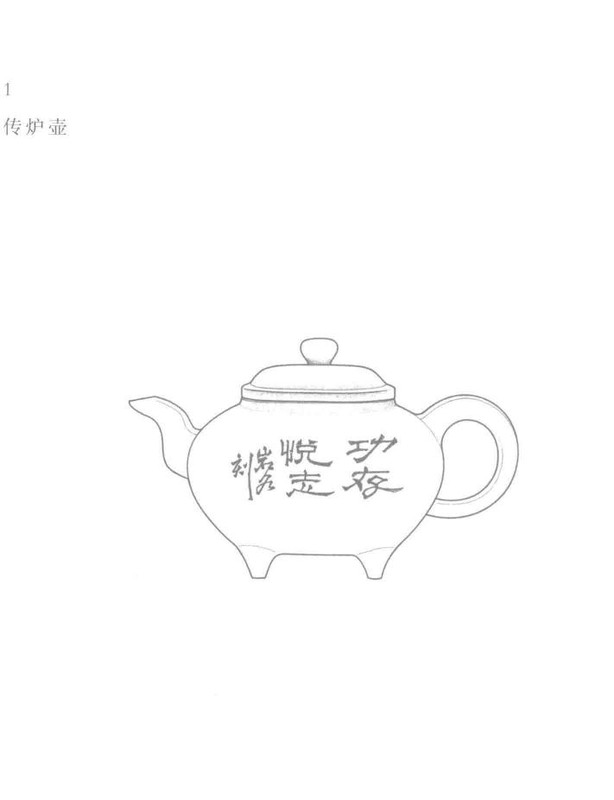
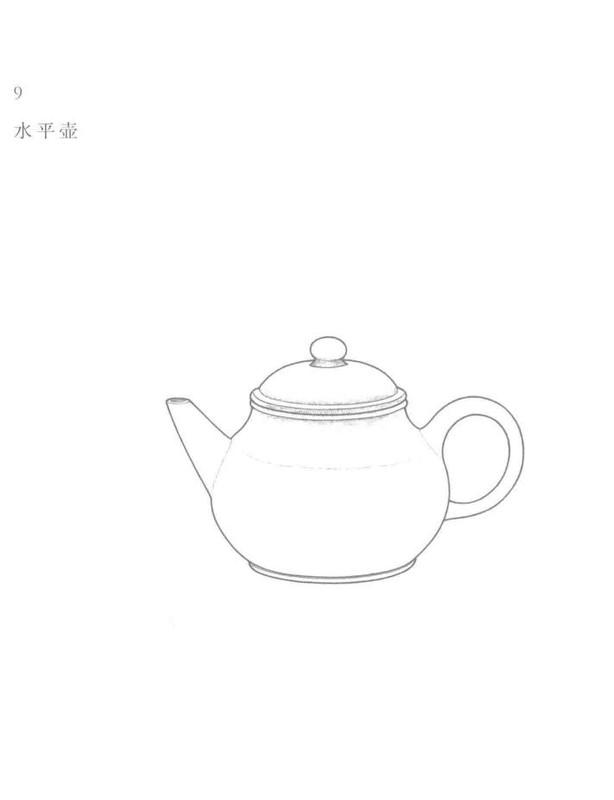
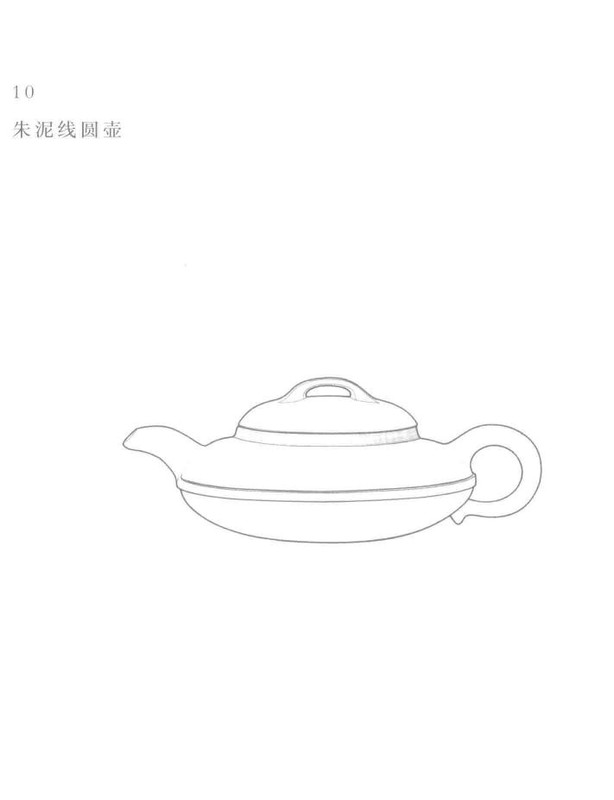
大石瓢壶
Explore this classic Yixing pottery design and its significance in tea culture
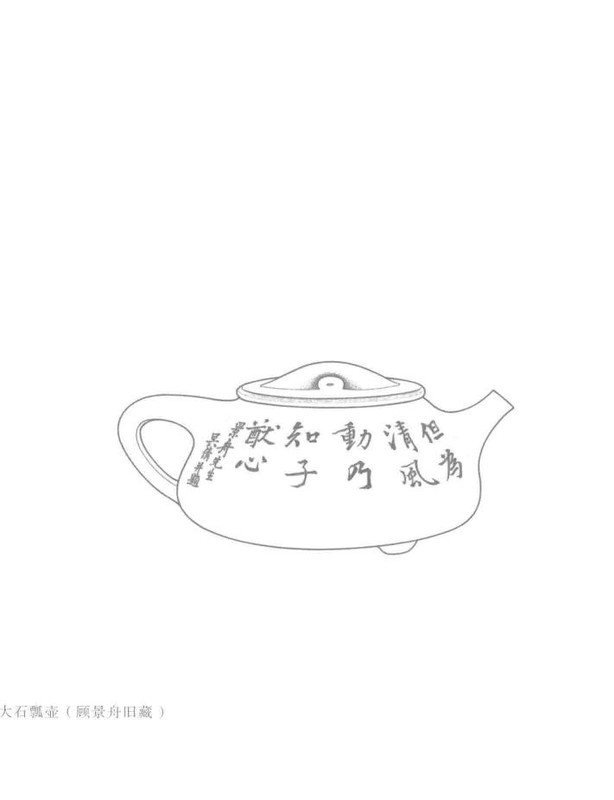
The Da Shi Piao Hu: A Timeless Icon of Yixing Craftsmanship
When you hold a Da Shi Piao Hu (大石瓢壶) in your hands, you’re not just touching clay—you’re connecting with centuries of Chinese tea culture. This classic Yixing teapot design has captivated tea enthusiasts for generations, and once you understand its elegant simplicity, you’ll see why it remains one of the most beloved shapes in the world of Chinese tea.
What Makes the Da Shi Piao Special?
The name “Da Shi Piao” translates roughly to “Large Stone Ladle,” and there’s poetry in that description. Imagine the smooth, water-worn stones you’d find in a mountain stream, shaped by time and nature into perfect, functional forms. That’s the essence of this teapot design—a marriage of natural inspiration and human artistry that feels both ancient and utterly contemporary.
Unlike ornate teapots adorned with dragons or flowers, the Da Shi Piao embraces restraint. Its beauty lies in proportion, balance, and the subtle interplay of curves and straight lines. The body typically features a gentle, rounded triangular profile when viewed from the side—wider at the base, tapering slightly toward the shoulder, then meeting a flat or gently domed lid. This isn’t accidental geometry; it’s the result of master potters refining a form over countless iterations until achieving something that simply feels right.
The spout extends confidently from the body, neither too aggressive nor too timid. It’s designed with a slight upward curve that controls the pour with precision—no dribbles, no splashing, just a clean arc of tea flowing into your cup. The handle mirrors this confidence, creating a comfortable grip that balances the pot’s weight perfectly when full. Everything about the Da Shi Piao speaks to functionality elevated to art.
A Design Born from Tradition
Yixing teapots emerged from the Jiangsu province of China, specifically from the town of Yixing, which has been producing pottery for over a thousand years. The purple clay (zisha) found in this region possesses unique properties that make it ideal for tea brewing—it’s porous enough to absorb tea oils and develop a seasoned patina over time, yet dense enough to retain heat effectively.
The Shi Piao family of designs represents one of the classical geometric forms that emerged during the Ming and Qing dynasties, when Yixing teapot making evolved from a craft into a refined art form. While we can’t pinpoint the exact moment the Da Shi Piao was first created, we know that potters during these periods were experimenting with shapes inspired by natural objects and philosophical concepts.
The “stone ladle” reference isn’t just poetic—it reflects the Daoist appreciation for natural forms and the Chinese aesthetic principle of finding beauty in simplicity. During the Ming dynasty, scholars and artists increasingly valued understated elegance over ostentatious decoration. The Da Shi Piao embodies this philosophy perfectly. It doesn’t shout for attention; it earns your admiration through perfect proportions and honest craftsmanship.
What’s remarkable is how this traditional design has remained relevant through centuries of changing tastes. While some antique teapot styles feel like museum pieces, the Da Shi Piao still looks fresh and modern. Its clean lines and geometric clarity appeal to contemporary sensibilities while maintaining deep roots in Chinese cultural heritage.
The Clay That Makes the Difference
To truly appreciate a Da Shi Piao, you need to understand Yixing clay itself. The purple clay (though it can range from deep purple to reddish-brown to pale yellow depending on the specific clay body) contains high levels of iron and other minerals. When fired, these minerals create a unique texture that’s slightly grainy to the touch—not rough, but with a subtle tooth that feels alive under your fingertips.
This clay breathes. Its porous structure allows air to pass through while retaining water, which means your tea steeps in an environment that’s neither completely sealed nor completely open. Over time, as you brew tea after tea in your Da Shi Piao, the clay absorbs the essential oils and develops what tea lovers call a “patina” or “tea memory.” A well-seasoned pot can actually enhance the flavor of your tea, adding depth and smoothness that you won’t get from porcelain or glass.
The traditional craftsmanship involved in creating a Da Shi Piao is entirely hand-built. Master potters don’t use molds for these classical shapes. Instead, they work with slabs of clay, carefully measuring, cutting, and joining pieces to create the body, then throwing and shaping the spout and handle separately before attachment. The lid must fit precisely—not too tight, not too loose—and when you pour, air should flow smoothly through the lid’s hole to prevent gurgling.
Which Teas Love the Da Shi Piao?
Here’s where things get exciting for tea enthusiasts. The Da Shi Piao’s medium to large capacity (typically 200-300ml, though sizes vary) and excellent heat retention make it particularly well-suited for certain types of tea.
Oolong teas are perhaps the perfect match. Whether you’re brewing a roasted Wuyi rock oolong like Da Hong Pao or a greener, more floral Taiwanese high-mountain oolong, the Da Shi Piao’s shape and clay properties help these complex teas shine. The rounded body allows the leaves to unfurl completely, while the clay’s breathability prevents the tea from becoming stewed or bitter even if you accidentally steep a bit too long.
Aged raw pu-erh also pairs beautifully with this pot style. These teas need heat to open up their complex, earthy flavors, and the Da Shi Piao’s thick walls maintain temperature throughout multiple infusions. As your pot seasons with pu-erh oils over time, it will actually begin to enhance the tea’s smoothness and depth.
Black teas (what the Chinese call “red tea” or hong cha) work wonderfully too, especially fuller-bodied varieties like Dian Hong from Yunnan or traditional Keemun. The pot’s heat retention brings out the malty, sweet notes in these teas without emphasizing any astringency.
What about green tea? Here’s where you might want to pause. Green teas generally prefer cooler water and shorter steeps, and the Da Shi Piao’s heat-retaining properties can sometimes be too much of a good thing, potentially cooking delicate green tea leaves. That said, some tea lovers successfully brew heartier green teas like Tai Ping Hou Kui in Yixing pots—it’s all about adjusting your technique.
The traditional wisdom is to dedicate your Da Shi Piao to one type of tea—or at least one category. This allows the pot to develop a specific tea memory that enhances your brewing over time. Many serious tea enthusiasts own multiple Yixing pots, each devoted to a different tea type.
Brewing with Your Da Shi Piao: Practical Wisdom
Let’s talk about actually using this beautiful pot. If you’re new to Yixing teapots, the process might feel a bit different from what you’re used to, but it’s wonderfully rewarding once you get the hang of it.
First-time preparation is important. When you first acquire a Da Shi Piao, you’ll want to “open” or “season” it. Rinse it thoroughly with hot water, then place it in a pot of water with some tea leaves (the type you plan to brew in it) and simmer gently for 30-45 minutes. This removes any clay dust from manufacturing and begins the seasoning process. Let it cool naturally, rinse again, and it’s ready for use.
The gongfu brewing method is where the Da Shi Piao truly excels. This traditional Chinese approach uses more tea leaves, less water, and shorter steeping times than Western-style brewing. For a 250ml Da Shi Piao, you might use 6-8 grams of oolong tea. Rinse the leaves with a quick pour of hot water (discard this first infusion), then steep for 20-30 seconds for the first proper infusion. Increase the time by 5-10 seconds with each subsequent brewing. You can often get 6-8 delicious infusions from quality tea this way.
Temperature matters, but the Da Shi Piao is forgiving. For oolongs and black teas, use water just off the boil (95-100°C). For more delicate teas, let the water cool to 85-90°C. The clay will moderate the temperature somewhat, which is part of its magic.
Pouring technique is simple but important. Grip the handle firmly, and pour with confidence—the well-designed spout will give you a clean, controlled stream. Pour out every last drop; don’t leave tea sitting in the pot between infusions, as this can lead to bitterness.
After each session, rinse your pot thoroughly with hot water only—never use soap, which the porous clay will absorb. Let it air dry completely before storing. Some enthusiasts gently wipe the exterior with a soft tea cloth while the pot is still warm, which gradually builds a beautiful sheen on the surface.
The Living Pot: Developing Patina Over Time
One of the most magical aspects of owning a Da Shi Piao is watching it change over time. With regular use, the exterior develops a subtle luster—not a glossy shine, but a soft, warm glow that comes from tea oils and gentle handling. The interior darkens gradually, building up layers of tea memory.
This transformation is deeply satisfying. Your pot becomes uniquely yours, marked by your tea preferences and brewing habits. Some collectors can identify which tea has been brewed in a pot just by smelling it or observing its patina. This isn’t just romantic notion—it’s real. The clay truly does absorb and remember.
There’s a meditative quality to this relationship between potter, pot, and tea drinker. The original craftsperson shaped the clay with skill and intention. You, the tea enthusiast, continue that creative process through use, gradually transforming the pot through countless brewing sessions. Each cup of tea becomes part of an ongoing dialogue between past and present.
Why the Da Shi Piao Endures
In a world of constantly changing trends, the Da Shi Piao remains a constant. Its appeal isn’t based on novelty or fashion—it’s rooted in fundamental principles of good design and functional excellence. The proportions work. The shape makes sense. The clay performs beautifully.
For tea enthusiasts, owning a Da Shi Piao offers a tangible connection to centuries of tea culture. It’s not about collecting an antique (though antique examples certainly exist and are highly valued). It’s about participating in a living tradition, using a tool that has been refined over generations to do one thing exceptionally well: brew beautiful tea.
Whether you’re just beginning your journey into Chinese tea or you’re a seasoned enthusiast, a well-made Da Shi Piao deserves consideration. It’s an investment not just in a teapot, but in countless future tea sessions—each one slightly different, each one enhanced by the pot’s growing character.
The Da Shi Piao teaches patience. It rewards attention. It improves with use rather than deteriorating. In our disposable age, there’s something profoundly satisfying about an object that gets better the more you use it, that develops character rather than wearing out.
So the next time you’re exploring Yixing teapots, take a moment to appreciate the Da Shi Piao. Hold it. Feel its weight and balance. Imagine the water flowing from spout to cup, the tea leaves unfurling in its rounded belly, the warmth in your hands as you pour. This simple, elegant form has been bringing joy to tea lovers for centuries. Perhaps it’s time to let it bring some to you.