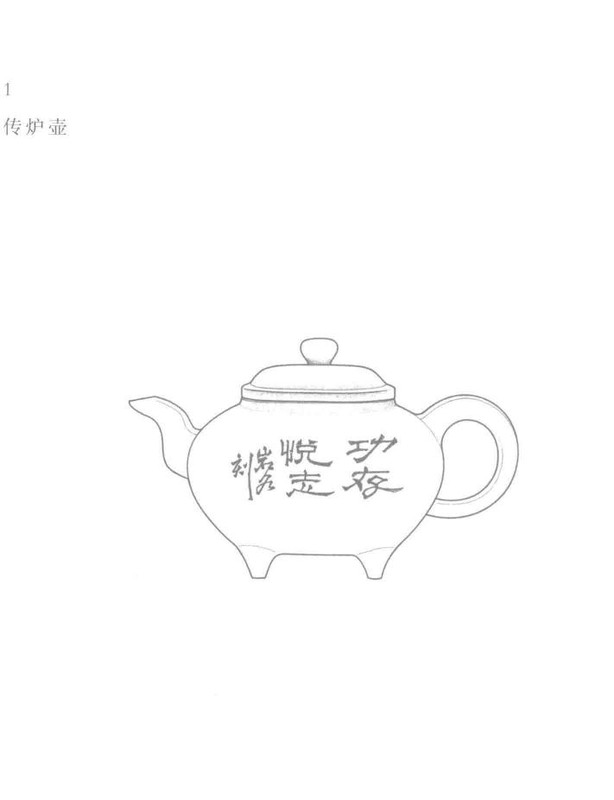
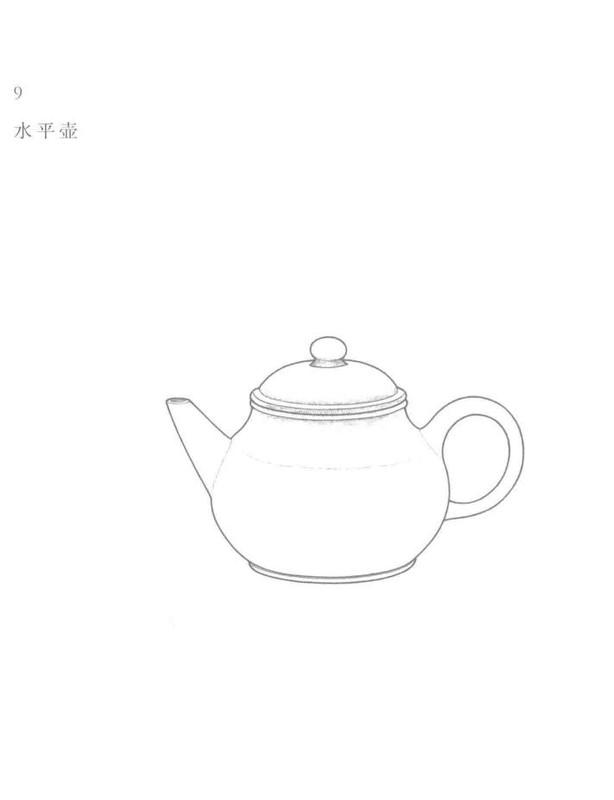
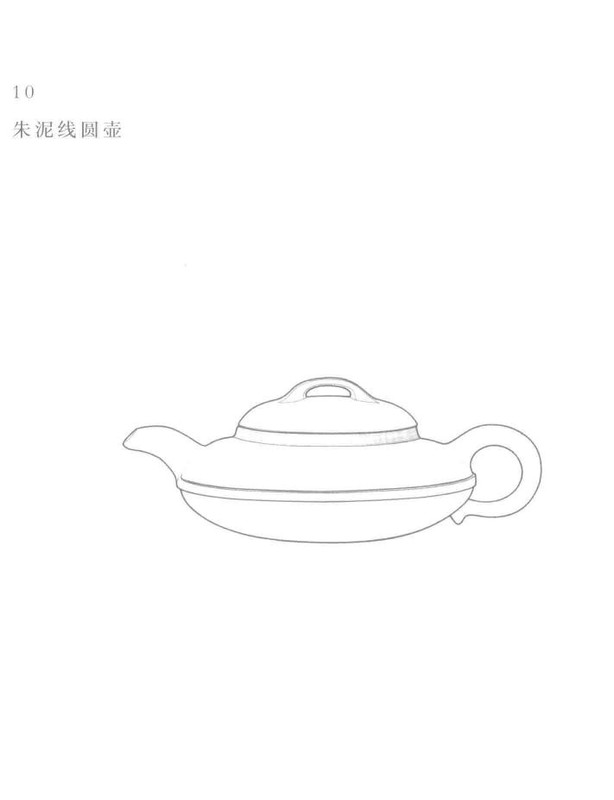
三足高腰线提梁壶
Explore this classic Yixing pottery design and its significance in tea culture
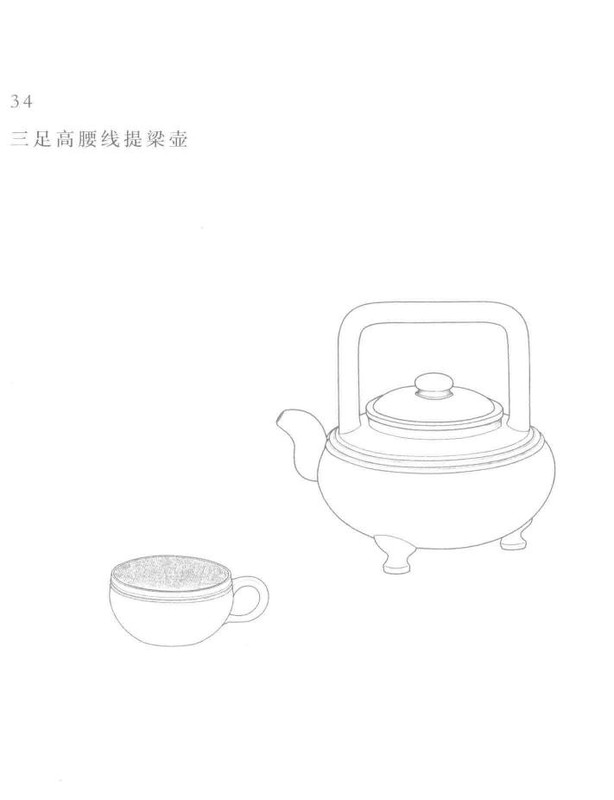
The Three-Legged High-Waisted Handled Teapot: A Timeless Yixing Classic
When you first encounter a 三足高腰线提梁壶 (sān zú gāo yāo xiàn tí liáng hú), or “three-legged high-waisted handled teapot,” you’re looking at one of Yixing pottery’s most architecturally striking designs. This isn’t your everyday teapot—it’s a statement piece that bridges ancient Chinese aesthetics with practical brewing excellence. With its tripod stance and overhead handle arching gracefully above the body, this teapot commands attention on any tea table while delivering the exceptional brewing performance that has made Yixing clay famous for centuries.
A Design That Stands Apart
The most immediately striking feature of this teapot is right there in its name: three legs. Unlike the flat-bottomed teapots we’re accustomed to seeing, this design elevates the brewing chamber on a tripod base, creating negative space beneath the pot that serves both aesthetic and functional purposes. These legs aren’t delicate or ornamental—they’re substantial supports that give the entire piece a grounded, stable presence.
Moving upward, you’ll notice the “high waist” that defines the pot’s silhouette. The body rises with a gentle swell before tapering slightly at the shoulder, creating a profile that’s both elegant and purposeful. This isn’t arbitrary styling—the high-waisted form affects how tea leaves circulate during brewing, how heat distributes through the clay, and how the pot feels when you lift it.
Then there’s the overhead handle, or 提梁 (tí liáng), which arches over the top of the pot like a bridge. This isn’t the side-mounted handle you’d find on most teapots. Instead, it rises from one side of the rim, curves gracefully overhead, and descends to anchor on the opposite side. When you pour, you’re lifting from above rather than pushing from the side, which fundamentally changes the pouring dynamics and gives you exceptional control over the stream.
The overall effect is architectural—this teapot looks like it could be a miniature pavilion or ceremonial vessel. There’s something almost ritualistic about its form, which makes perfect sense given tea’s deep ceremonial roots in Chinese culture.
Rooted in Tradition
While we don’t have precise dating for when this particular design first emerged, its visual language speaks to classical Chinese aesthetics that have been refined over centuries. The tripod form itself echoes ancient bronze vessels from China’s Shang and Zhou dynasties—ritual objects that held wine and food for ceremonial offerings. Those ancient bronzes, called 鼎 (dǐng), were symbols of power and legitimacy, and their three-legged stance became deeply embedded in Chinese material culture.
When Yixing potters adopted this tripod form for teapots, they weren’t just copying ancient shapes—they were connecting tea culture to China’s deeper historical and spiritual traditions. Tea drinking, after all, evolved from medicinal and meditative practices into a refined art form. A teapot that references ceremonial vessels reminds us that brewing tea is more than just making a beverage; it’s a practice with philosophical weight.
The overhead handle design also has practical historical roots. In traditional Chinese tea culture, teapots were often quite large, meant for serving multiple guests. An overhead handle distributes the weight more evenly and gives you better leverage when pouring from a heavy, full pot. Even though modern versions of this design come in various sizes, that functional heritage remains part of its DNA.
The Magic of Yixing Clay
What makes any Yixing teapot special isn’t just its shape—it’s the clay itself. Yixing clay, mined from the region around Yixing in Jiangsu Province, has unique properties that tea enthusiasts have prized for over 500 years. The clay is naturally porous, which means it breathes. As you use your teapot over time, it absorbs trace amounts of tea oils and develops what’s called a “patina”—a seasoned surface that actually enhances the flavor of tea brewed in it.
This three-legged design showcases Yixing clay beautifully. The substantial body provides plenty of surface area for the clay to interact with your tea, while the elevated base allows air to circulate around the entire pot, helping with temperature regulation. The thick walls typical of this style retain heat exceptionally well, which is crucial for certain types of tea that need sustained high temperatures to fully open up.
The clay’s natural colors—ranging from deep purple-brown (紫砂, zǐ shā) to red, yellow, and even green depending on the specific clay body used—give each pot its own character. Many potters leave the exterior unglazed, allowing you to appreciate the clay’s natural texture and color. Over years of use, the pot develops a subtle sheen from the tea oils, transforming slowly into something uniquely yours.
Which Teas Love This Pot?
The three-legged high-waisted handled teapot excels with teas that benefit from robust heat retention and ample brewing space. Here’s where it really shines:
Aged Pu-erh is perhaps the perfect match for this pot style. Ripe pu-erh (shou pu-erh) especially loves the sustained heat that the thick walls and elevated design provide. The leaves need high temperatures to fully release their deep, earthy, sometimes sweet complexity, and this pot delivers. The spacious body gives compressed pu-erh leaves room to fully expand, which is essential for proper extraction.
Oolong teas, particularly darker, more oxidized varieties like Da Hong Pao or aged Tie Guan Yin, also pair beautifully with this design. These teas benefit from the pot’s heat retention and the way the high-waisted body encourages circulation during steeping. The overhead handle makes it easy to pour multiple short infusions, which is exactly how you want to brew good oolong.
Black teas (what the Chinese call red tea, or 红茶) work wonderfully here too. Whether you’re brewing a robust Dian Hong from Yunnan or a malty Keemun, the pot’s ability to maintain temperature brings out the full body and sweetness of black tea without any bitterness.
I’d be more cautious with delicate green teas or white teas in this pot. The heat retention that makes it perfect for pu-erh and oolong can be too much for teas that prefer lower temperatures. That said, if you’re brewing a more robust green tea like Tai Ping Hou Kui or a mature white tea like aged Shou Mei, this pot can handle it—you’ll just need to be more mindful of your water temperature and steeping times.
Brewing with Your Three-Legged Pot
Using this teapot is a tactile pleasure, but there are some techniques that’ll help you get the most from its unique design:
Warming the pot is crucial. Before you add tea leaves, pour hot water into the pot, swirl it around, and pour it out. The thick walls take a moment to come up to temperature, and you want the pot fully heated before brewing begins. This is especially important if you’re brewing tea that needs high heat.
Leaf quantity matters more in a pot with this much internal volume. The high-waisted body means there’s substantial space for leaves to expand. For pu-erh or oolong, I typically use about one gram of tea per 15-20ml of water capacity, but you’ll want to adjust based on your taste and the specific tea.
The overhead handle changes your pouring technique. Instead of tilting from the side, you’re lifting and tilting from above. This gives you excellent control—you can pour a thin, precise stream or a fuller flow just by adjusting your wrist angle. Practice your pour over an empty cup a few times to get a feel for it. The elevated base also means you can pour into taller cups without the spout getting too close to the rim.
Multiple infusions are where this pot really shows its worth. The clay retains heat between infusions, so you’re not starting from scratch each time. For pu-erh or oolong, you might get 6-10 infusions from good leaves, and the pot will maintain consistent temperature throughout.
Cleaning is simple but important. After your tea session, rinse the pot thoroughly with hot water—no soap, ever. The porous clay will absorb soap and ruin your tea. Let it air dry completely before putting it away. That elevated base is actually helpful here, as air can circulate underneath and speed drying.
Seasoning Your Pot
If you’ve just acquired a new three-legged teapot, you’ll want to season it before first use. This isn’t complicated, but it’s an important ritual:
First, rinse the pot thoroughly with warm water to remove any dust from manufacturing or shipping. Then, fill it with water and bring it to a gentle simmer in a pot on your stove for about 20 minutes. This opens up the clay’s pores and removes any residual kiln odors.
After this initial cleaning, brew several pots of the tea you plan to dedicate this pot to—yes, dedicate. Traditional wisdom says you should use a Yixing pot for only one type of tea (or at least one category, like “oolong” or “pu-erh”). The clay absorbs the tea’s character, and mixing different teas can create muddy flavors. Some modern tea drinkers are less strict about this, but if you want the full Yixing experience, commit your three-legged pot to one tea type.
Over the first month of use, you’ll notice the clay darkening slightly and developing a subtle sheen. This is the patina forming—embrace it. This is your pot becoming seasoned, developing its own history and character.
Living with a Three-Legged Teapot
Beyond its brewing performance, there’s something special about having this pot as part of your tea practice. Its architectural presence makes tea time feel more intentional, more ceremonial. When you lift that overhead handle and pour, you’re participating in a tradition that stretches back centuries.
The tripod stance means this pot sits differently on your tea table than other teapots. It has presence, stability, a kind of quiet authority. It doesn’t tip easily, which is reassuring when you’re working with boiling water and precious tea. The negative space beneath the body creates interesting shadows and gives the pot a lighter visual weight despite its substantial construction.
As your pot ages and develops its patina, it becomes a record of your tea journey. Each brewing session adds microscopic layers to its surface, building up a history that’s uniquely yours. Some tea enthusiasts keep their Yixing pots for decades, passing them down as family heirlooms. A well-used three-legged pot, dark and glossy from years of tea, is a beautiful thing—evidence of countless quiet moments, conversations over tea, and solitary morning rituals.
Finding Your Three-Legged Pot
If you’re considering adding a 三足高腰线提梁壶 to your collection, take your time finding the right one. These pots are still made by skilled artisans in Yixing, ranging from affordable workshop pieces to high-end creations by master potters.
Look for good craftsmanship: the legs should be evenly sized and firmly attached, the overhead handle should be well-balanced and comfortable to grip, and the spout should pour cleanly without dripping. The lid should fit snugly but not too tightly—you want a small gap that allows steam to escape during brewing.
Consider the size based on how you typically drink tea. If you usually brew for yourself, a 150-200ml pot is perfect. For sharing with one or two others, look for 250-350ml. Larger sizes exist but can be unwieldy for everyday use.
Most importantly, choose a pot that speaks to you aesthetically. You’ll be handling this pot regularly, looking at it on your tea table, developing a relationship with it over time. It should bring you pleasure every time you use it.
A Pot Worth the Journey
The three-legged high-waisted handled teapot represents Yixing pottery at its most distinctive—a design that honors ancient forms while serving modern tea drinkers beautifully. It’s a pot that rewards attention and care, that improves with use, that turns tea brewing into something more than just making a drink.
Whether you’re a seasoned tea enthusiast or just beginning to explore the world of Yixing pottery, this design offers something special: a connection to tradition, exceptional brewing performance, and a daily reminder that some objects are worth slowing down for. In our fast-paced world, a teapot that asks you to pause, to warm the clay, to pour with intention, to appreciate the ritual—that’s not just a brewing vessel. That’s a teacher, a companion, a small anchor of mindfulness in your day.
So if you find yourself drawn to this elegant, architectural design, trust that instinct. Bring one home, dedicate it to your favorite tea, and begin the slow, satisfying process of making it yours. Years from now, when that pot has darkened and developed its patina, when the overhead handle fits your hand like it was made for you, you’ll understand why tea lovers have treasured these designs for generations.