仿鼓如意壶
Explore this classic Yixing pottery design and its significance in tea culture
The Fang Gu Ruyi Hu: Where Drum Rhythms Meet Tea Ceremony
When you first encounter a Fang Gu Ruyi Hu (仿鼓如意壶), you might feel like you’re holding a piece of ancient Chinese music in your hands. This classic Yixing teapot design draws its inspiration from traditional Chinese drums, creating a harmonious blend of cultural artistry and functional tea brewing that has captivated tea enthusiasts for generations.
A Name That Tells a Story
The Chinese name “仿鼓如意壶” reveals layers of meaning that speak to the pot’s essence. “Fang Gu” (仿鼓) translates to “imitating drum” or “drum-inspired,” while “Ruyi” (如意) carries the beautiful meaning of “as one wishes” or “according to one’s heart’s desire.” The character “壶” (hu) simply means “pot” or “teapot.” Together, they create a name that suggests this vessel will bring you satisfaction and contentment—much like the rhythmic beating of a drum brings harmony to a musical performance.
In English, we might call this the “Auspicious Drum Teapot” or the “Drum of Contentment,” though any translation struggles to capture the full poetic resonance of the original Chinese.
Visual Poetry in Clay
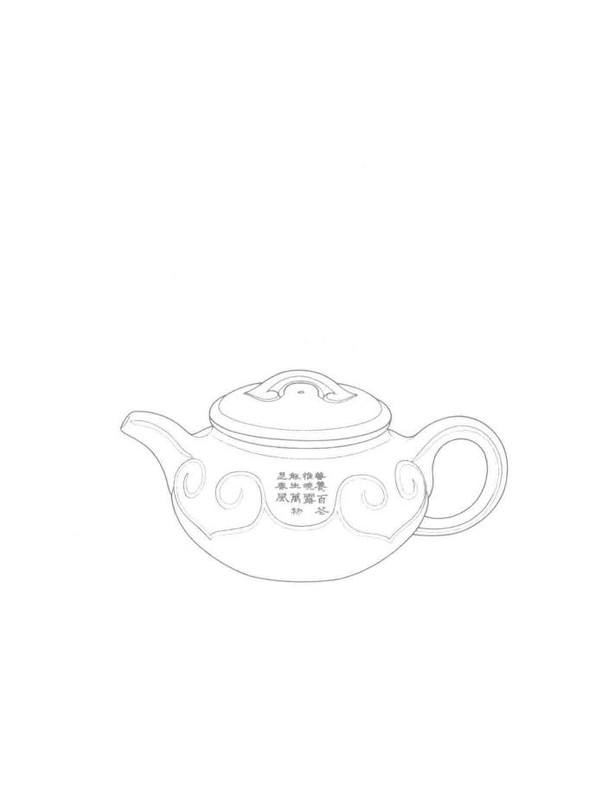
The Fang Gu Ruyi Hu presents a distinctive silhouette that immediately sets it apart from other Yixing designs. The body of the pot echoes the rounded, barrel-like shape of traditional Chinese drums, with a gentle swell at the center that tapers slightly toward both the base and the shoulder. This creates a sense of contained energy, as if the pot itself might resonate with the spirit of tea within.
The proportions are carefully balanced—neither too squat nor too elongated. The body sits confidently on a stable foot ring, giving the pot a grounded presence on your tea table. The shoulder curves gracefully inward before meeting the neck, creating a smooth transition that guides the eye naturally toward the lid.
Speaking of the lid, this is where many Fang Gu Ruyi Hu designs truly shine. The lid often features a button or finial that may be shaped like a ruyi scepter—a traditional Chinese symbol of power and good fortune that resembles a stylized cloud or fungus. This detail reinforces the “ruyi” element of the pot’s name, adding an extra layer of auspicious symbolism to your daily tea ritual.
The spout typically extends in a confident arc, neither too aggressive nor too timid. It’s designed to pour with authority while maintaining the overall harmony of the form. The handle mirrors this balance, often featuring a comfortable grip that feels natural in the hand while echoing the curved lines found throughout the design.
What makes each Fang Gu Ruyi Hu unique is the potter’s individual interpretation. Some artisans emphasize the drum-like qualities with more pronounced horizontal lines or bands around the body, reminiscent of the bindings on traditional drums. Others take a more subtle approach, allowing the overall form to suggest the drum shape without literal decoration.
Roots in Tradition
The Fang Gu Ruyi Hu belongs to the rich tradition of Yixing pottery, which has been produced in the Yixing region of Jiangsu Province for centuries. While we don’t have specific dates for when this particular design first emerged, it clearly draws from classical Chinese aesthetics that have been refined over generations of master potters.
The inspiration from drum forms connects this teapot to broader themes in Chinese culture. Drums have played important roles in Chinese society for thousands of years—from military signals to religious ceremonies, from festive celebrations to theatrical performances. By incorporating drum-inspired shapes into teaware, potters created a bridge between the dynamic energy of percussion and the contemplative calm of tea drinking.
This design philosophy reflects a fundamental principle in Chinese art: the idea that everyday objects should nourish the spirit as well as serve practical functions. A teapot isn’t just a vessel for brewing—it’s a companion in your tea journey, a piece of art that brings beauty to daily rituals, and a connection to cultural traditions that stretch back through time.
The “ruyi” element adds another layer of cultural depth. Ruyi scepters were traditionally given as gifts to convey wishes for good fortune and the fulfillment of desires. By incorporating this symbolism into a teapot design, the potter essentially creates a vessel that wishes you well with every brewing session.
The Clay Makes the Difference
Like all authentic Yixing teapots, the Fang Gu Ruyi Hu is crafted from the region’s distinctive zisha clay (purple sand clay). This remarkable material is what transforms a simple teapot into a living brewing companion that actually improves with use.
Zisha clay is naturally porous, containing tiny air pockets that allow the pot to “breathe.” This porosity serves several important functions. First, it helps regulate temperature during brewing, preventing sudden heat shocks that might damage delicate tea leaves. Second, it allows the pot to absorb trace amounts of tea oils over time, gradually building up a seasoning that enhances future brews.
The clay comes in several natural colors—from rich purple-brown to warm red to pale yellow—each with slightly different mineral compositions and characteristics. The color you choose for your Fang Gu Ruyi Hu is partly aesthetic preference and partly practical consideration based on which teas you plan to brew.
Perfect Tea Pairings
The Fang Gu Ruyi Hu’s medium-sized body and balanced proportions make it remarkably versatile, but certain teas truly sing when brewed in this style of pot.
Oolong Teas: This is where the Fang Gu Ruyi Hu really excels. The pot’s shape provides excellent heat retention, which is crucial for bringing out the complex flavors in oolong teas. Whether you’re brewing a roasted Wuyi rock oolong or a lighter Taiwanese high-mountain variety, the drum-inspired form helps maintain consistent temperatures throughout multiple infusions. The rounded body gives the leaves plenty of room to unfurl and dance in the water, releasing their full aromatic potential.
Aged Pu-erh: The substantial body of the Fang Gu Ruyi Hu makes it ideal for aged pu-erh teas, which benefit from robust brewing conditions. The pot’s heat retention helps extract the deep, earthy flavors that develop in pu-erh over years of aging. As your pot seasons with repeated pu-erh brewing, it will develop a patina that actually enhances the tea’s character.
Red Teas (Black Teas): Chinese red teas like Dianhong or Keemun also pair beautifully with this pot style. The balanced proportions allow for proper oxidation and flavor development, while the clay’s natural properties help smooth out any potential astringency.
Aged White Teas: If you’re fortunate enough to have aged white tea in your collection, the Fang Gu Ruyi Hu offers an excellent brewing vessel. The pot’s ability to maintain steady heat helps coax out the subtle, evolved flavors that develop in white tea over time.
Brewing Wisdom for Your Drum Pot
Getting the most from your Fang Gu Ruyi Hu requires understanding both the pot and your tea. Here’s practical advice for brewing success:
Seasoning Your New Pot: Before first use, give your pot a proper introduction to its purpose. Rinse it thoroughly with hot water, then brew several pots of the tea type you plan to dedicate it to. Discard these initial brews—they’re for the pot, not for drinking. This process begins building the seasoning that will enhance future brews.
The One Tea Rule: Traditional wisdom suggests dedicating each Yixing pot to a single type of tea, or at least to teas within the same family. The porous clay absorbs tea oils and flavors, so switching between, say, a delicate green tea and a robust pu-erh would create confusing flavor profiles. Choose your tea commitment wisely.
Water Temperature Matters: The Fang Gu Ruyi Hu’s good heat retention means you can use slightly lower water temperatures than you might with other vessels, as the pot will maintain heat well. For oolongs, try starting around 195°F (90°C) rather than a full boil. For pu-erh, you can go hotter, around 205°F (96°C).
Preheating is Essential: Always preheat your pot by filling it with hot water before adding tea leaves. This ensures even heat distribution and prevents temperature shock to your leaves. Swirl the water around, then pour it out just before adding your tea.
Leaf-to-Water Ratio: The rounded body of the Fang Gu Ruyi Hu typically holds between 150-250ml of water, depending on the specific pot. A good starting point is about 5-7 grams of tea for a 200ml pot, but adjust based on your tea type and personal preference.
Multiple Infusions: This pot style excels at gongfu-style brewing with multiple short infusions. Start with a quick rinse (5-10 seconds), then gradually increase steeping times with each subsequent infusion. You might get 6-8 excellent infusions from quality oolong or pu-erh.
Cleaning and Care: After each session, simply rinse your pot with hot water—no soap ever! The clay is porous and will absorb soap flavors. Let the pot air dry completely with the lid off before storing. Over time, you’ll notice the exterior developing a subtle sheen—this is the prized patina that tea lovers cherish.
The Lid Test: A well-made Fang Gu Ruyi Hu will have a lid that fits precisely. When you fill the pot and cover the air hole on the lid with your finger, water shouldn’t pour from the spout. This demonstrates the quality of craftsmanship and ensures proper brewing conditions.
Living with Your Drum Pot
Owning a Fang Gu Ruyi Hu is about more than just brewing tea—it’s about developing a relationship with a handcrafted object that grows and changes with you. Each time you brew, you’re adding to the pot’s story. The clay darkens slightly, the patina deepens, and the seasoning builds. In a sense, you’re collaborating with the potter across time, finishing the work they began.
Many tea enthusiasts find that the ritual of brewing with a Yixing pot like the Fang Gu Ruyi Hu adds a meditative quality to their tea practice. The weight of the pot in your hand, the warmth of the clay, the familiar motions of preheating and pouring—these become anchors in your day, moments of mindfulness in our often chaotic world.
The drum-inspired form serves as a gentle reminder of rhythm and harmony. Just as a drummer must find the right tempo and touch, a tea brewer must find the right balance of temperature, timing, and technique. Both are practices that reward patience and attention.
Choosing Your Pot
If you’re considering adding a Fang Gu Ruyi Hu to your tea collection, take time to find one that speaks to you. Hold it if possible—does it feel balanced? Does the handle sit comfortably in your grip? Pour water through it—does the spout deliver a smooth, controlled stream?
Look for signs of quality craftsmanship: clean lines, a well-fitted lid, a spout that aligns properly with the body. The clay should have a natural, unglazed appearance with a subtle texture. Be wary of pots that look too perfect or shiny—authentic Yixing clay has an organic quality that reflects its natural origins.
Consider the size based on your brewing habits. If you typically brew tea for yourself, a smaller pot (150-180ml) might be ideal. For sharing with a friend, look for something in the 200-250ml range.
A Companion for the Journey
The Fang Gu Ruyi Hu represents something special in the world of teaware—a design that honors tradition while serving the practical needs of tea lovers today. Its drum-inspired form reminds us that tea culture has always been intertwined with other arts, and that beauty and function need not be separate pursuits.
Whether you’re a seasoned tea enthusiast or just beginning to explore the world of gongfu brewing, this classic Yixing design offers a worthy companion for your journey. With each brewing session, you’ll deepen your understanding of both the pot and your tea, discovering new subtleties and developing your own rhythms and techniques.
In the end, the Fang Gu Ruyi Hu lives up to its name—it truly becomes a vessel that brings contentment, a drum that beats in harmony with your tea practice, a wish for good fortune that you can hold in your hands and pour into your cup.